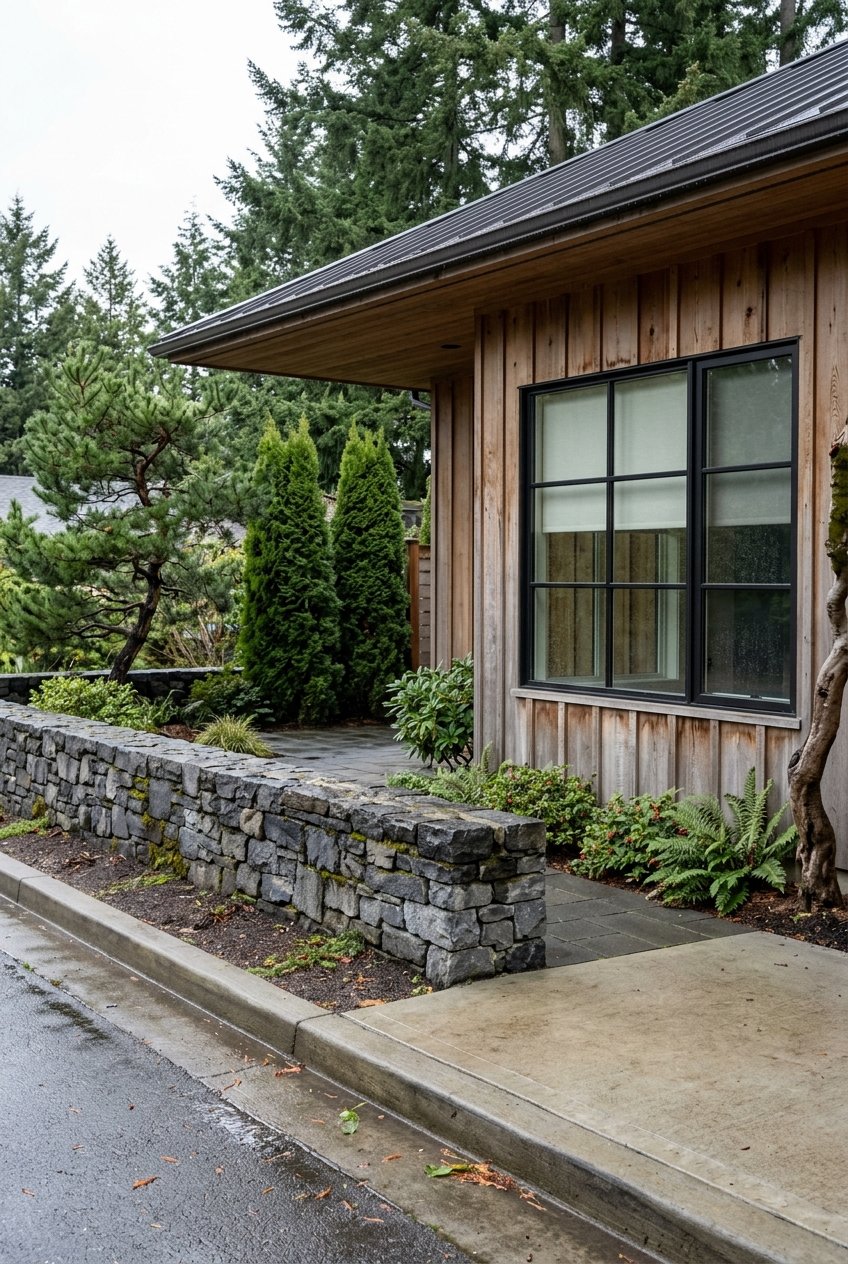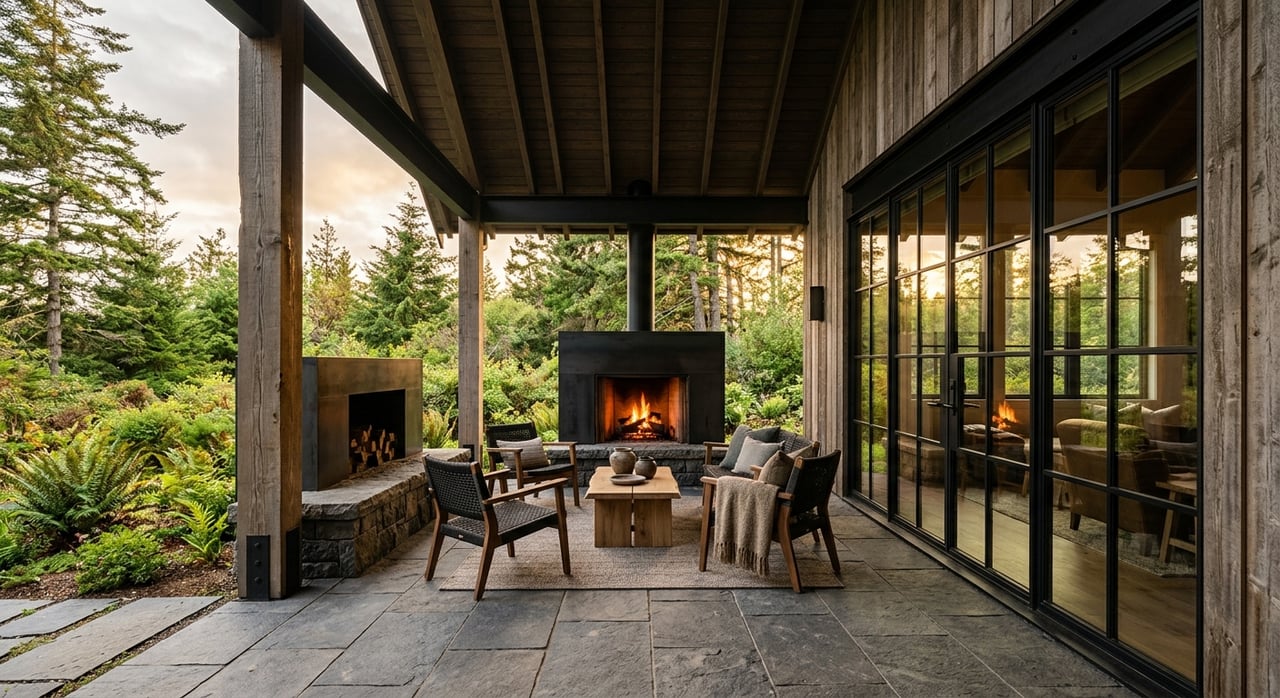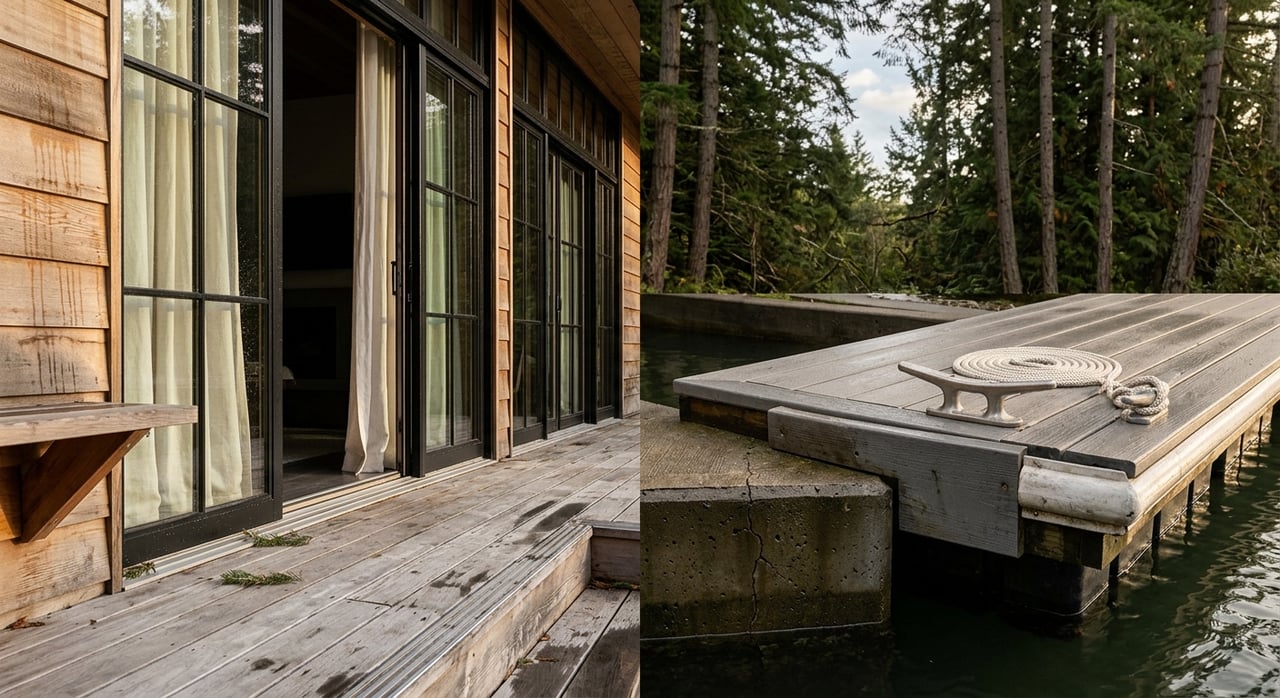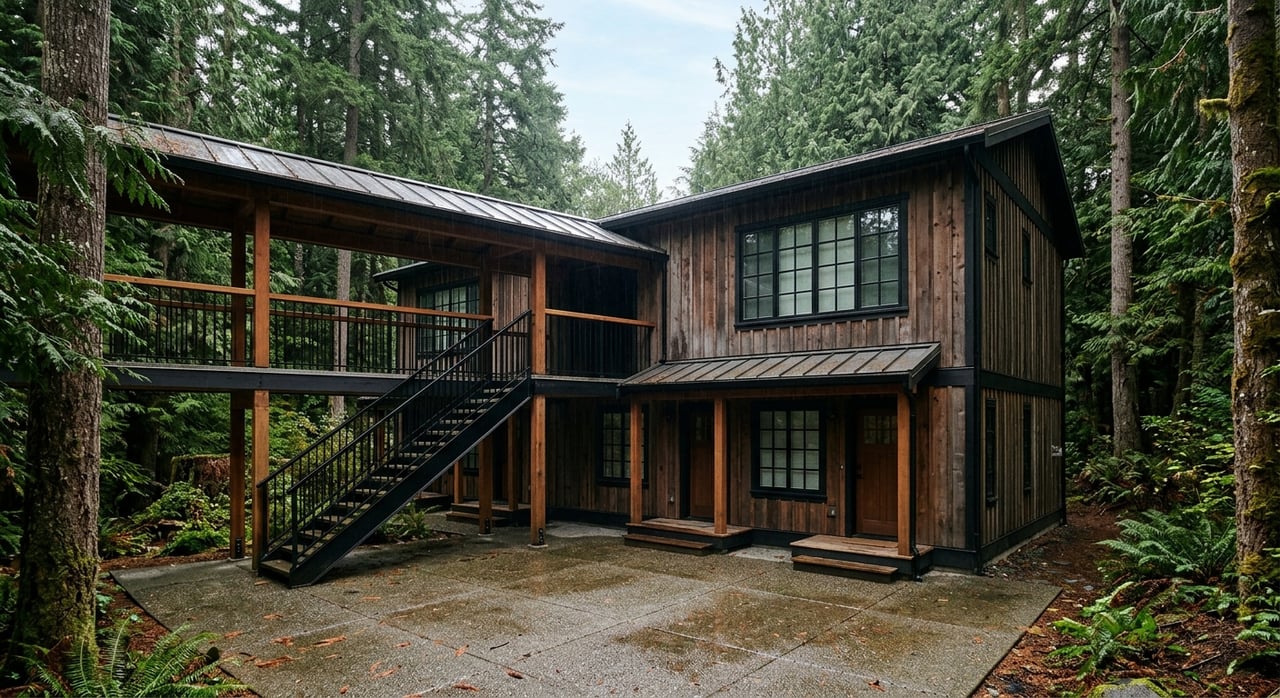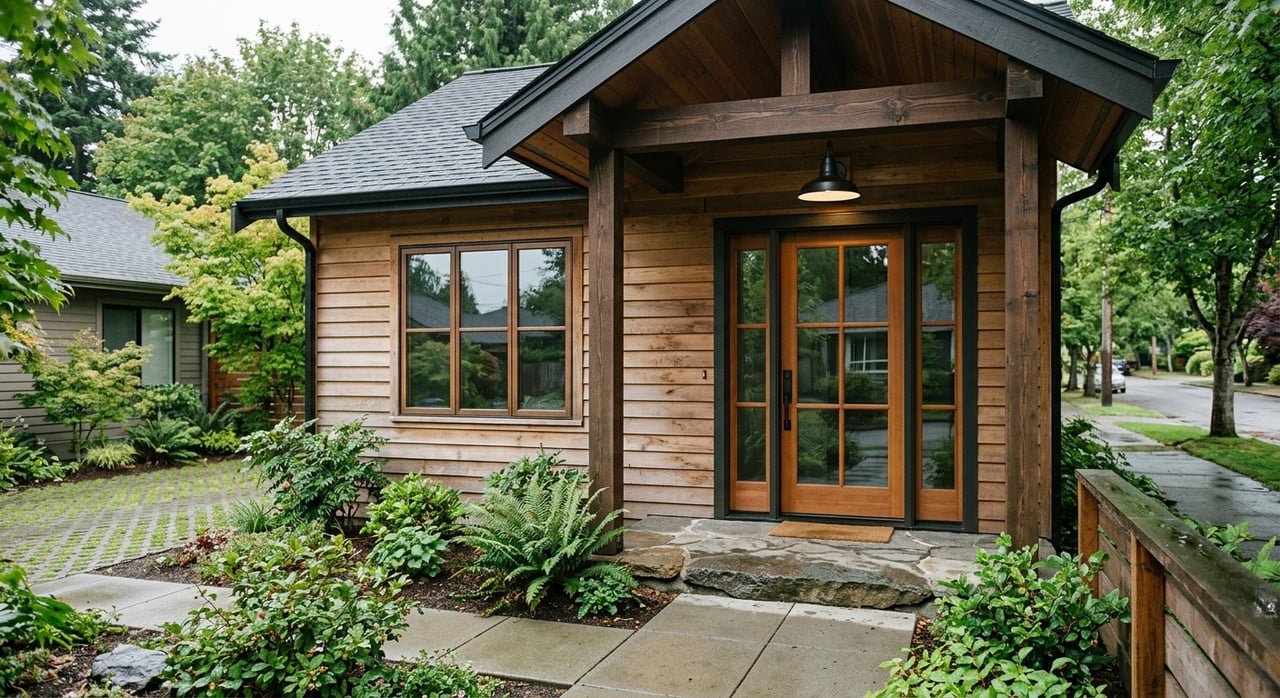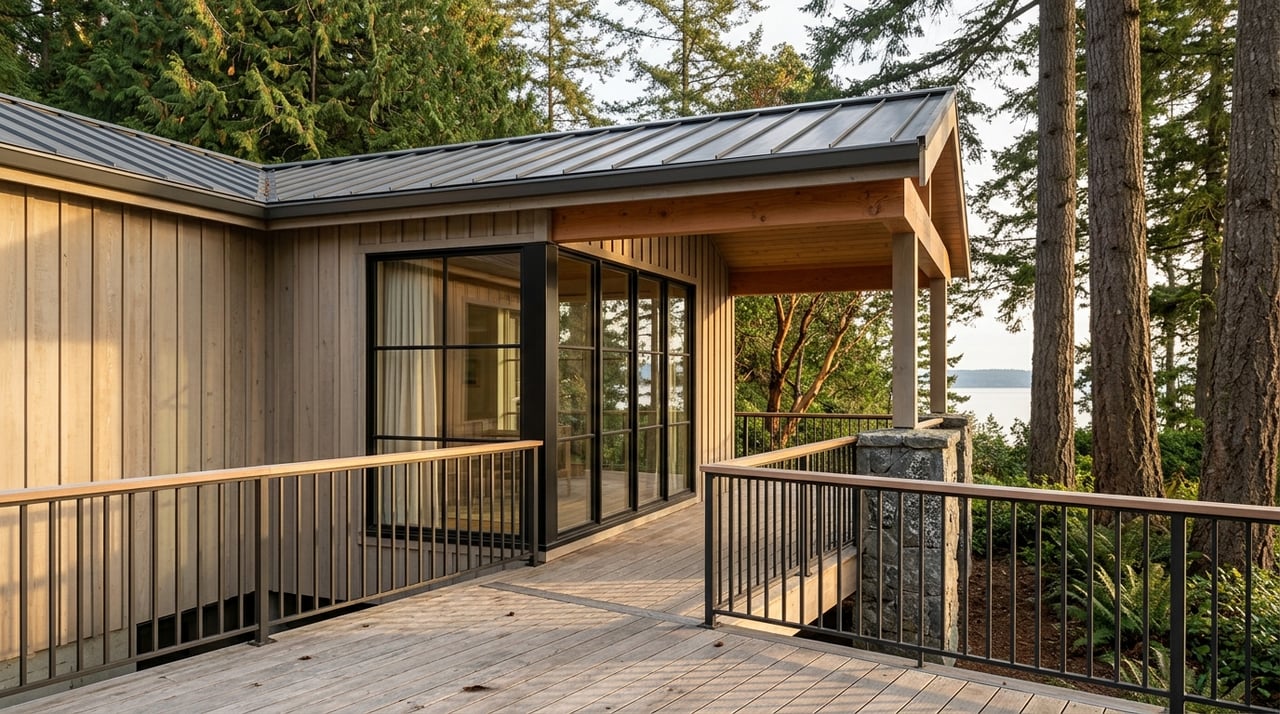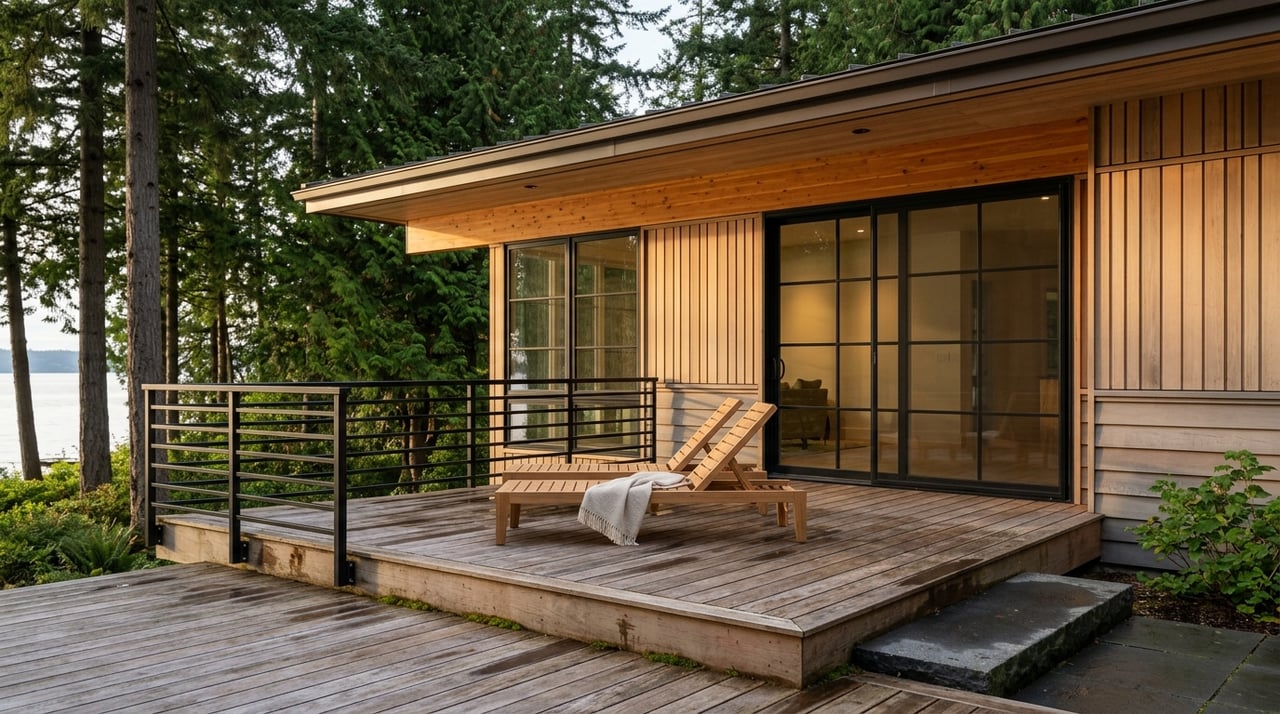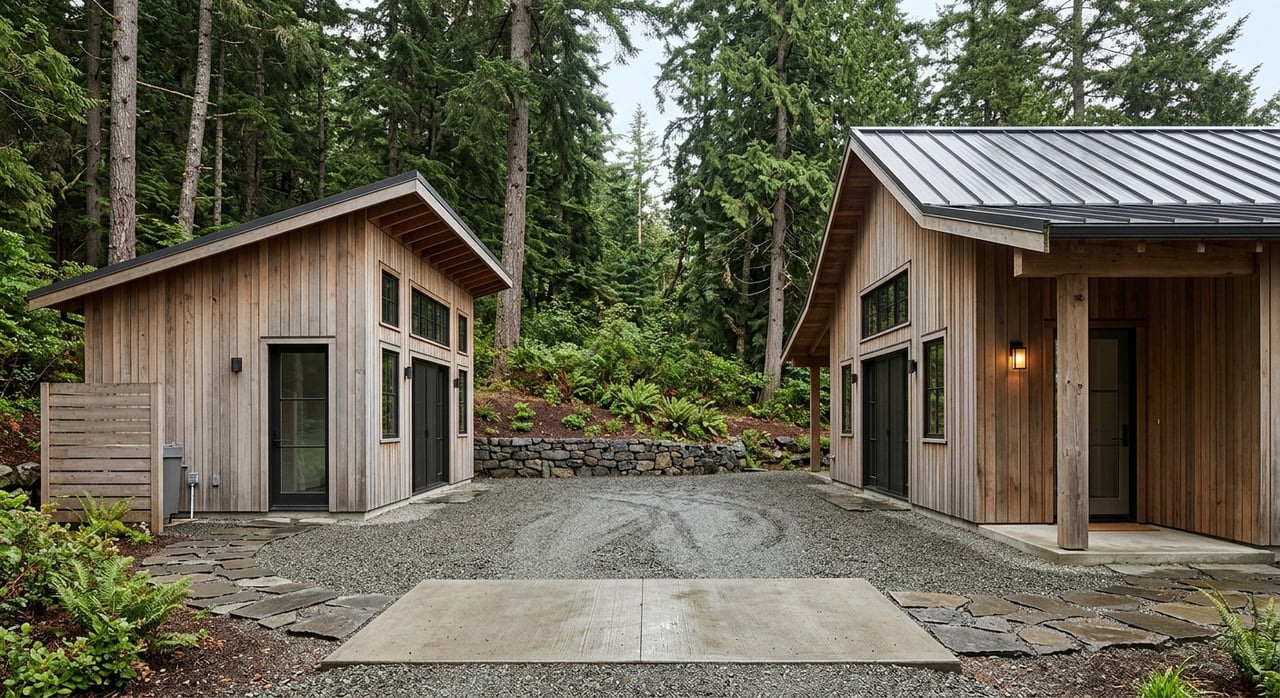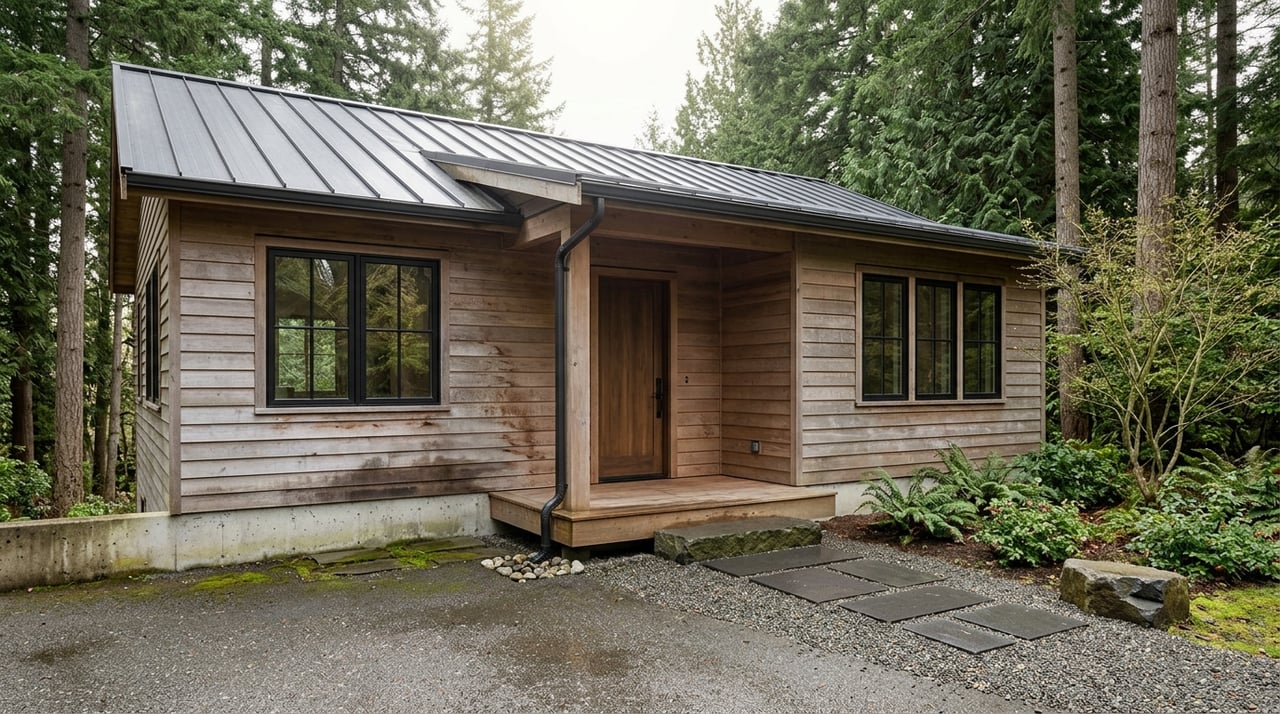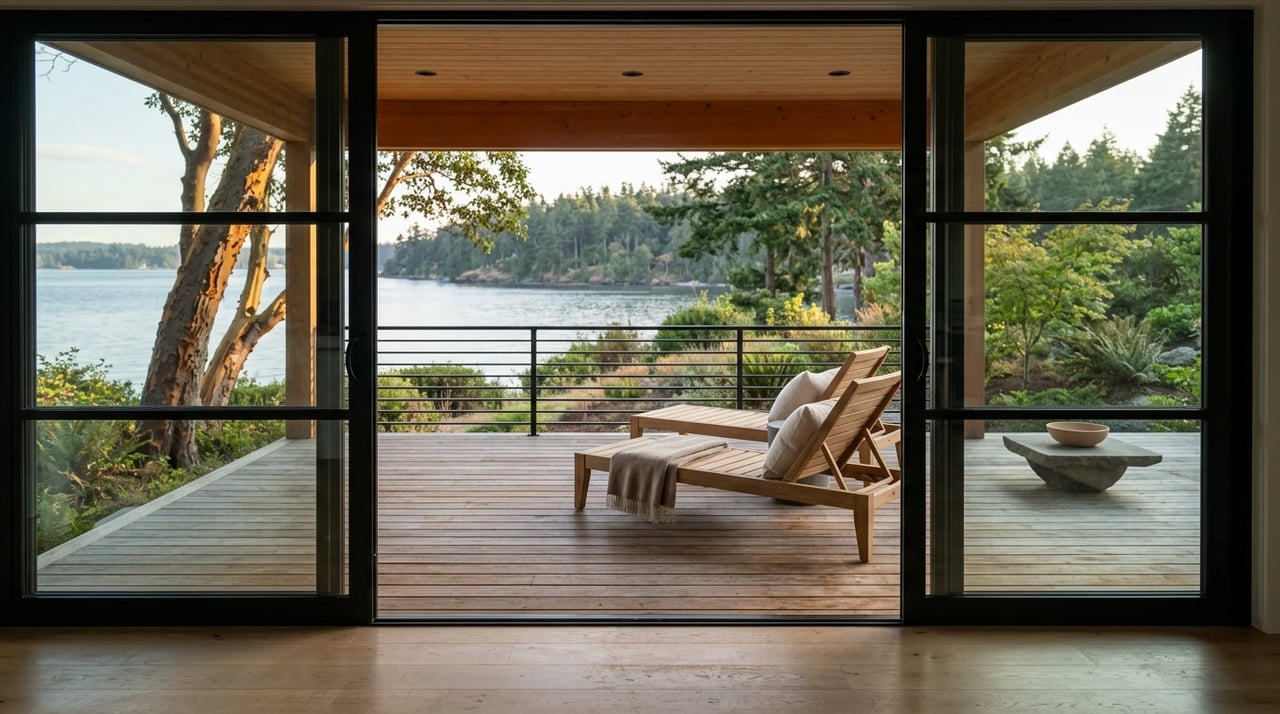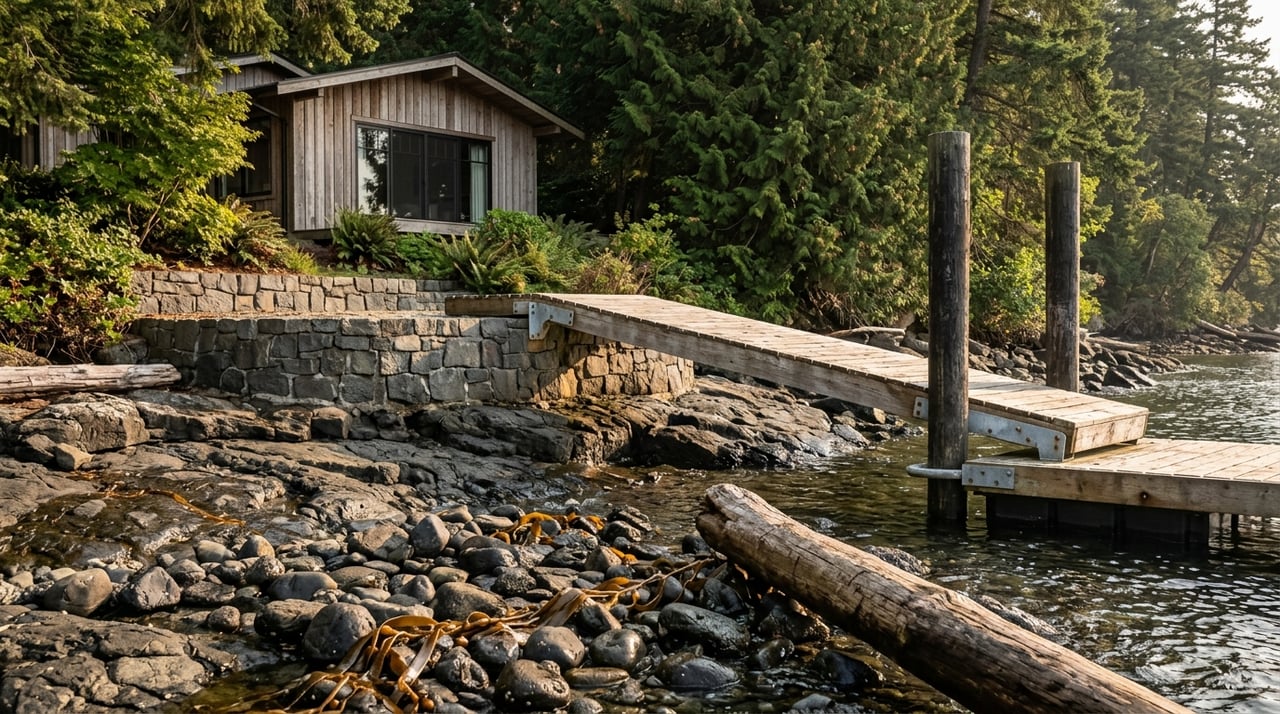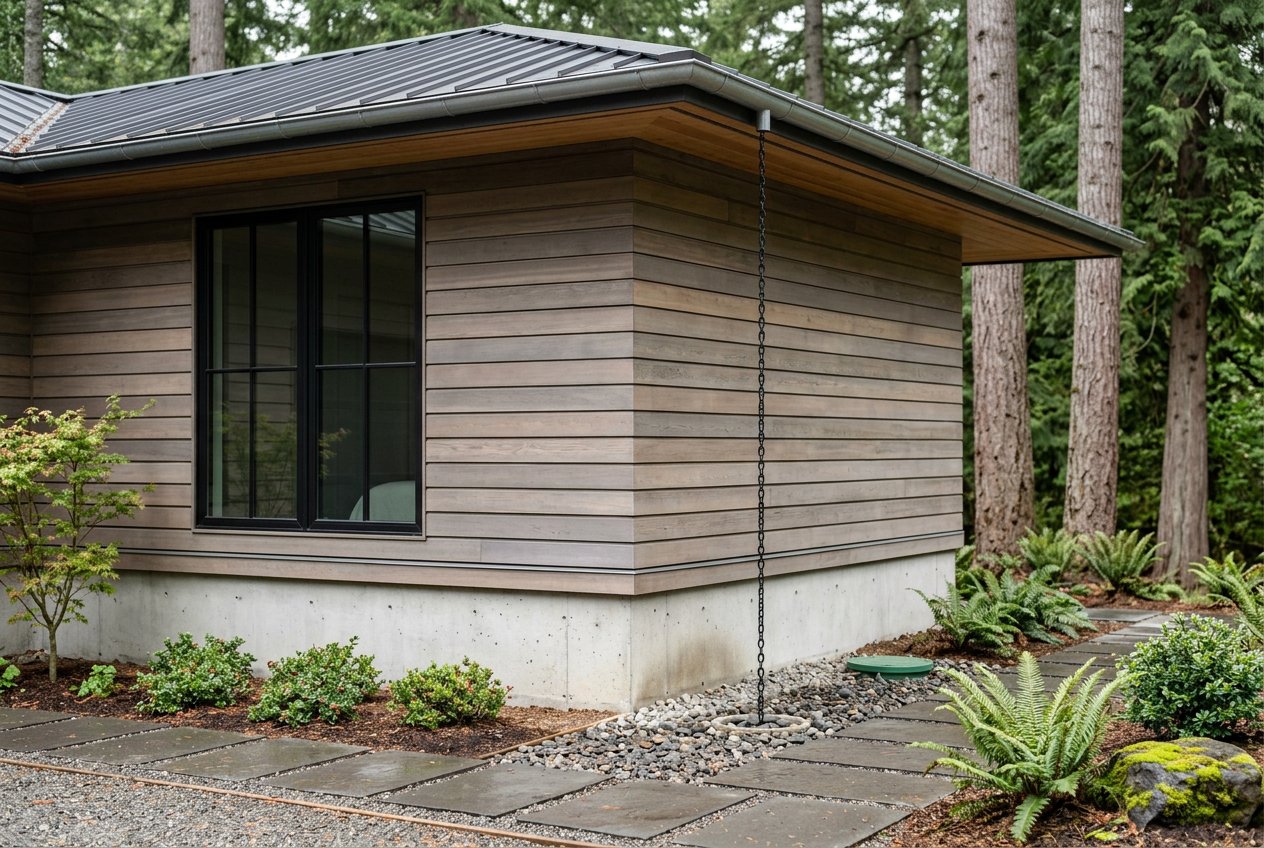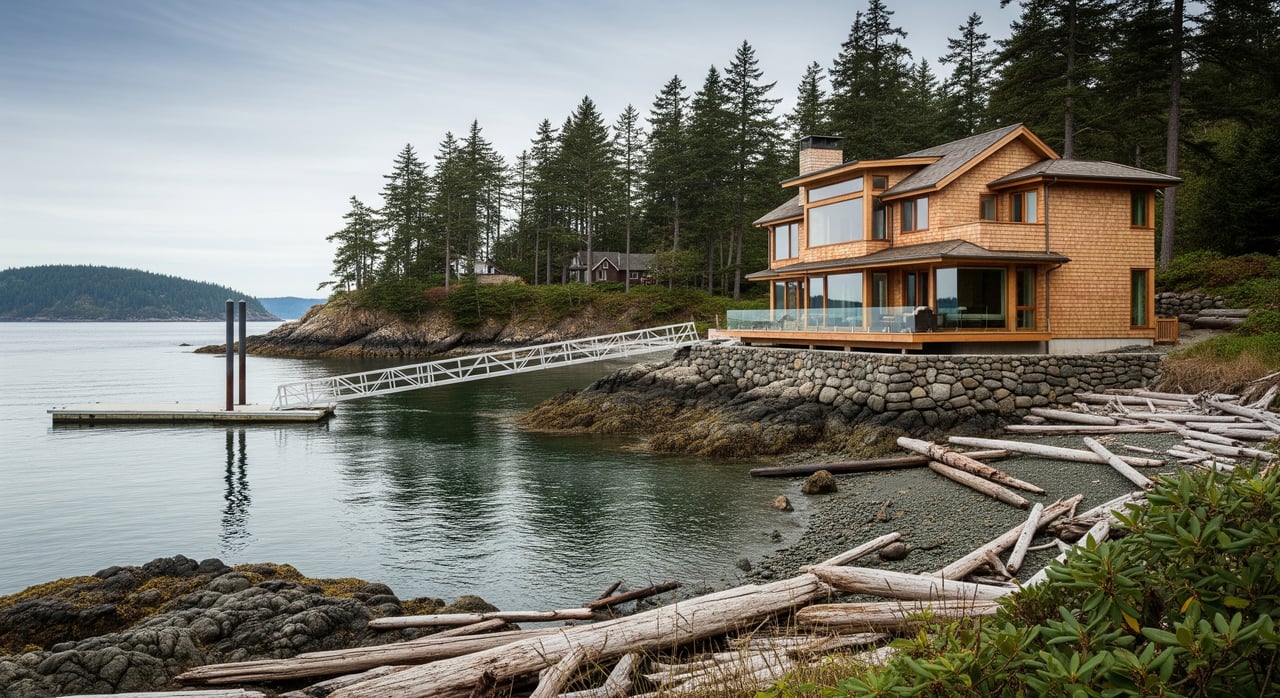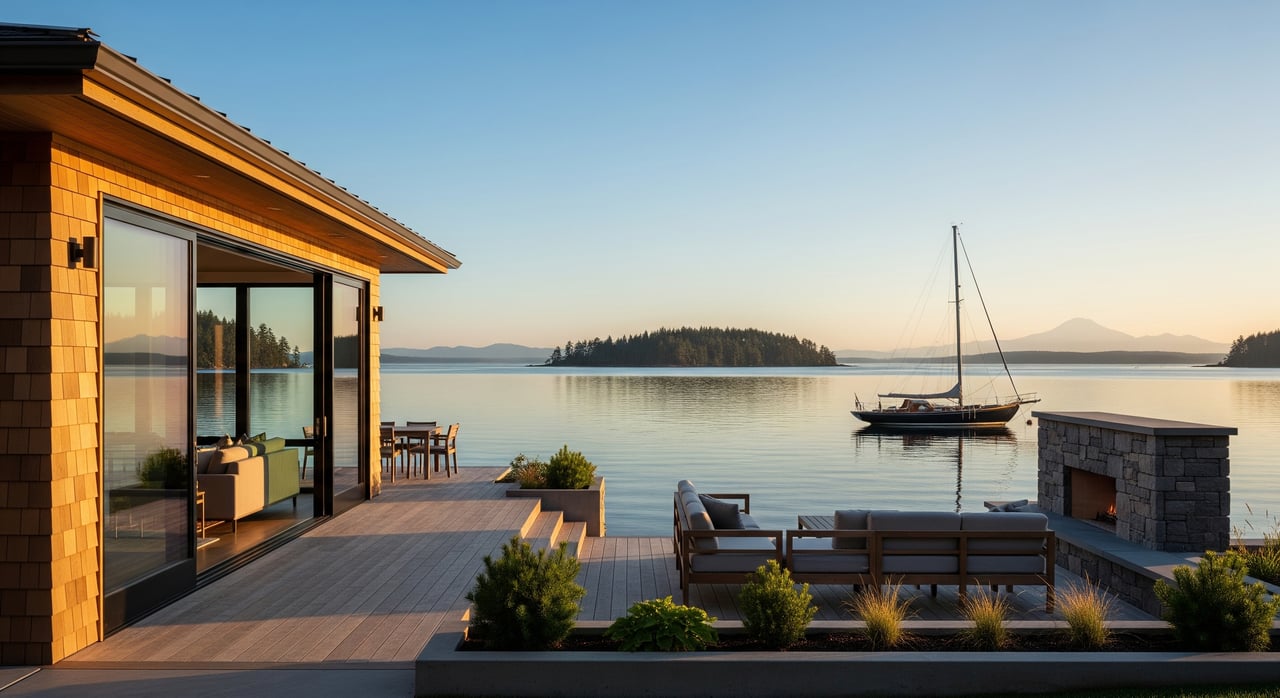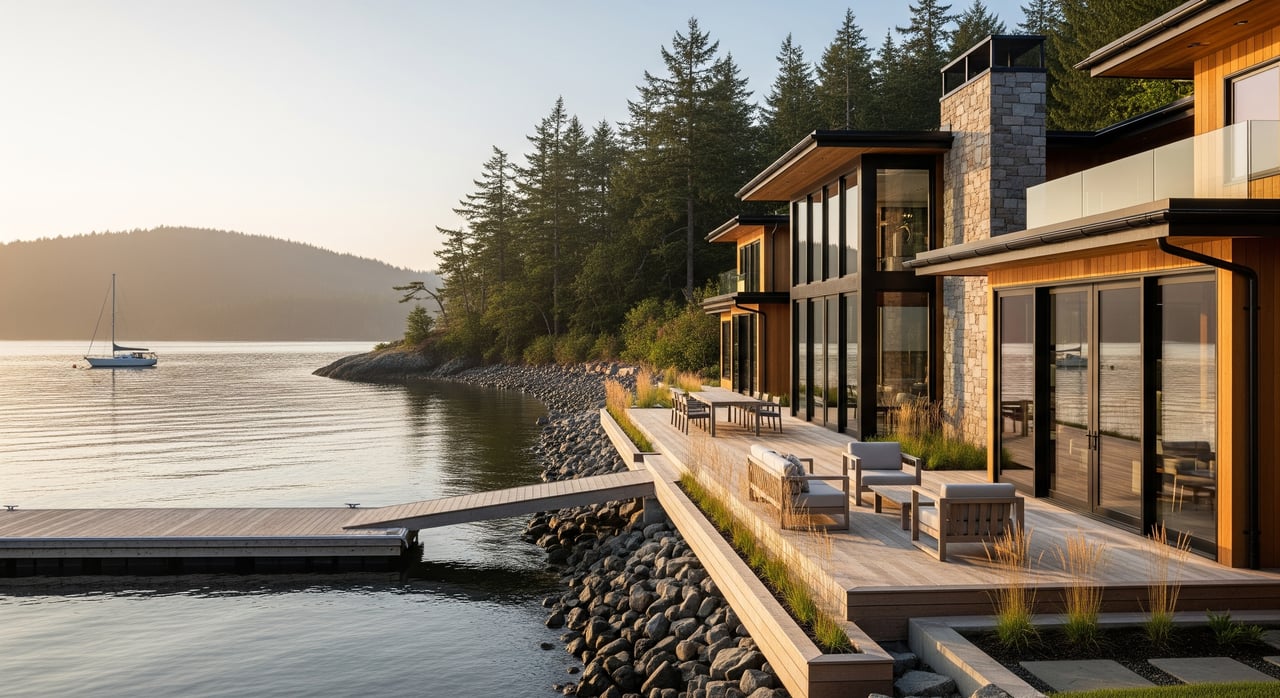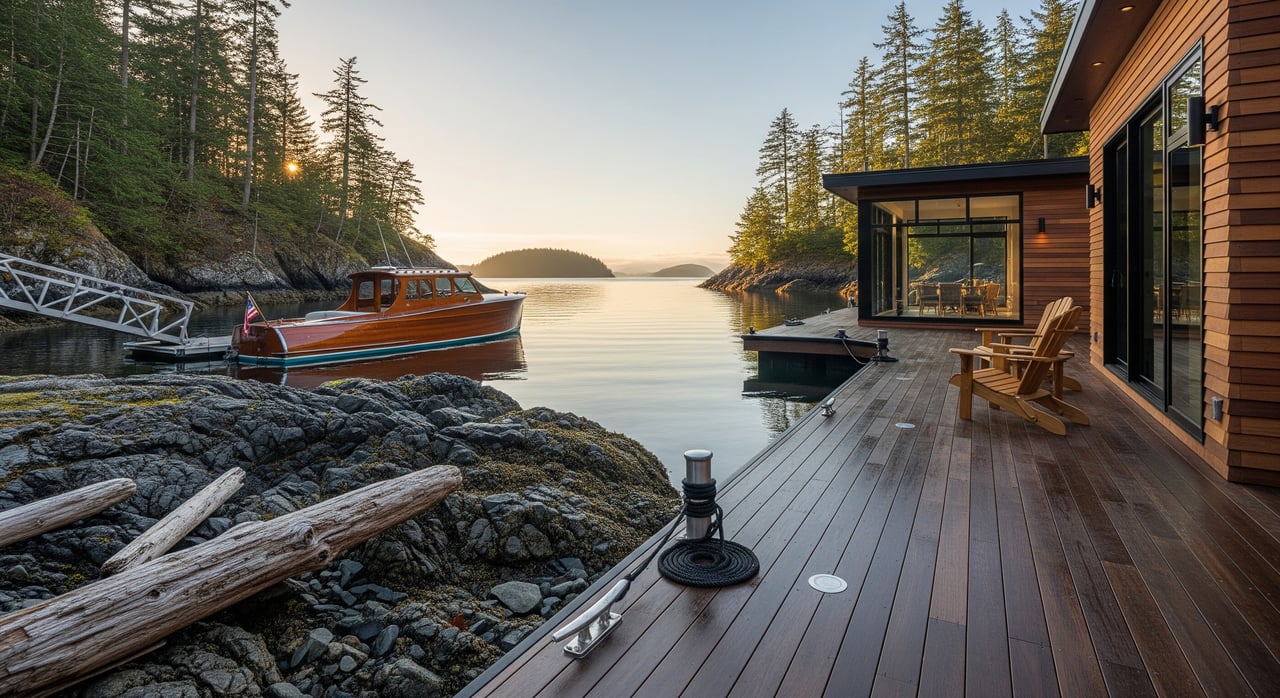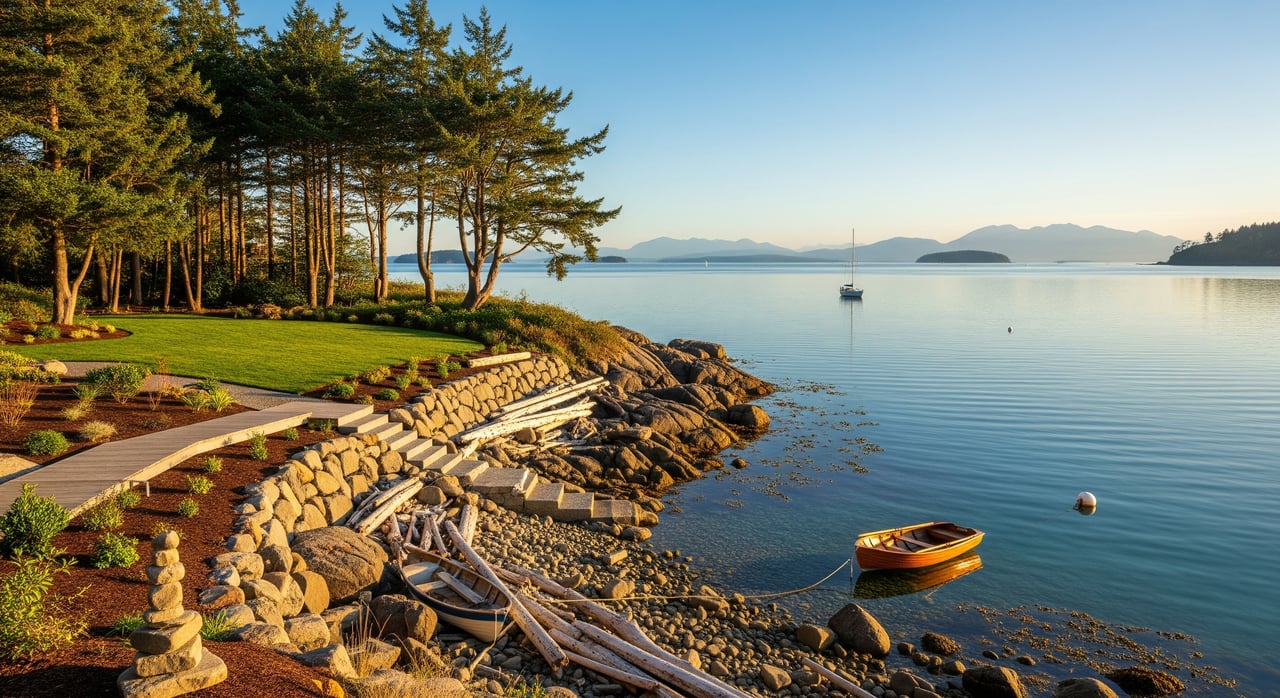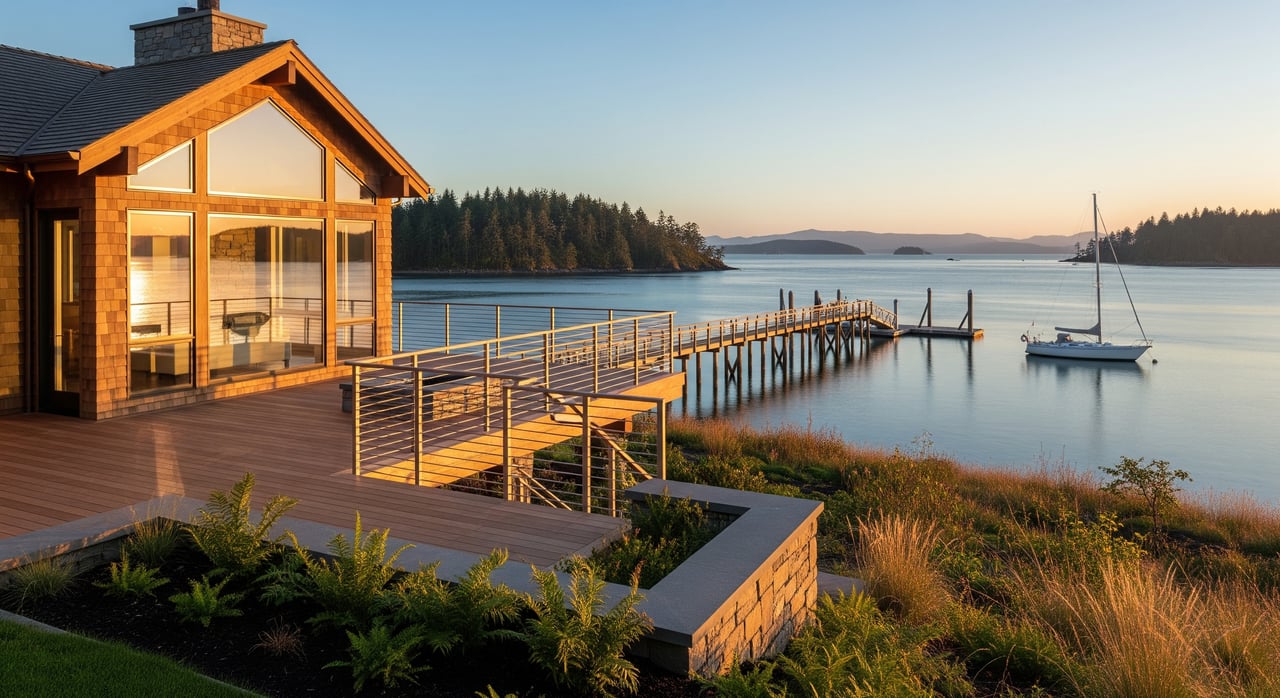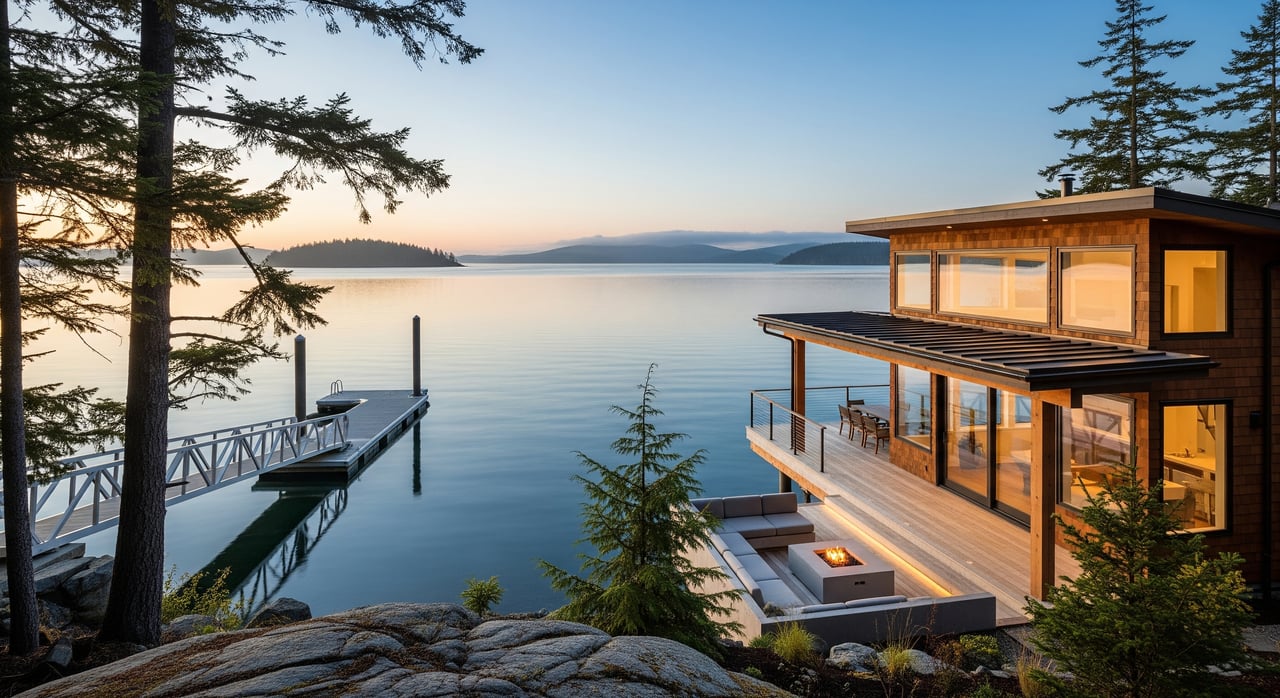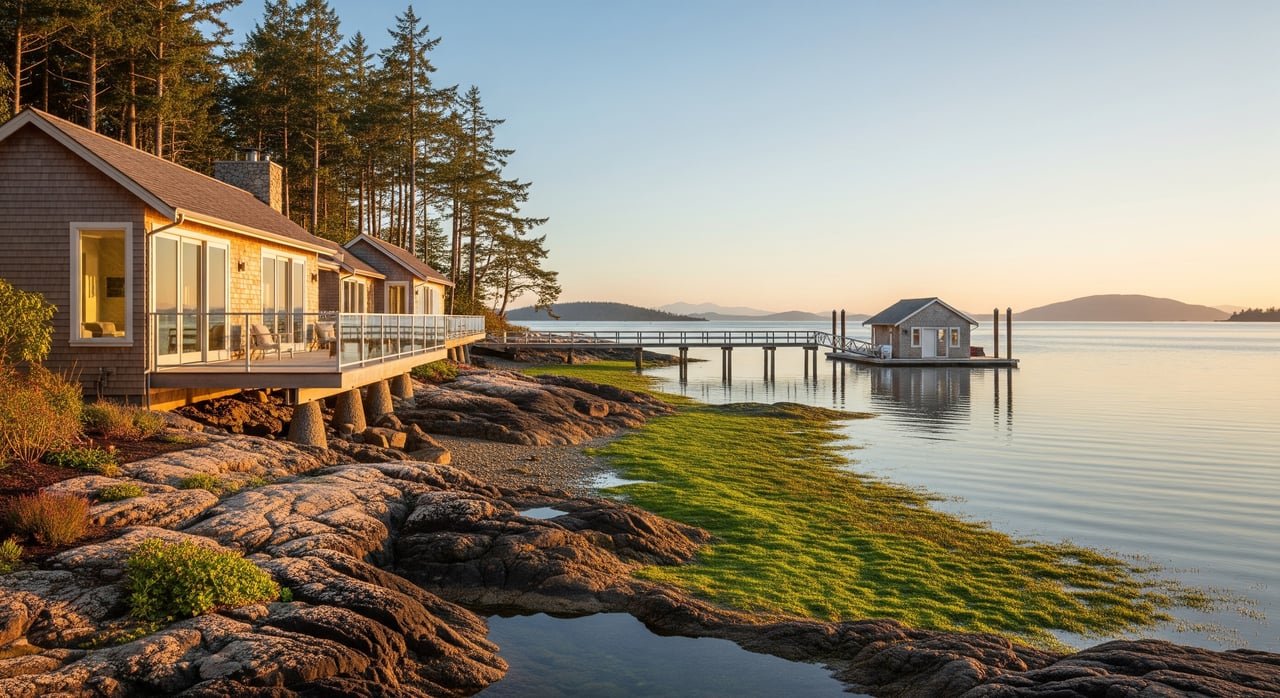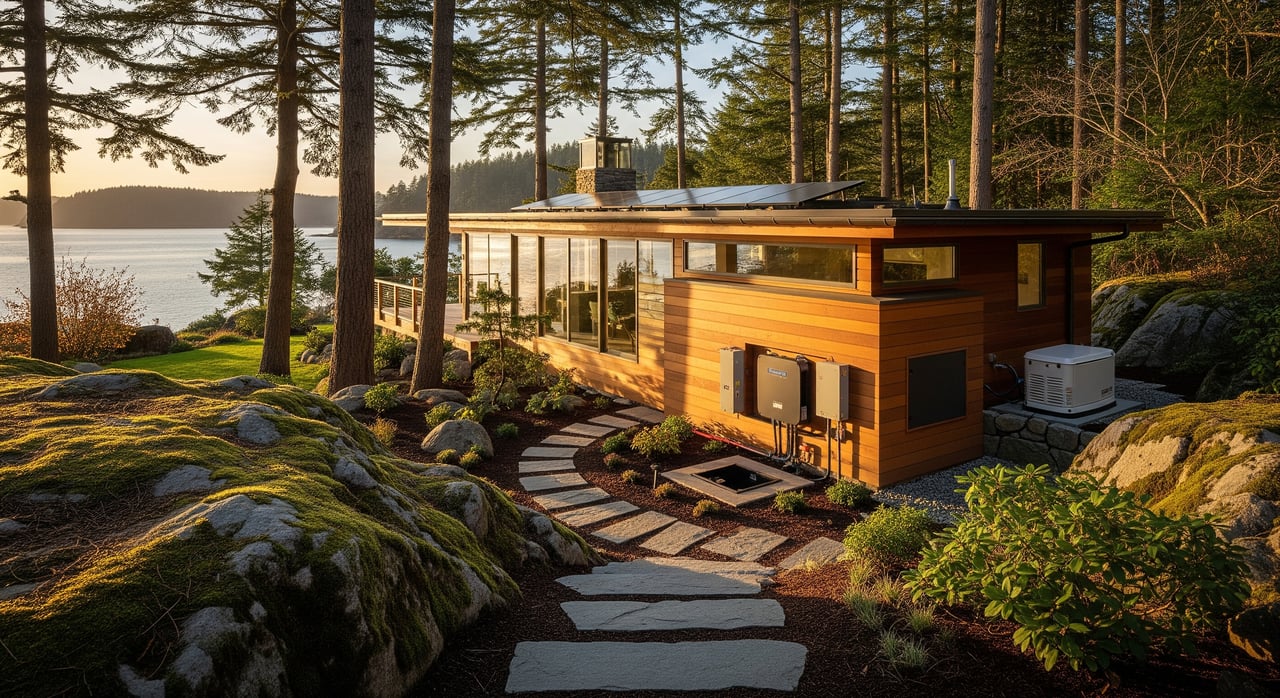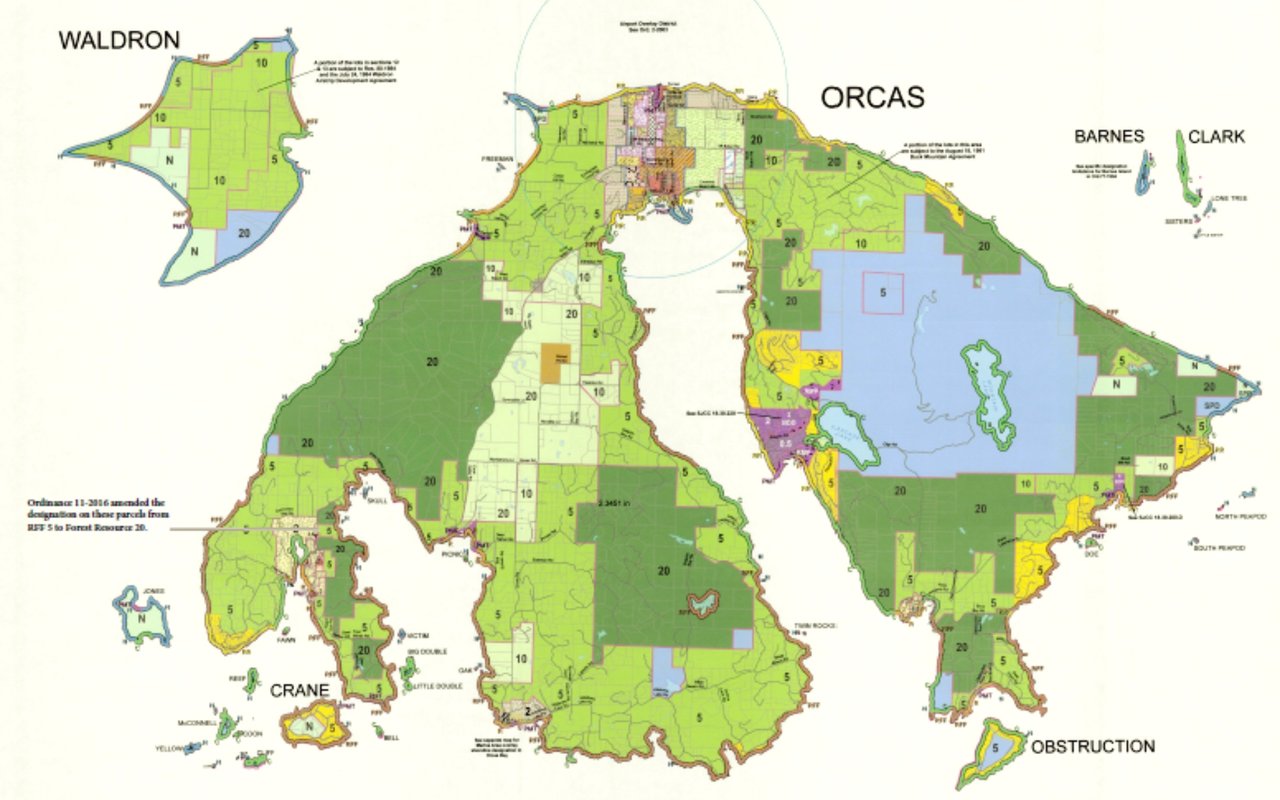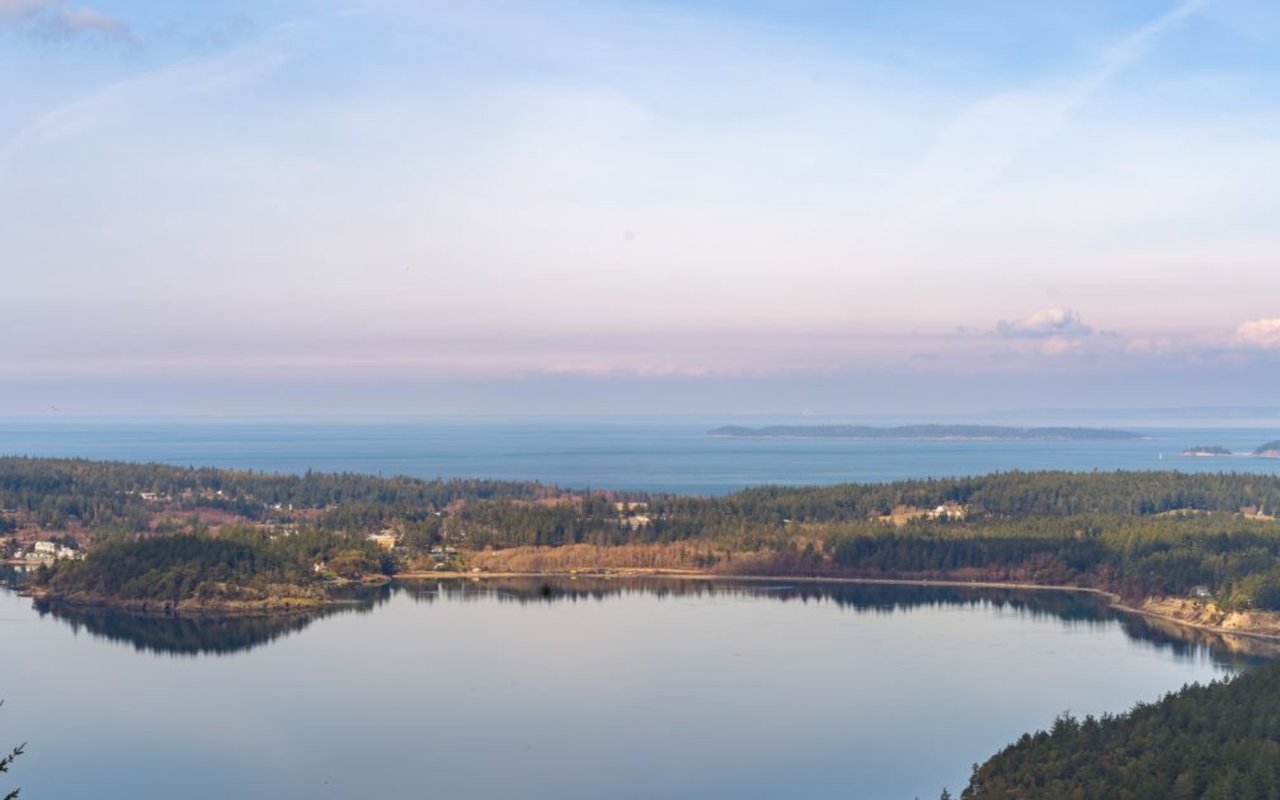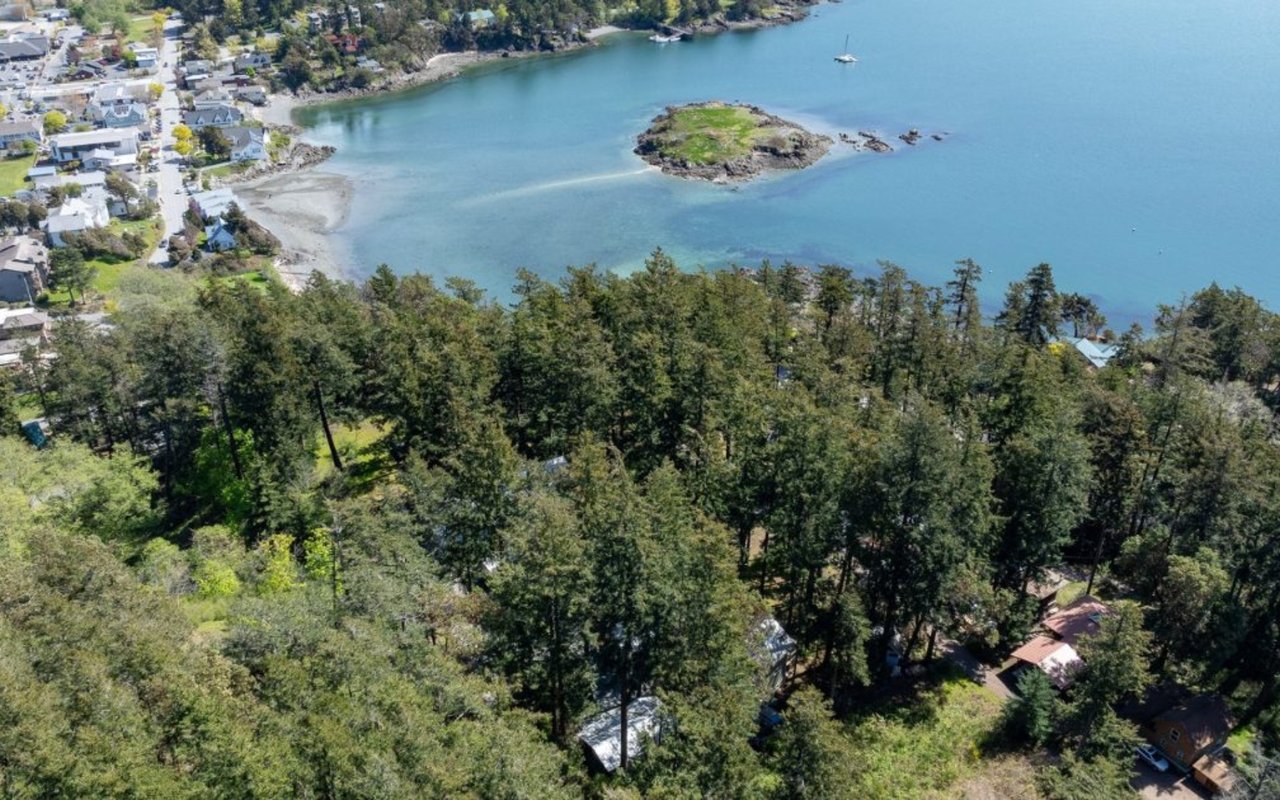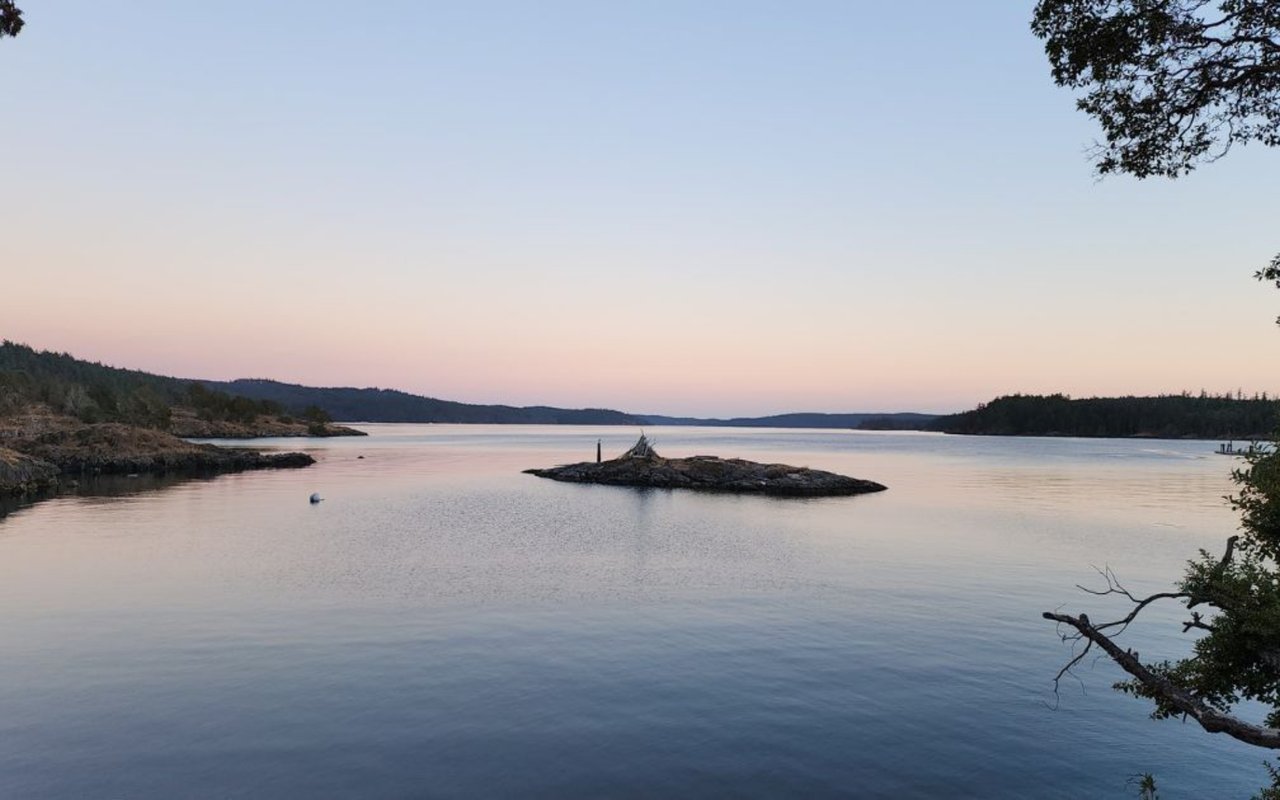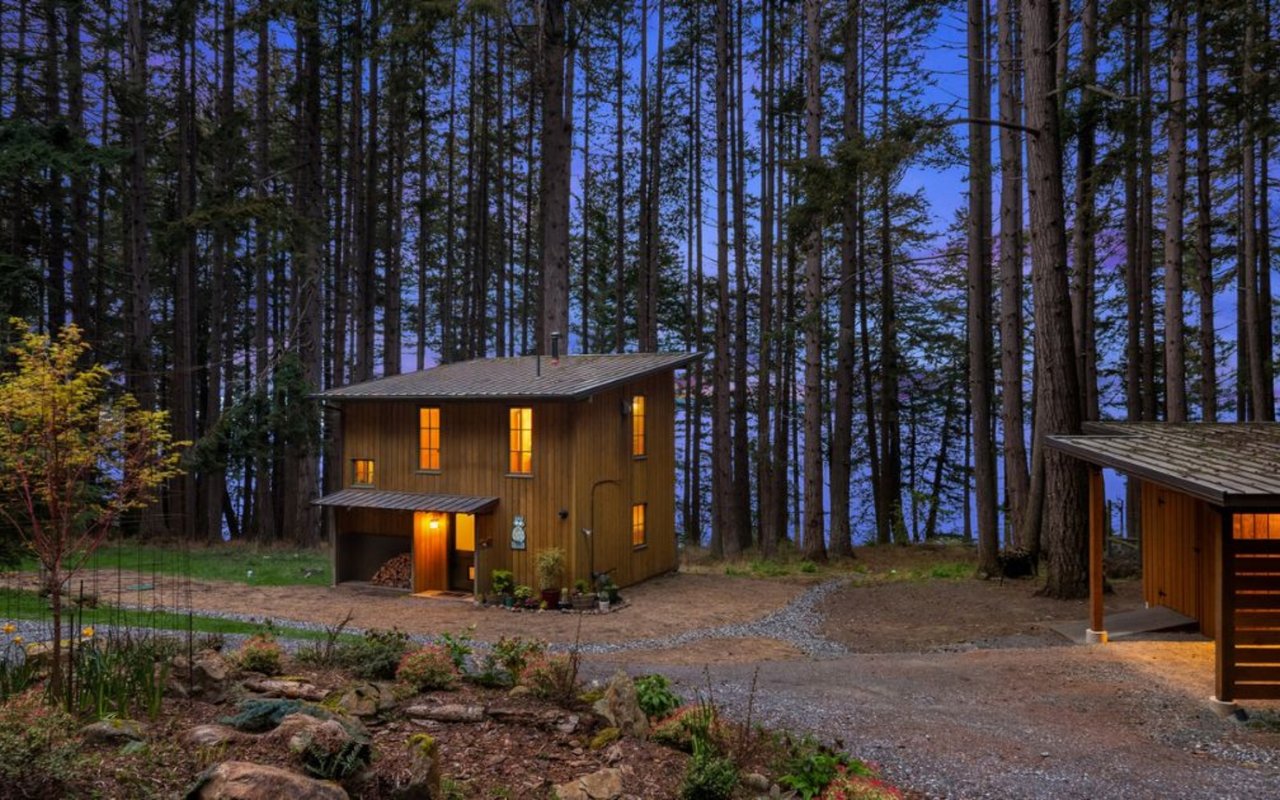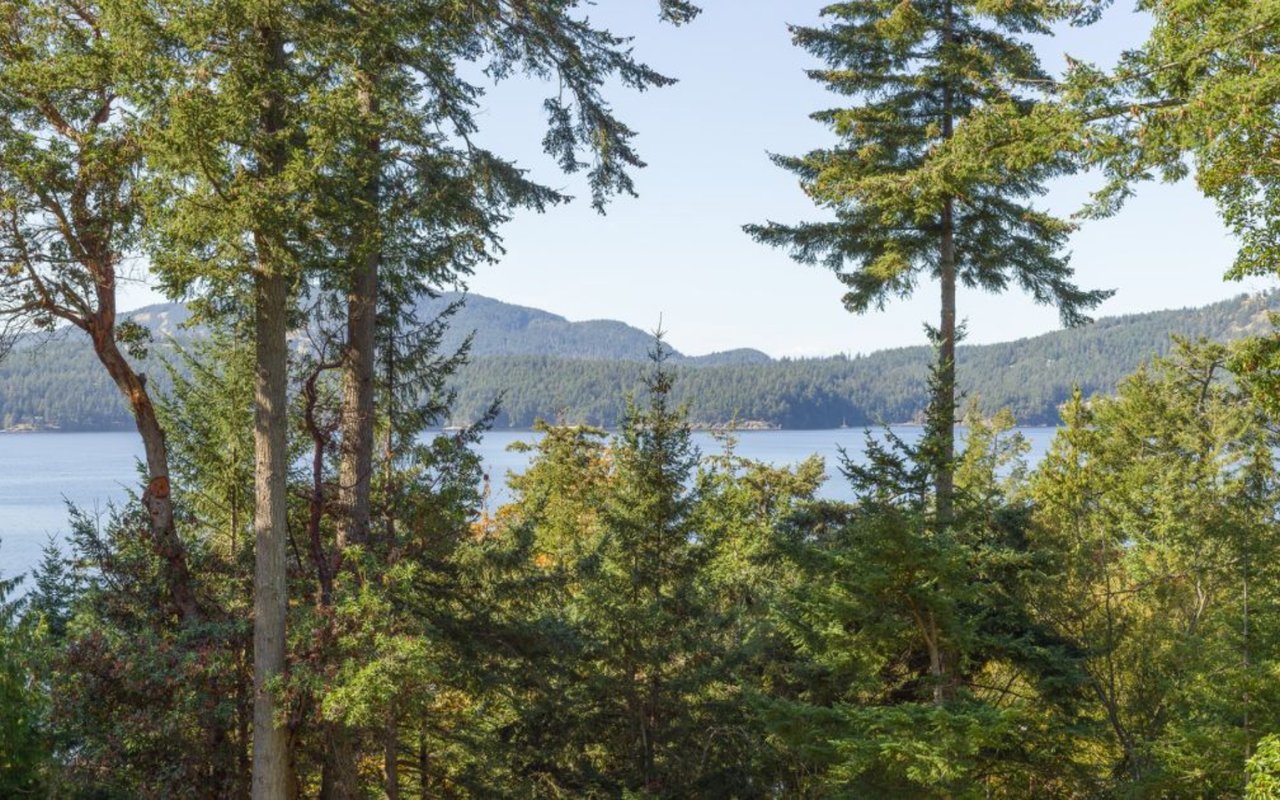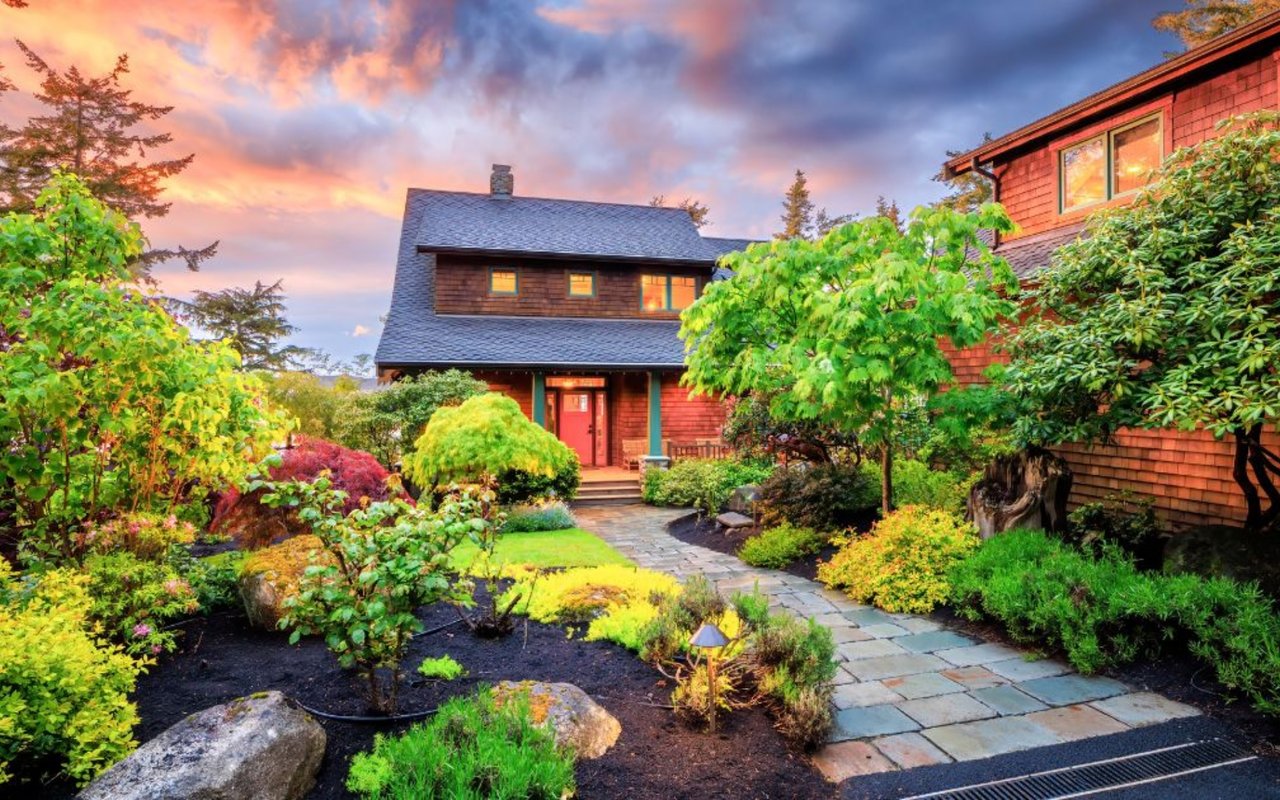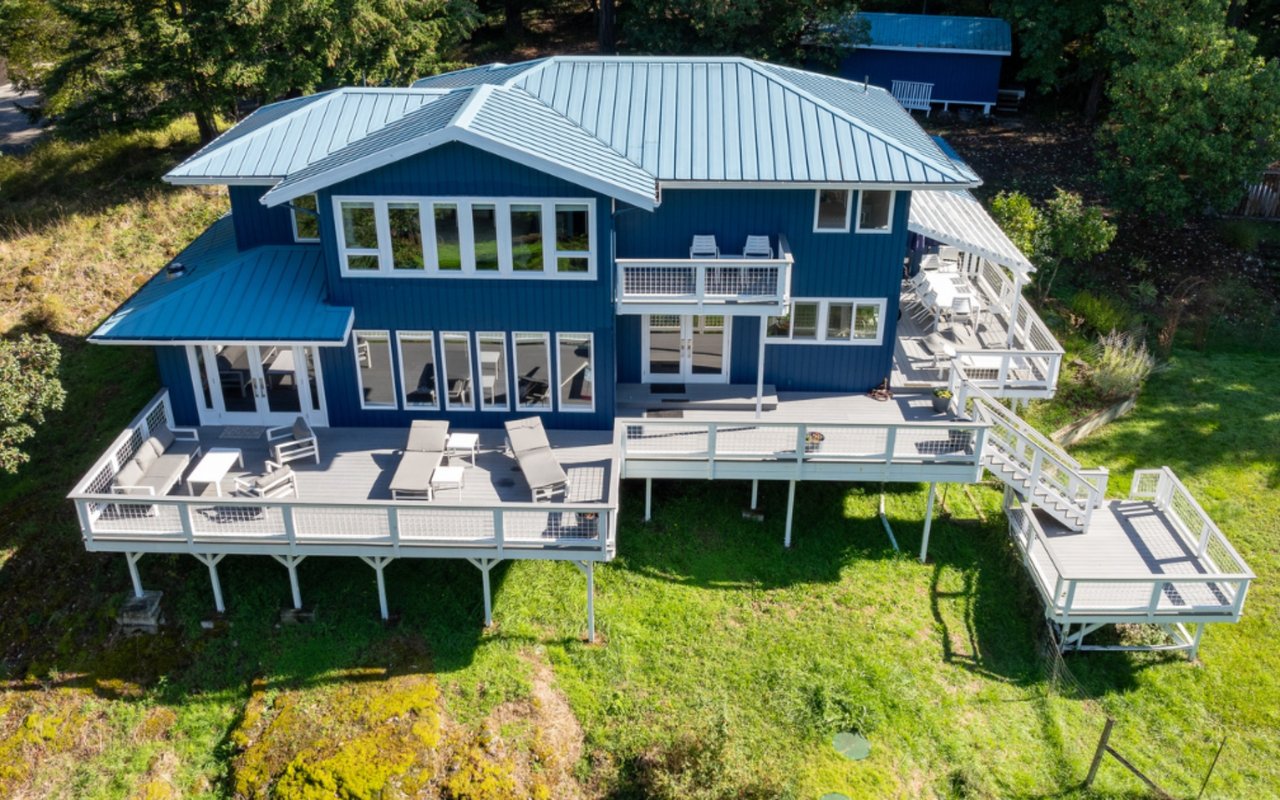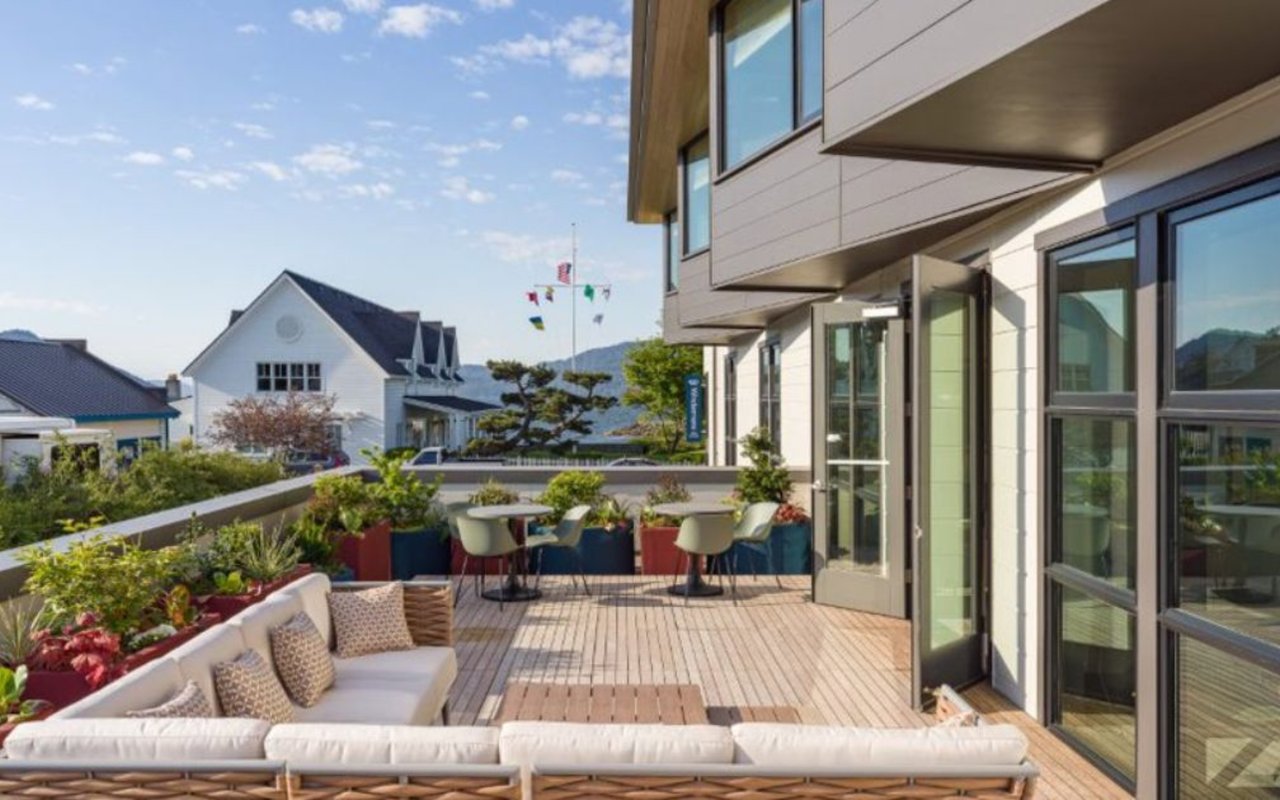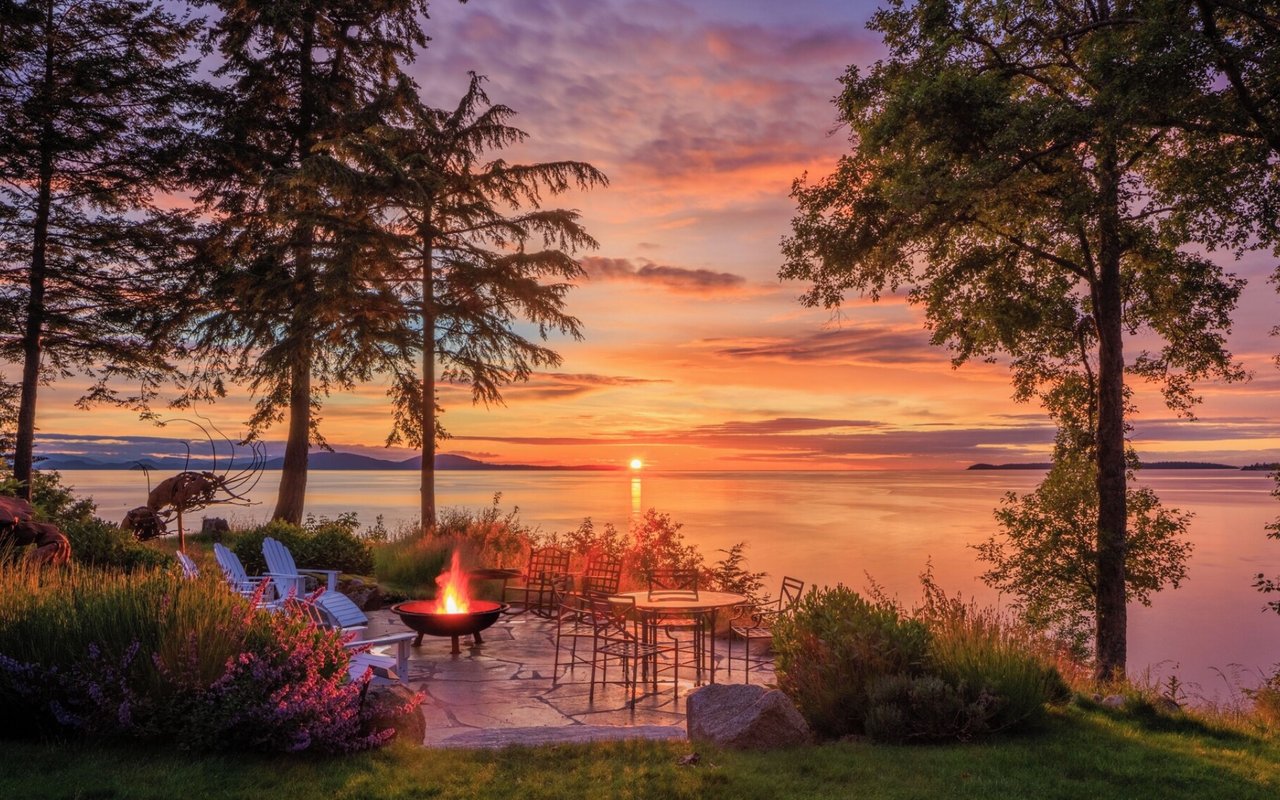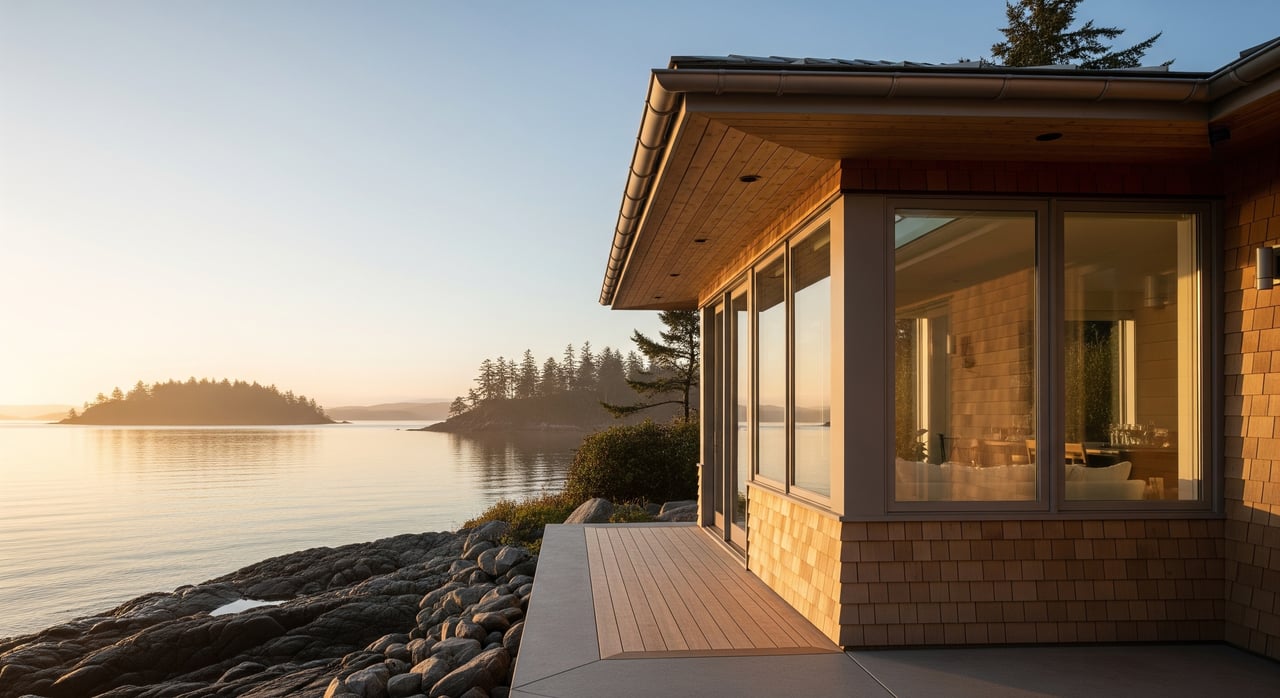
Salt air is part of what makes Olga magical, but it is tough on homes. If you live or plan to buy on the east side of Orcas Island, you already see how wind, spray, and constant moisture accelerate wear. The good news is you can choose materials and details that stand up to our marine climate and protect your investment. This guide shows you what works in Olga, how to maintain it, and which upgrades matter most for resale. Let’s dive in.
Why salt air matters in Olga
Olga sits in the Salish Sea’s cool, maritime zone where humidity stays high year‑round, rains are frequent, and onshore winds carry salt spray. Even sheltered coves collect chloride deposits on exposed surfaces. Treat any home with water views or onshore exposure as at least moderate to severe marine conditions.
Salt-laden air speeds corrosion of metals, breaks down paint binders and sealants faster, and encourages algae, moss, and lichen on shaded or damp areas. Expect more frequent upkeep than inland homes. For specs and standards, builders often consult regional climate data, local building guidance, and references like ASTM B117 for salt-spray testing and AWPA guidelines for treated-wood fasteners.
Siding and cladding that last
Fiber cement
Fiber‑cement lap or panel systems resist salt, rot, insects, and UV. They hold paint well and perform when detailed with a rainscreen cavity for drainage. Typical service life runs 25–50+ years with periodic repainting.
Metal panels
Aluminum and Galvalume panels can perform well when you choose high-quality finishes. Specify PVDF finishes for color retention and protect cut edges. Isolate dissimilar metals to reduce galvanic corrosion.
Western red cedar
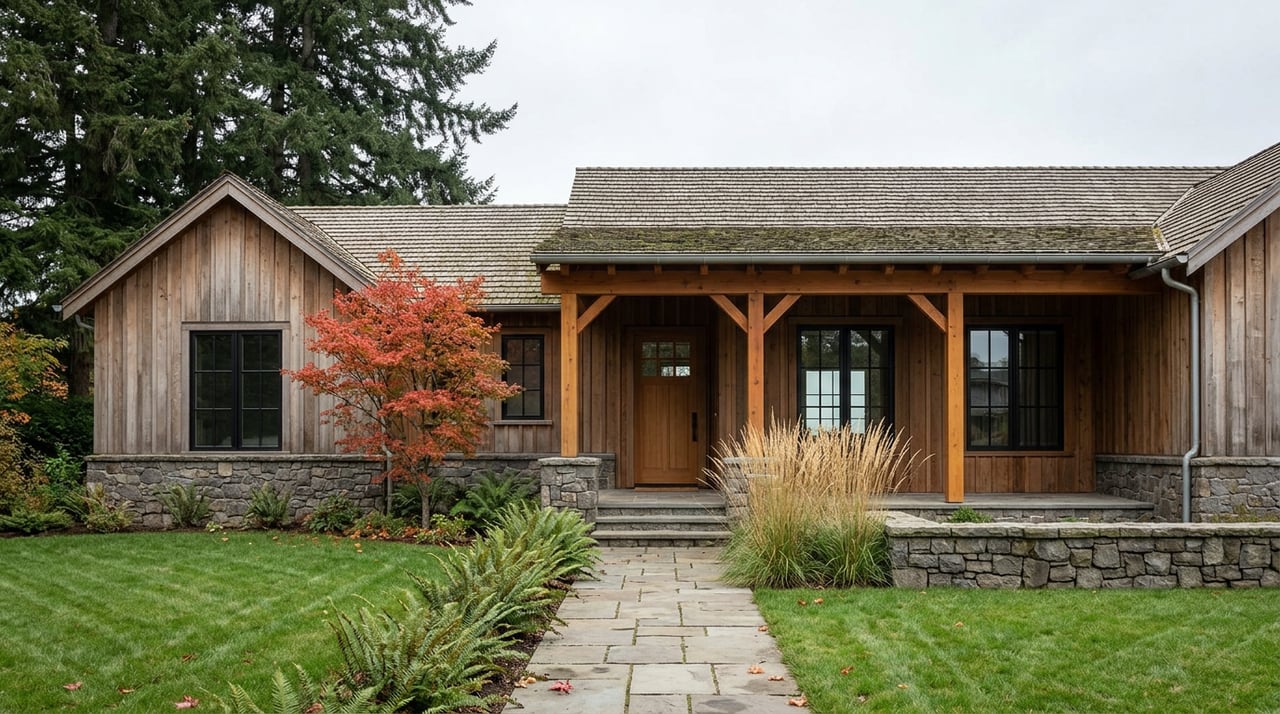
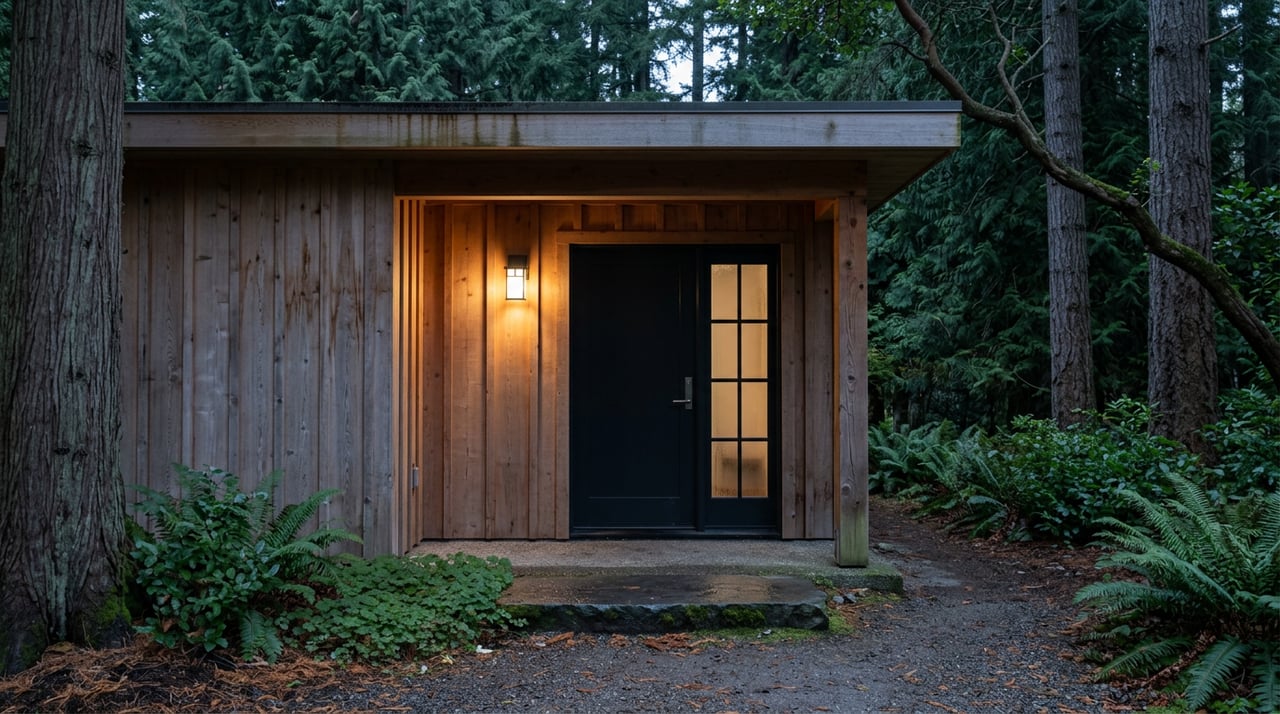
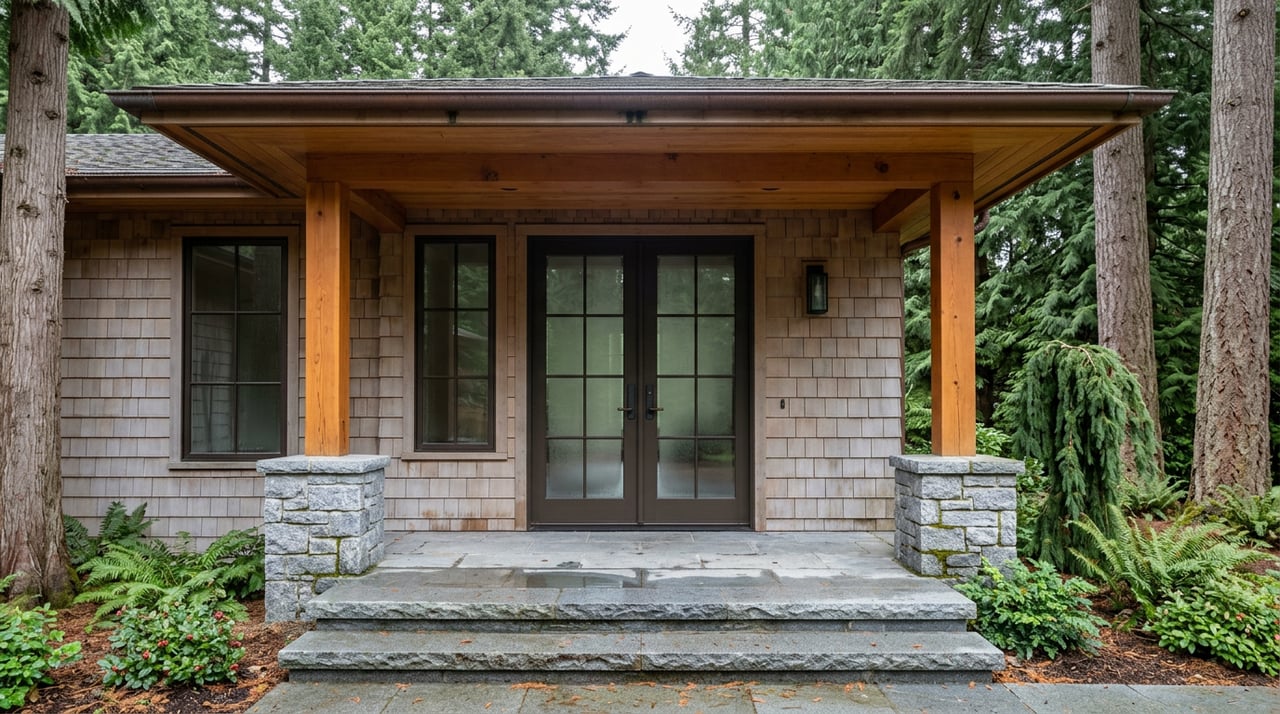
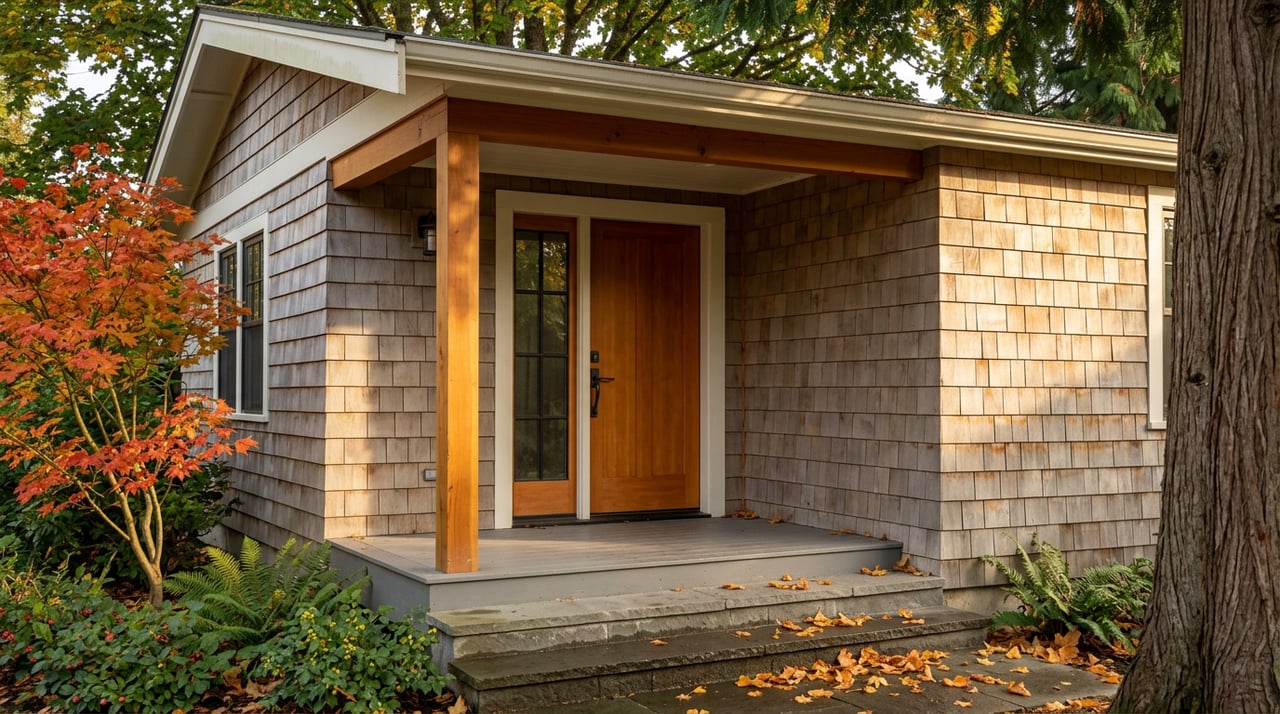
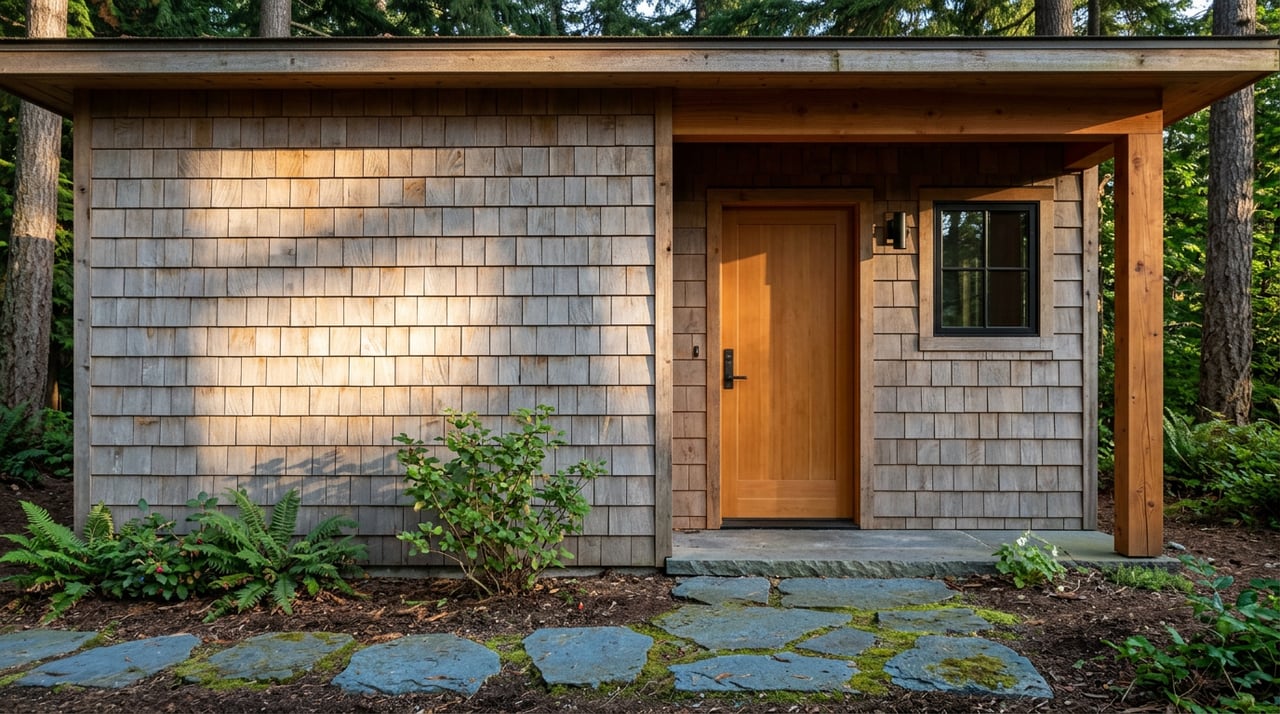
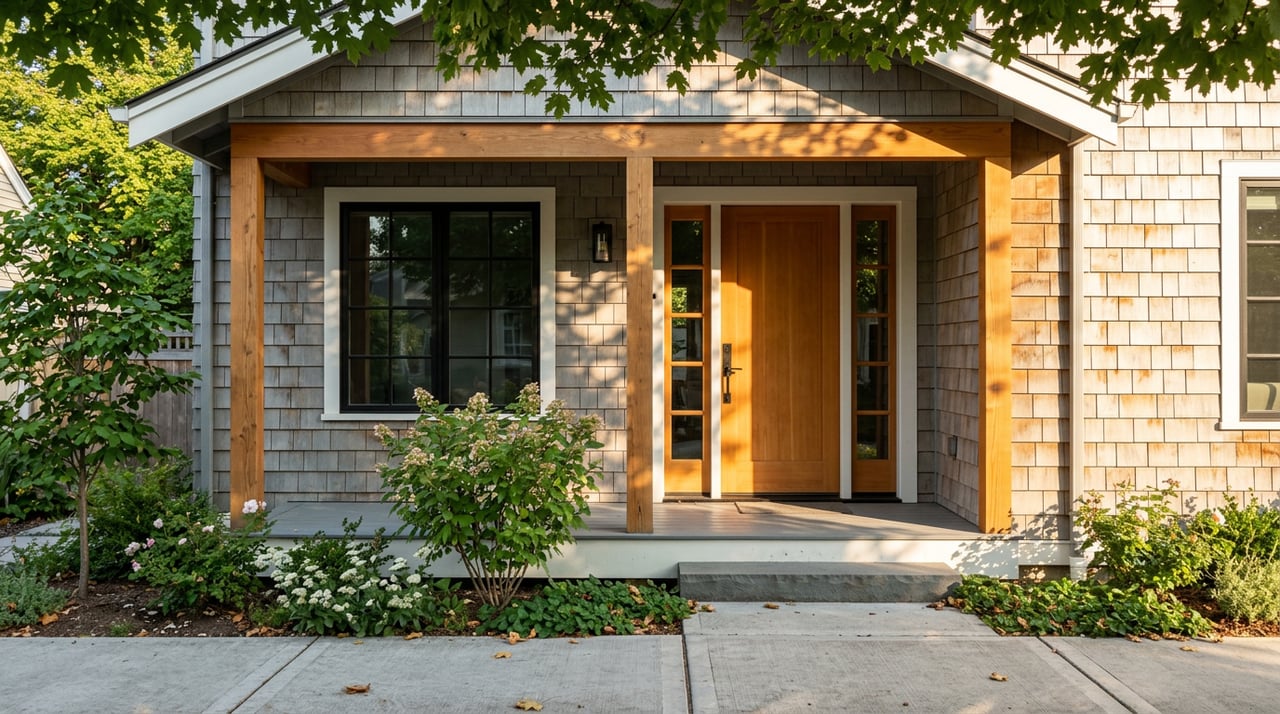
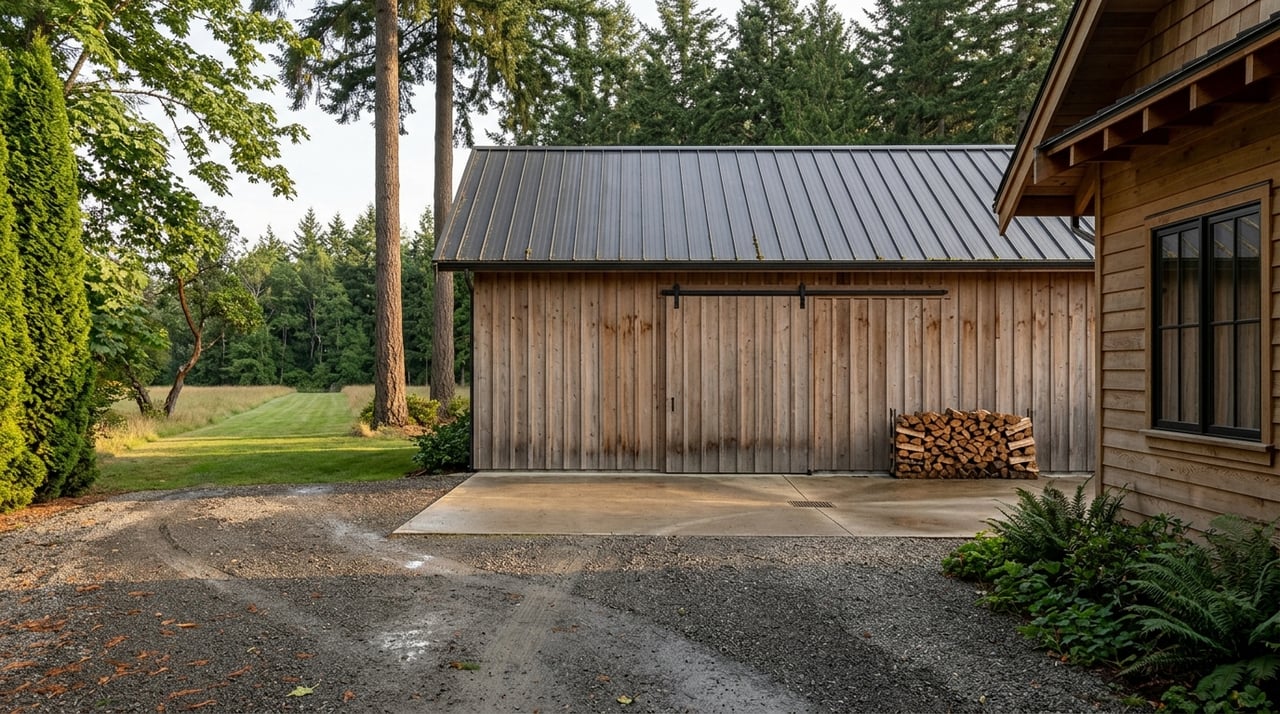
Cedar is a Pacific Northwest classic, but in salt spray it weathers quickly without diligent upkeep. If you love the look, use stainless fasteners, durable finishes, and ventilated rainscreen detailing. Lifespan varies widely, often 15–30 years depending on exposure and maintenance.
Engineered wood
Engineered products can work if the system is rated for marine exposure and is installed over a rainscreen. Plan on vigilant paint and trim maintenance.
Vinyl
Vinyl resists rot and corrosion, but can discolor or warp in sun and wind. Use higher‑grade products and make sure installation allows for movement.
Roofs, flashings, windows, and hardware
Roofing that endures
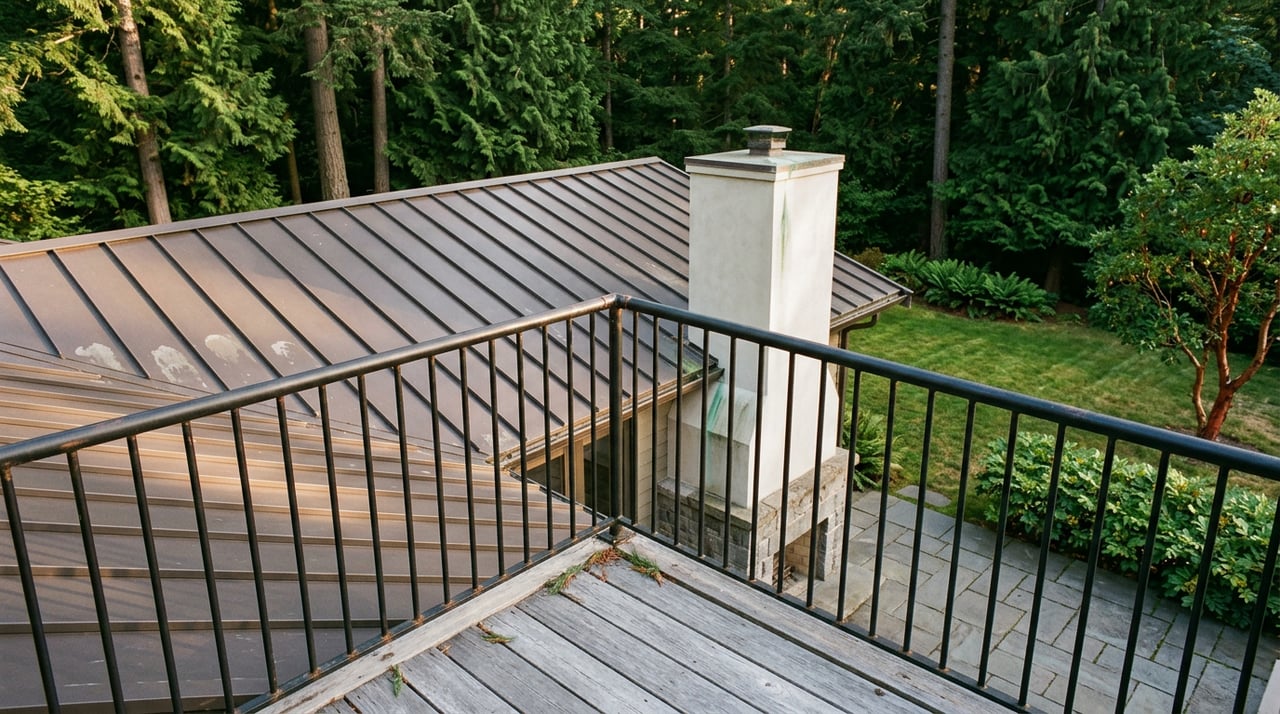
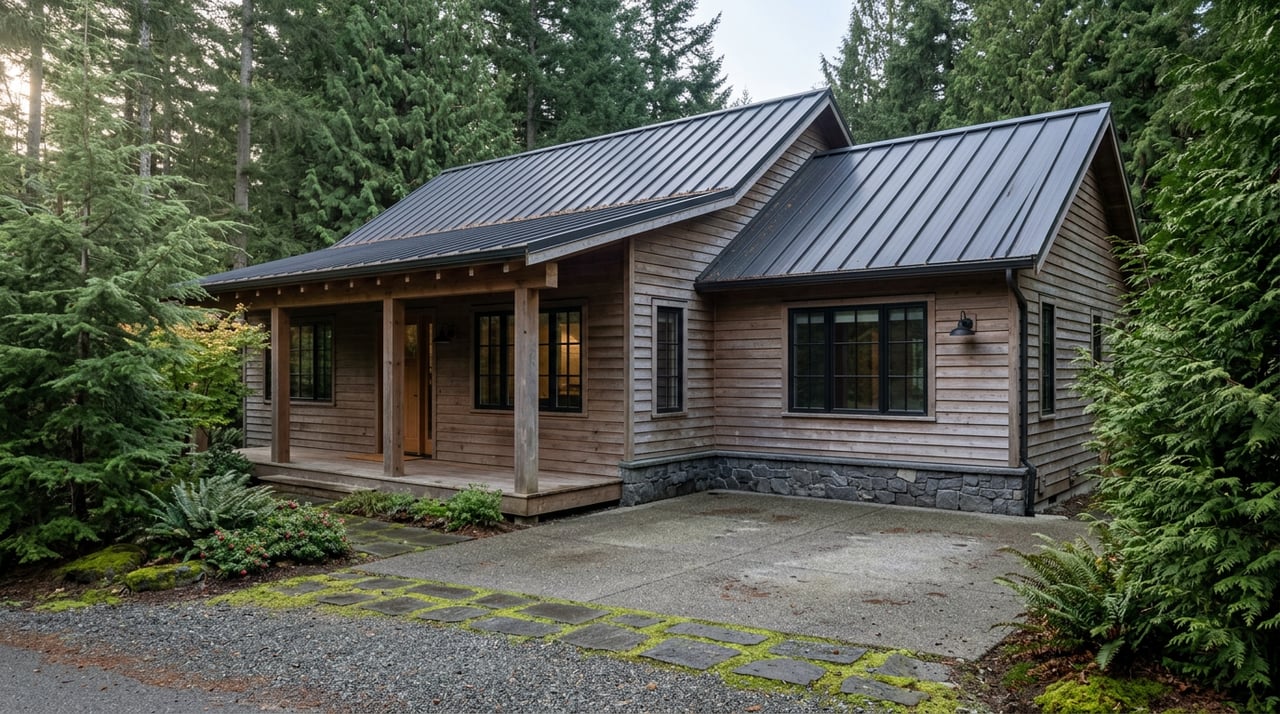
Standing‑seam metal with a Galvalume substrate and a high‑performance PVDF finish offers strong longevity when edges and penetrations are detailed correctly. Typical service life is 30–50+ years. Architectural asphalt shingles are common, but in wind‑exposed, salt‑sprayed locations, expect a shorter useful life.
Flashings and copings
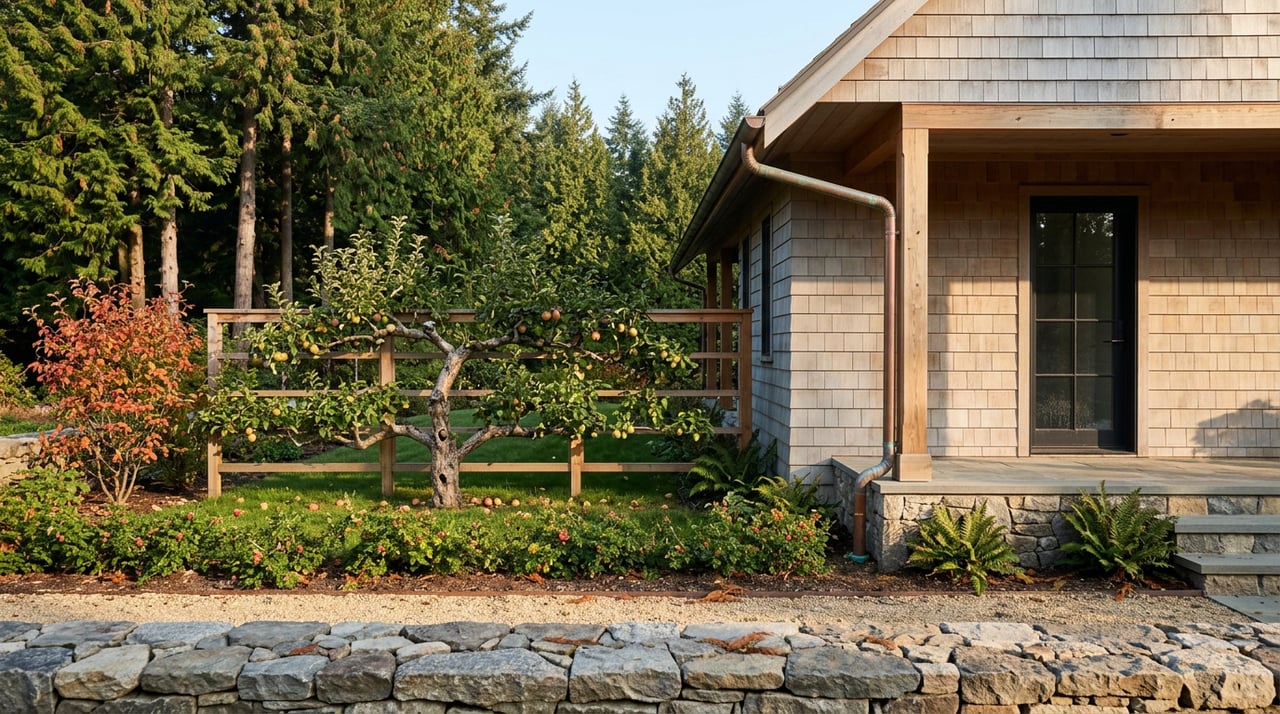
Choose 316 stainless steel, prefinished aluminum with Class I anodizing, or properly coated Galvalume. Avoid bare steel. Integrate kickout flashings and through‑wall flashings to move water away from walls.
Windows and doors
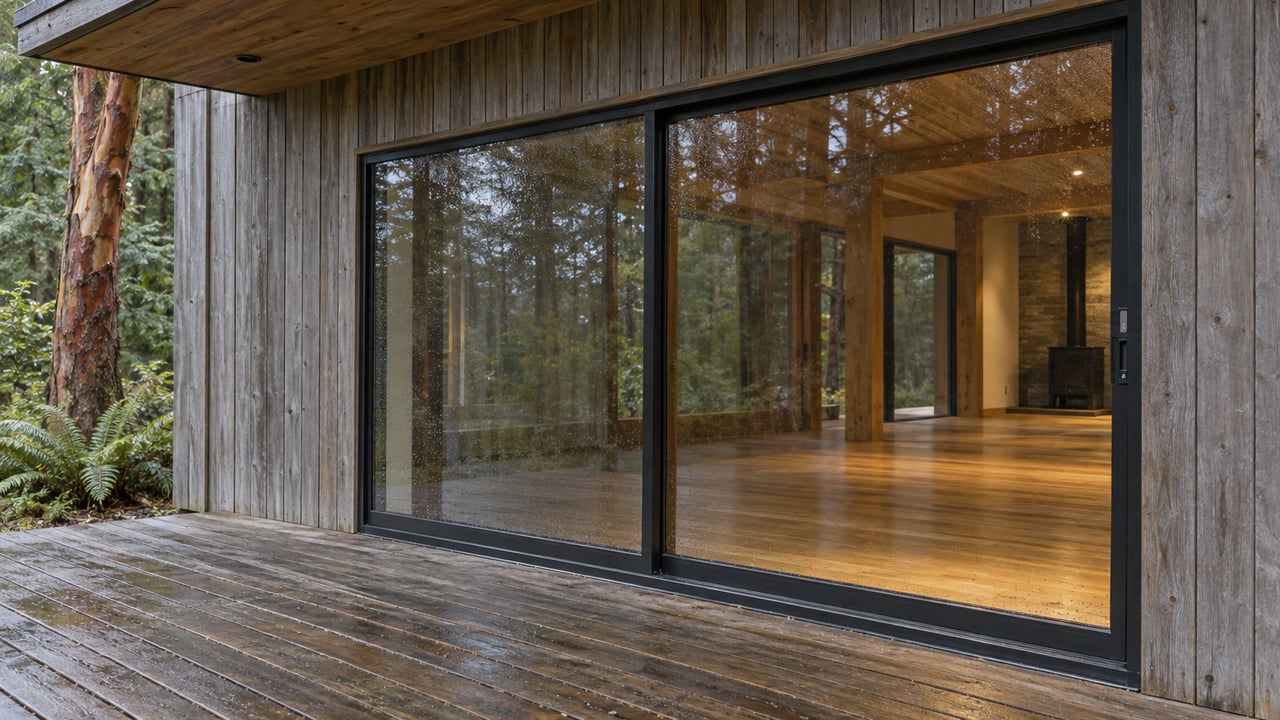
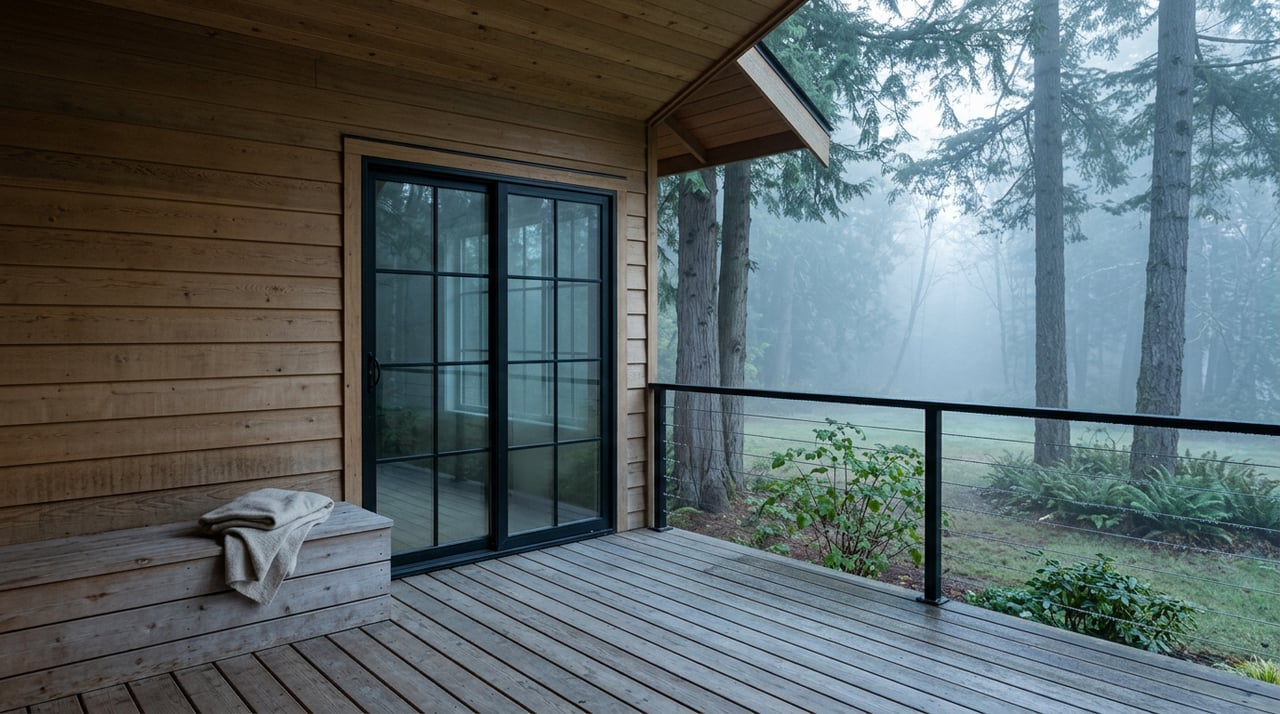
Fiberglass frames and anodized aluminum‑clad wood perform well in marine conditions. Avoid uncoated steel. Specify thresholds and sliders that prevent salt intrusion and allow easy rinsing.
Exterior hardware
Use marine‑grade 316 stainless steel or silicon bronze for hinges, latches, and fasteners. Powder‑coated pieces should be marine‑grade with baked enamel, but expect more frequent touchups than with solid stainless.
Decks, railings, and fasteners
Decking choices
- Capped composite and PVC boards, such as Trex and AZEK, resist rot and chloride corrosion. Look for products rated for wet, marine climates. Capped composites reduce staining and biological growth.
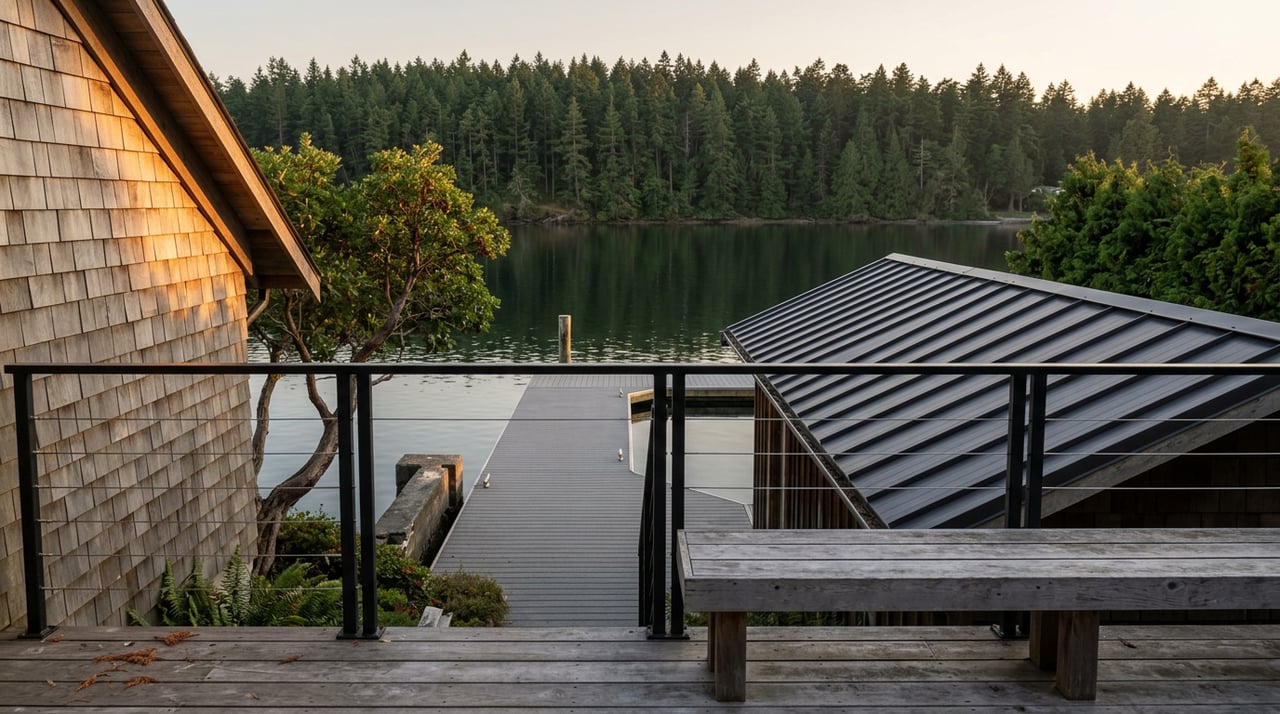
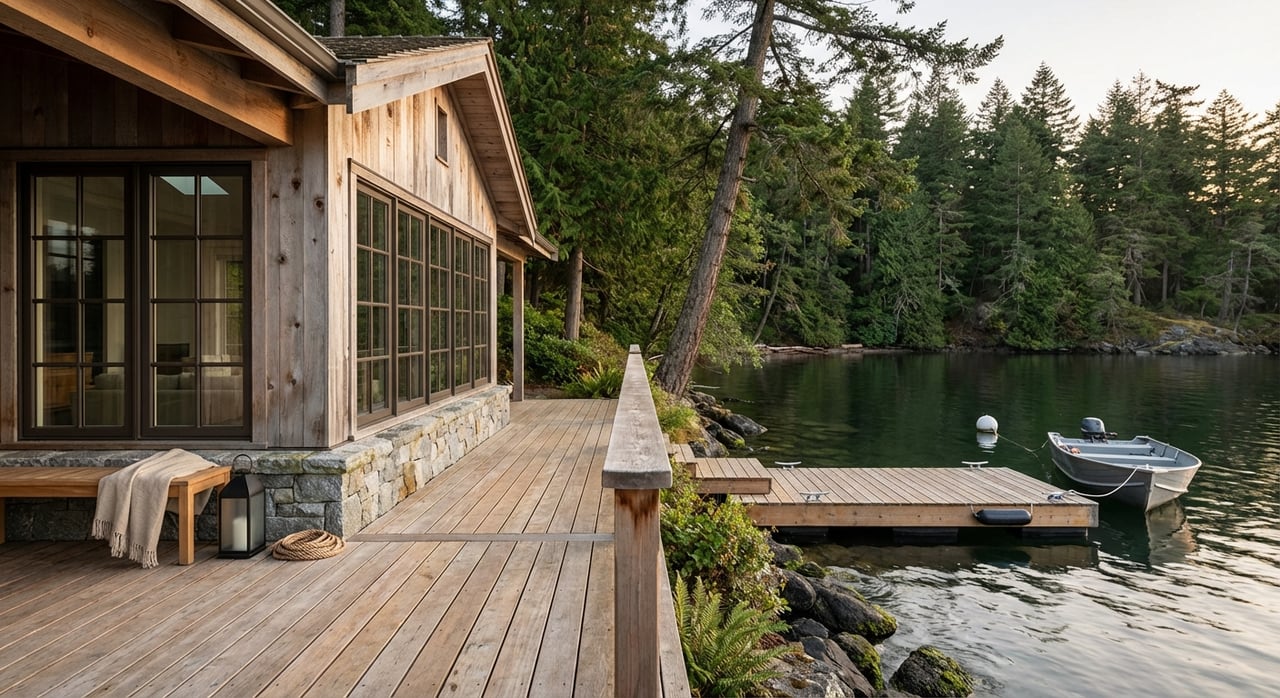
- Tropical hardwoods like Ipe or Cumaru are dense and durable. They need oiling to maintain color but remain structurally strong. Pre‑drill and use stainless or silicon bronze fasteners. Apply finishes to improve traction.
- Pressure‑treated lumber is acceptable for ground contact, but use fasteners rated for treated wood and marine exposure.
Railings that resist corrosion
Stainless cable rail systems should use 316 grade hardware, with periodic tension checks. Powder‑coated aluminum rails can perform well if the coating quality is high and touchups are maintained.
Fasteners and connectors
- Prefer 316 stainless in marine exposure due to superior pitting resistance. 304 often pits in waterfront conditions.
- Heavy hot‑dip galvanized fasteners can be acceptable away from direct spray, but 316 stainless is the safer choice near salt and treated wood.
- For exposed structural connectors, choose 316 stainless. For hidden connectors where cost is a concern, a duplex system of hot‑dip galvanizing plus paint can be effective.
Detailing that protects your investment
Rainscreens and drainage
A ventilated rainscreen cavity behind cladding is essential on Orcas. It allows water to drain and walls to dry, reducing hidden moisture and corrosion. Combine with well‑integrated window and door flashings to prevent trapped water.
Control galvanic corrosion
Avoid direct contact between dissimilar metals in salty, wet conditions. If you must pair them, select metals close in the galvanic series and isolate them with gaskets, sealants, or coatings. Protect the less noble metal when necessary.
Treated wood and fasteners
Modern preservatives contain copper that can accelerate fastener corrosion. Follow AWPA and manufacturer guidance and specify 316 stainless or hot‑dip galvanized fasteners that are explicitly rated for treated lumber.
Design out trapped pockets
Minimize horizontal ledges, recessed niches, and any detail that catches water and salt crystals. Smooth paths for drainage and ventilation add years of life to exterior assemblies.
Maintenance schedules for island homes
Routine inspections
- Annually: check roof and wall flashings, gutters, deck fasteners, paint, and hardware operation.
- Seasonally, after winter/spring and again in late fall: rinse exposed surfaces with fresh water using low pressure. Clear gutters and scuppers. Look for algae or moss and clean with approved treatments.
- Every 3–5 years: inspect and renew sealants, touch up painted metal edges, and recoat as needed.
- Decks and timbers: oil tropical hardwoods annually to maintain color. Reseal or repaint cedar and pressure‑treated components every 2–5 years depending on exposure.
Typical lifespan ranges
- Fiber‑cement siding: 25–50+ years with periodic repainting.
- Galvalume metal roofs with PVDF finish: 30–50+ years.
- Capped composite decking: 20–30+ years, depending on product.
- Ipe decking: 25–40+ years with regular oiling.
- Cedar siding and decking: 10–30 years depending on exposure and upkeep.
Smart upgrade planning for buyers and sellers
Prioritize water‑facing facades
Treat shoreline and onshore‑facing elevations as high exposure. Budget for marine‑grade fasteners, 316 stainless hardware, superior coatings, and robust flashing details. These choices reduce emergency repairs and add confidence for future buyers.
Pre‑listing checklist buyers ask about
- Documentation of material types and fastener specs, especially confirmation of 316 stainless in exposed locations.
- Records of recent repainting or major exterior work, including warranties.
- Deck ledger and flashing details, plus roof flashing condition. Photos of pre‑cover work help inspections.
- Window and door condition, including sill and head flashings.
- Notes on recurring corrosion or staining, with remediation steps.
Contractor and specification tips
Hire contractors with coastal experience and ask for marine project references. Require written material and finish specs, including stainless grade, coating system, and fastener types. For structural or penetrative work, request photos before surfaces are closed to document correct flashings and fasteners.
Permitting and environmental notes
Before exterior changes, check San Juan County and Washington State shoreline and land‑use rules. Shoreline buffers and critical areas can affect scope and timing. Use only cleaners and biocides approved for local conditions.
Insurance and valuation
Durable, low‑maintenance exteriors can lower long‑term upkeep and enhance buyer appeal. Keep maintenance logs and product documentation for appraisers and insurers to recognize your home’s resilience features.
Budget‑friendly retrofit priorities
- High impact: replace corroded fasteners with 316 stainless. Repair or add rainscreen and drainage planes. Upgrade deck ledger flashing and wall integration.
- Medium impact: switch exposed trim nails and hardware to stainless or silicon bronze. Replace recurring‑rot trim with fiber‑cement or PVC. Repaint highly exposed facades with higher‑performance systems.
- Value‑adding: replace aging decking with capped composite or tropical hardwood. Upgrade windows and doors to marine‑rated finishes with stainless fasteners.
What this means for Olga buyers and sellers
When you choose materials and details tuned for salt air, you protect curb appeal, reduce downtime, and demonstrate smart stewardship. That translates into smoother inspections and stronger buyer confidence on Orcas Island. If you are preparing to list or planning a purchase and renovation, prioritize marine‑grade hardware, rainscreen details, and documented maintenance.
Ready to plan upgrades that fit Olga’s climate and your goals? Let our local team help you weigh options that improve durability and resale value. Reach out to the island experts at True North Realty Orcas Island, Inc. to get started.
FAQs
What makes Olga a severe marine environment for homes?
- The east side of Orcas Island sees high humidity, frequent rain, and salt‑spray winds that deposit chlorides on surfaces, accelerating corrosion and finish breakdown.
Which siding lasts longest in Olga’s salt air?
- Fiber‑cement performs consistently well with a rainscreen and regular repainting, with a typical service life of 25–50+ years.
Why is 316 stainless better than 304 near salt water?
- 316’s molybdenum content improves pitting resistance in chloride environments, while 304 often pits in waterfront exposure.
Are composite or PVC decks good for Orcas Island?
- Yes. Capped composite and PVC boards resist rot and chloride corrosion. Choose products rated for wet, marine climates and follow manufacturer installation.
How often should I rinse exterior surfaces in Olga?
- Plan seasonal fresh‑water rinses after winter/spring and again in late fall to remove salt deposits, plus spot rinsing after wind‑driven spray events.
What fasteners should I use with treated wood by the water?
- Use 316 stainless or heavy hot‑dip galvanized fasteners rated for treated lumber to resist corrosion accelerated by copper preservatives and salt.
Do shoreline upgrades require special permits in San Juan County?
- Many exterior changes near the shoreline are subject to county and state rules. Confirm scope, buffers, and timelines with local planning before you start.