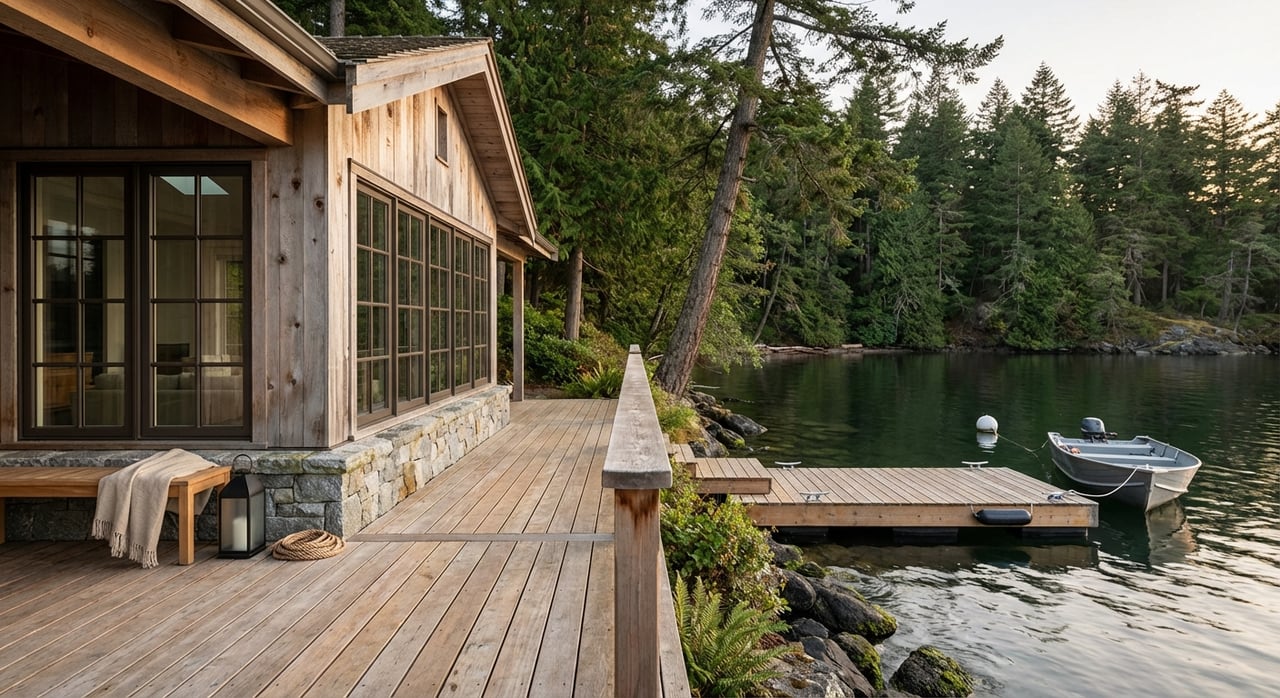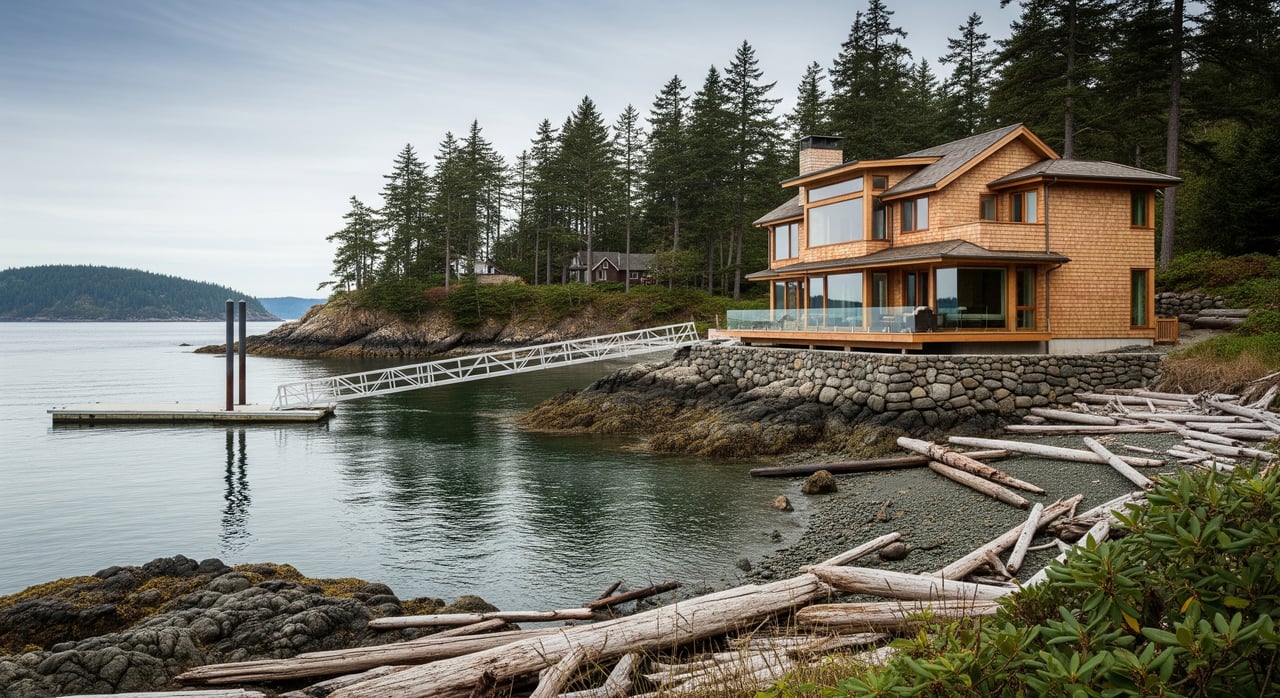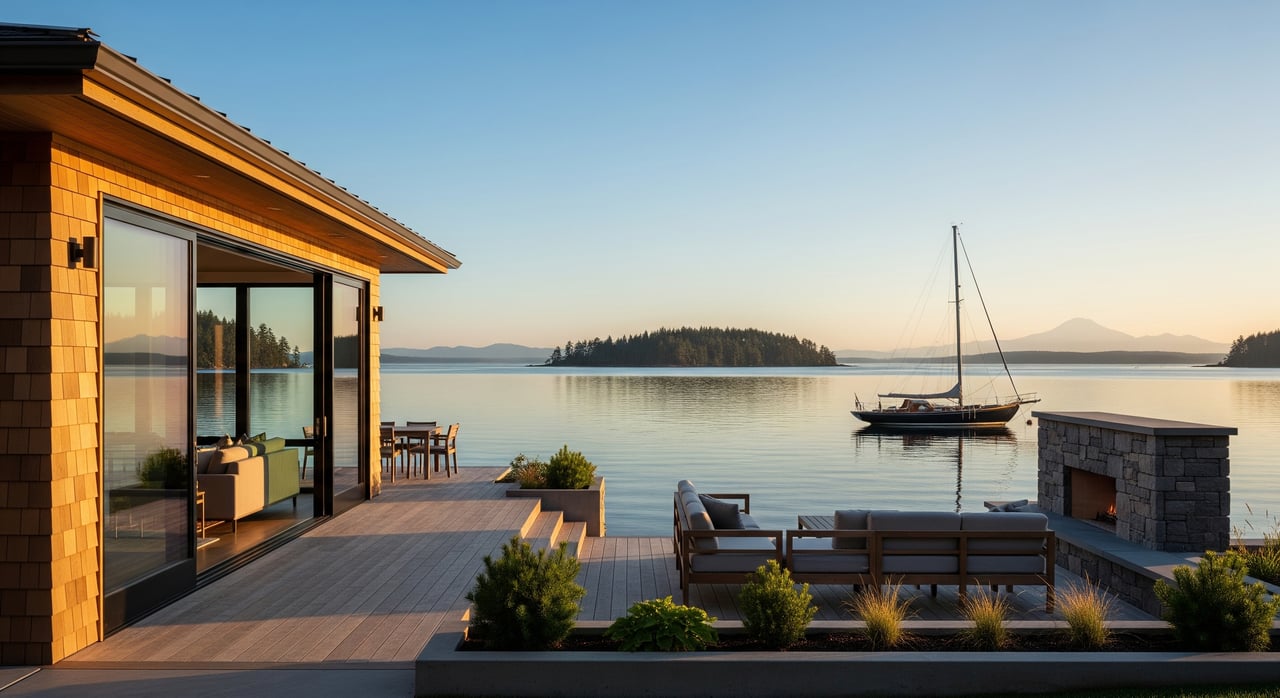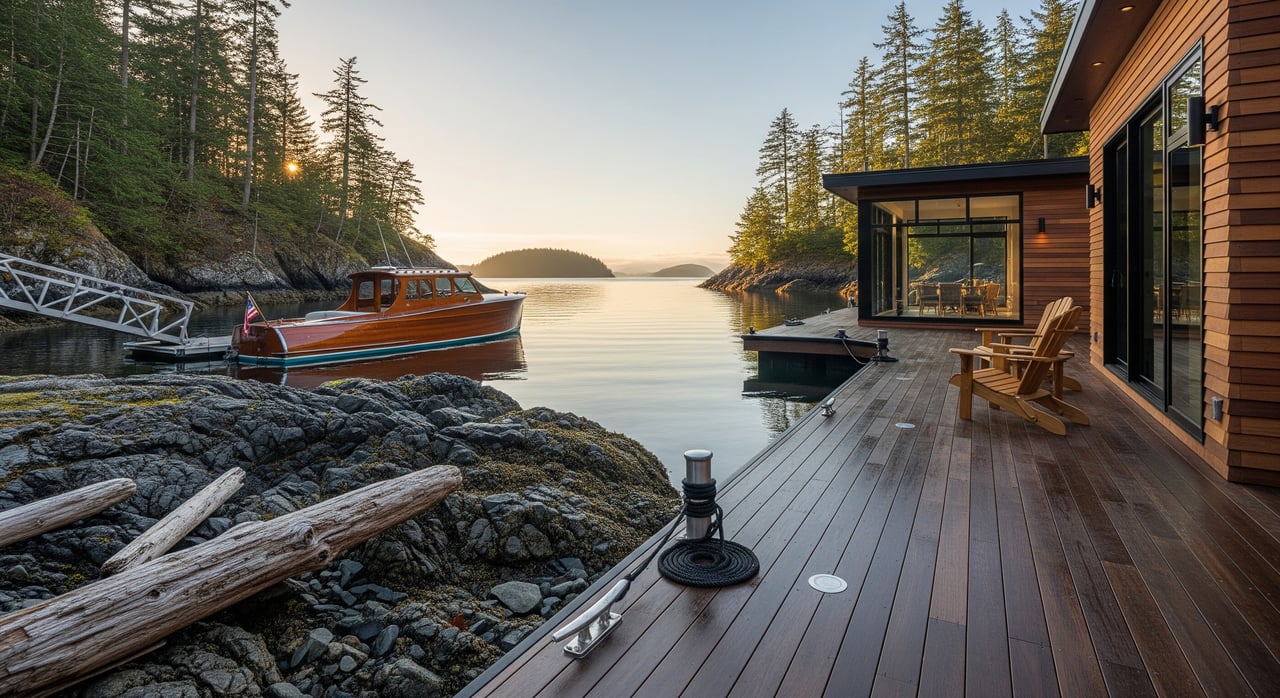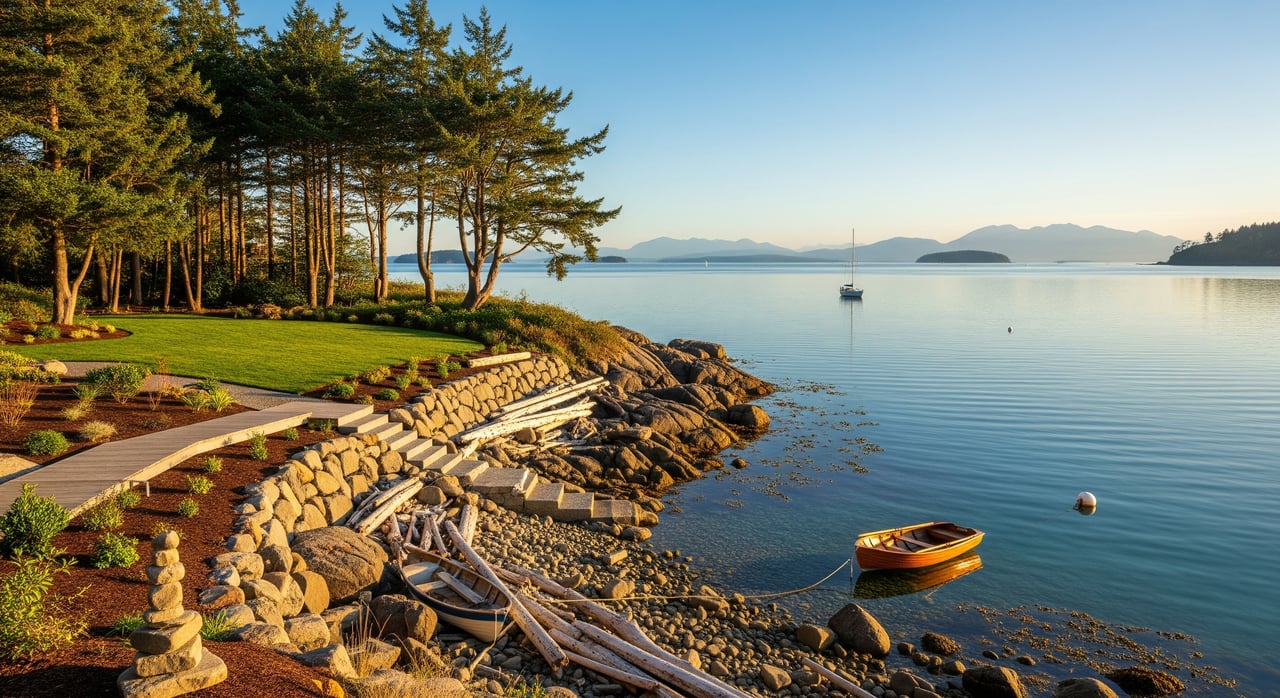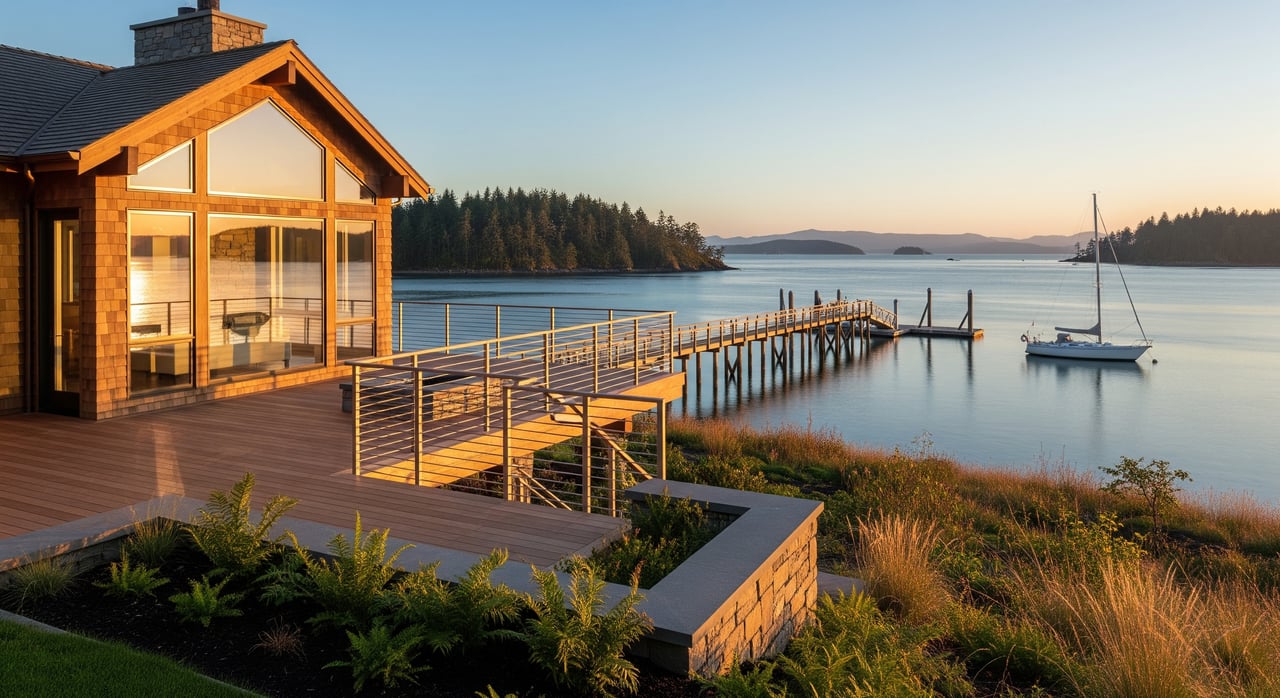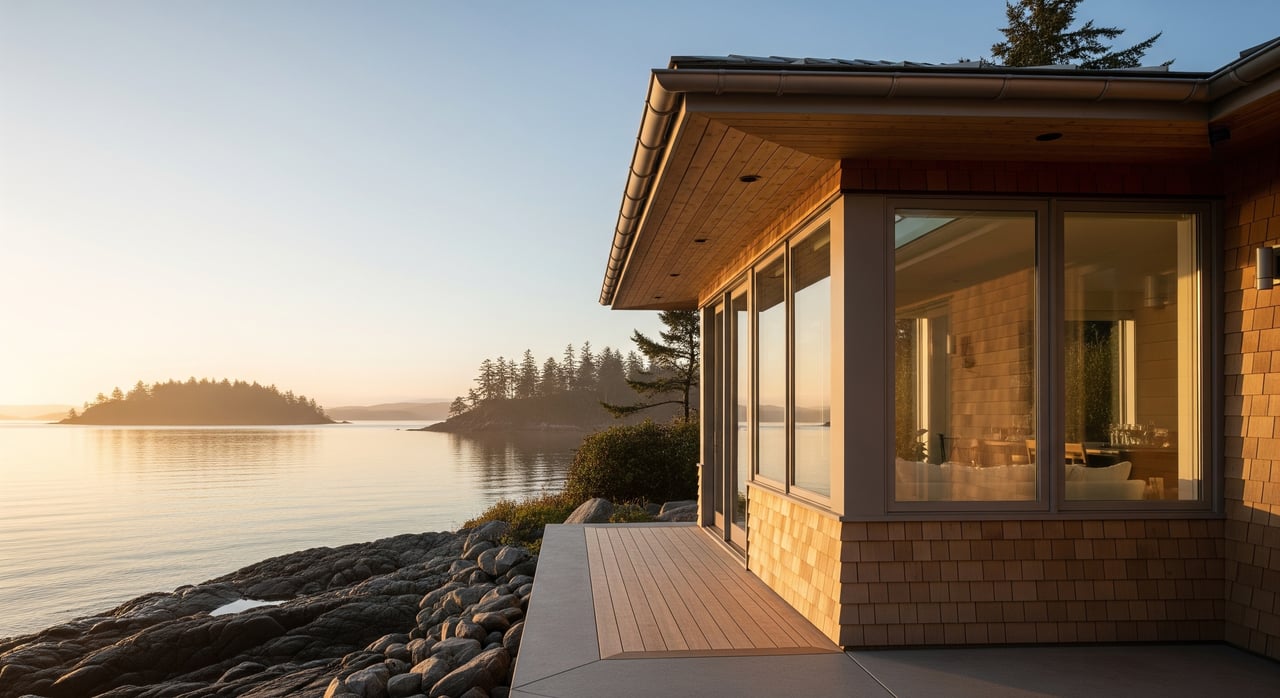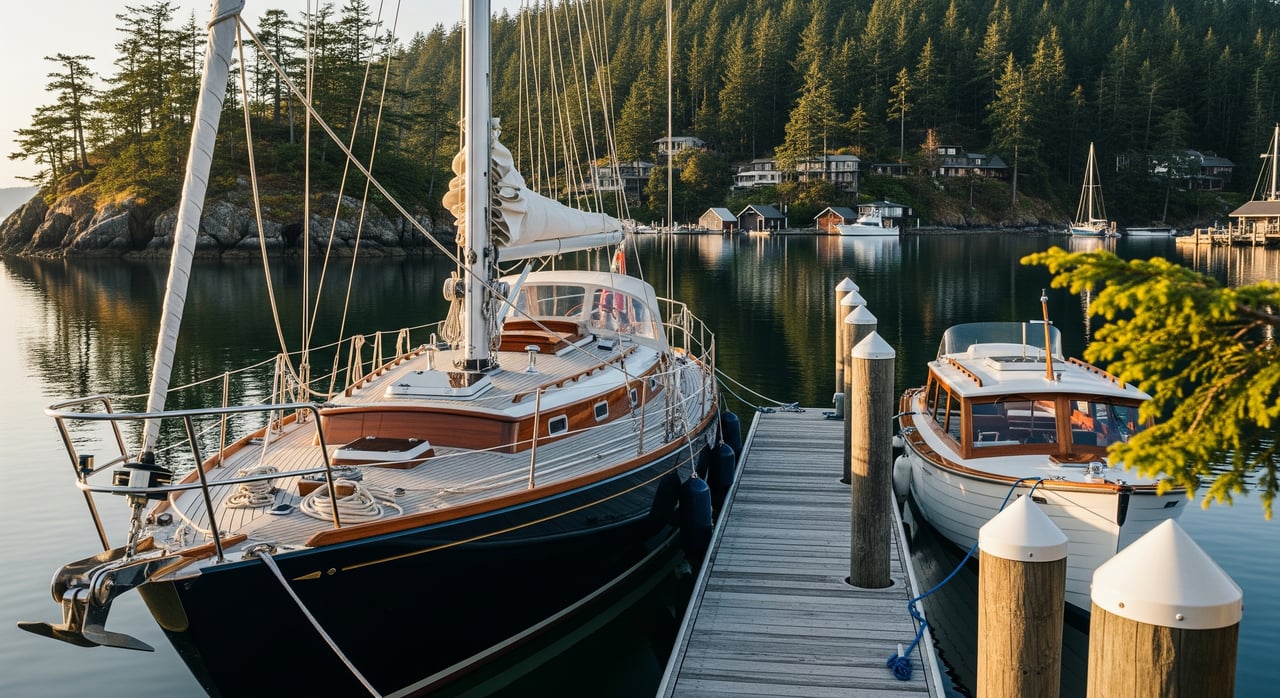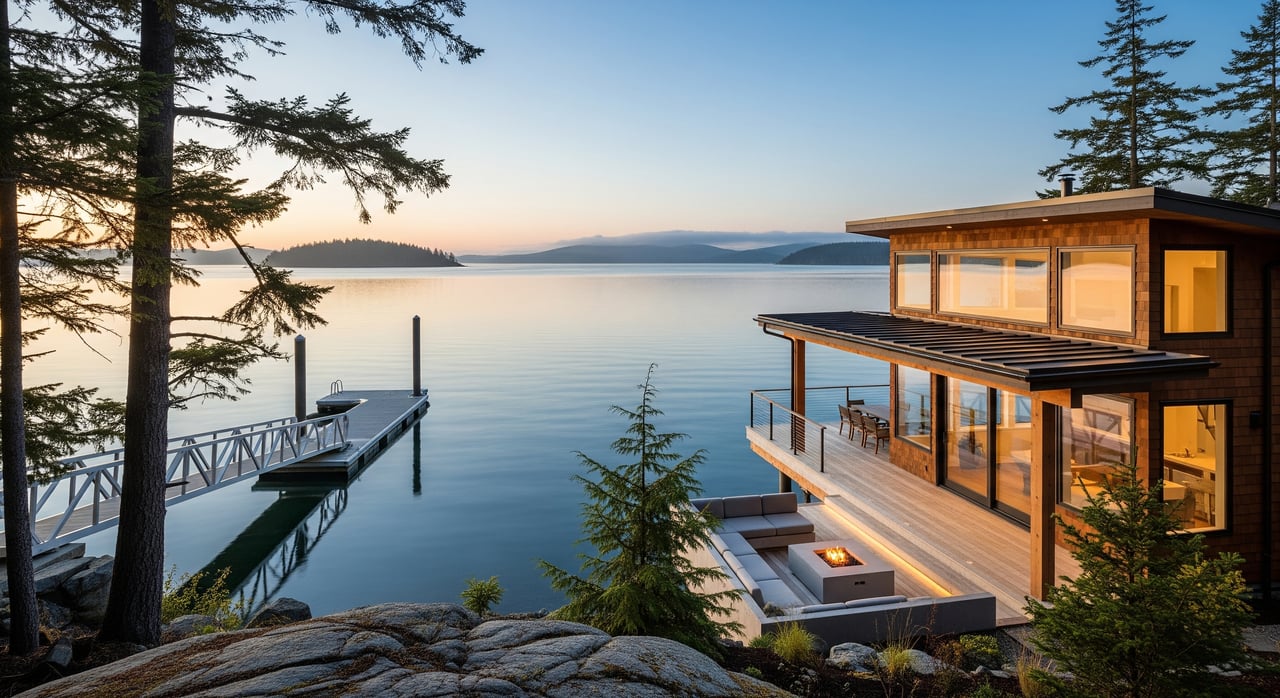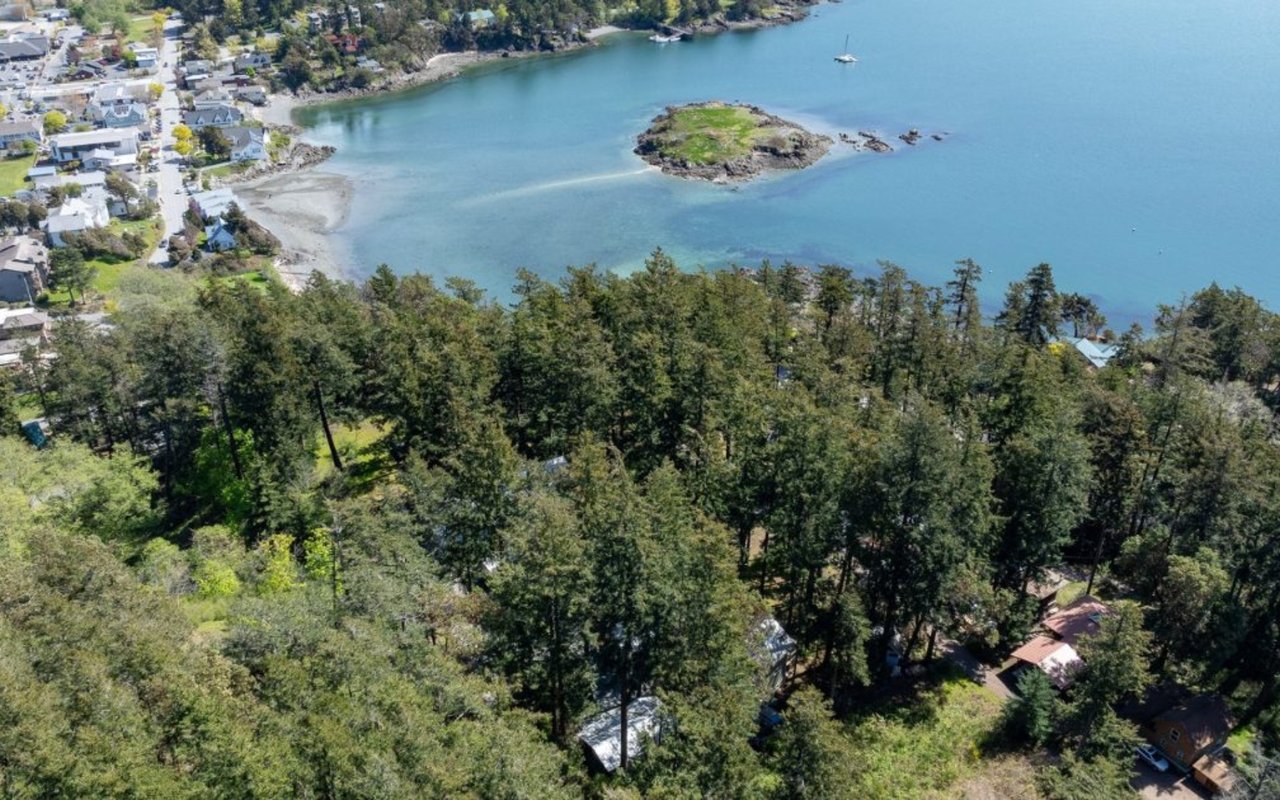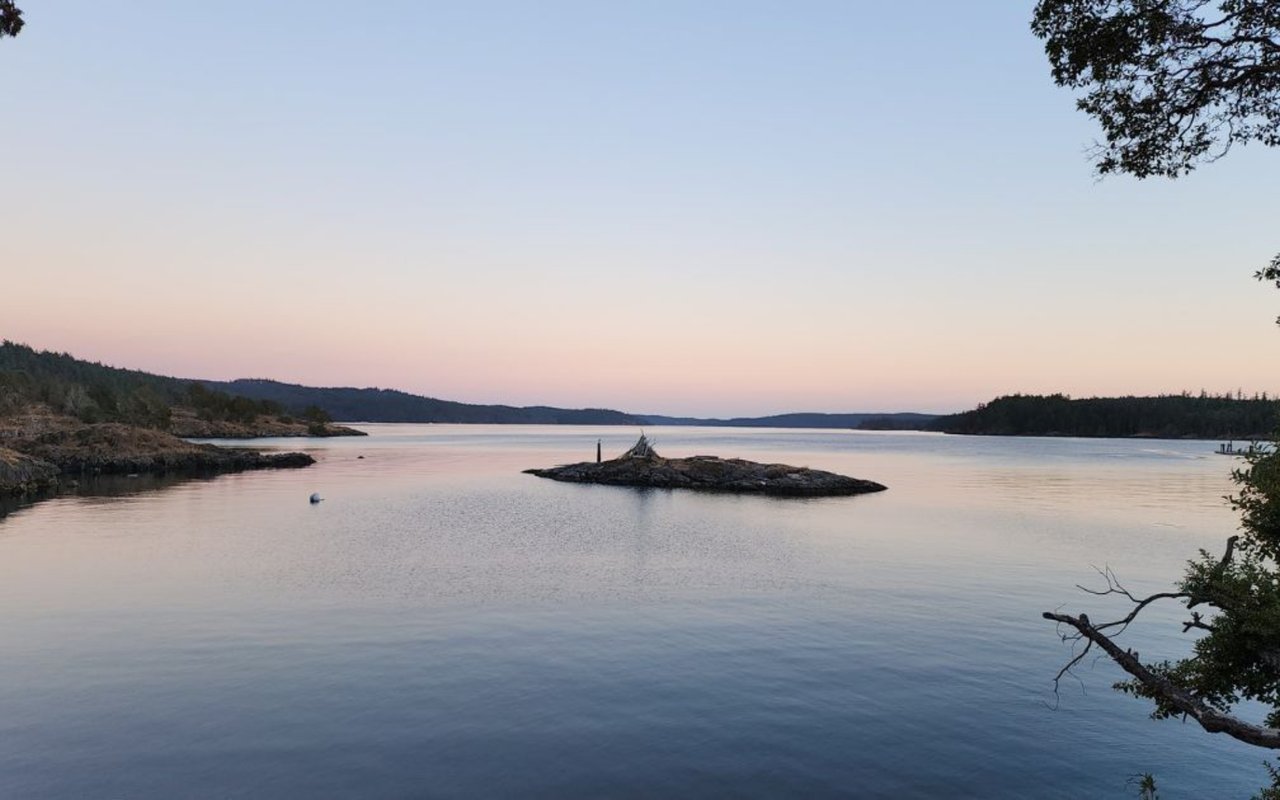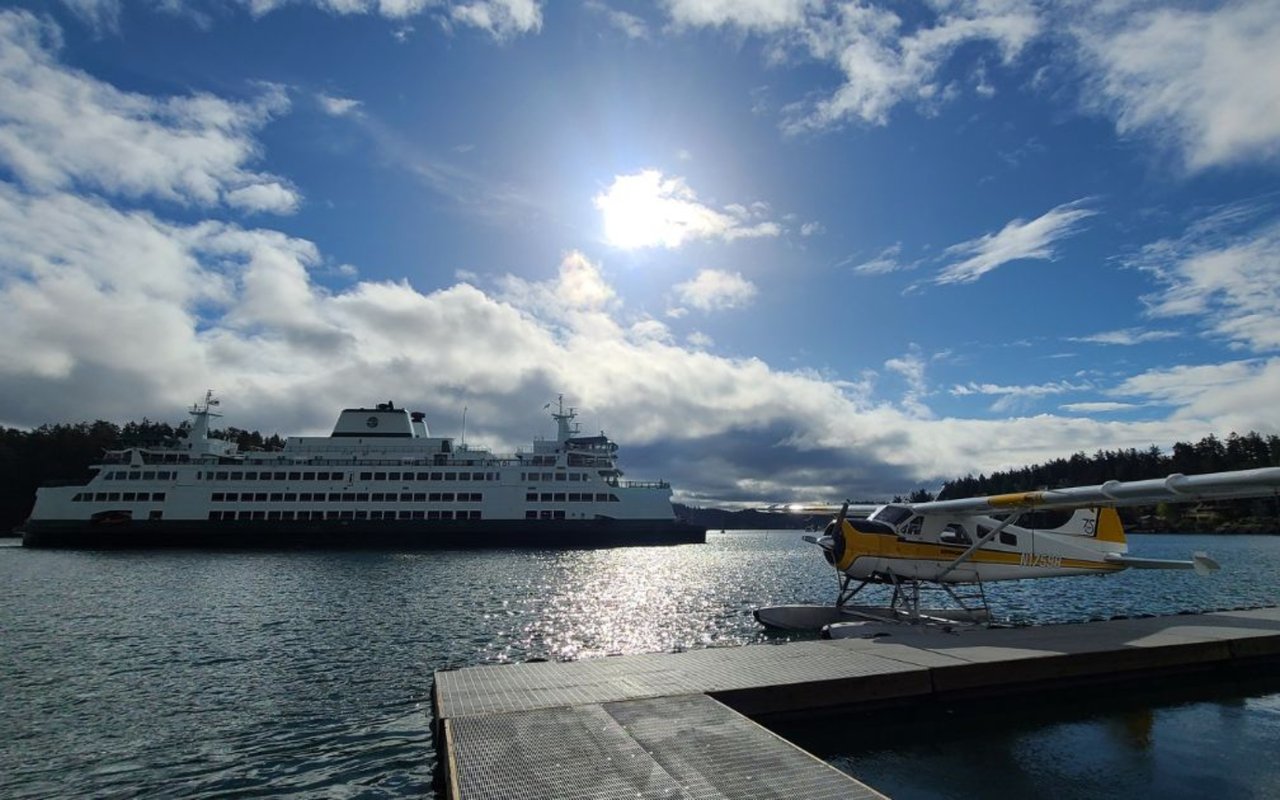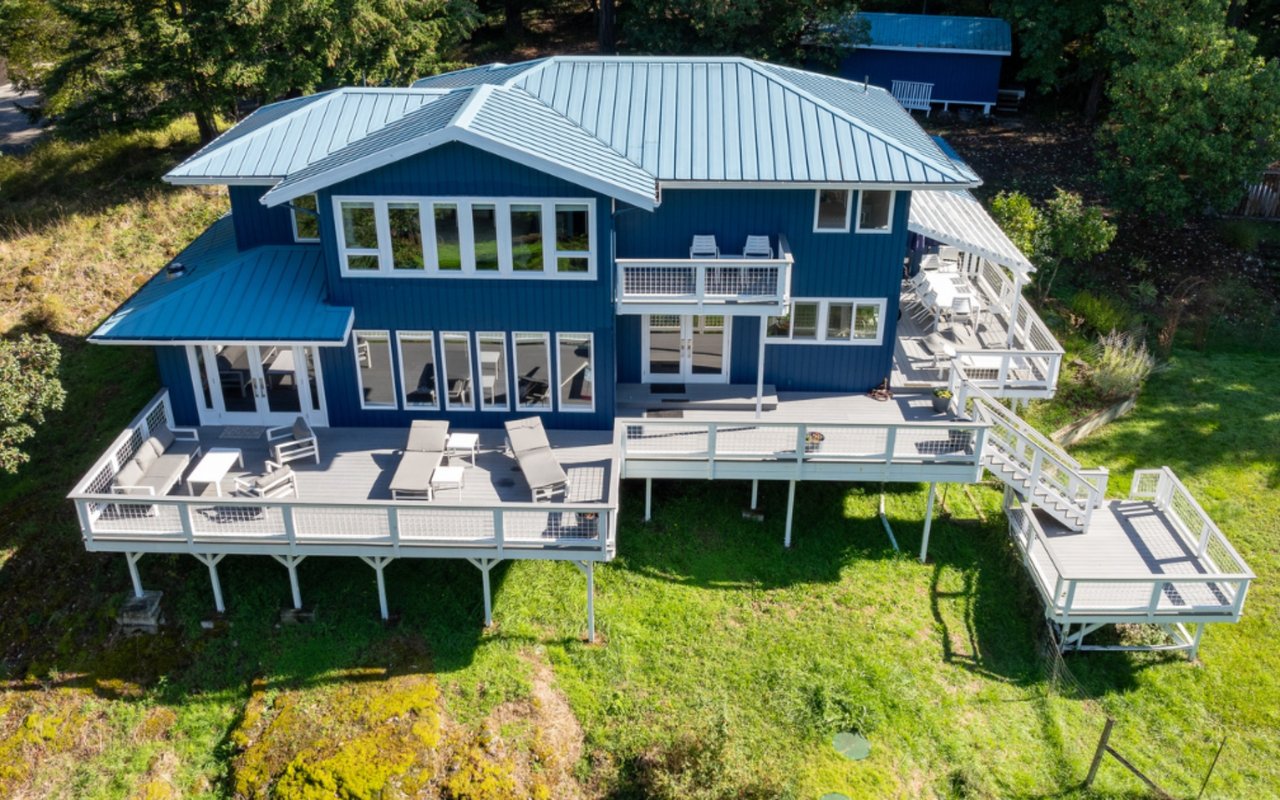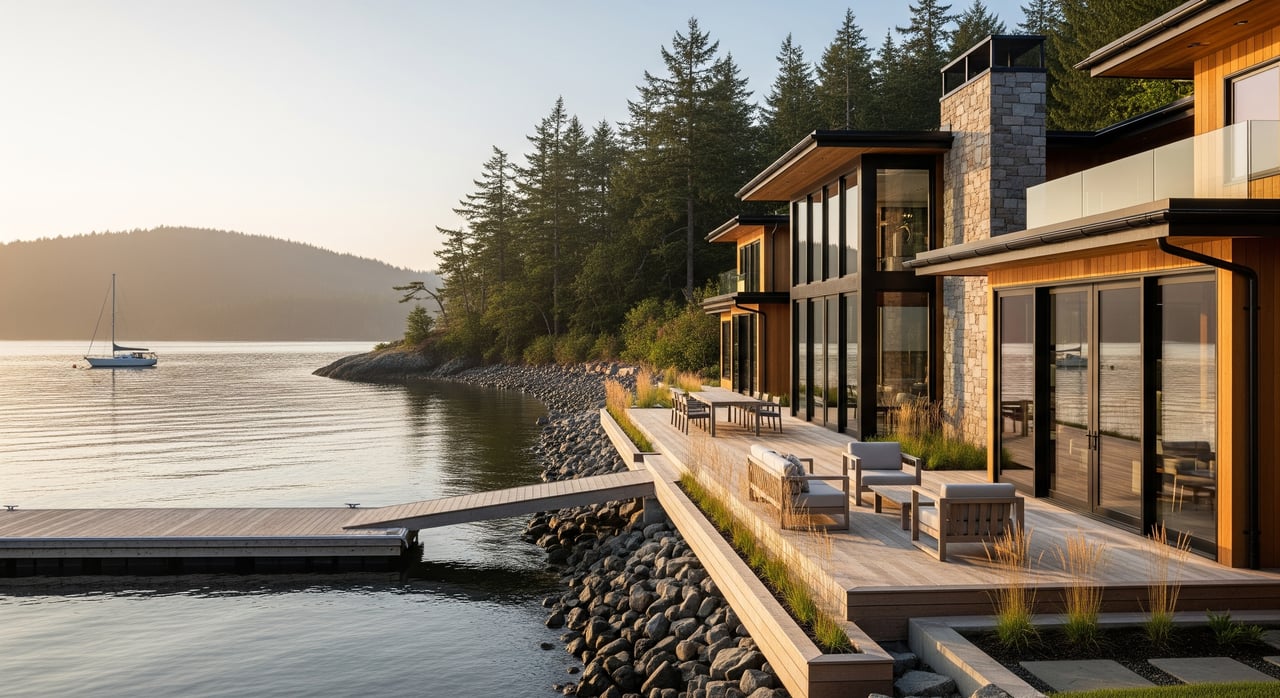
You can fall in love with an Orcas Island shoreline in a single glance. Financing that view takes a bit more thought, especially in Eastsound where many homes exceed standard loan limits and come with island-specific details like docks, wells, and shoreline permits. If you understand jumbo loans, portfolio options, and adjustable-rate mortgages, you can choose a strategy that fits your plans and protects your purchase. In this guide, you’ll learn how each loan type works, what lenders look for on Orcas, and how to prepare a clean, confident file. Let’s dive in.
What makes Orcas financing different
Waterfront deals on Orcas Island often involve unique features that affect underwriting and timing.
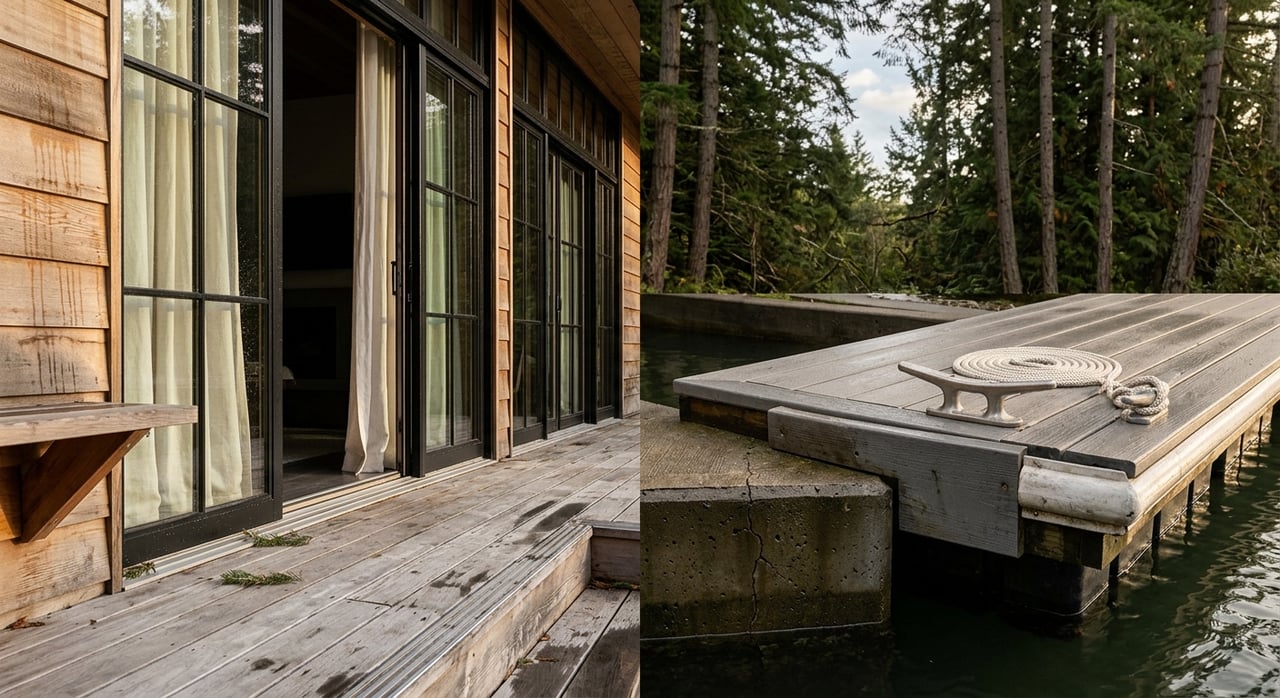
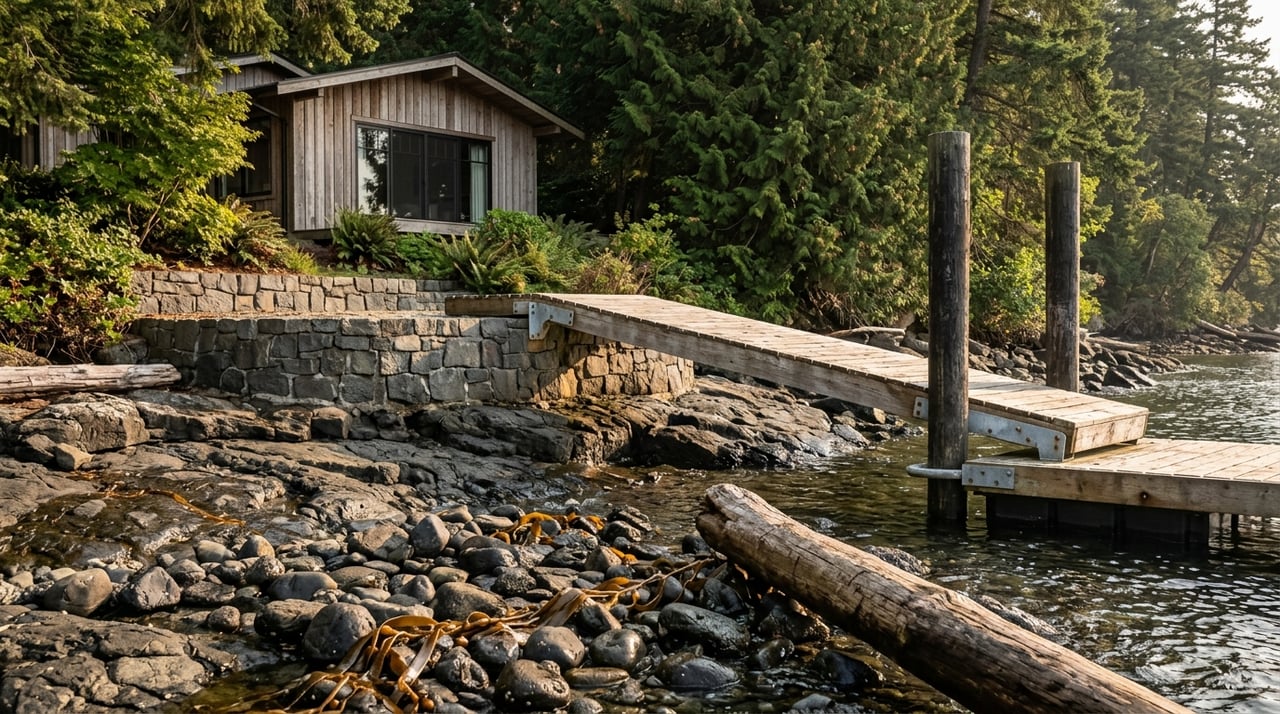
- Appraisals rely on fewer comparable sales, and unique amenities like private docks or bulkheads can be hard to value consistently.
- Ferry access and seasonal weather can influence marketability and resale risk from a lender’s perspective.
- Many homes use private wells and septic systems. Lenders typically want inspection records and water quality documentation.
- Shoreline structures and improvements must align with Washington State and San Juan County shoreline rules, which lenders may review.
- Flood zones, elevation certificates, and insurance availability can change total housing cost and approval paths.
Jumbo loans: when price exceeds limits
A jumbo loan finances amounts above conforming loan limits. On Orcas, many waterfront homes fit this category, whether you plan to use the property as a primary residence or a second home.
- What lenders expect: Strong credit, often in the mid-700s for best pricing, and a debt-to-income ratio commonly around 43 to 45 percent.
- Down payment and reserves: Many buyers put 20 to 30 percent down. Lenders often require 6 to 12 months of reserves for higher-cost or second-home purchases.
- Documentation: Expect two years of tax returns, W-2s or P&Ls, pay stubs if salaried, and liquid asset statements. Asset-depletion calculations may be available with select programs.
- Pros and tradeoffs: Pricing can be competitive, but guidelines are firm. Appraisals and insurance must clearly support the collateral and coverage.
If you choose a jumbo ARM, most lenders qualify you at a higher “fully indexed” or qualifying rate, not just the initial fixed period rate.
Portfolio loans: flexibility for unique homes
Portfolio loans are kept by the lender rather than sold to Fannie Mae or Freddie Mac. Local community banks, credit unions, and private banks use them to serve properties and buyers that do not fit standard guidelines.
- When they help: Waterfront homes with few comps, complex shoreline features, trust or LLC purchases, or borrowers with nontraditional income.
- Advantages: Flexible underwriting, custom terms like interest-only periods, and potential accommodations for alternative documentation.
- Considerations: Rates or fees can be higher than standard jumbo programs, and terms vary by lender.
For one-of-a-kind waterfronts near Eastsound, a portfolio lender’s local knowledge can smooth appraisal questions and collateral reviews.
ARMs: tactical payment control
Adjustable-rate mortgages start with a fixed period, then adjust based on an index plus a margin. They can be paired with jumbo or portfolio financing.
- Why consider: Lower initial payments if you plan to refinance, renovate and sell, or pay down principal during the fixed period.
- What to review: Rate caps, index and margin, and how the payment could change after the fixed period.
- Underwriting note: Many lenders qualify you at a higher rate than the initial teaser, so the payment still needs to pencil.
ARMs can work well if you have a defined plan and strong reserves, but understand the adjustment risk and timing for your hold period.
Second home vs investment use
Your intended use affects the loan, rate, and reserve requirements.
- Second home: You intend to occupy the property for part of the year. Lenders may ask for 6 to 12 months of reserves, verify the source of funds, and review occupancy intent.
- Investment property: If you plan short-term rentals, many lenders treat the loan as investment-use, with different limits and pricing. You may need to document rental history or a management plan.
Clarifying your occupancy plan early helps your lender select the right program and prevents reclassification late in underwriting.
Choose the right path
Use this quick framework to narrow options for Eastsound waterfront homes.
- Choose a jumbo loan when your profile is straightforward and the property appraises cleanly. You want standardized pricing and documentation.
- Choose a portfolio loan when the house is unique, your income or assets are complex, or you prefer custom terms like interest-only payments.
- Consider an ARM if you plan to refinance or sell before the rate adjusts, and you are comfortable qualifying at the higher test rate.
- Explore asset-based programs if you have significant liquid assets and prefer to qualify without heavy W-2 income.
- Ask private banks about relationship pricing if you are open to placing deposits or investments in exchange for custom terms.
Island lending expectations
Prepare for lender questions that are common on Orcas waterfront deals.
- Appraisal and valuation: Expect detailed narratives and a focus on unique shoreline features. Portfolio lenders may allow more qualitative support when comps are scarce.
- Insurance: If the lot touches a mapped flood zone, flood insurance is typically required. Obtain homeowners, wind, and flood quotes early to confirm coverage and cost.
- Access and agreements: Private road maintenance agreements, shared docks, and gate easements should be documented and clear.
- Utilities and systems: Provide current well test results, septic inspection records, and any repair or upgrade letters if applicable.
- Shoreline permits: Lenders may ask for evidence that docks, bulkheads, and shoreline improvements were permitted and remain compliant.
- Flood zones and elevation: Some lenders request an elevation certificate for insurance or lending purposes.
Having these items ready can speed underwriting and support value.
Pre-approval checklist
Organize documents early to make your offer stronger and your timeline smoother.
- Two years of federal tax returns with all schedules
- Recent pay stubs and last two years of W-2s if salaried
- 12 to 24 months of business bank statements and a current P&L if self-employed
- Two to twelve months of personal bank statements for assets and reserves
- Brokerage and retirement account statements for the most recent quarter
- Letters for large deposits and gift letters if applicable
- Trust or LLC documents if purchasing through an entity
- K-1s for partnership or LLC income
- Homeowners and flood insurance quotes if required
- Property items as available: title report, survey, septic inspection report, well test, HOA documents, dock or shoreline permits
- Identification and Social Security number
If you are using asset-based qualification, add liquid asset statements and 1099s for dividends and interest.
Typical timeline on Orcas
Build in time for appraisal, insurance, and any shoreline or utility items.
- Pre-approval: 1 to 7 days with full documentation for well-qualified buyers
- Appraisal and inspections: 2 to 3 weeks, sometimes longer for unique waterfronts
- Underwriting: 1 to 3 weeks after appraisal, possibly longer for manual portfolio reviews
- Closing: 30 to 45 days is common, with extra time for title questions or permit reviews
Start lender conversations before you write an offer so you can move quickly once you find the right property.
Avoid common deal killers
A few issues can delay or derail financing if not addressed early.
- Unpermitted shoreline structures or unclear dock ownership
- Incomplete or outdated septic and well records
- Sparse comparable sales that do not support price without context
- Short-term rental plans that conflict with second-home occupancy rules
- Title concerns like easements, access disputes, or boundary ambiguity
- Insurance that is unavailable or prohibitively expensive for wind or flood
- Purchases through foreign entities without acceptable documentation
Raise these items with your lender and title team as soon as you go under contract.
Next steps on Orcas
- Speak with both a national jumbo lender and at least one local portfolio lender or credit union. Local teams often understand island appraisals, access, and shoreline questions.
- Request a flood determination and insurance quotes early so you can refine your budget and reserves.
- Gather asset documentation now. Asset-depletion and bank-statement programs move faster when statements are current and complete.
- Engage a title company familiar with San Juan County and consider a real estate attorney for shoreline and permitting reviews.
When you are ready to explore listings or pressure-test your plan against current inventory, connect with a local advisor who understands Orcas Island’s waterfront nuances end to end. For personalized guidance and property strategies in Eastsound and beyond, reach out to True North Realty Orcas Island, Inc..
FAQs
What is a jumbo loan for Orcas waterfront homes?
- A jumbo loan finances amounts above conforming limits, common for Eastsound waterfront purchases, and typically requires stronger credit, larger down payments, and substantial reserves.
When do portfolio loans make more sense?
- Portfolio loans fit unique collateral, complex income or assets, or purchases through trusts and LLCs, offering flexible underwriting and custom terms that standard programs may not allow.
How do ARMs work for second homes on Orcas?
- An ARM offers a lower initial fixed rate with later adjustments. Lenders often qualify you at a higher test rate, so confirm that payments remain comfortable after the fixed period.
What documents do lenders want for wells and septic?
- Lenders usually request recent septic inspection records and well test results that show adequate water quality and quantity, plus any repair letters if work was done.
Do I need flood insurance for a shoreline property?
- If FEMA maps place the lot in a Special Flood Hazard Area, flood insurance is typically required. Even outside those zones, some buyers choose private flood coverage.
Can I buy through an LLC or trust and still finance?
- Yes, but lenders may require personal guarantees, higher reserves, or different terms. Be ready to provide formation documents and proof of signing authority.