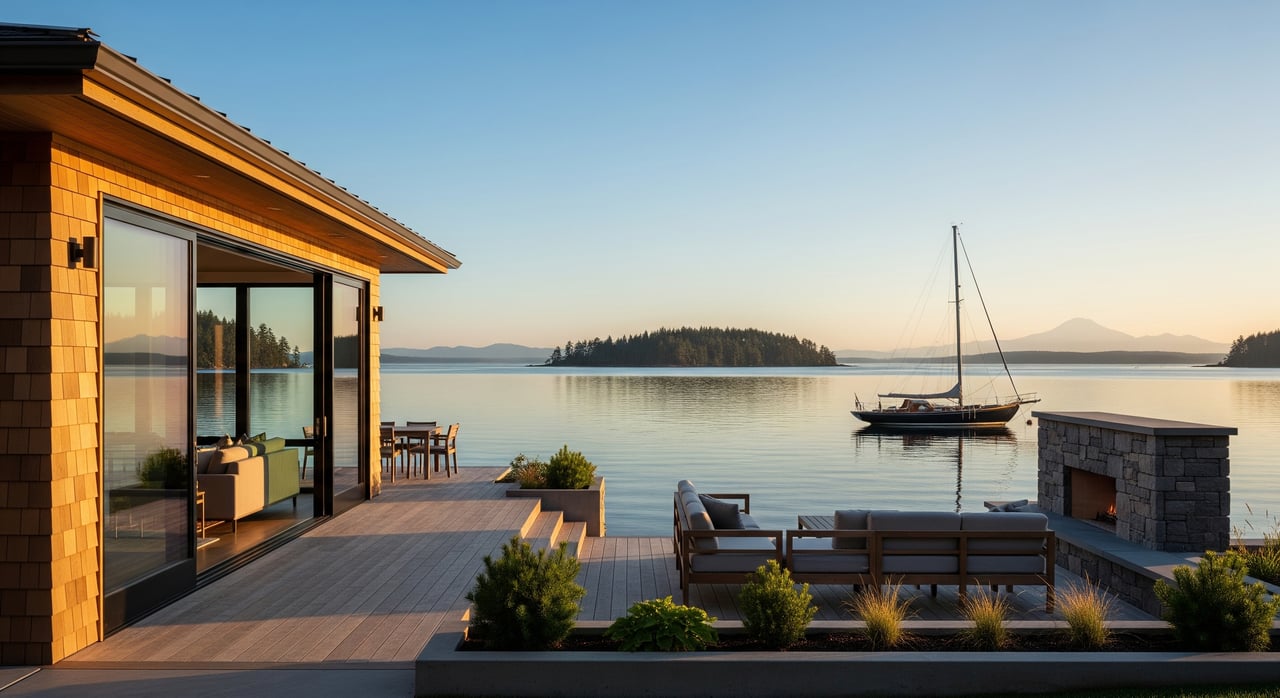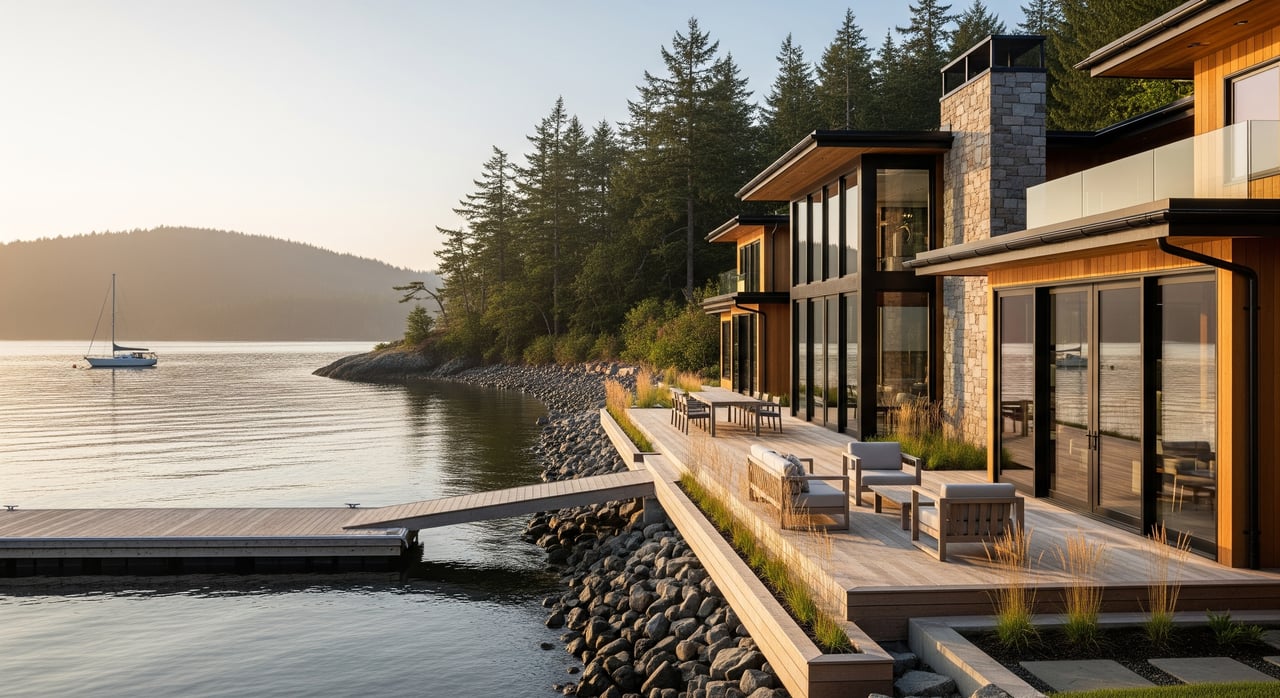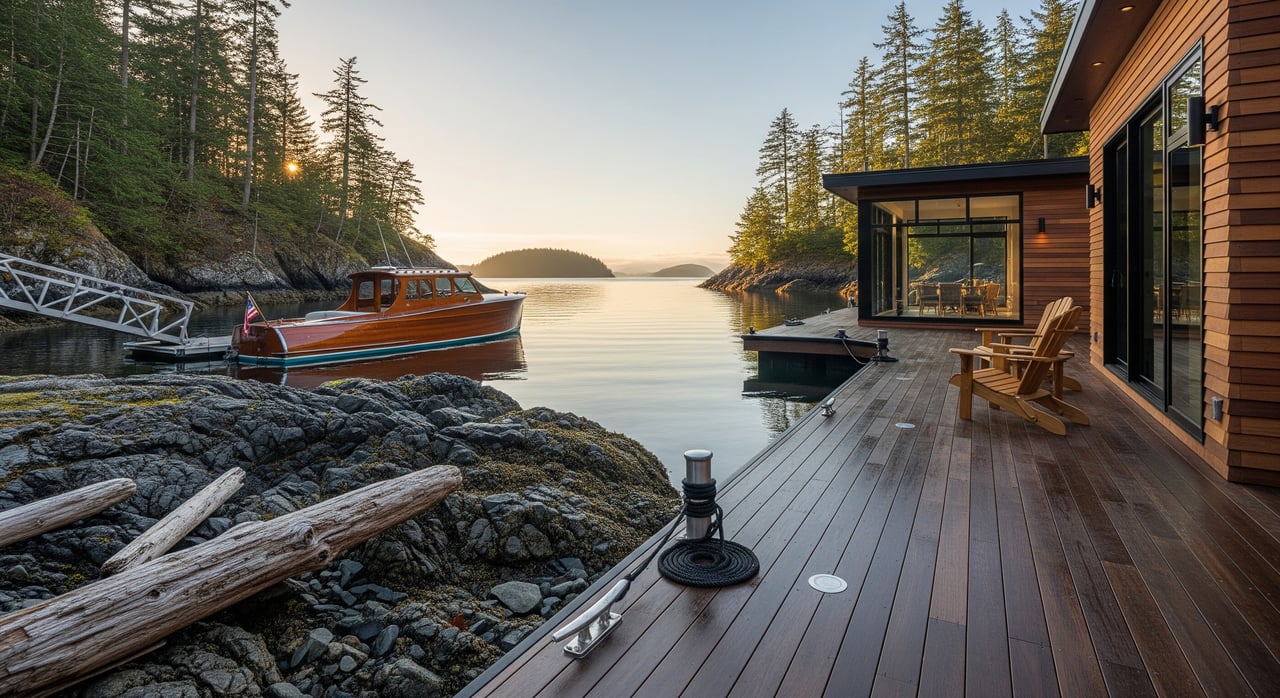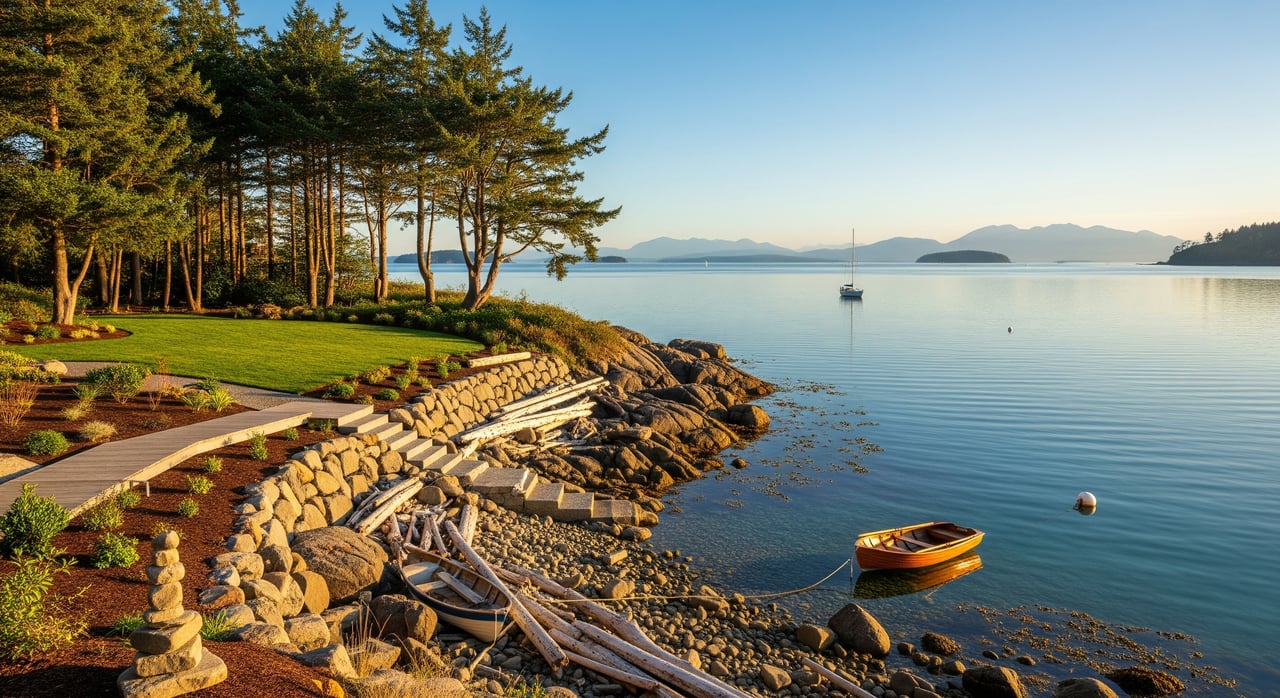
Imagine waking to calm water, untying your lines, and setting out for Jones Island before breakfast. If you love life on the water, Deer Harbor on Orcas Island puts you close to the cruising grounds you dream about while keeping day‑to‑day needs simple. You want real answers on moorage, docks, utilities, and what to expect from waterfront homes. This guide gives you the practical details and local context to help you choose with confidence. Let’s dive in.
Why Deer Harbor works for boaters
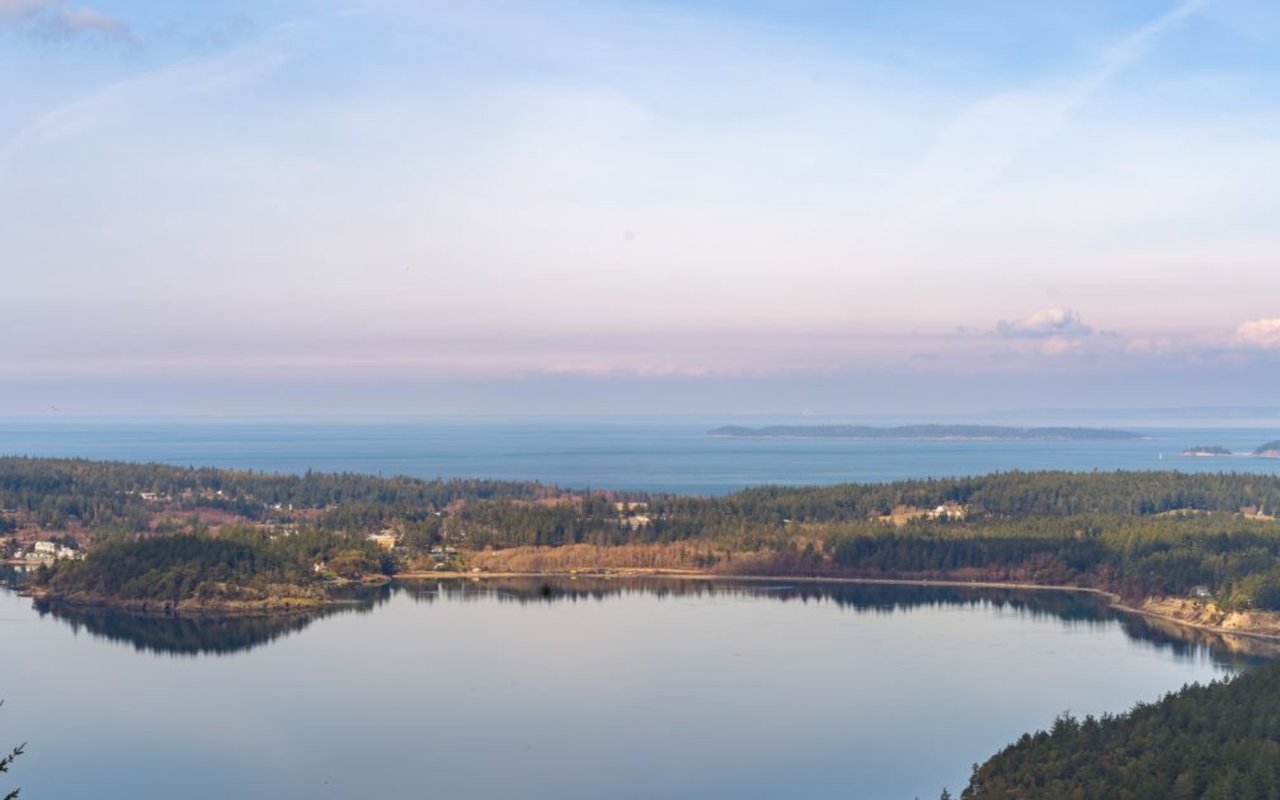
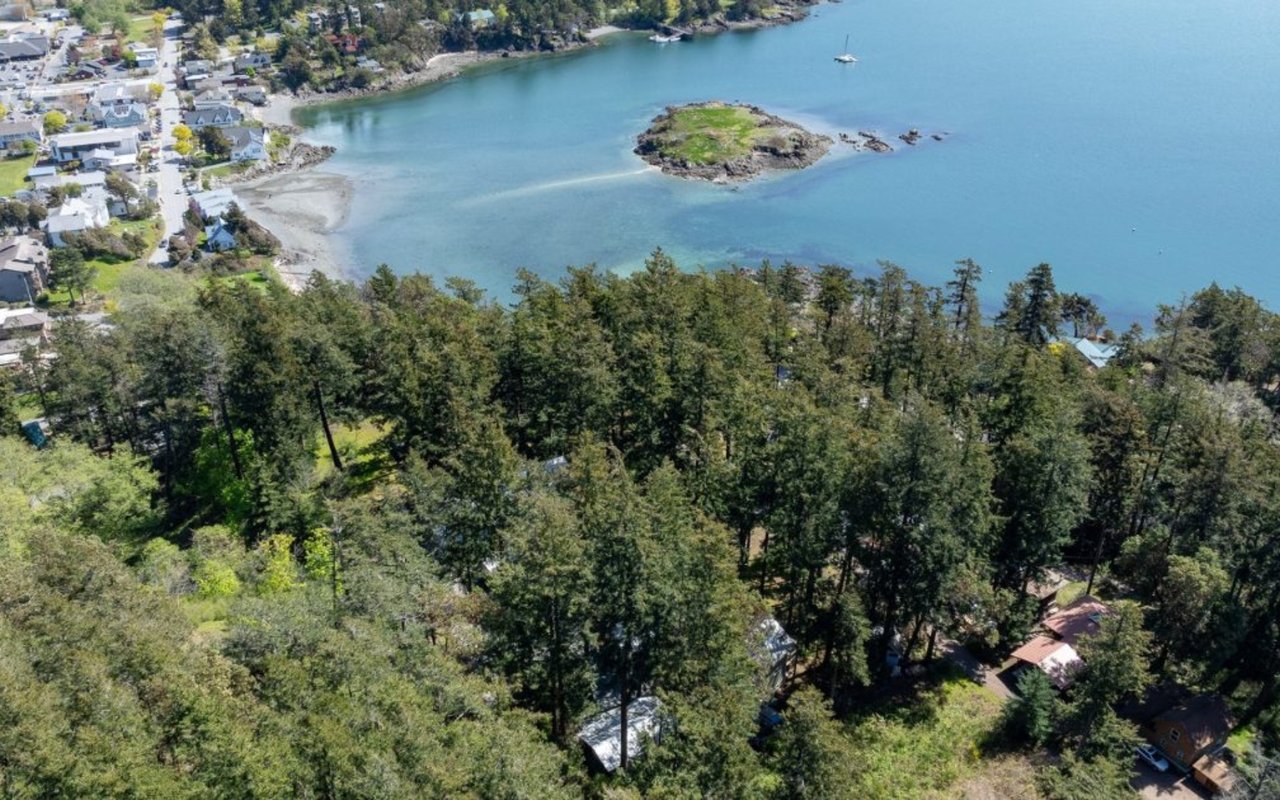
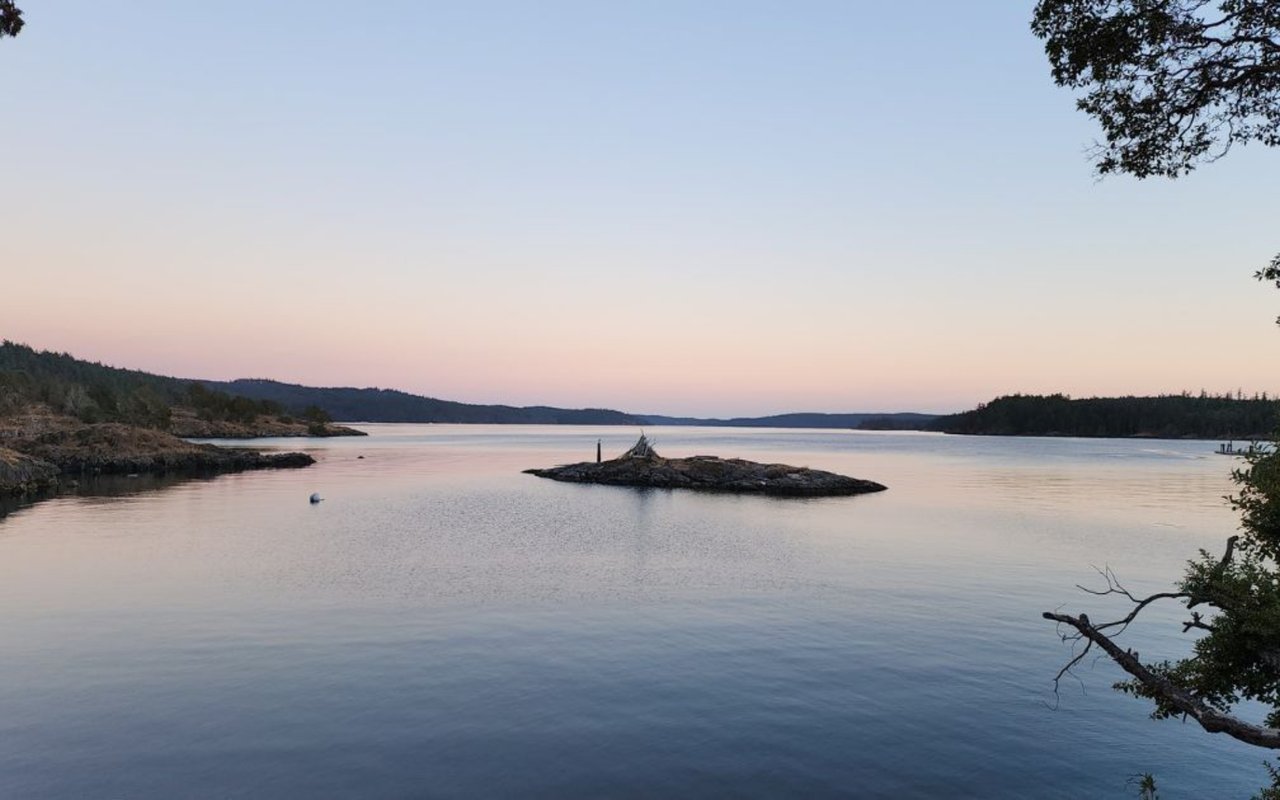
Deer Harbor sits on the southwest side of Orcas Island, tucked into a sheltered bay that serves as a friendly base for the central and northern San Juans. It sees a mix of transient cruisers, seasonal visitors, and some year‑round residents. You can provision, fuel, and stage trips to nearby marine parks without leaving the harbor.
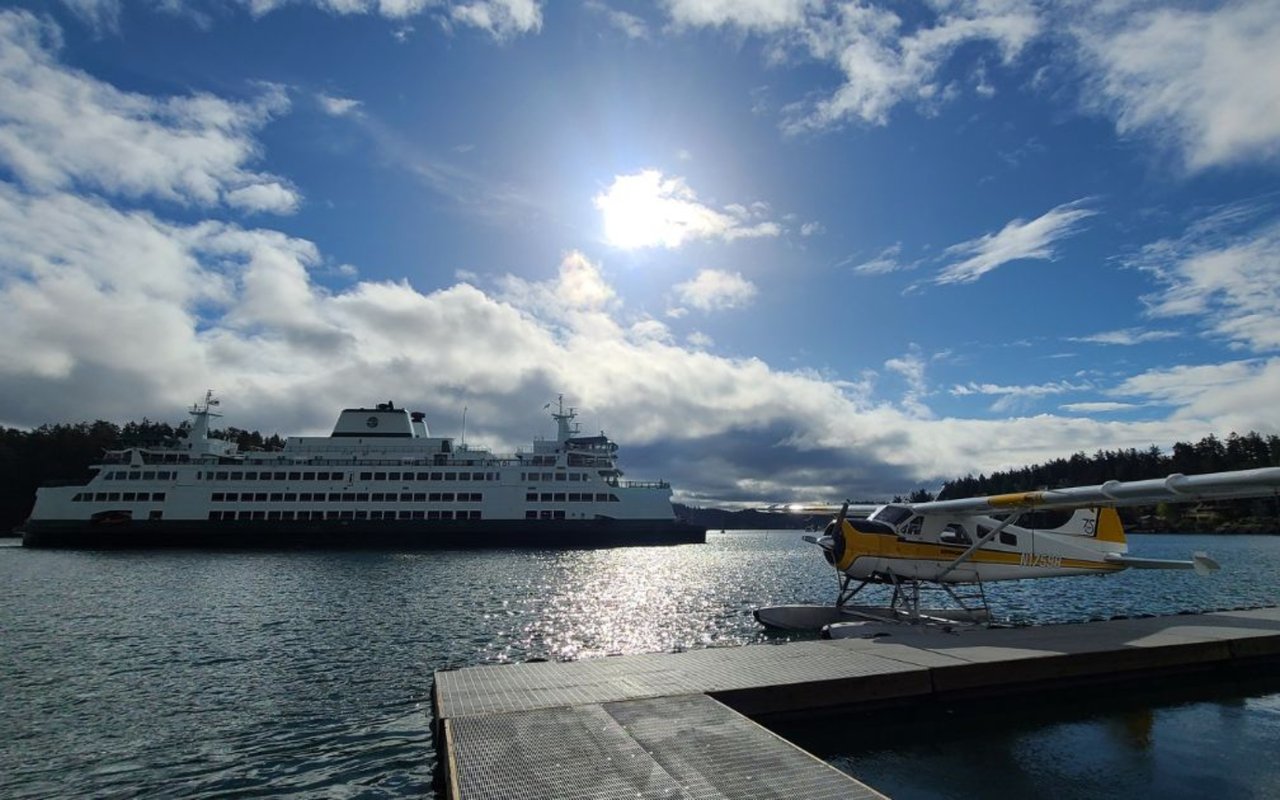
For many, the appeal is simple. You get protected water, quick runs to iconic parks, and on‑shore services within a short walk. If you arrive by air, floatplane operators also connect to Orcas Island and Deer Harbor.
Marina access and moorage
Deer Harbor Marina at a glance
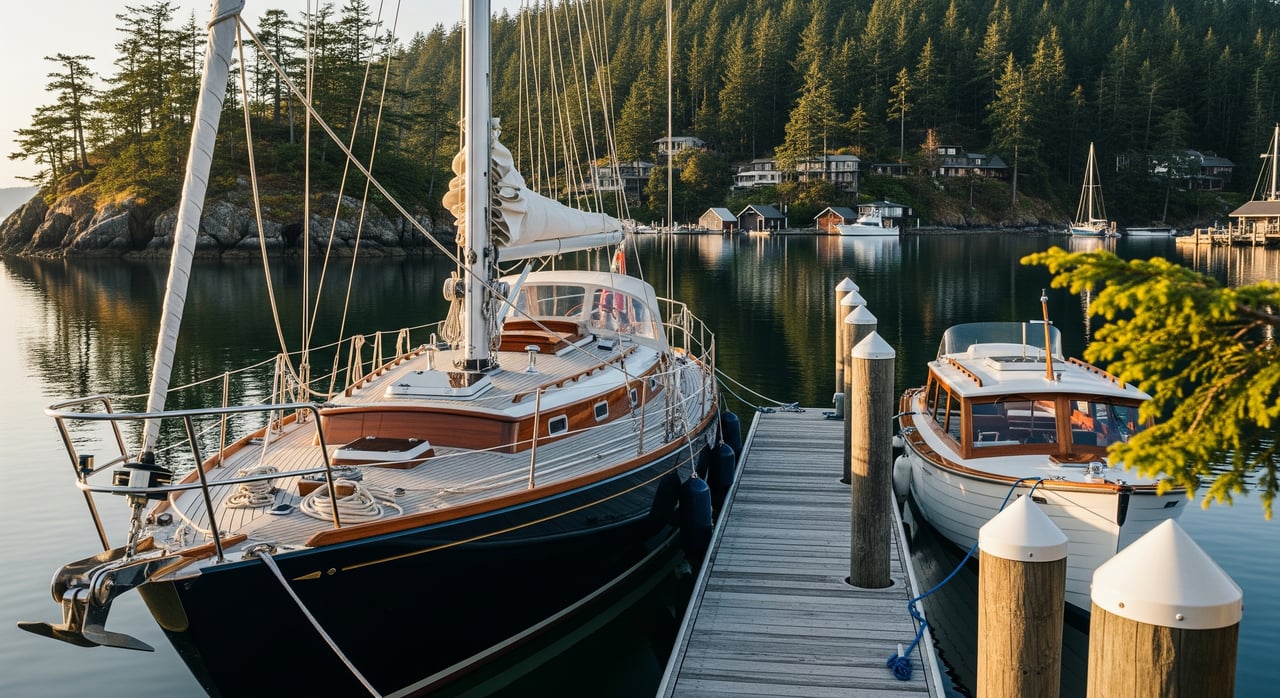
Deer Harbor Marina is a full‑service, small‑marina hub that keeps boating straightforward. You will find guest and seasonal moorage, side‑tie slips, a dock store and deli, restrooms and showers, laundry, fuel for gas and diesel, and a pump‑out service. The harbormaster monitors VHF 78A for arrivals and can guide you to an assignment. Check the marina’s site for the latest services and reservation details at the Deer Harbor Marina.
Summer fills fast. Plan ahead for July, August, and holiday weekends. In shoulder seasons, you may find more first‑come options.
Other moorage options nearby
On the north side of the harbor, Cayou Quay and several smaller private docks offer additional long‑term moorage choices. Availability and access rules vary, so verify waitlists and terms with each facility. Start with Cayou Quay Marina.
If you expect moorage to convey with a home sale, pause and confirm. A slip at a marina is typically a lease or moorage agreement with the operator, not a real‑property right. Review transfer rules and waitlists before you decide. For a helpful local overview, see this Orcas moorage guide on slip transfers and options.
Fuel, pump‑out, and maintenance
Deer Harbor Marina offers fuel and a pump‑out. Always check current hours and operations before you arrive. For repairs and haul‑out, many islanders plan routine work with on‑island providers and schedule major service at larger yards when needed. West Sound Marina on Orcas and regional yards are common choices for larger or specialized projects.
Day trips and cruising grounds
From Deer Harbor, you are minutes to Jones Island Marine State Park and within easy reach of Sucia and the northern cays. Jones Island has mooring buoys and limited dock space that are first‑come and popular in summer. Get a feel for conditions and seasonality with this overview of Jones Island access and moorings.
If you are heading north to Canada, Friday Harbor and Roche Harbor are important ports of entry. Many skippers use the ROAM app and confirm current procedures in advance. Check rules and timing before you go.
Approaching Deer Harbor safely
Deer Harbor’s approaches include narrow channels with currents that change by tide. Local mariners rely on up‑to‑date charts and call the harbormaster for the best transit times. Plan your entry with the same care you would use anywhere in the San Juans, and give yourself a buffer when winds or currents pick up.
Waterfront homes and shorelines
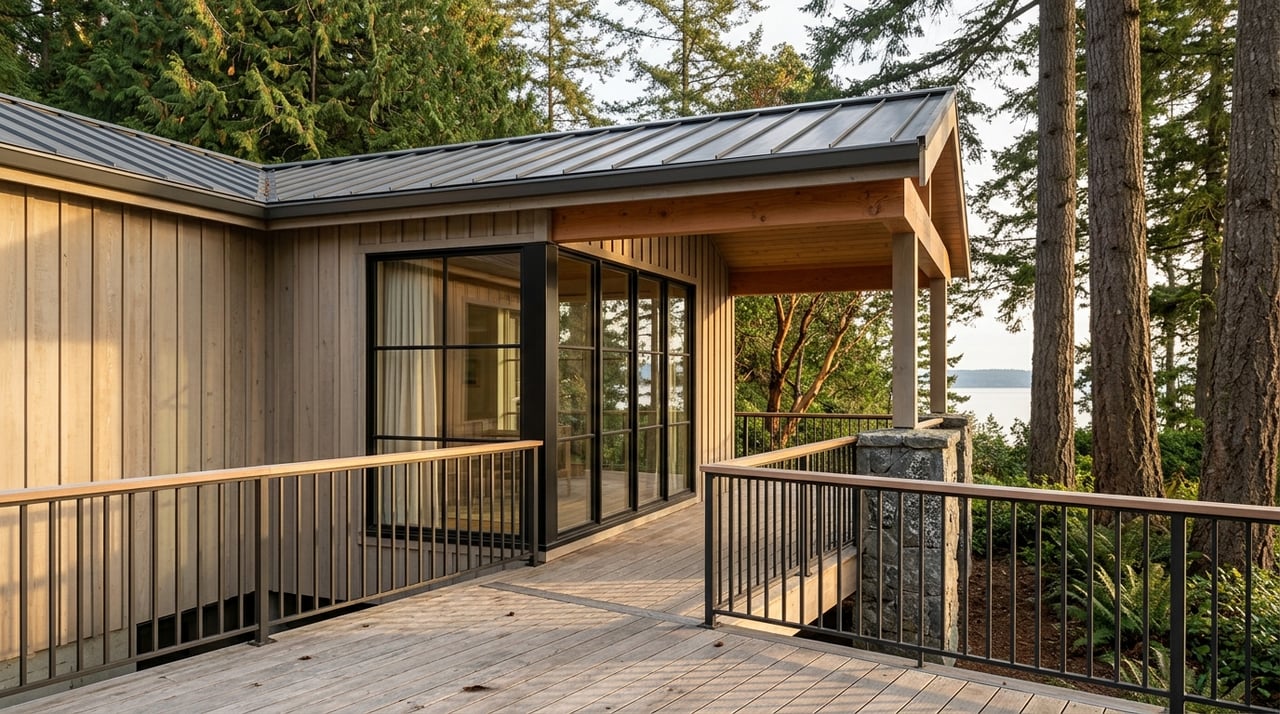
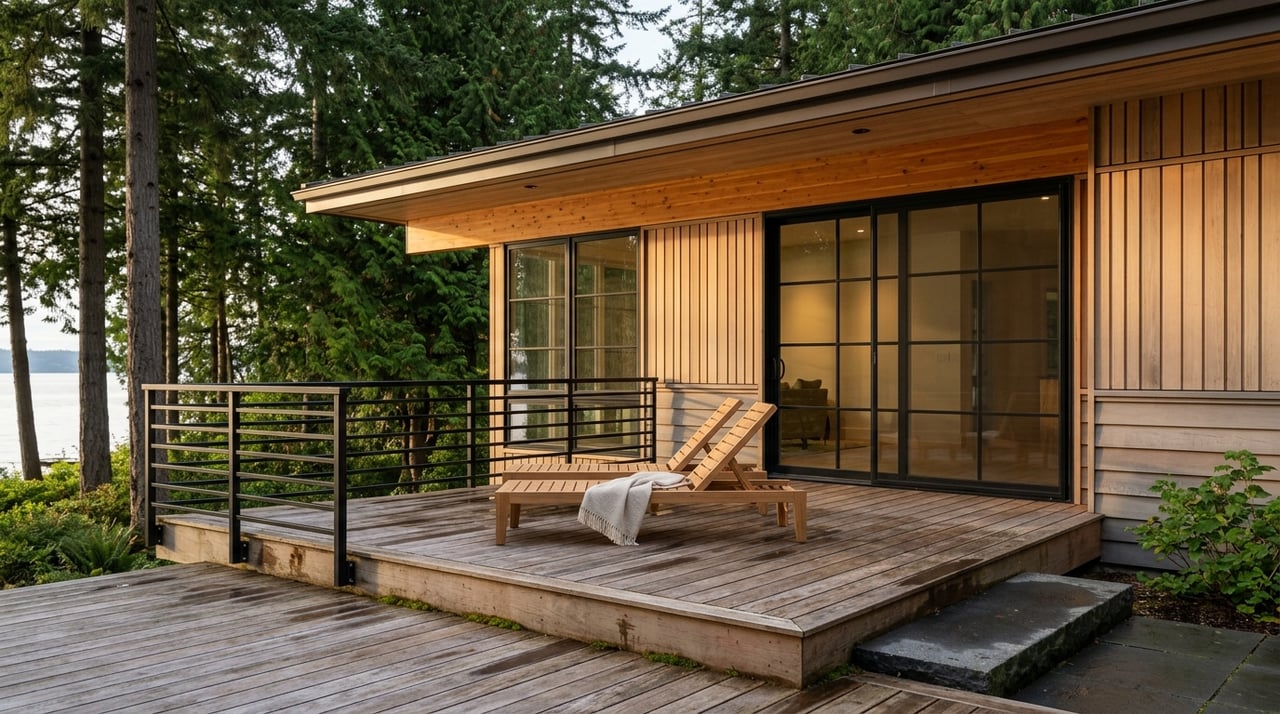
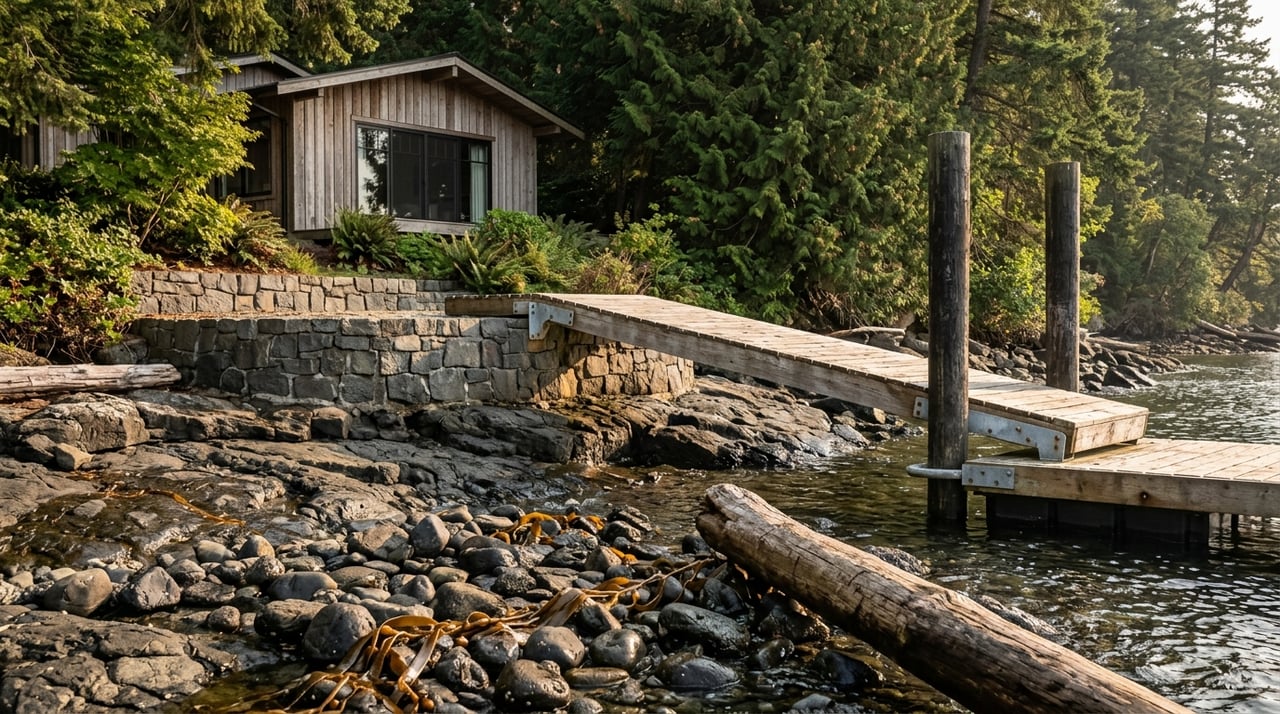
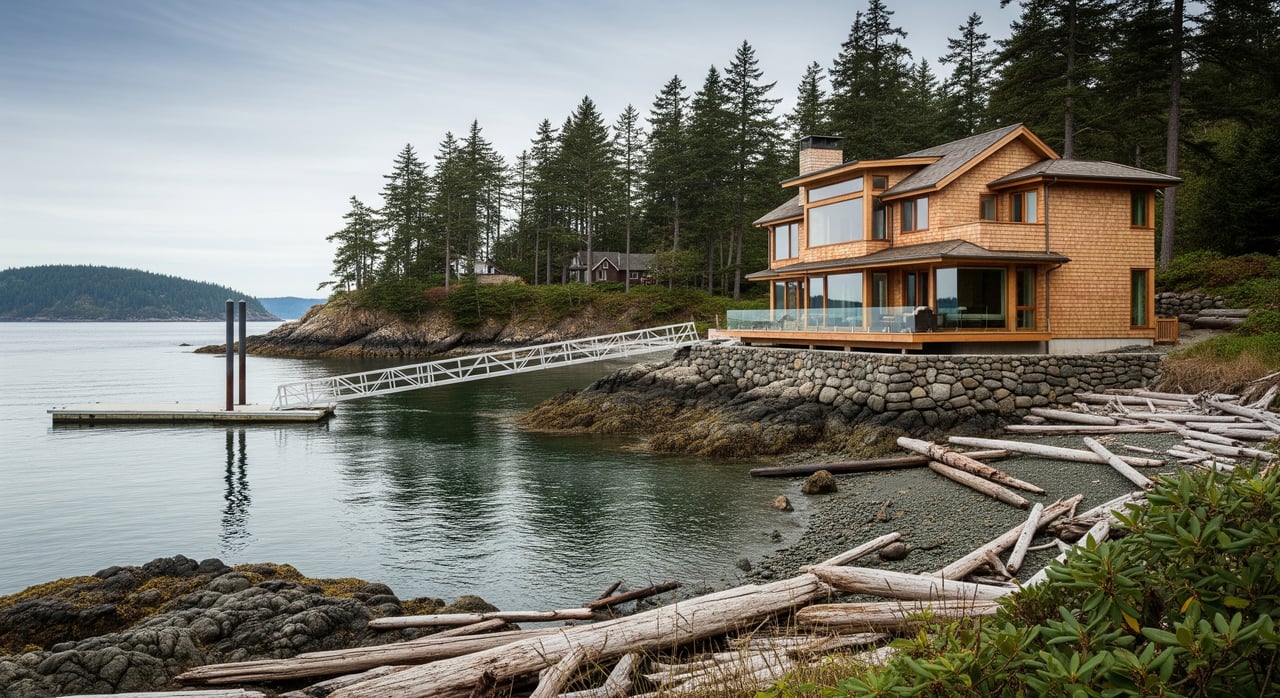
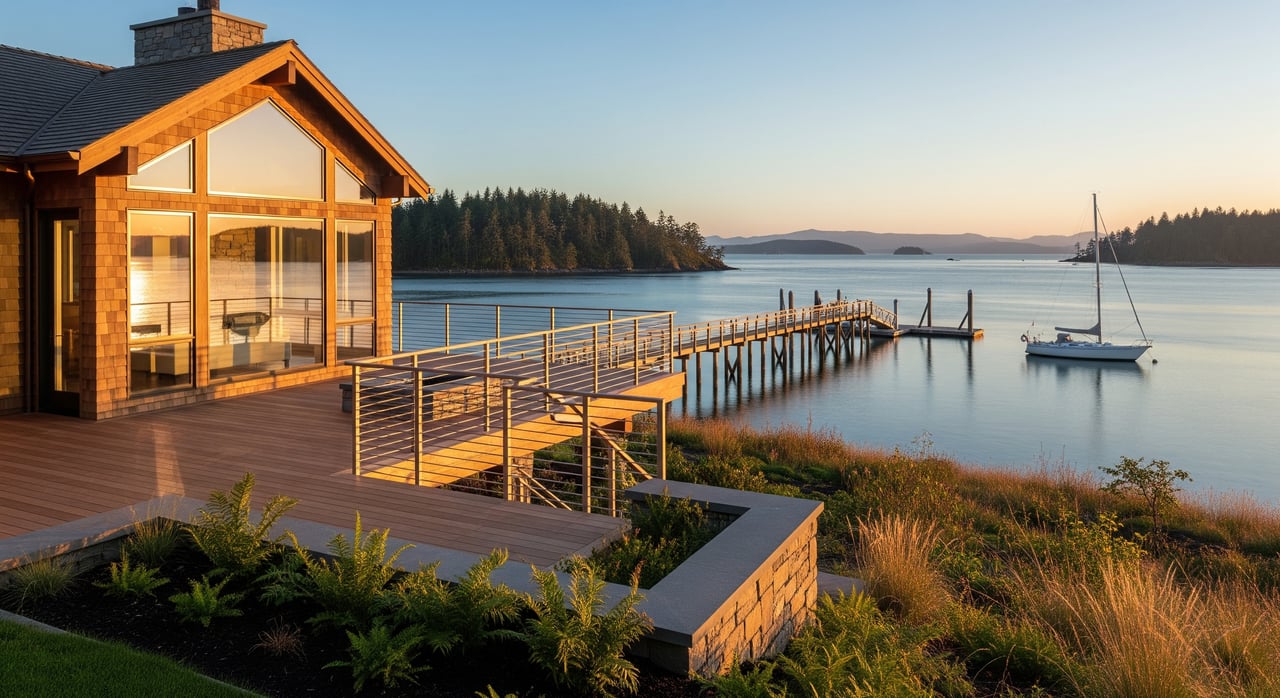
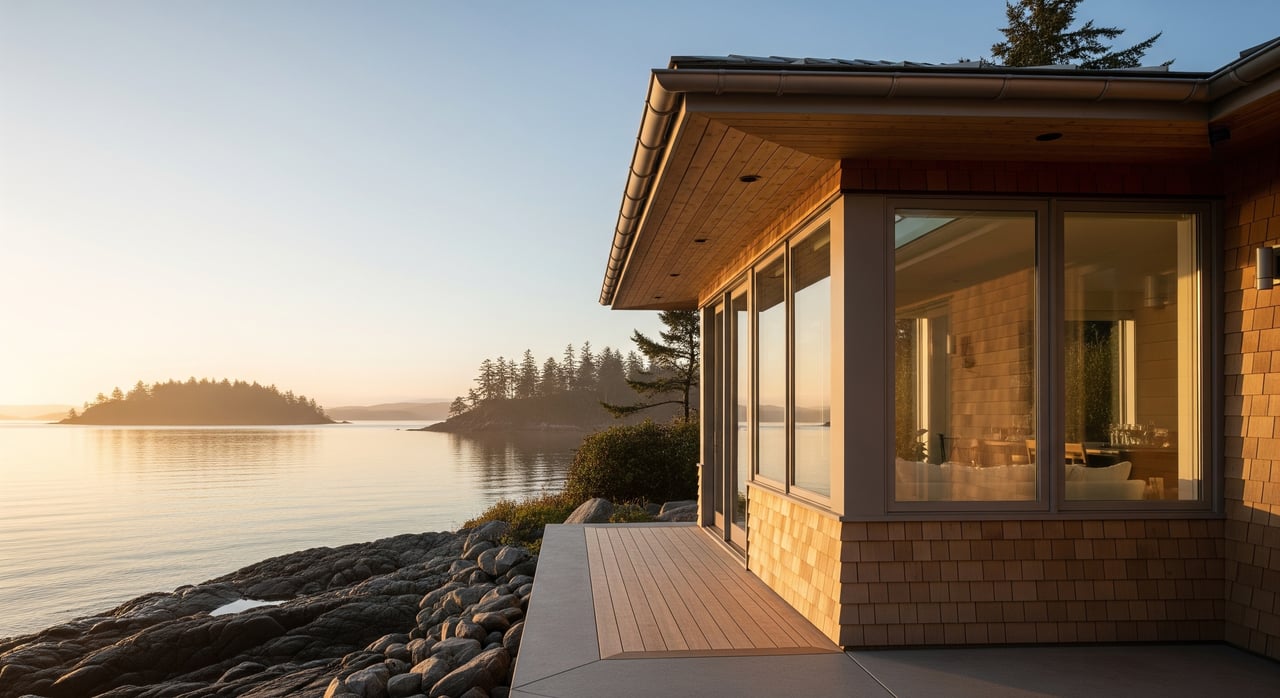
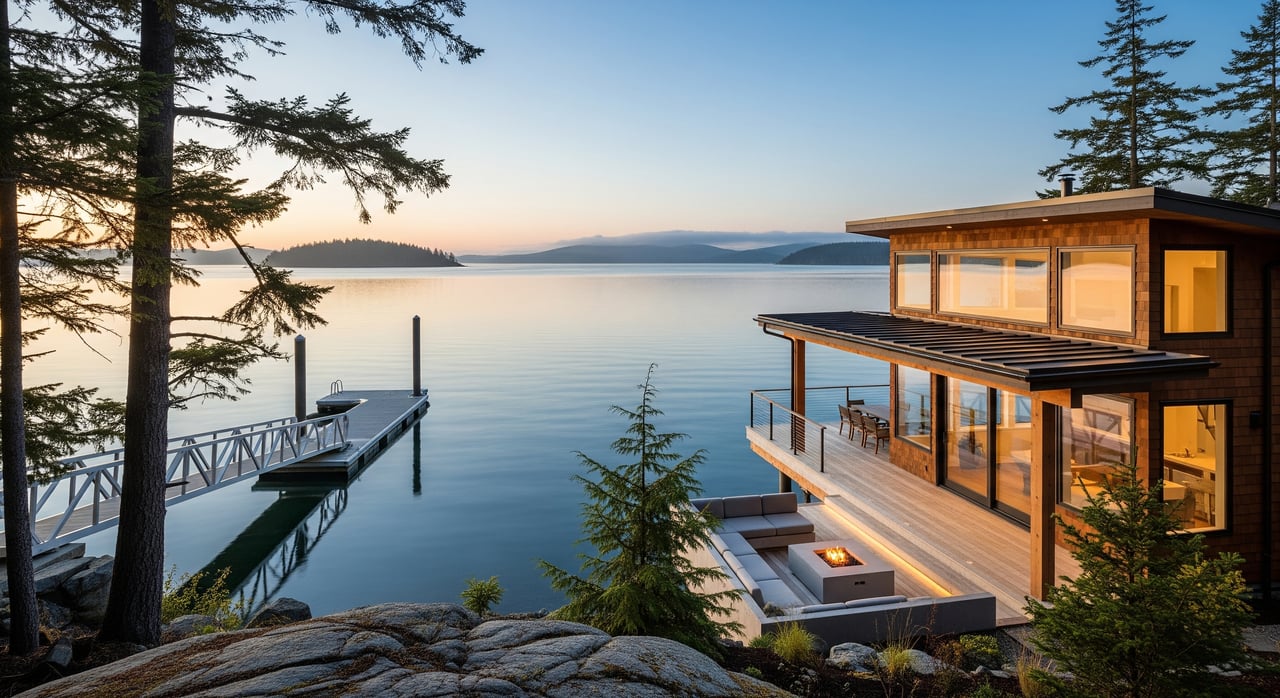
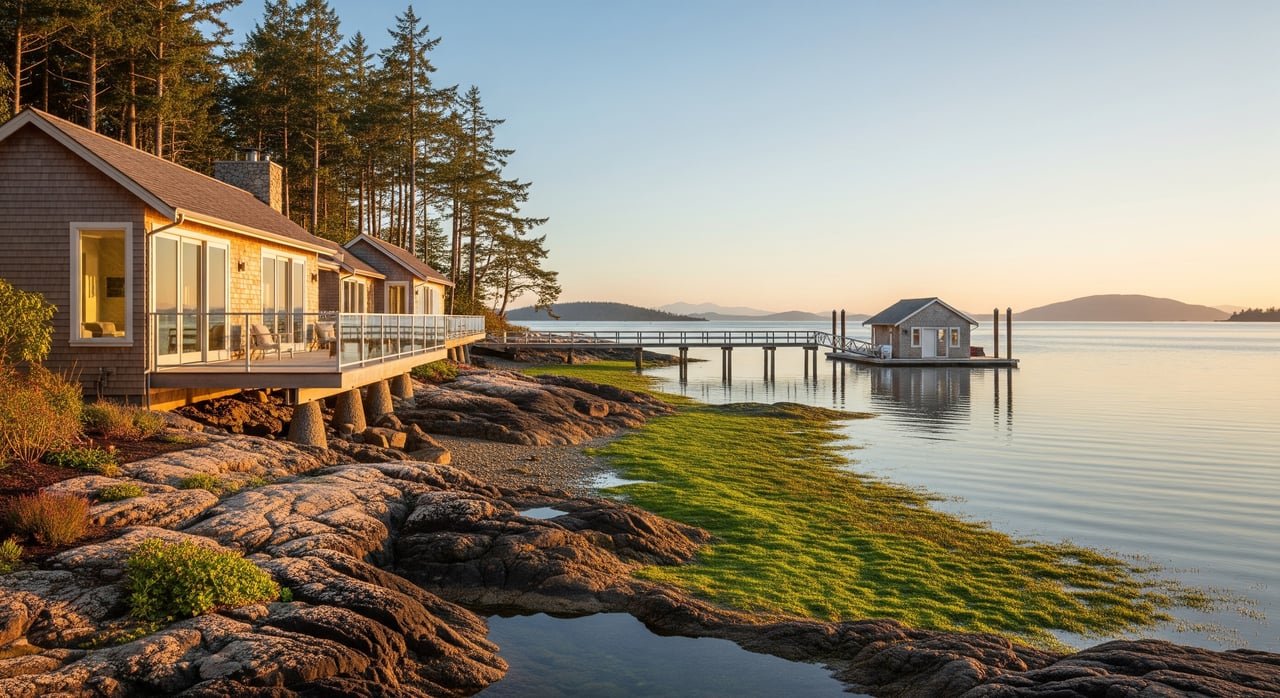
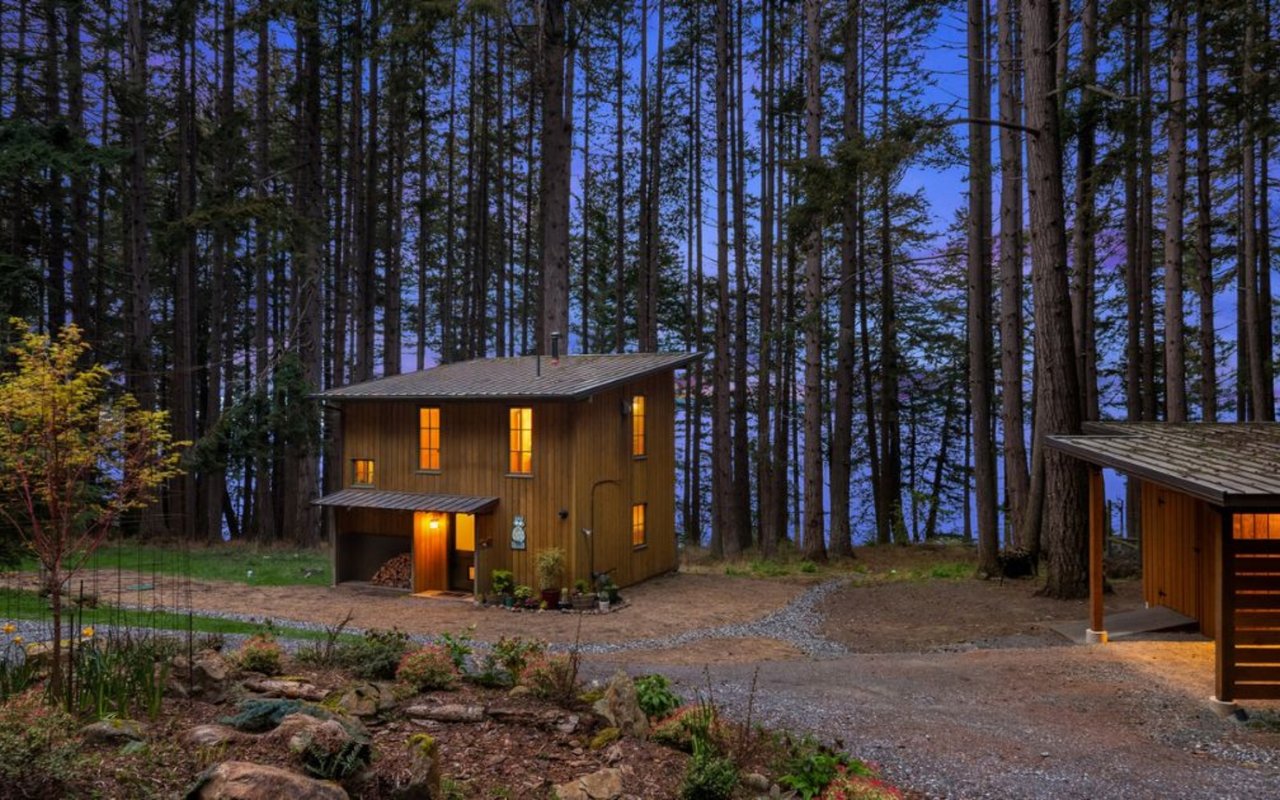
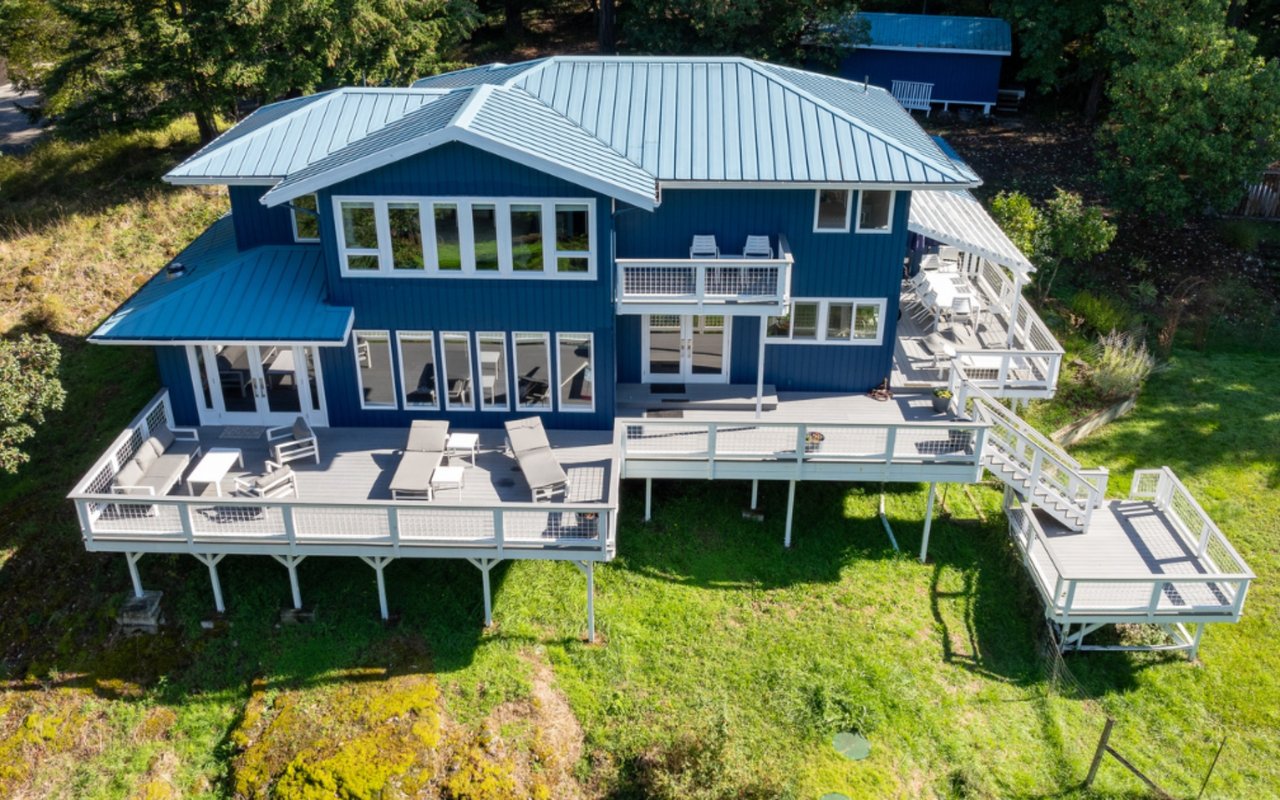
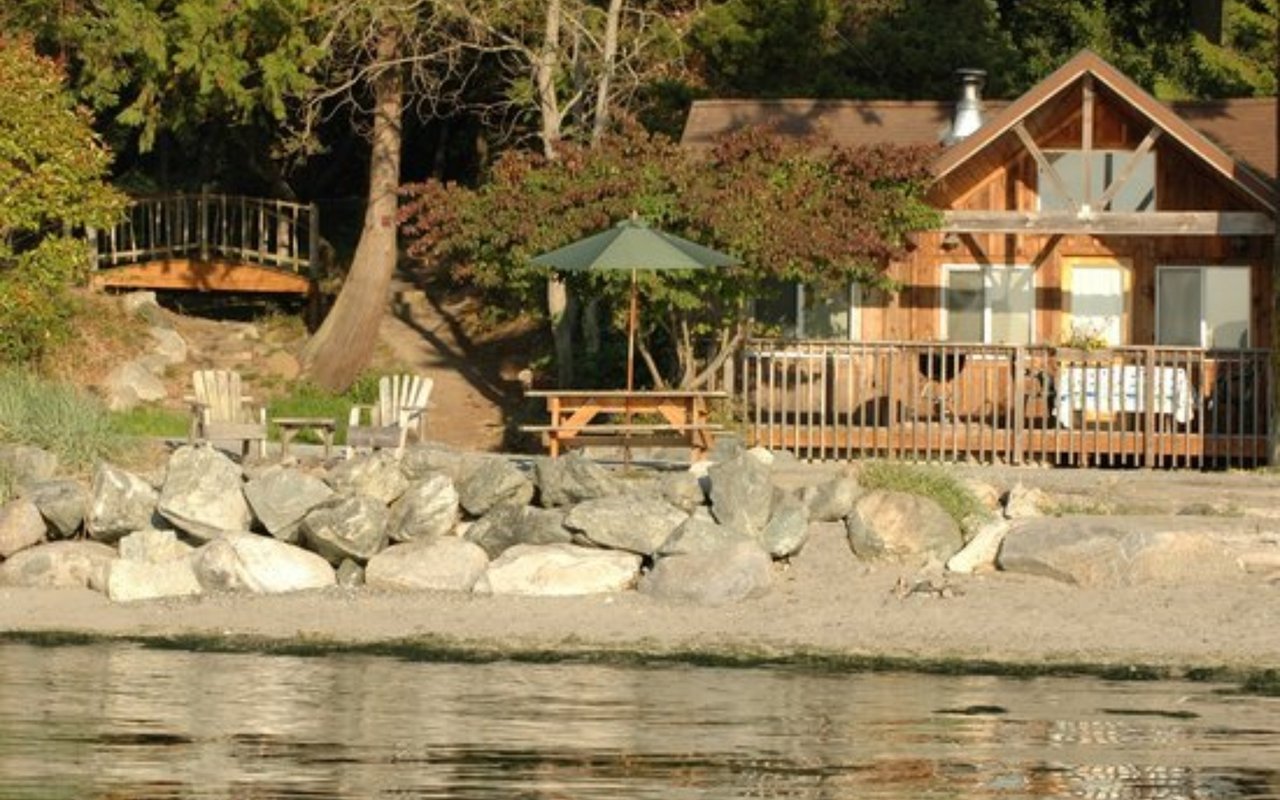
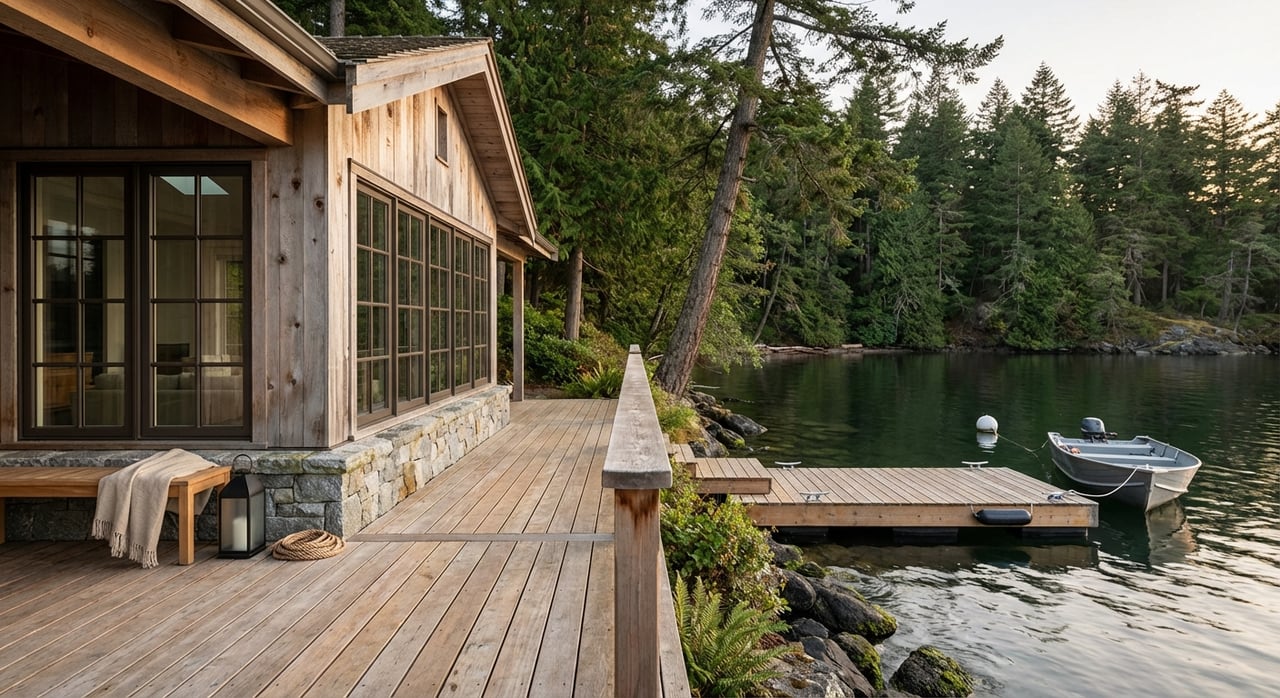
Waterfront and view homes around Deer Harbor are sited to capture harbor and channel vistas. Shorelines vary across the area. You will see a mix of high‑bank viewpoints, some lower bank segments, and rocky or mixed shore. Because conditions differ by parcel, confirm whether a property includes beach access, tidelands ownership, or path easements. Local associations and visitor resources provide useful area context, such as the Deer Harbor community site.
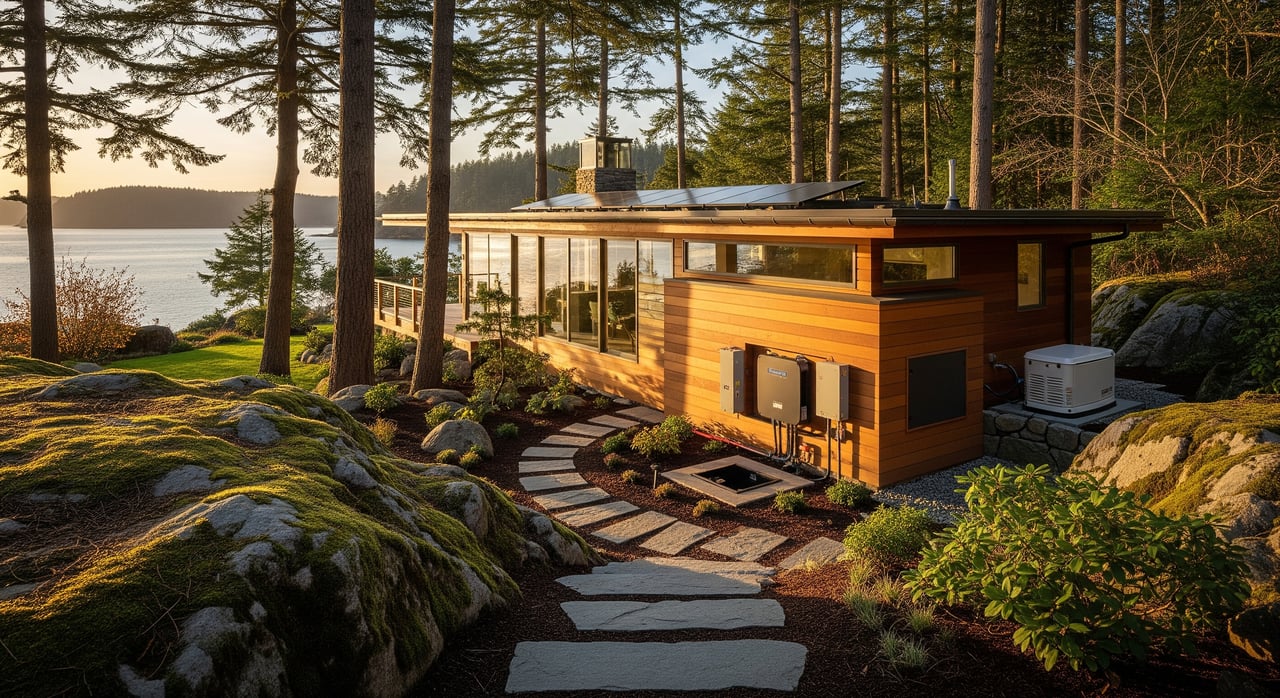
Utilities are straightforward once you know the island system. Electric service is provided by the island cooperative, OPALCO. Many upland parcels use private wells or community water associations. Septic systems are the norm for wastewater.
Docks, buoys, and permits
If you want a private dock or buoy, plan for a careful review. San Juan County’s Shoreline Master Program sets strict standards for docks, floats, and marinas. Before you assume a new dock is possible, check whether a parcel already has a permitted structure or whether new permits would be required. You can read the county shoreline code here: San Juan County SJCC 18.50.
Over‑water structures often need approvals from multiple agencies. The Washington Department of Natural Resources manages state aquatic lands and describes aquatic leases and the Joint Aquatic Resources Permit Application. Learn more about lease and authorization steps at Washington DNR Aquatic Leasing.
In practice, an existing dock or aquatic lease is a formal contract with conditions and rent. Verify permits, DNR lease status, as‑built drawings, and whether any approvals are transferable or renewable. For a step‑by‑step look at a typical San Juan Islands dock permit sequence, this local guide is helpful: Private Dock Permits in the San Juan Islands.
Septic, wells, and site checks
On‑site sewage systems in Washington follow state rules administered by local health departments. Expect to review inspection history, reserve areas, and maintenance plans on island lots. You can read the statewide framework here: WAC 246‑272A for on‑site sewage systems.
If a property relies on a private well or water association, confirm connection details and capacity for your intended use. For power, check service status and any planned upgrades with OPALCO. If you are close to the shoreline, ask your insurance advisor about flood mapping and any coastal hazard considerations before finalizing coverage.
Market snapshot for waterfront buyers
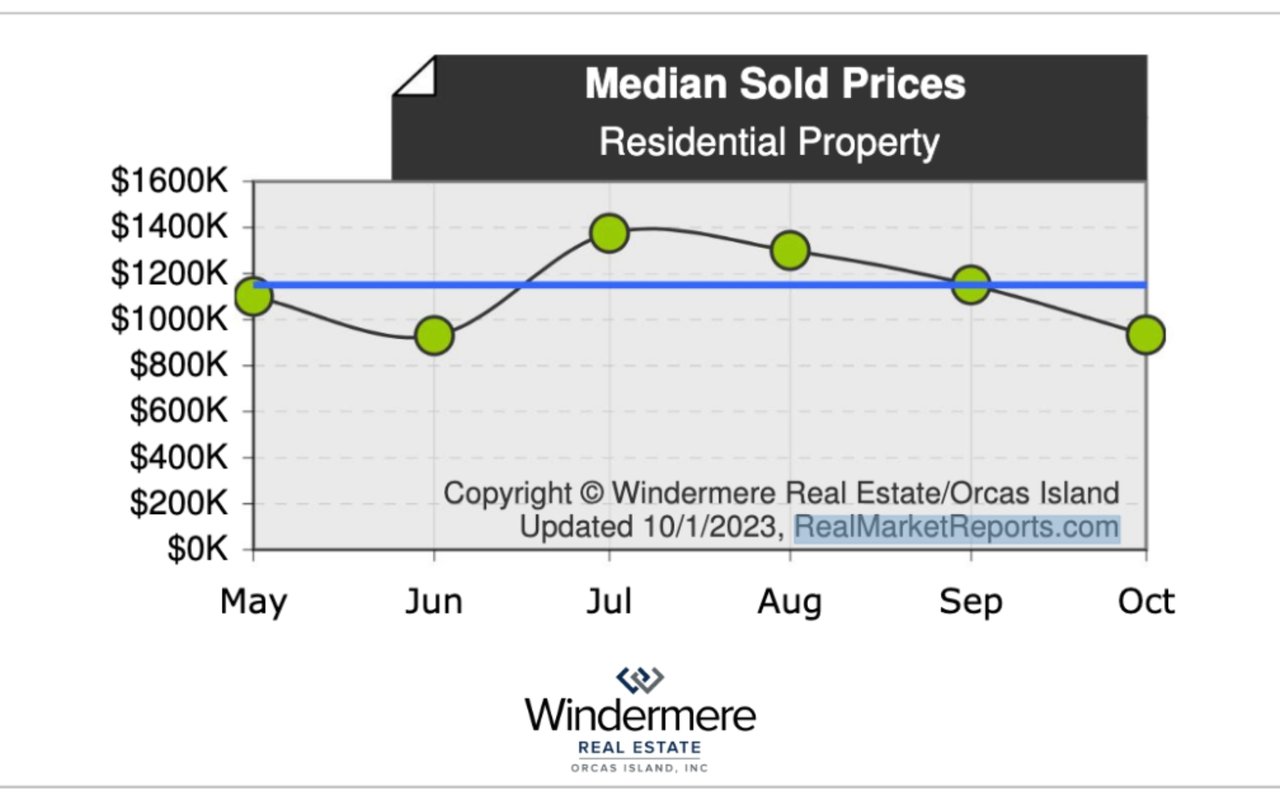
County data show a clear premium for waterfront homes compared with inland property. Recent county sale tables report a median sale price for Residential Waterfront Improved near 1.45 million dollars. Because numbers change with each reporting period, review the latest data at the county’s site: San Juan County sales data.
Buyer checklist for boat‑minded homes
Use this quick list to focus your due diligence.
- Confirm moorage and transfer rights. Is a slip or buoy tied to the property, and is it actually transferable? Check any marina lease or DNR authorization in writing. Start with the state’s overview of aquatic leases and approvals.
- Verify permits for any existing dock or float. Request county shoreline permits and confirm whether approvals are current. Review SJCC 18.50 shoreline rules.
- Understand the dock permit path. Many projects involve county, state, and federal steps. This local primer outlines a typical sequence: San Juan Islands dock permit guide.
- Check septic and water. Obtain septic inspection records, as‑builts, and reserve area documentation. Confirm water source and capacity. See WAC 246‑272A for septic system basics.
- Plan service and maintenance. Identify the nearest suitable yard for your vessel size and schedule work with enough lead time. On Orcas, boaters often plan major service with established regional yards.
- Know marina policies and costs. Ask about seasonal rates, live‑aboard rules, sublets, and waitlists. For a local perspective on slip availability and transfer issues, see this Orcas moorage overview.
Living in Deer Harbor day to day
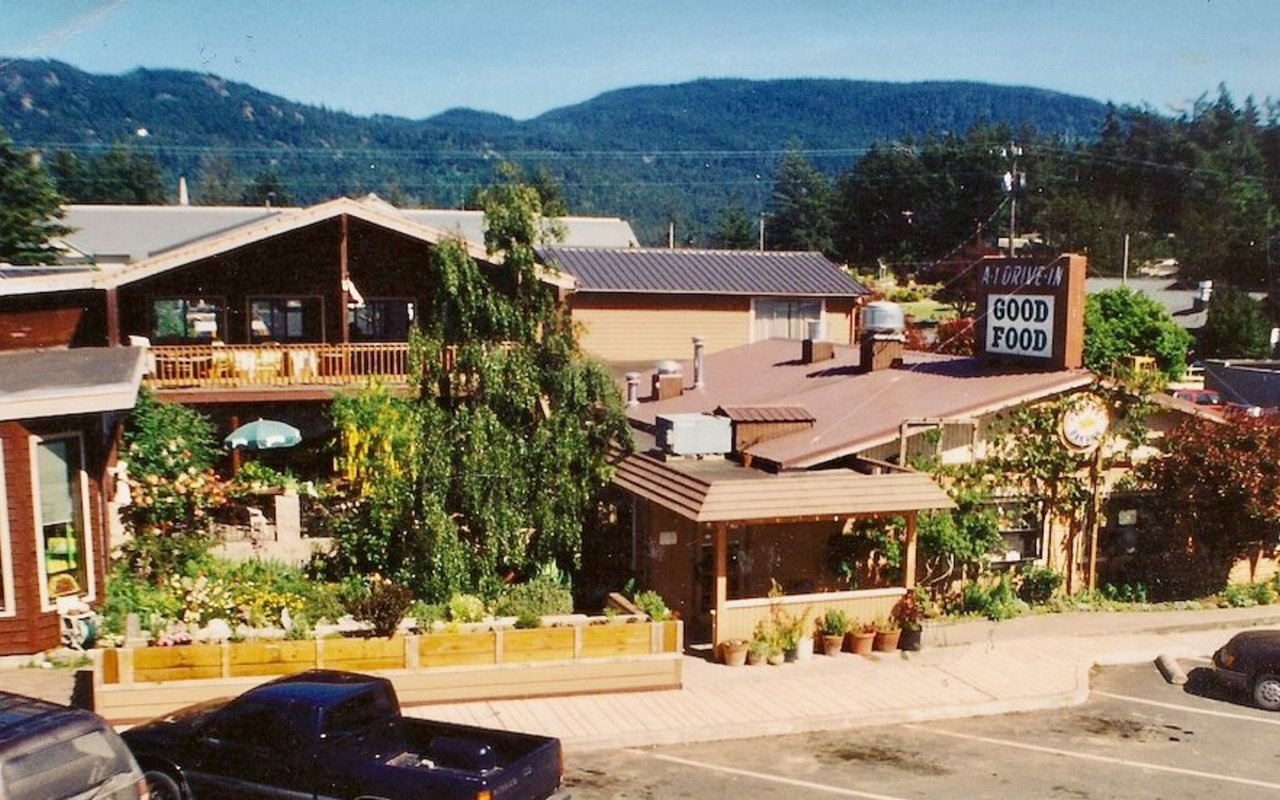
Life here moves at a calm island pace. The marina’s dock store and deli cover basics like coffee, snacks, ice, and simple groceries. A few casual spots are within walking distance for an easy meal after coming off the water. Taxis and car services connect you to Eastsound if you want broader shopping or dining. For current services and hours, check the Deer Harbor Marina.
Getting here
You can reach Orcas Island by ferry or floatplane, with commercial floatplane service offering scheduled and charter flights to the island. Many owners enjoy the simplicity of tying up, walking to their home, and unwinding on the deck by sunset.
Work with a local waterfront advisor
You deserve more than a pretty view. You deserve clear answers on moorage, dock permits, septic and wells, and the realities of island ownership. Our team pairs local stewardship with premium marketing so you can buy or sell with confidence. Ready to talk through a property or plan your search in Deer Harbor? Connect with True North Realty / Orcas Island for thoughtful, place‑based guidance.
FAQs
How reliable is Deer Harbor Marina moorage in summer?
- Summer demand is high, especially in July and August, so plan ahead and book early. Off‑season often has more first‑come availability. Check the marina’s current reservation process.
Can I build a private dock on Deer Harbor waterfront?
- Maybe. Dock feasibility is site‑specific and regulated under SJCC 18.50 plus state and federal approvals. Verify permits and constraints before assuming a new dock is possible.
Do moorage or buoy rights transfer with a home sale?
- Often no. Slips are typically leases with a marina or a state aquatic authorization, not a deeded right. Confirm who holds the agreement, transfer rules, fees, and any waitlist.
What utilities serve waterfront homes near Deer Harbor?
- Electric is provided by OPALCO. Many homes use private wells or community water systems and rely on on‑site septic. Verify connections, capacity, and maintenance records during due diligence.
Where can I haul out near Deer Harbor?
- For routine or smaller work, many owners use on‑island providers. For larger or specialized projects, plan service windows with established regional yards that support your vessel size.
Are Jones Island mooring buoys reservable?
- No. State park mooring buoys are typically first‑come, first‑served, and docks may be seasonal. Arrive early during peak months and have a backup plan.