Thinking about turning a Deer Harbor property into a vacation rental? In San Juan County, permits, septic capacity, and taxes can shape your returns as much as nightly rates. You want a clear path, fewer surprises, and confidence before you write an offer. In this guide, you’ll learn how permitting works in San Juan County, what to verify in Deer Harbor on Orcas Island, typical timelines, and common pitfalls to avoid. Let’s dive in.
What “vacation rental” means here
A vacation rental in San Juan County can be owner occupied or non-owner occupied, and the rules vary by use, structure type, and zoning. Some rentals operate as an accessory use to your primary home, while others require formal county registration or a conditional use permit. The county treats these as land-use activities, so your path depends on where the property sits and how you intend to host. Before you budget revenue, identify which category applies to your plan.
Zoning checks for Deer Harbor
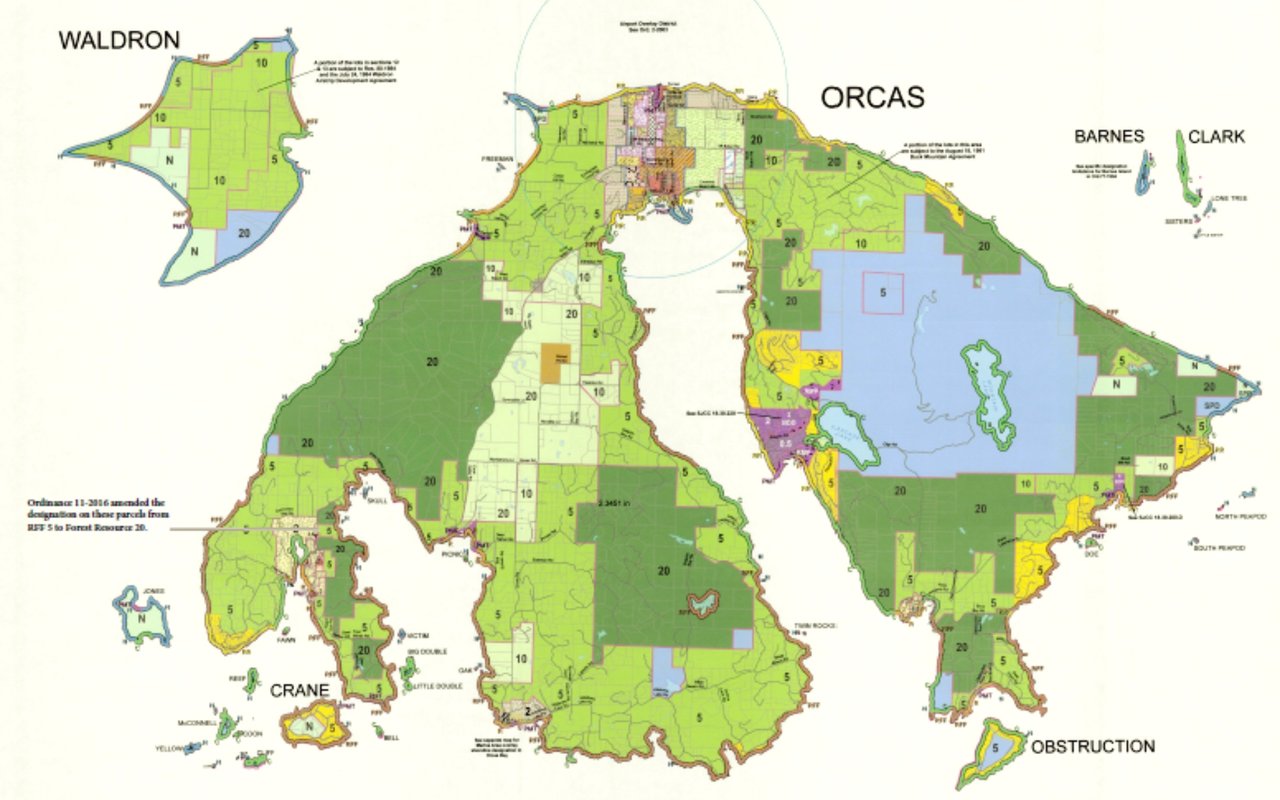
Deer Harbor sits on Orcas Island, and zoning is your first gate. Find the parcel’s zoning designation and any overlay districts that may apply, such as shoreline or critical areas. Review island-specific policies or community plans that can limit or shape short-term rental use. If you plan to rent an accessory dwelling unit, confirm whether the zone allows it and whether separate approvals are needed.
Shoreline and critical areas
Many Deer Harbor properties are near water or slopes. Shoreline jurisdiction and critical area protections can add rules that affect parking, occupancy, or future improvements tied to rental use. If you anticipate higher guest counts, confirm how shoreline rules interact with your site plan. Build your strategy around what the parcel can support rather than what you hope to host.
Permits, registrations, and approvals
San Juan County requires compliance with county land-use rules and an STR registration or permit pathway, depending on your use and zone. Non-owner-occupied rentals and properties operated primarily as a business typically need explicit county registration and proof of compliance with safety and capacity standards. Some situations require a conditional use permit, which involves public notice and hearings. Ask early whether your planned use fits an administrative registration or a conditional process.
Safety and occupancy standards
Expect basic life-safety requirements such as smoke and carbon monoxide alarms, fire extinguishers, and safe egress. Parking minimums, clear address signage, and emergency access are common conditions. Occupancy limits often track with bedroom count or septic system design capacity. If there are multiple units or an ADU, confirm how occupancy is calculated and enforced.
Septic and water requirements
San Juan County Health & Community Services oversees wastewater and water standards. STR use can trigger a closer look at septic capacity, maintenance history, and inspection currency. If you are on a private well or a shared system, verify potable water standards and service agreements that match your intended guest count. Budget time and funds for potential upgrades if records are incomplete or capacity is tight.
Taxes and business registration
Operating a vacation rental in San Juan County includes state and local tax obligations. You must register for state sales tax and lodging-related taxes, and then remit on a regular schedule. The county also administers local lodging tax programs separate from land-use permits. Set up accounting systems early so you can file monthly or quarterly as required.
Typical timelines to plan for
- Initial zoning and eligibility checks: immediate to 1–2 business days if you use county resources or contact a planner.
- Administrative STR registration: about 2–8 weeks when your application is complete and the county is current on processing.
- Conditional use permit: roughly 3–6 months or longer due to public notice, hearing calendars, and possible appeals.
- Septic and well inspections or upgrades: 2–8 weeks, depending on contractor availability and scope.
- State and county tax registrations: often effective within days, but allow time to set up your systems for remittance.
- Transfer of existing STR documentation: if allowed, expect 2–6 weeks and potential verification steps.
These are typical ranges. Hearing schedules, staffing, and required upgrades can extend timelines, so build buffers into your plan.
Caps, overlays, and evolving policy
Many island communities consider caps or density limits on STRs. San Juan County has debated approaches such as numerical caps by neighborhood or island and limits in saturated areas. Shoreline and resource-zoned parcels often face stricter rules that can limit new commercial uses. Track current County Council agendas and recent code amendments so you do not underwrite a plan that could change.
Due diligence before you write an offer
Gather and verify documentation up front. Ask for these items and build contingencies around them:
- STR registrations and land-use approvals
- Copies of any current STR registration, conditional use permits, and related county decisions.
- A zoning confirmation or GIS printout showing the parcel’s designation and any overlays.
- Taxes and business compliance
- Proof of state sales tax and lodging tax registration and recent filings.
- Any county business registration documents if required.
- Septic and water
- Septic inspection and pump-out records, system design documents, and permits for repairs or upgrades.
- Well logs or community water service agreements with capacity statements.
- Safety and occupancy
- Records of safety inspections or correspondence with the fire marshal or emergency services.
- Current house rules for guests, including parking plans and quiet hours, plus any enforcement history.
- Private restrictions and access
- HOA CC&Rs and any recent rulings about STRs, parking, or use limits.
- Easements, access agreements, and road maintenance agreements.
- Compliance and history
- Copies of past listings or ads showing how the property has been marketed.
- Any code enforcement records and complaint logs.
- Insurance declarations confirming short-term rental coverage and any claims history.
- Title and unit legality
- Title report for recorded covenants or restrictions that affect rental use.
- If an ADU or separate unit is involved, confirm permitting history and whether short-term rental use is allowed.
Common pitfalls to avoid
- Skipping the zoning step. A beautiful setting does not guarantee the use you want. Always confirm the parcel’s zoning and overlays.
- Assuming a permit transfers. Some jurisdictions allow transfers, while others require re-registration by the buyer. Build time for administrative reviews.
- Overlooking septic capacity. Occupancy typically follows septic design limits; upgrades can be costly and time consuming. Prioritize clean records and recent inspections.
- Ignoring HOA restrictions. An HOA can prohibit STRs even if the county allows them. Read the CC&Rs and ask for documented enforcement history.
- Separating taxes from operations. Registration and remittance are ongoing obligations. Set up systems at closing so you stay compliant from day one.
Budget and timeline strategy
Create a simple pro forma that includes permit fees, potential septic work, safety upgrades, and tax setup. Add carry time for a 2–8 week administrative registration or a 3–6 month conditional process. If a shoreline or critical area review applies, include consultant costs and longer lead times. Keep a contingency reserve for guest parking adjustments or emergency access improvements.
How to structure your offer
Write contingencies around permits, taxes, and system capacity. Request full STR documentation and recent tax filings, plus septic and water records. If a permit transfer is possible, require seller cooperation and a clean enforcement history. If a new permit is needed, include time for application and any inspections.
Working with a local advisor
Island rules and logistics are different, and they change. An on-island brokerage can help you verify current county processes, connect you with qualified inspectors, and structure your timeline around ferry, contractor, and county calendars. The goal is simple: protect your downside while you position the property for reliable hosting.
If you are weighing a Deer Harbor purchase with short-term rental potential, we can help you confirm eligibility, gather the right documents, and plan an efficient path from offer to compliant operation. Contact True North Realty Orcas Island, Inc. to start a focused conversation about your goals.
FAQs
Do I need a San Juan County permit to operate a vacation rental in Deer Harbor?
- Yes, county rules apply and requirements vary by zoning, owner occupancy, and unit type; confirm whether you need an STR registration or a conditional use permit for your planned use.
How long does a San Juan County vacation rental permit take?
- Simple registrations often take 2–8 weeks when complete, while conditional use permits commonly run 3–6 months or more depending on notice, hearings, and appeals.
Are vacation rental permits transferable when buying on Orcas Island?
- Some jurisdictions allow transfers while others require re-registration; verify San Juan County’s current rules and plan for 2–6 weeks of administrative processing and possible inspections.
What septic and water standards apply to Deer Harbor vacation rentals?
- Expect proof of adequate septic capacity and current maintenance, plus potable water that matches guest counts; shared systems require service agreements and capacity confirmation.
How are lodging and sales taxes handled for rentals in San Juan County?
- You must register for state and local lodging-related taxes and remit on a regular schedule separate from land-use permits; set up systems to file monthly or quarterly as required.
Can an HOA block short-term rentals even if the county allows them?
- Yes, HOA CC&Rs can prohibit or limit STRs; obtain the documents and review recent HOA rulings or enforcement history before you commit.
What happens if I operate without proper approvals in San Juan County?
- You risk warnings, fines, stop-use orders, tax penalties, and possible suspension or revocation of approvals, which can also impact resale and insurance.