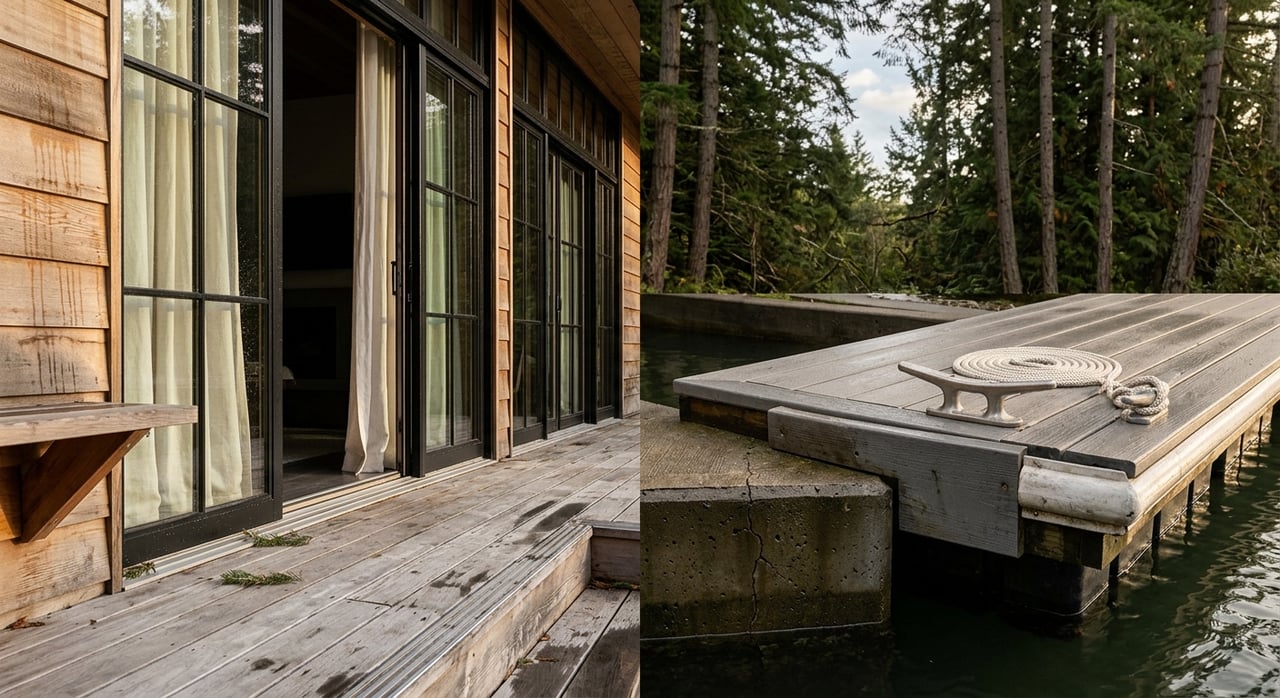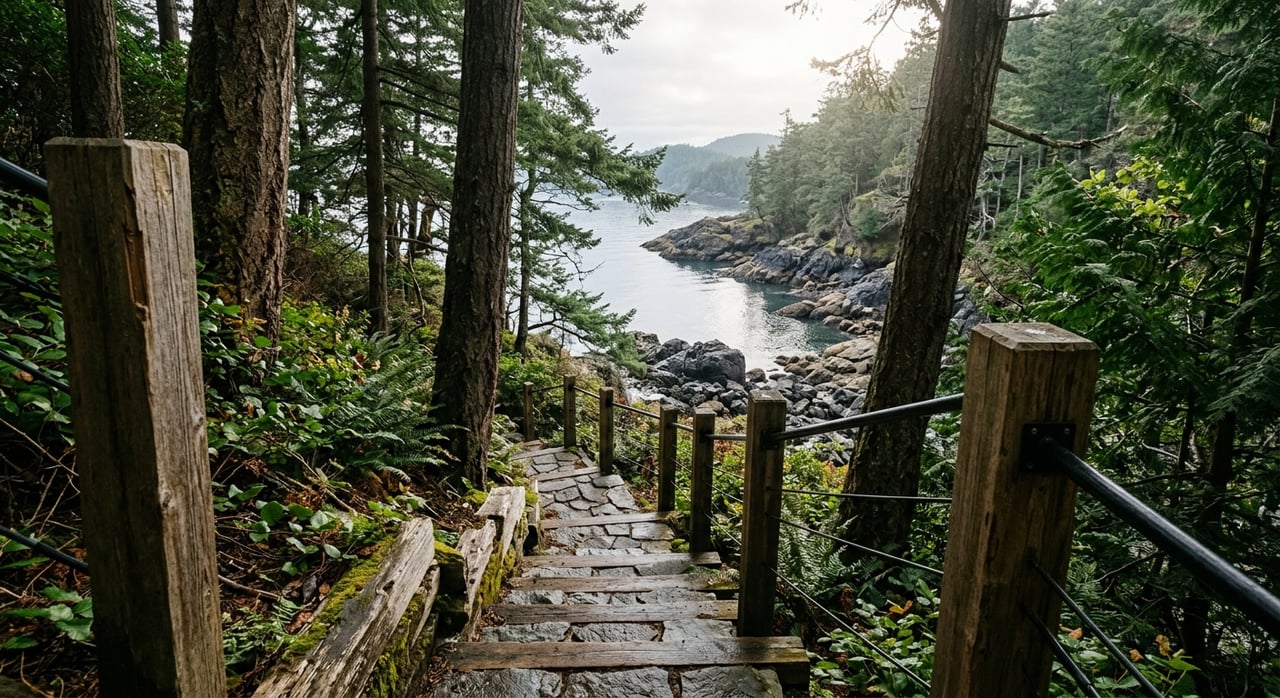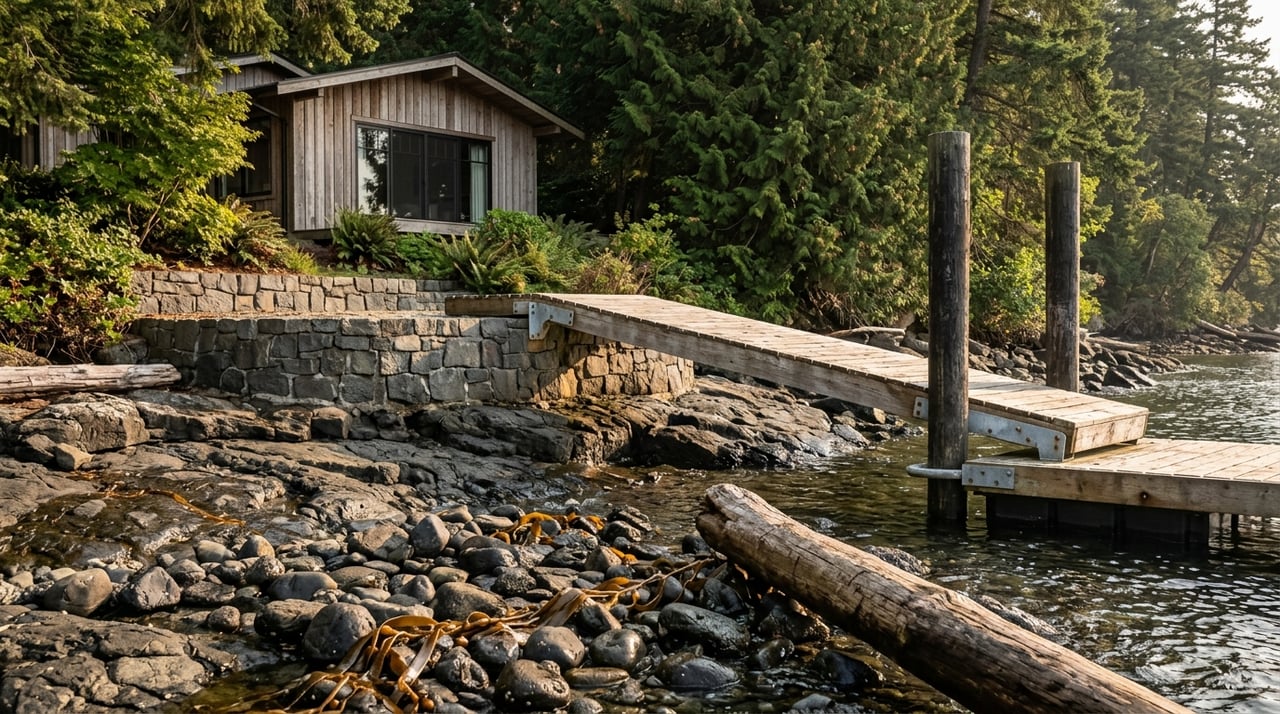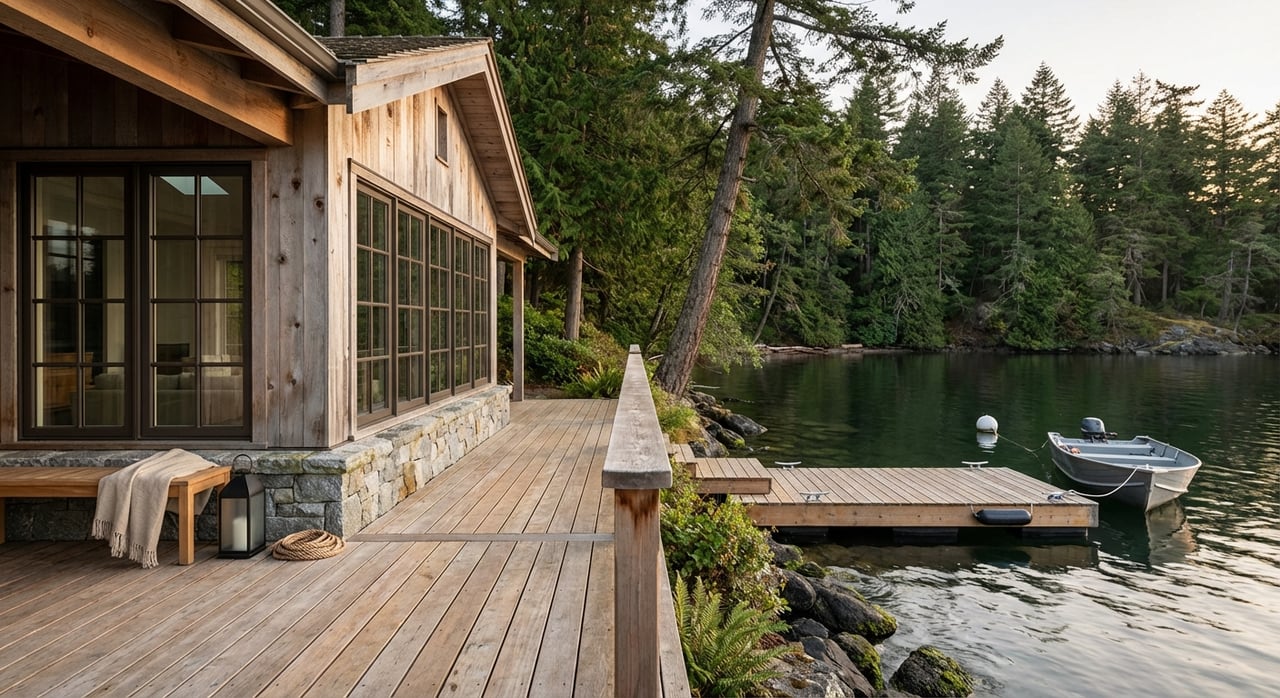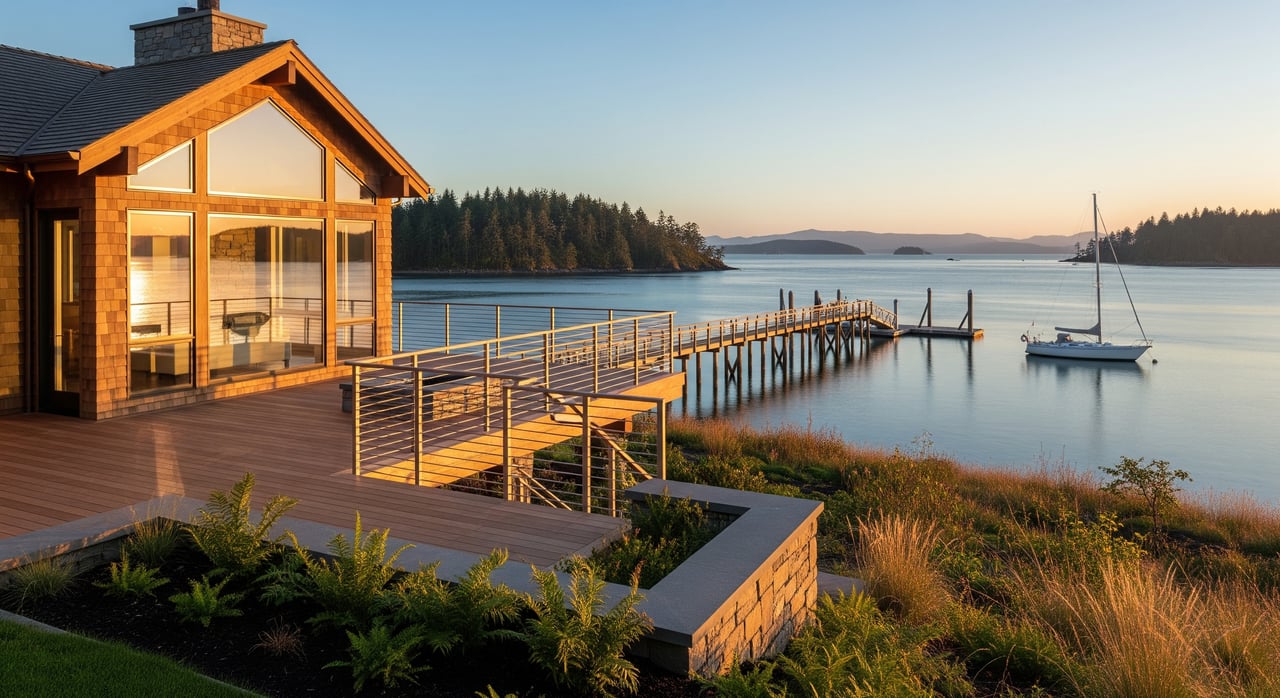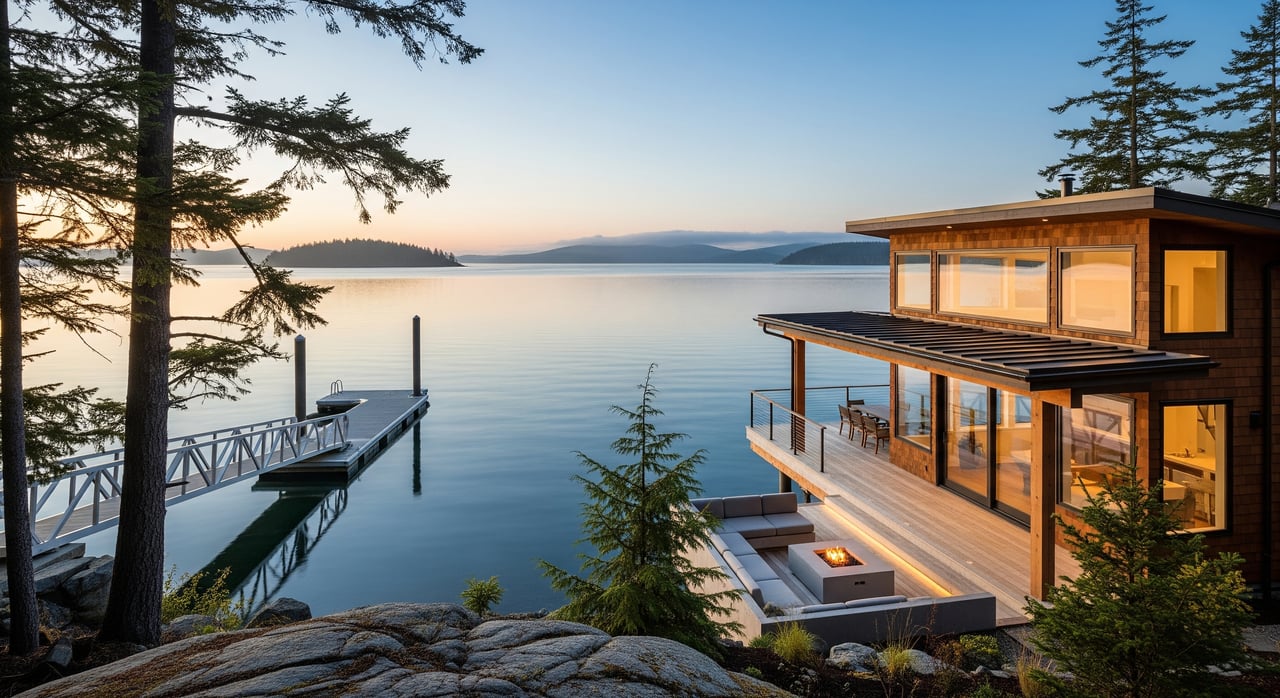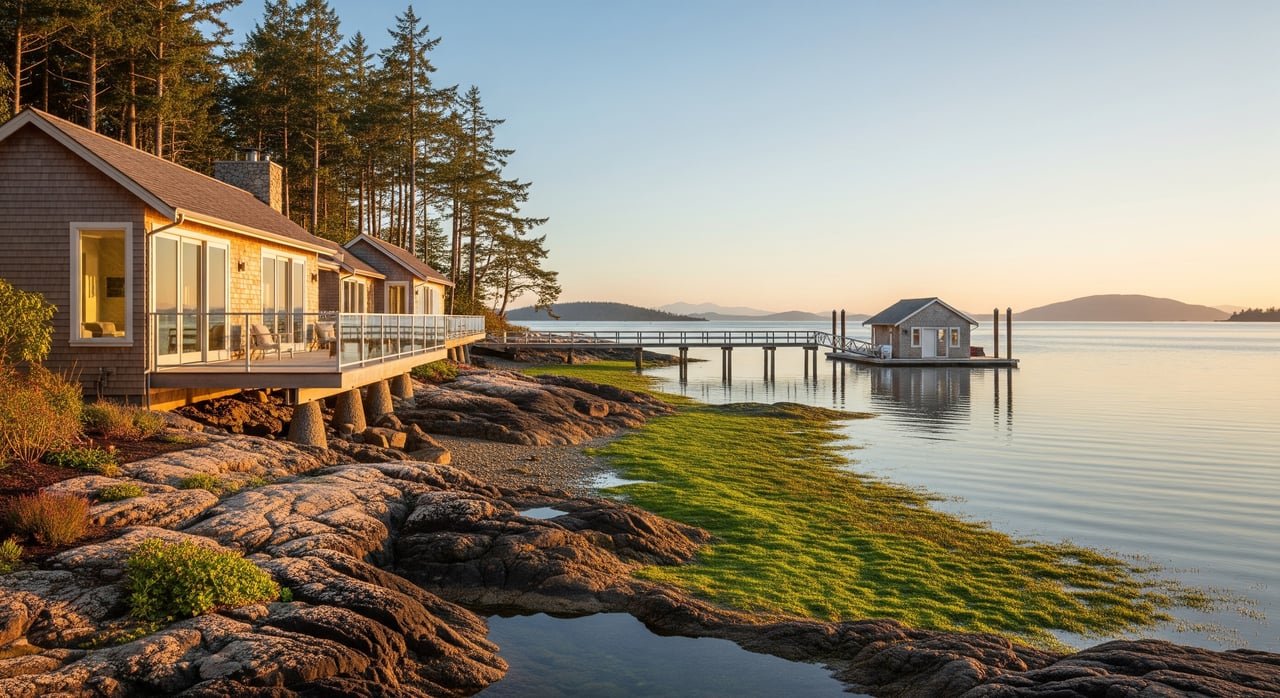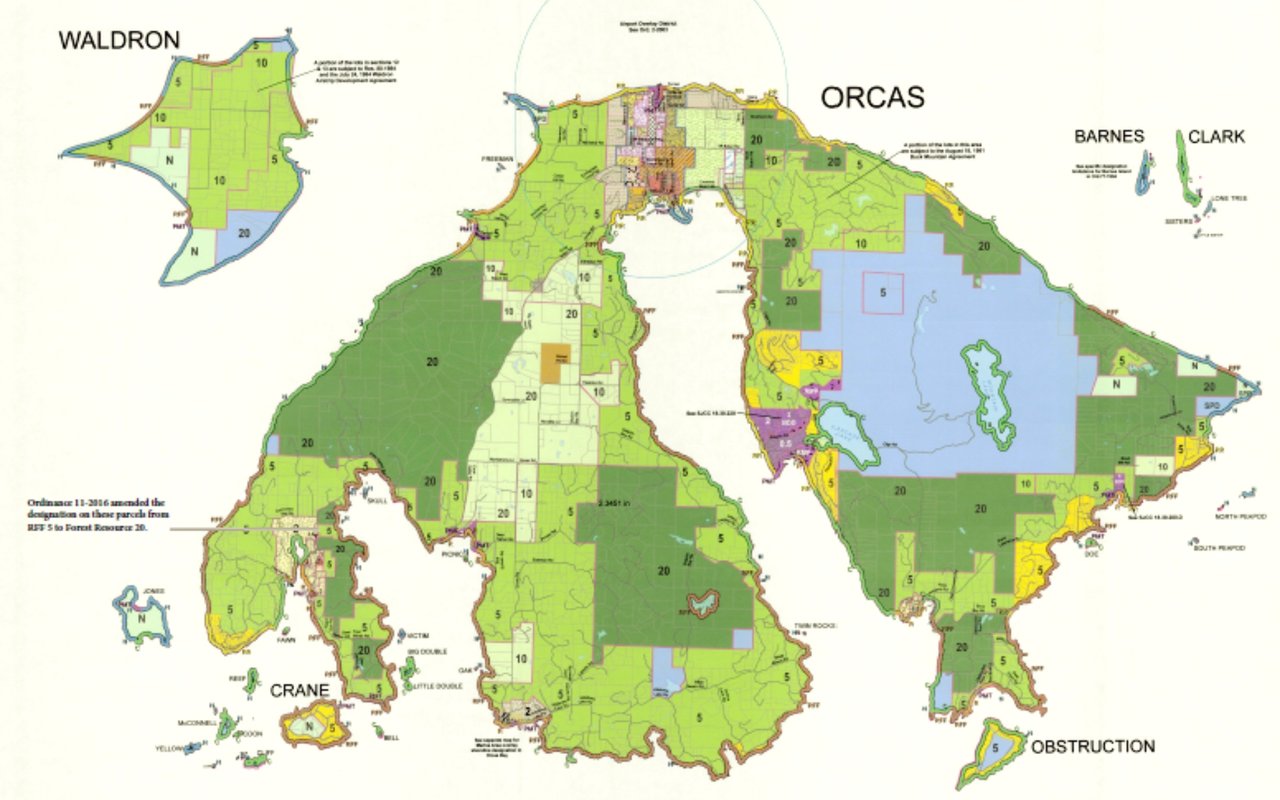
Thinking about adding a private dock to your Olga waterfront home? The idea is exciting, but the path from concept to construction involves multiple agencies, careful design, and seasonal timing. You want a clear plan that protects your shoreline investment and respects the islands’ sensitive habitat. In this guide, you’ll learn who approves docks, the typical permits, timelines, design choices that reduce friction, and smart alternatives if a dock is not feasible. Let’s dive in.
Who approves docks in Olga
Building a private dock in Olga and across San Juan County typically involves several regulators. Each agency looks at a specific aspect of your project.
- San Juan County Planning & Community Development: Administers the Shoreline Master Program, shoreline permits, exemptions, and local critical-area rules.
- Washington Department of Fish & Wildlife (WDFW): Issues the Hydraulic Project Approval for in-water work, sets in-water work windows, and conditions to protect fish and habitat.
- U.S. Army Corps of Engineers (USACE): Regulates structures and fill in navigable waters and wetlands. Many residential docks use Nationwide Permits, but verification or individual review can apply.
- Washington Department of Ecology: Provides Section 401 Water Quality Certification when federal permits require it and enforces water quality standards.
- Washington Department of Natural Resources (DNR): Manages state-owned aquatic lands. If your dock extends over state tidelands or submerged lands, expect to need a DNR lease or authorization.
- Federally recognized tribes and cultural resource authorities: Tribes with treaty fishing rights are consulted on projects that may affect fisheries or cultural resources; archaeological review may be required.
- Washington State Historic Preservation Office (SHPO): Reviews potential effects on archaeological or historic resources when ground disturbance is involved.
Permit steps and sequence
Every site is different, but most private dock projects follow a common path. Expect some steps to overlap.
Pre-application due diligence
- Confirm upland and tideland ownership and whether your concept crosses state aquatic lands.
- Survey the site: bathymetry, substrate, eelgrass, forage fish habitat, and salmonid use. A qualified nearshore biologist often maps eelgrass and other resources.
- Review the County Shoreline Master Program and Critical Areas rules for allowable dock types, size limits, and setbacks.
- Speak with a local marine contractor or shoreline consultant to shape a design that reduces impacts, such as a floating dock with minimal piles.
- Contact County planning for a pre-application meeting to validate requirements and expectations.
Core permits and authorizations
- County shoreline approval: Smaller projects may qualify for an exemption. Larger docks typically need a Shoreline Substantial Development Permit. Some proposals require a Conditional Use Permit or Variance. Public notice and neighbor notification often apply for non-exempt projects.
- WDFW Hydraulic Project Approval: Required for most in-water work. The HPA defines in-water work windows and protective methods, so apply early.
- US Army Corps of Engineers authorization: Section 10 and/or 404 permits. Many projects proceed under a Nationwide Permit with pre-construction notification; others need an Individual Permit depending on scope and impacts.
- Ecology 401 Water Quality Certification: Required when federal permits and potential water quality impacts are involved.
- DNR aquatic lands authorization: If the dock footprint is over state tidelands or submerged lands, a DNR lease or easement is typically required. Expect surveys, potential public notice, and rent for aquatic lands use.
- Tribal consultation and cultural resources review: Coordination usually occurs through the County, Corps, or state agencies. Cultural resource surveys may be needed if risks are identified.
- Building permits and inspections: Local building approvals and inspections may be required for structures.
Typical application materials
- Scaled site plan, dock layout, and upland connections
- Bathymetric profile and tidal elevations
- Construction methods and materials (float dimensions, ramp lengths, pile size and number)
- Biological surveys and mitigation plans (eelgrass and forage fish)
- Stormwater considerations for any upland work
- Photos documenting existing shoreline conditions
- Ownership documents and DNR tideland determinations
- Public notice materials and neighbor notification records
- Engineer or contractor statements as required
Timelines to expect
Dock permitting is not overnight. Your actual pace depends on project scope, site sensitivity, lease needs, and public input.
- Small, straightforward projects that fit exemptions or standard templates: a few weeks to several months.
- Typical residential docks needing County approval, WDFW HPA, DNR authorization, and Corps review: about 3 to 12 months from pre-application to approvals.
- Complex projects with eelgrass issues, DNR lease negotiation, contested permits, or an Individual Corps permit: 12 to 24 months or longer.
Even after approvals, your construction schedule will be constrained by in-water work windows. These seasonal windows can extend the total calendar time to completion.
Design and ecology
Olga and the surrounding coves include sensitive nearshore habitat. Your design should reduce shading and in-water disturbance while meeting your moorage needs.
- Key constraints: eelgrass beds, forage fish spawning beaches, salmonid use, and local substrate and drift-cell dynamics. These resources often define what is feasible.
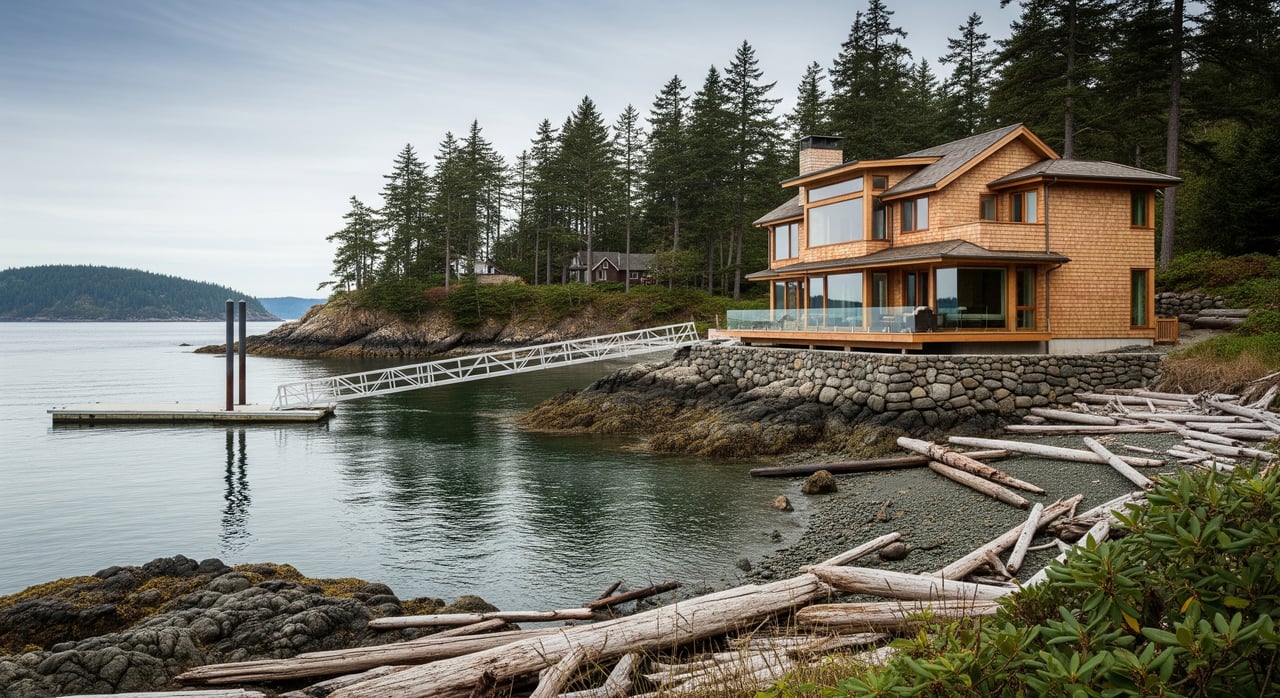
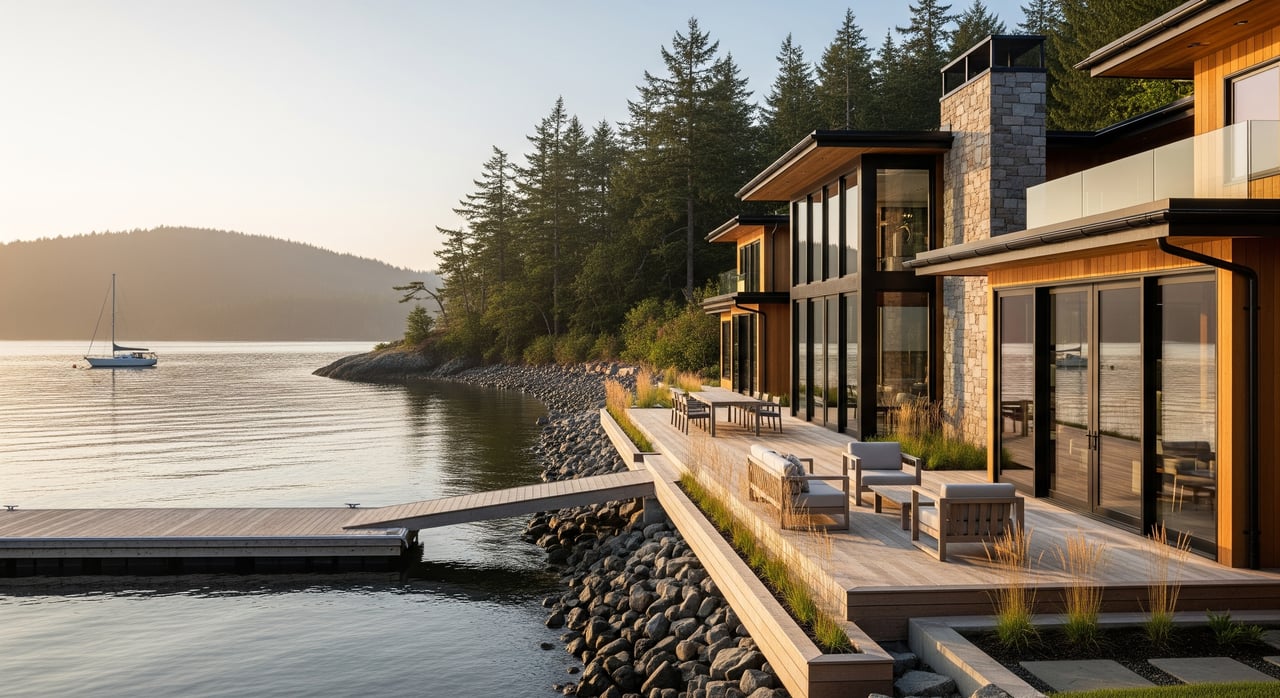
- Smart design principles: Favor floating docks over fixed-pile where appropriate, minimize overwater coverage, use open-grate decking, and reduce the number of piles. Consider seasonal or removable floats to lower long-term impacts.
- In-water work windows: WDFW sets area-specific timing to protect fish. Your HPA will define when you can work in the water and what methods you must use.
- Triggers for stricter review or denial: Direct eelgrass impacts without feasible avoidance or mitigation, significant shading, encroachment on navigation, or exceeding Shoreline Master Program limits.
Alternatives to private docks
A private dock is not the only path to safe and convenient moorage. Several alternatives can be easier to permit and maintain.
- Mooring buoy: Smaller footprint, no overwater shading, and often simpler authorizations. You still need adequate swing room and may need DNR authorization and an HPA if anchoring affects habitat.
- Community or shared dock: Consolidates use and impact. This can be a strong solution in sensitive coves but requires agreements and coordinated management.
- Seasonal or portable docks: Can reduce long-term shading and sometimes qualify for simplified permits. Best for lighter, seasonal use.
- Boat lifts or pile moorings: Lower overwater area and can keep a vessel out of the water. They still involve in-water structures and permitting in some cases.
- Upland hoists and storage: Minimal shoreline impact when the site allows it.
Buyer and seller checklist
Before you write an offer or list a waterfront property in Olga, surface these items early.
- Do the deed and title show littoral rights or tideland ownership? Has a DNR tideland determination been completed?
- Is there an existing dock, and is it fully permitted and compliant with County, DNR, and other agencies?
- Are eelgrass, forage fish spawning areas, or other critical habitats mapped on or near the foreshore?
- Has a recent professional site assessment been done, including bathymetry and eelgrass mapping?
- Are there HOA covenants or community rules that limit private moorage?
- What vessel type and size do you plan to use? Would a buoy, lift, or seasonal float better fit the site conditions?
- Do you have quotes from marine contractors and consultants who routinely work in San Juan County?
Common pitfalls in Olga
You can save months by avoiding the issues that most often slow projects.
- Assuming past use equals current permission. Older docks may predate current rules and can be hard to bring into compliance.
- Skipping DNR tideland checks. Extending over state aquatic lands without the right authorization is a major setback.
- Underestimating eelgrass. Missing or outdated eelgrass mapping can trigger redesign, added mitigation, and delays.
- Ignoring in-water work windows. Tight seasonal windows can push construction into the following year.
- Neglecting tribal and cultural resource review. These consultations are a standard part of responsible permitting.
Local starting points
Your most efficient next step is a pre-application conversation and a site-ready concept.
- San Juan County Planning & Community Development for Shoreline Master Program standards, exemptions, and permit guidance
- WDFW for Hydraulic Project Approval requirements and current in-water work windows
- U.S. Army Corps of Engineers, Seattle District for Section 10/404 authorization pathways
- Washington Department of Natural Resources for aquatic lands leases and tideland determinations
- Washington Department of Ecology for 401 certification questions
- Local marine contractors, licensed surveyors, and nearshore biologists with San Juan County experience
- Tribal natural resource departments, coordinated through County or WDFW contacts when needed
Costs to plan for
Permit fees are only one part of the budget. Most projects also include consultant and potential lease costs.
- Studies and design: Bathymetry, eelgrass and forage fish surveys, biological assessments, and engineering add professional fees.
- DNR aquatic lands: Lease processing, potential surveys, and ongoing rent if your structure occupies state aquatic lands.
- Mitigation and monitoring: Eelgrass transplant or monitoring may be required if impacts cannot be fully avoided.
- Construction: Length, float type, pile count, substrate, and access all affect pricing. Mooring buoys and seasonal floats are generally less costly but still require proper design and installation.
- Bids and references: Obtain multiple quotes from contractors with a local track record in the San Juans.
Next steps
If a private dock is important to your Olga property goals, start with tidy due diligence, a habitat-aware concept, and early outreach to the County and WDFW. Explore alternatives like a buoy or shared dock if your shoreline is highly sensitive or space constrained. A well-sequenced plan will protect both your timeline and the island waters you love.
If you are evaluating a waterfront purchase or preparing to list, our on-island team can help you frame the right questions, review existing permit status, and connect you with experienced local consultants. When you are ready to talk through options, reach out to True North Realty Orcas Island, Inc.. We’re here to help you plan with confidence.
FAQs
What permits do I need for a private dock in Olga?
- Expect County shoreline approval, a WDFW Hydraulic Project Approval, possible USACE authorization, Ecology 401 certification when applicable, and DNR authorization if you cross state aquatic lands.
How long does dock permitting take in San Juan County?
- Small, simple projects can take a few weeks to several months; typical residential docks run about 3 to 12 months; complex cases can extend to 12 to 24 months or more, plus seasonal construction windows.
Do I need a DNR lease if my dock crosses state tidelands?
- Yes, docks that occupy state-owned aquatic lands usually need a DNR lease or similar authorization, which can add processing time and rent obligations.
Can eelgrass prevent a dock on Orcas Island?
- Eelgrass is a key habitat that often limits piling and shading; direct impacts without feasible avoidance or mitigation can lead to stricter review or denial.
When can in-water construction happen around Olga?
- WDFW sets specific in-water work windows to protect fish and habitat; your HPA will define the allowable months and methods for your site.
What are good alternatives if a private dock is not feasible?
- Consider a mooring buoy, a community or shared dock, seasonal or portable floats, or a boat lift or pile moorings, depending on site conditions and use needs.