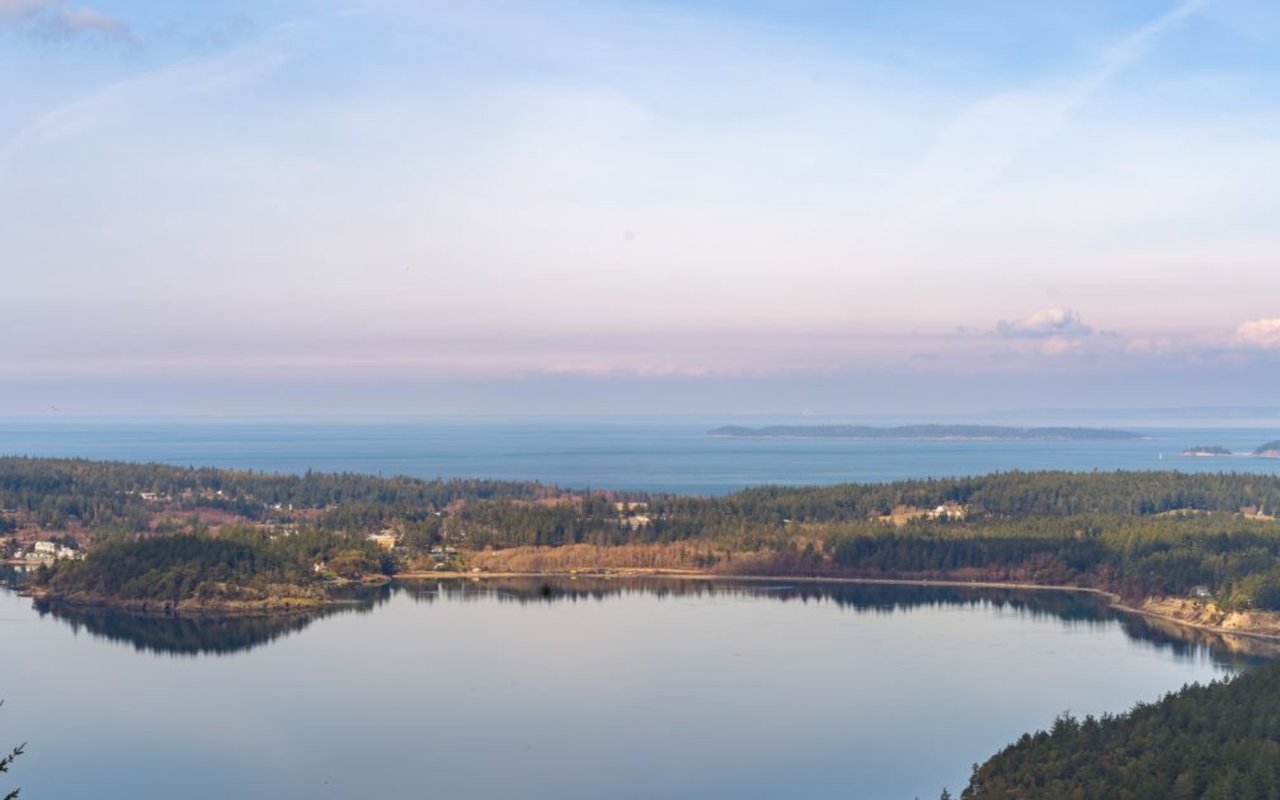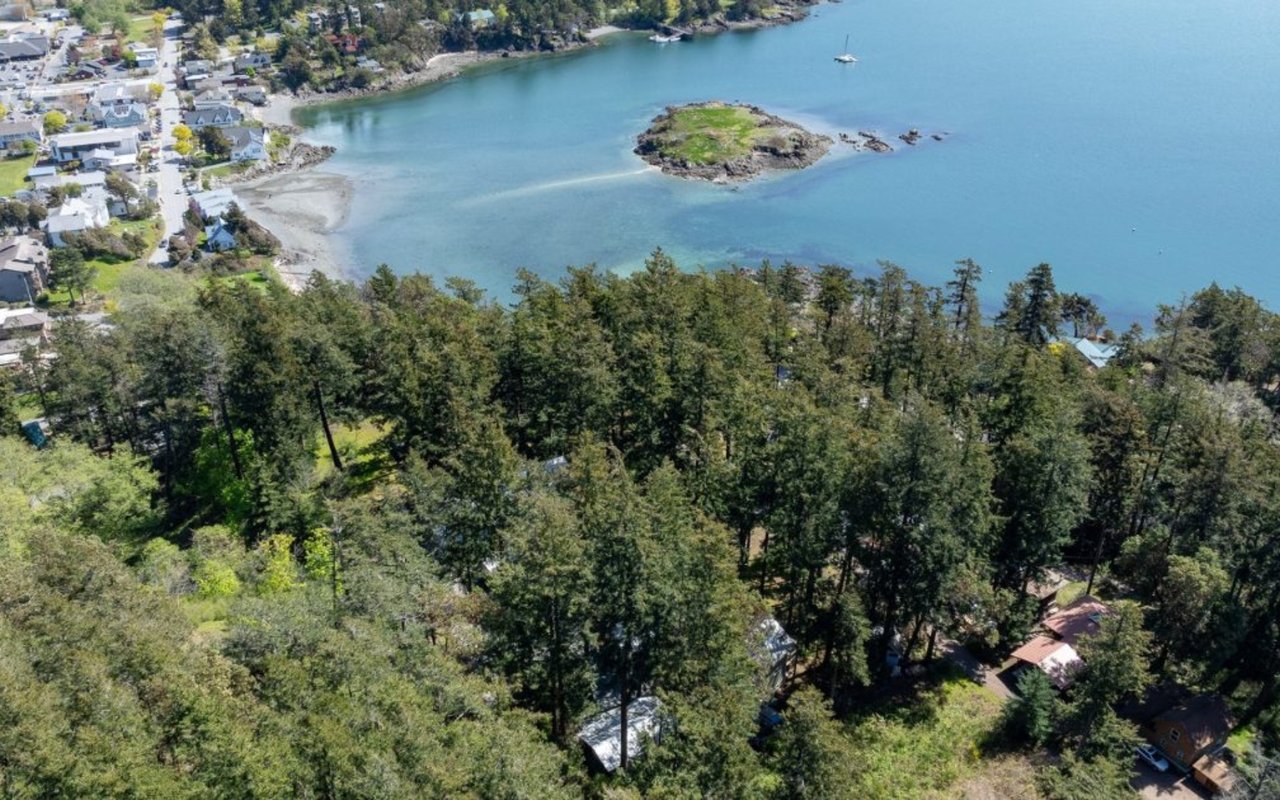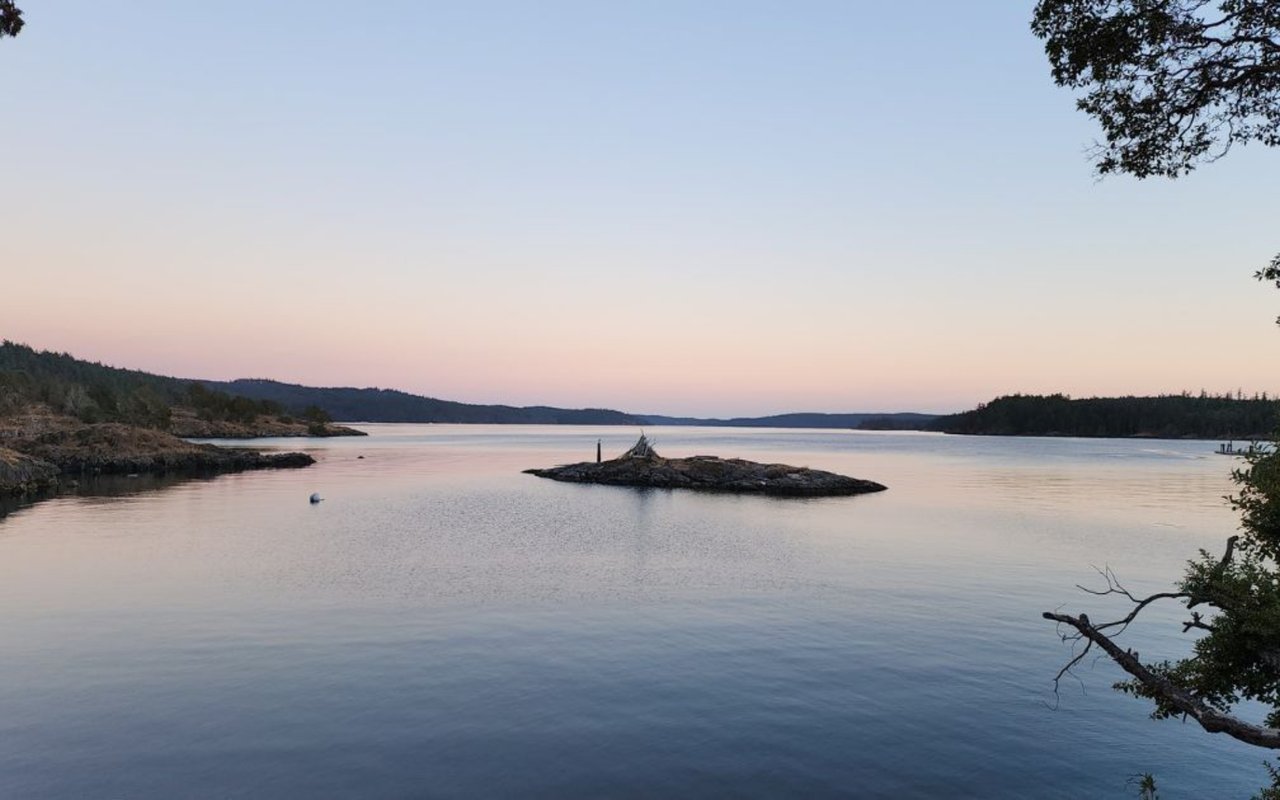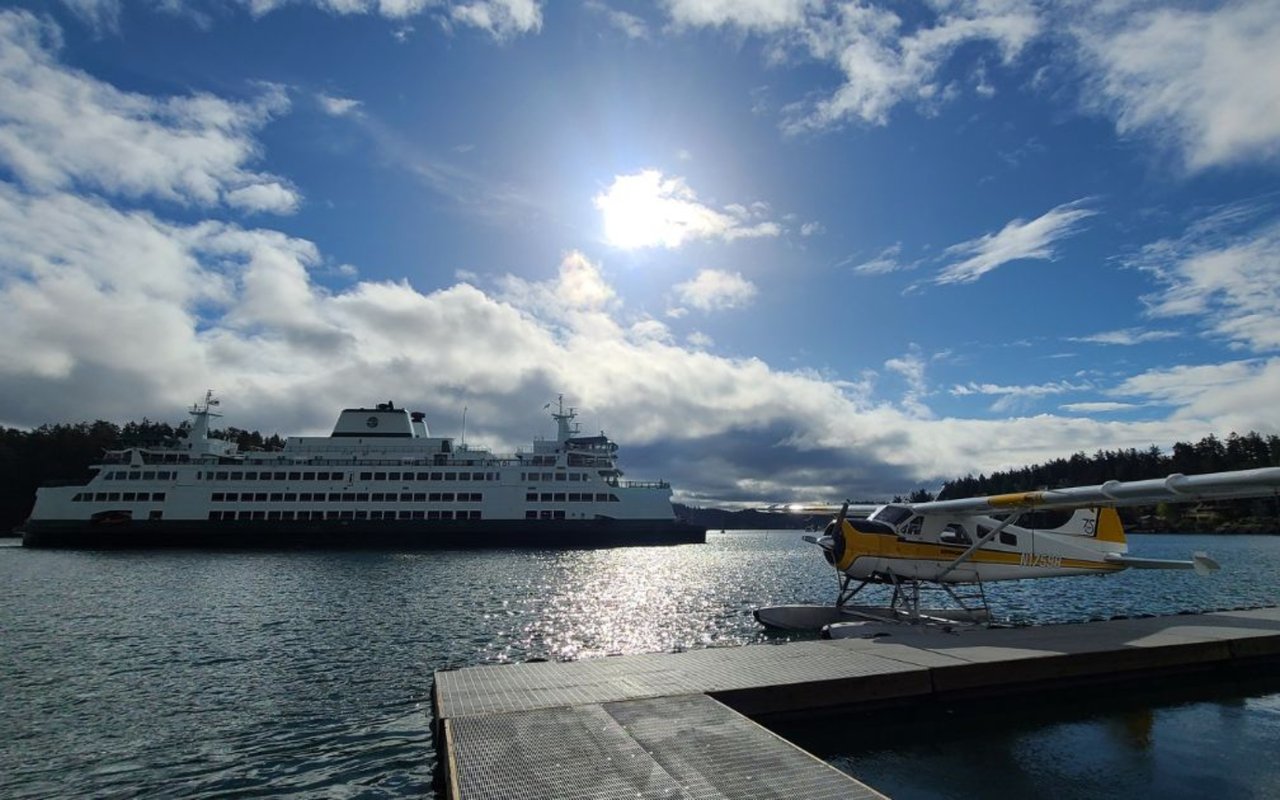
Wondering where to moor on Orcas Island, especially around Deer Harbor, West Sound, or Rosario? If you are exploring waterfront property or planning your boat’s home base, getting moorage right changes your day-to-day life on the water. In this guide, you will learn the moorage options that work on Orcas, what to expect in each area, seasonal timing, rules, and a practical checklist for confident decisions. Let’s dive in.
Moorage options on Orcas Island
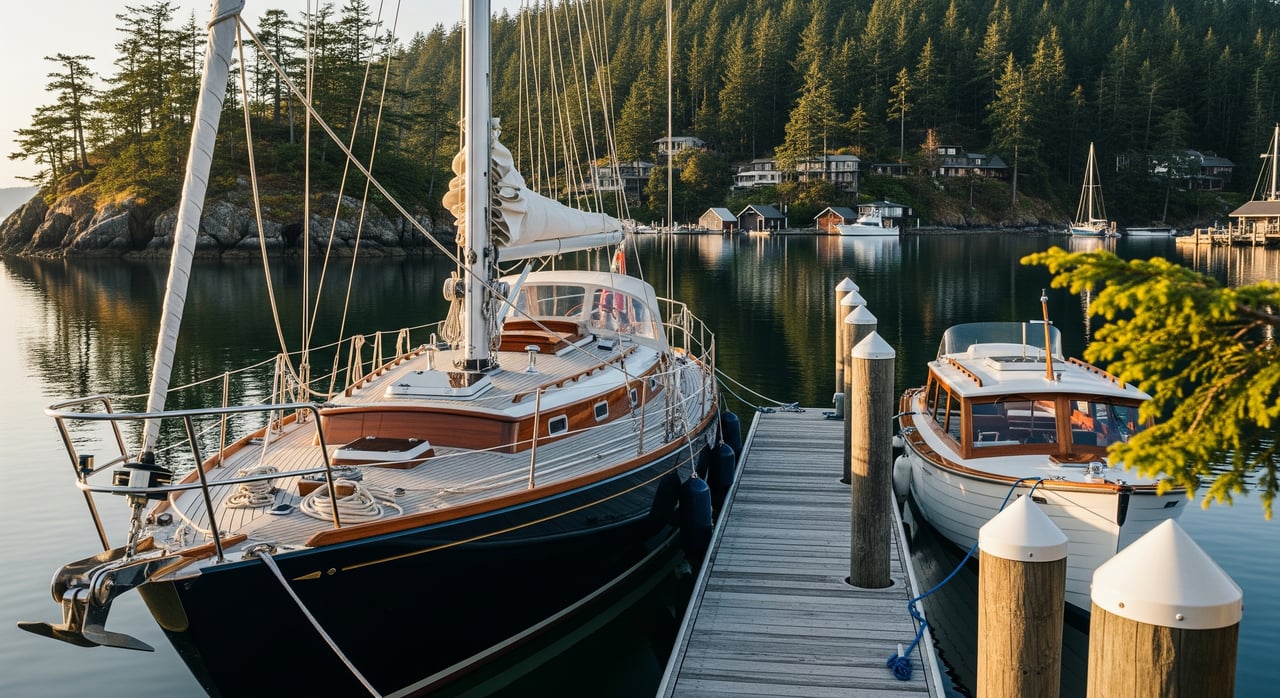
Private marinas and guest moorage
Private marinas typically offer a mix of permanent slips, transient slips, mooring buoys, and guest docks. You often find shore power, potable water, restrooms or showers, and sometimes pump-out service. Fuel, repair, and full provisioning are more limited on-island, so plan trips to larger service hubs when needed.
Availability shifts with the season. Summer fills quickly, and waitlists for permanent slips are common. If you see a property that relies on marina moorage, confirm whether slip or buoy rights transfer, because many marina leases are separate from a home sale.
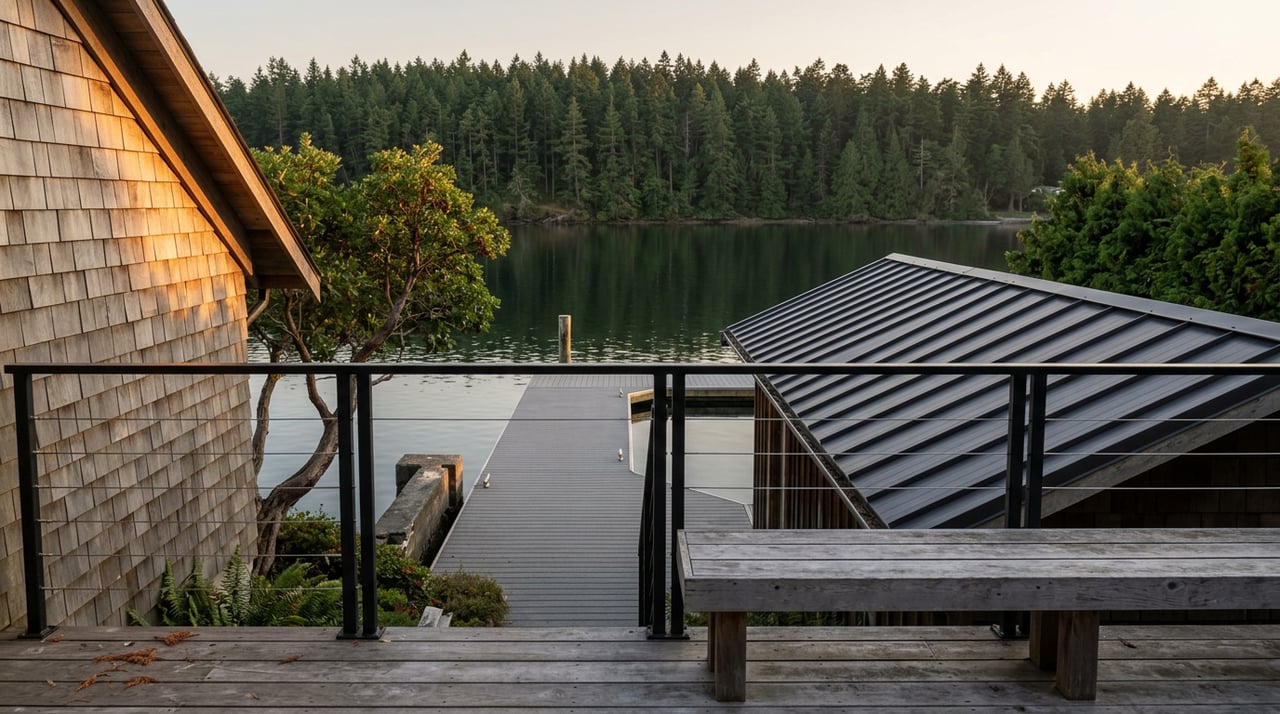
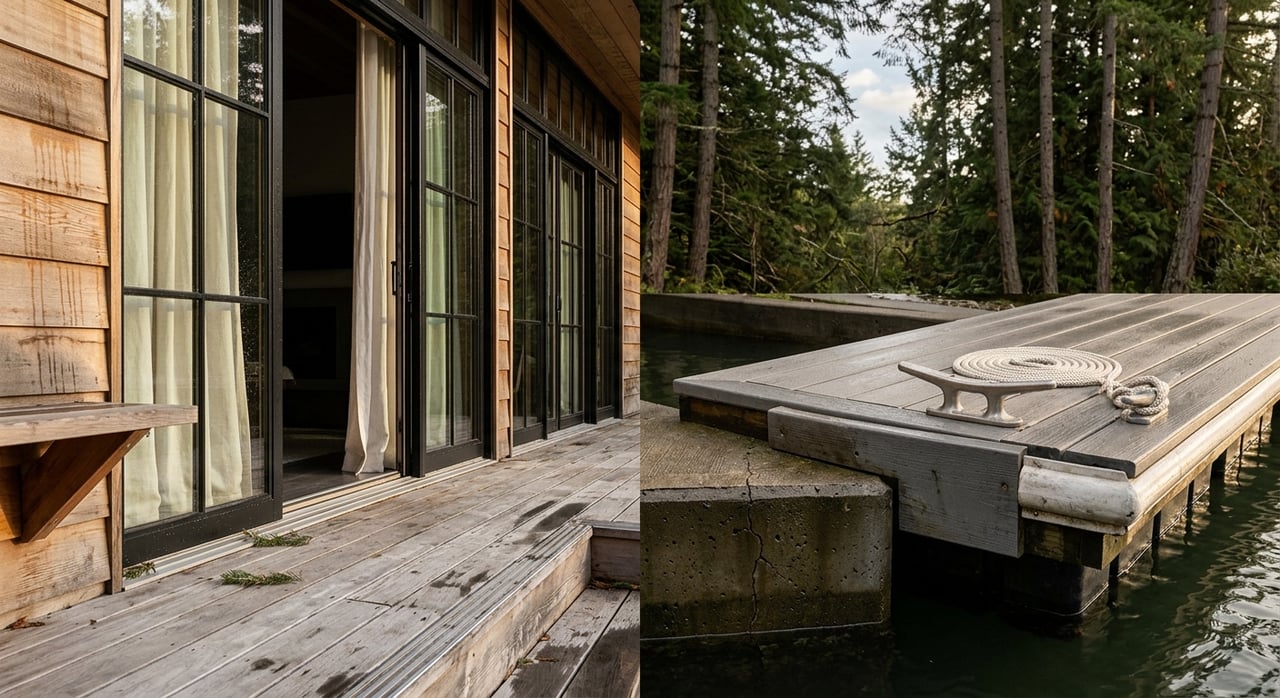
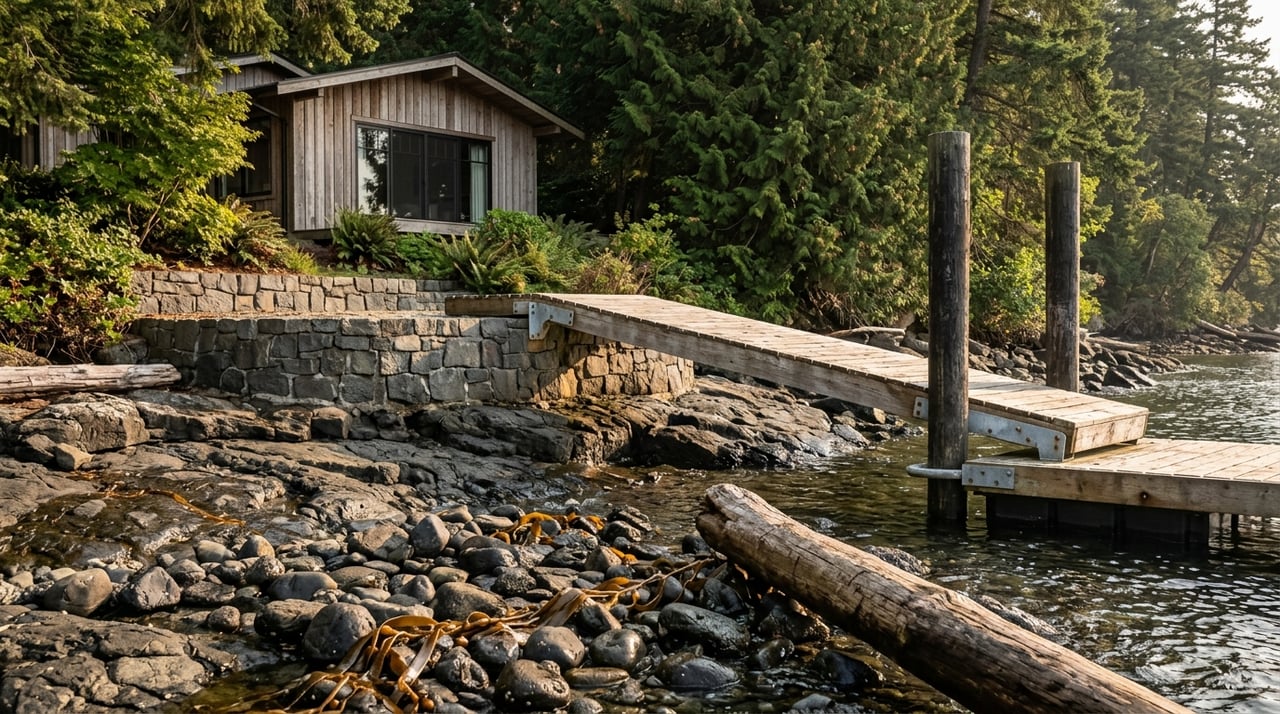
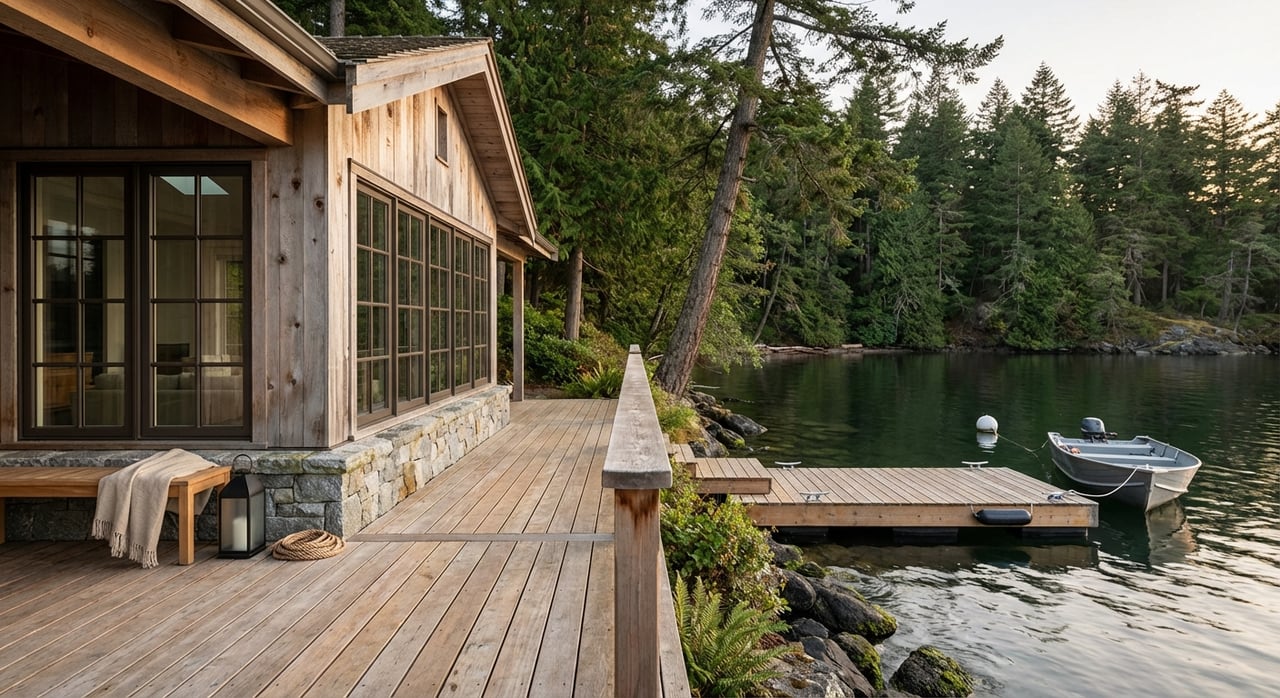
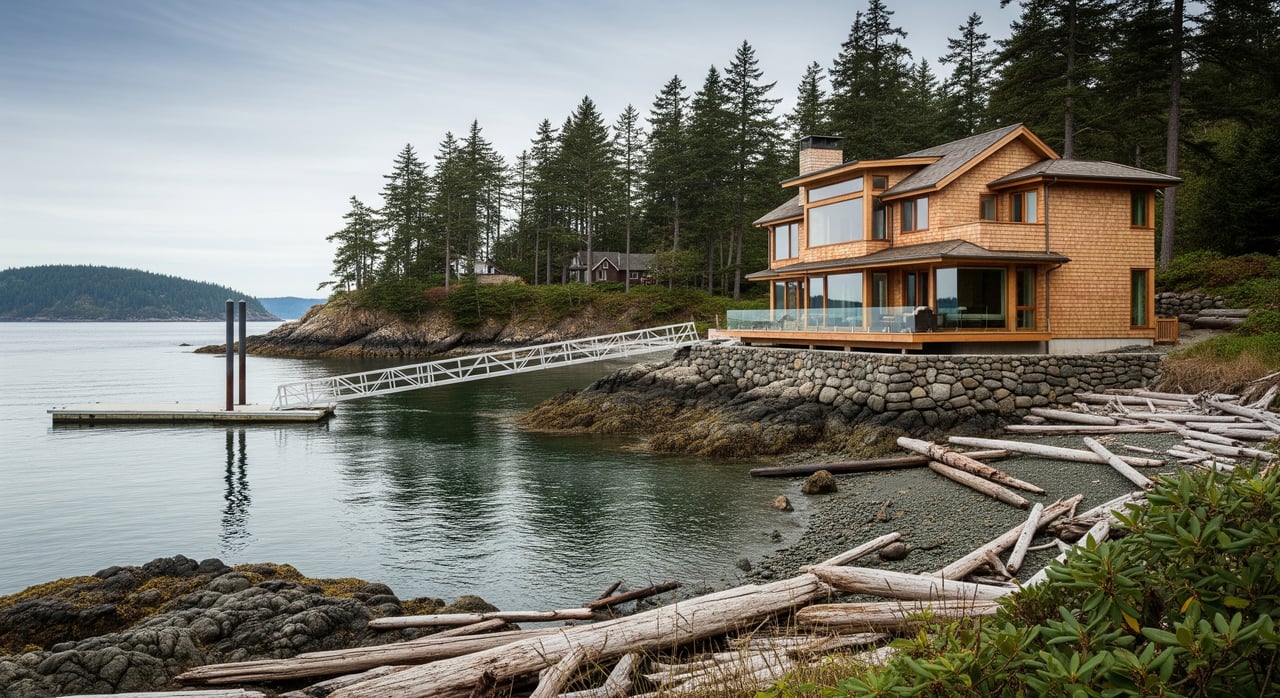
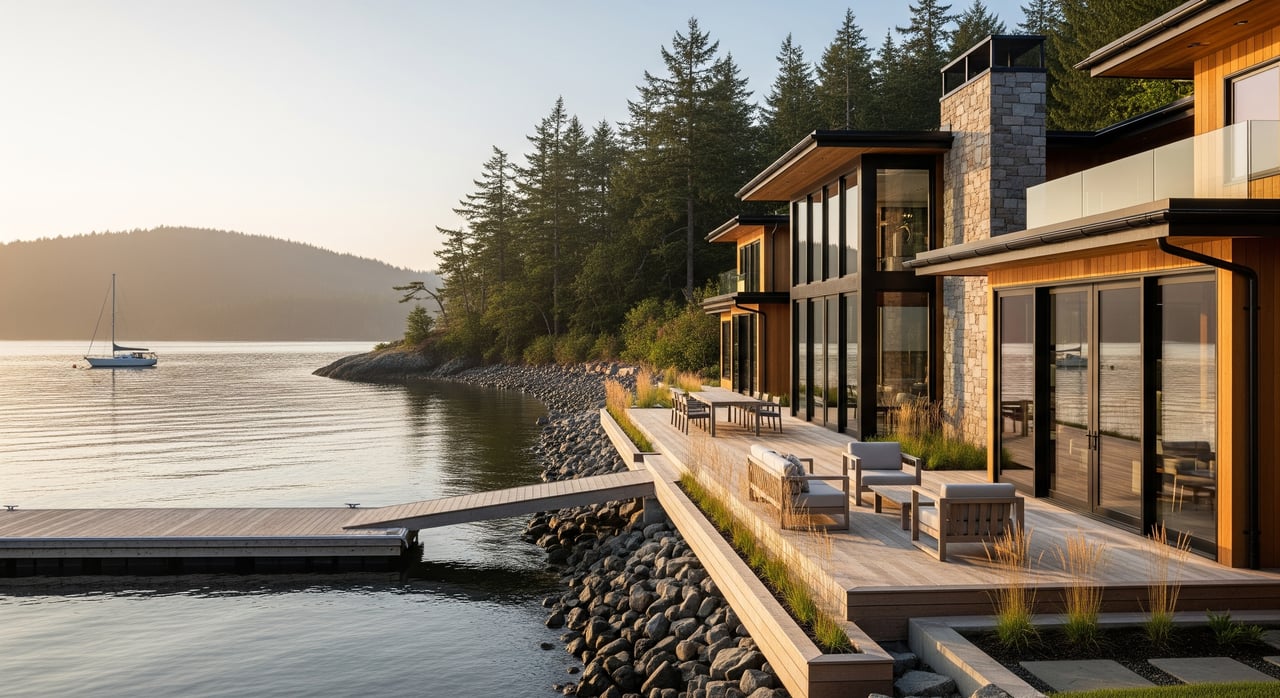
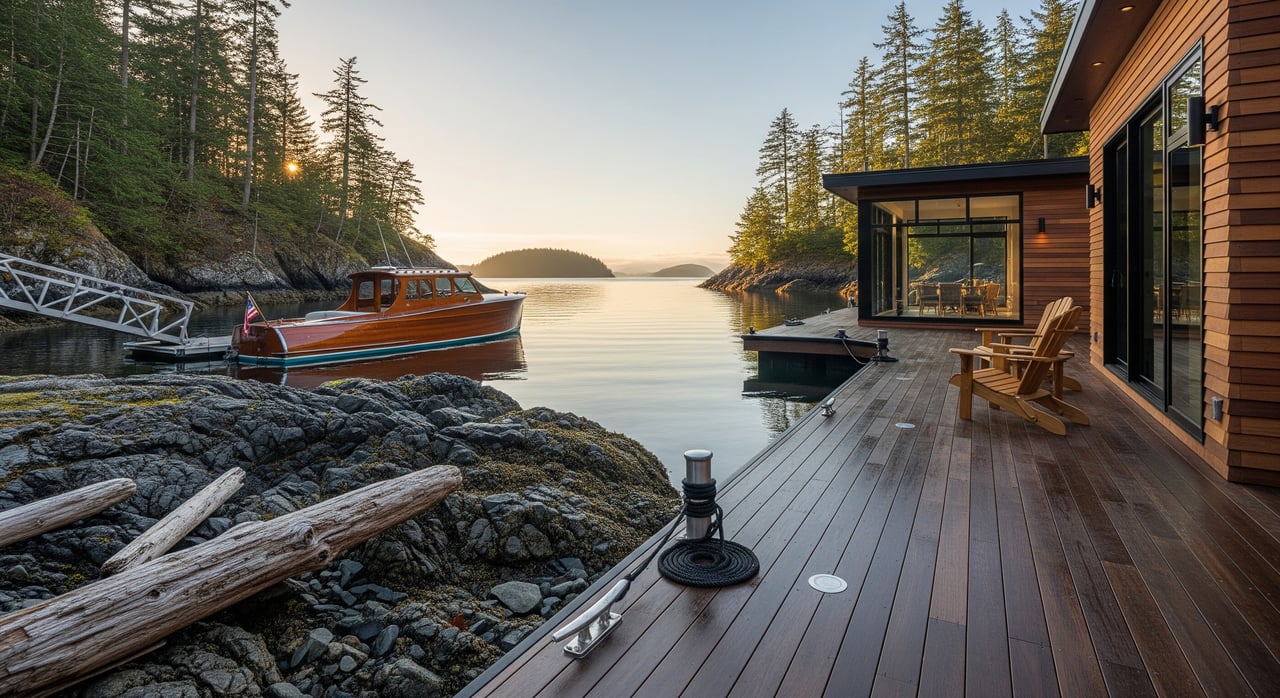
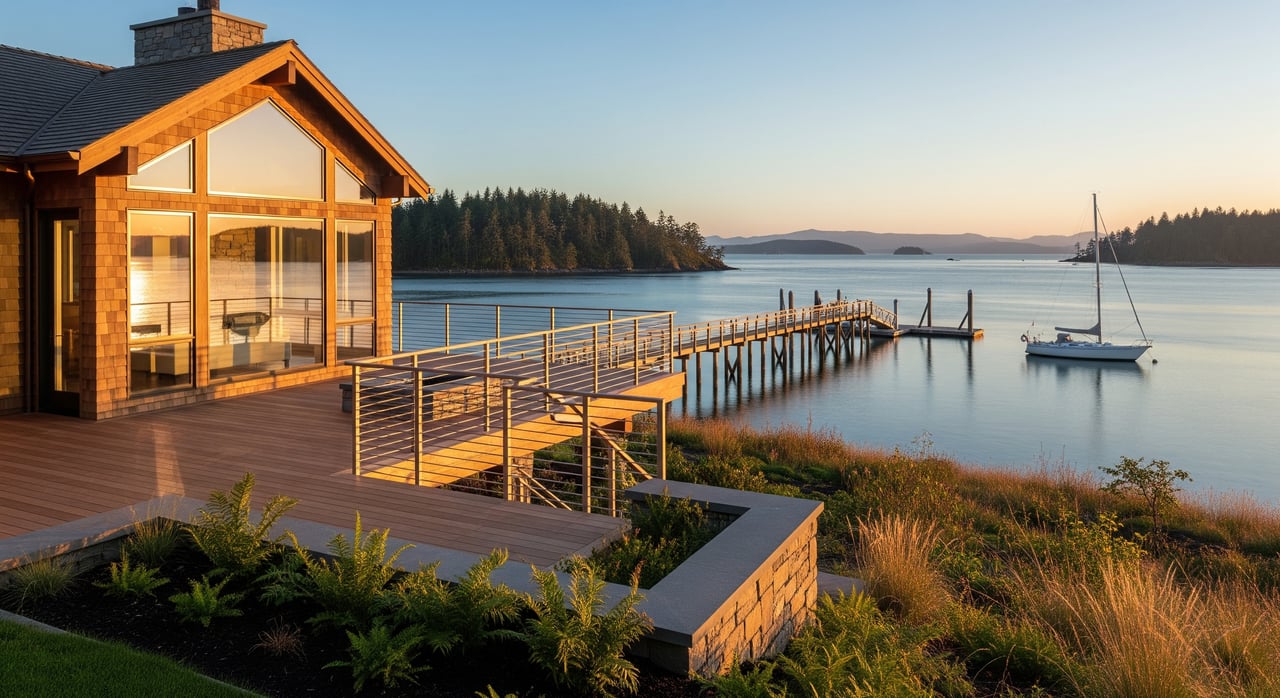
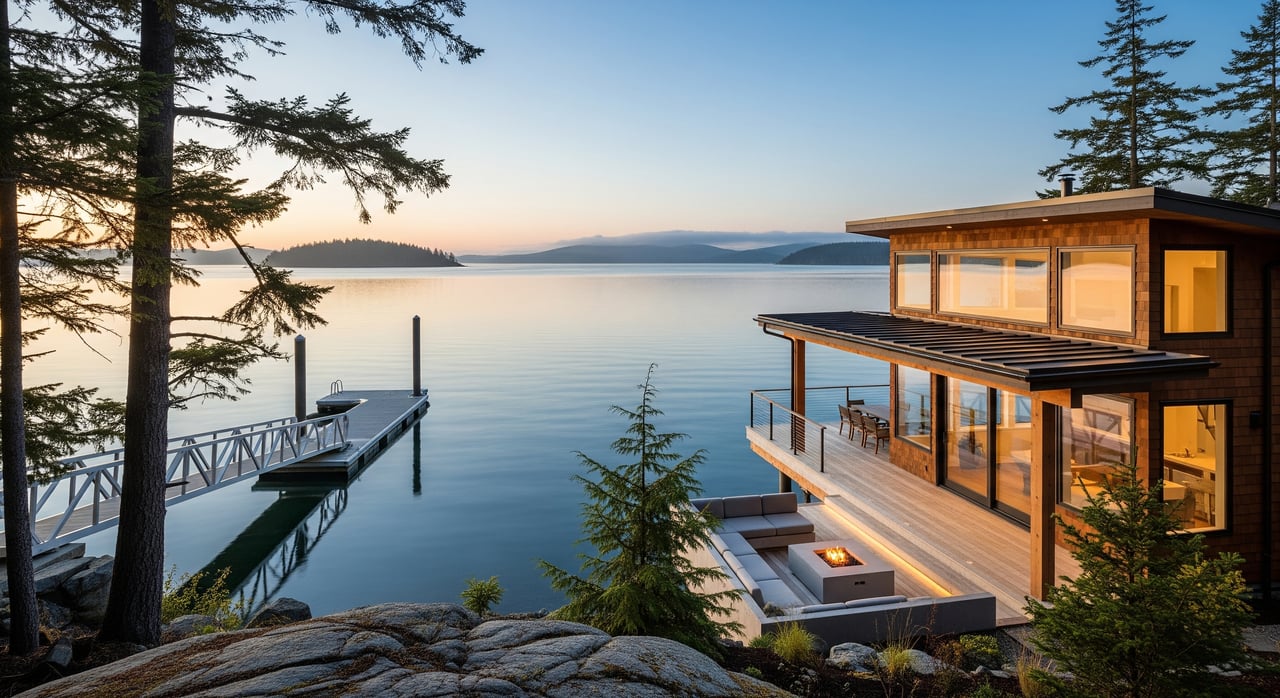
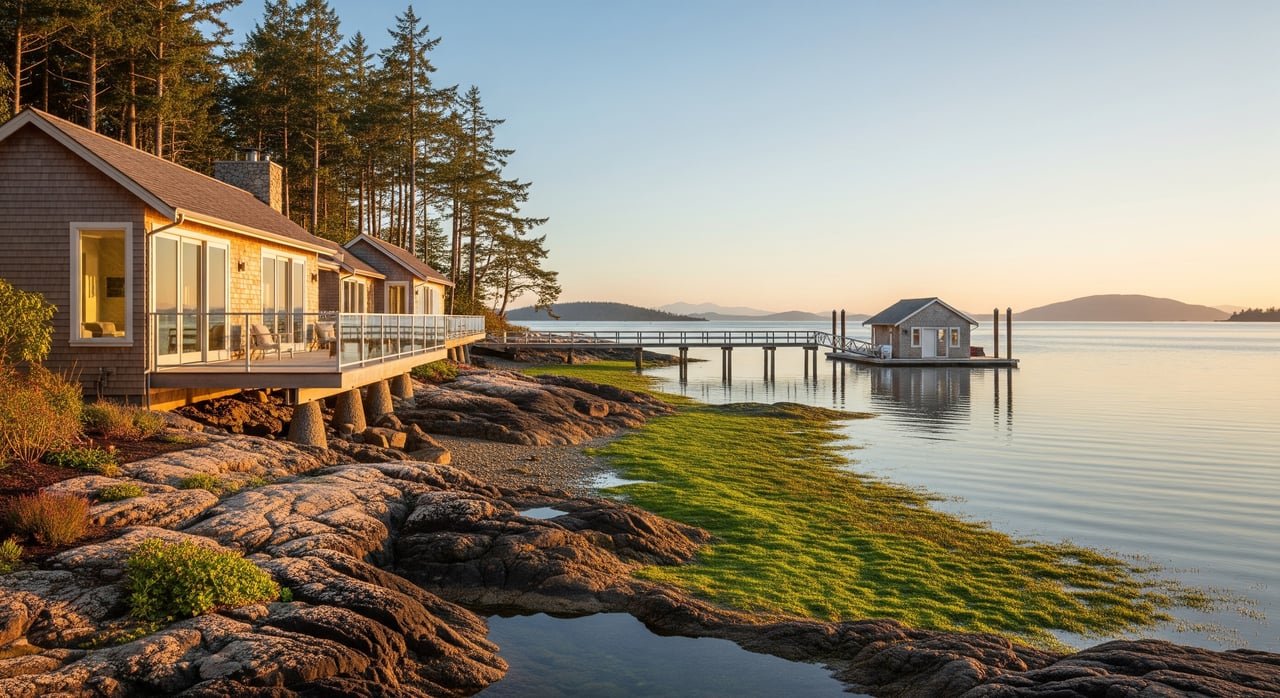
Private residential docks
A private dock gives you direct access and control. It also brings responsibility for maintenance, safety, and compliance with shoreline rules. Dock rights may be a separate legal interest from the upland parcel, which can include easements or state aquatic leases. Always verify permits, recorded documents, and any cost-sharing agreements before you buy.
Mooring buoys and mooring fields
A buoy can be a lower-impact alternative to a dock. Mooring fields or individual buoys may be managed by marinas or local authorities, and availability is often limited or seasonal. Ask about maintenance schedules, permits, and how you will haul or service gear when needed.
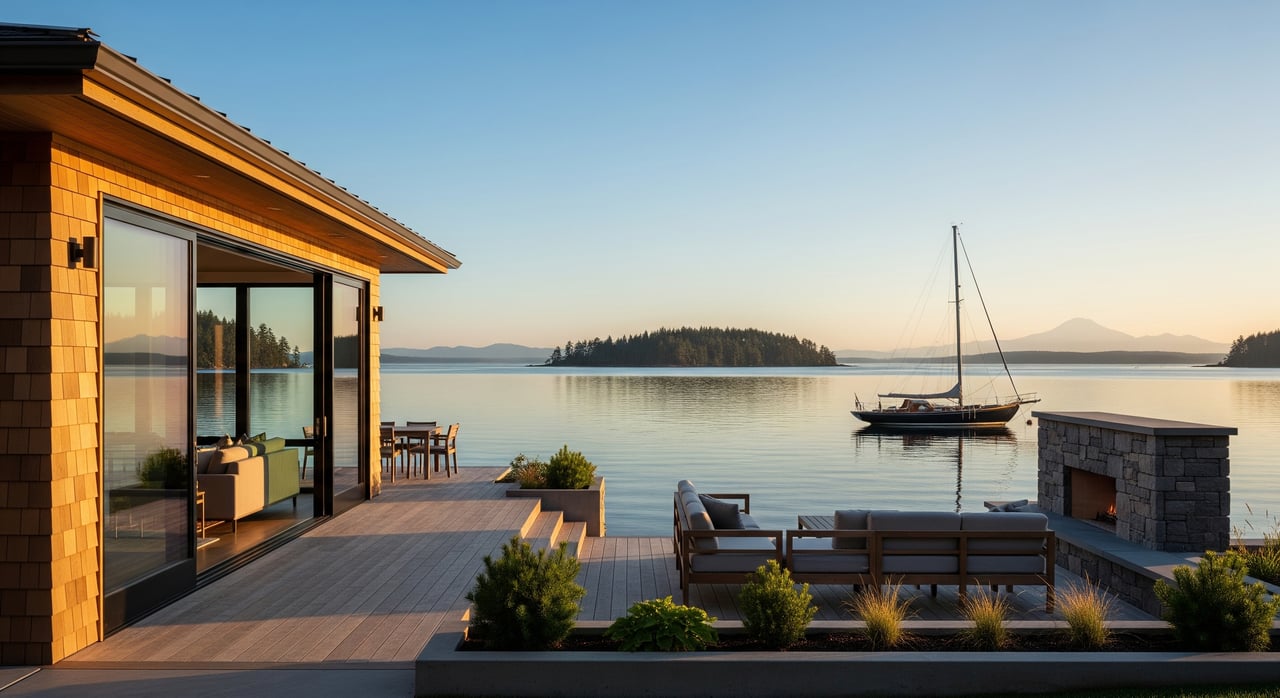
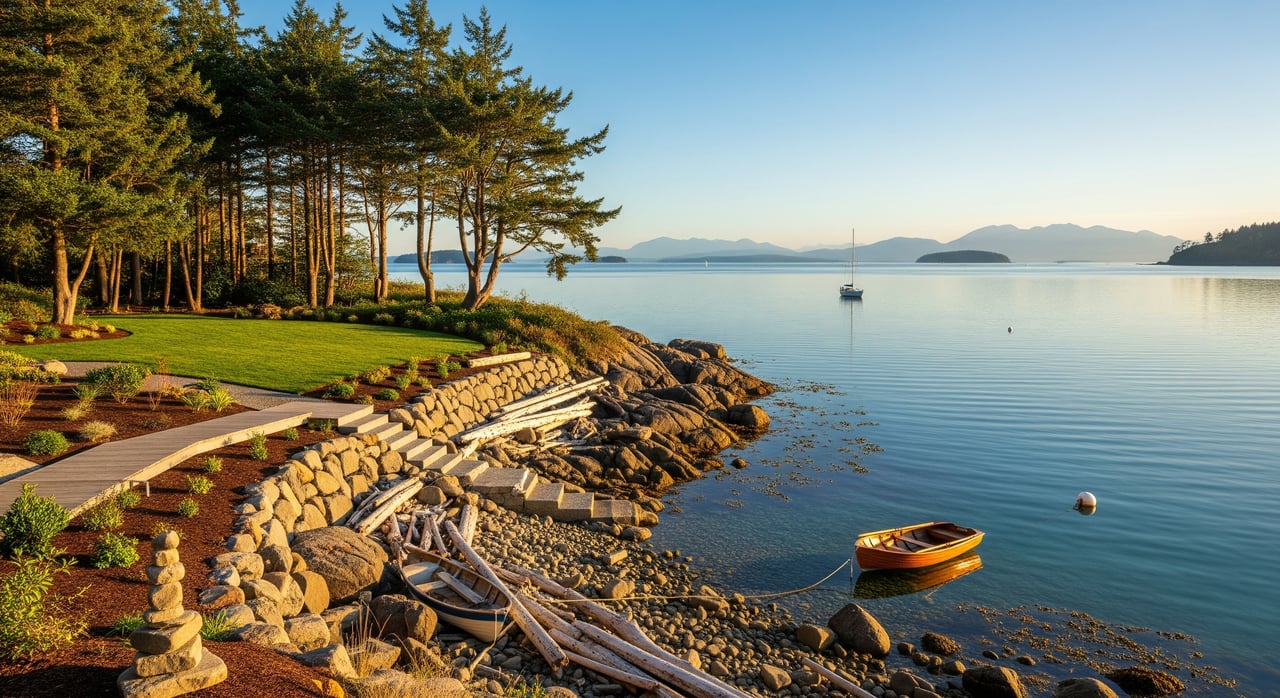
Anchorage in protected coves
Orcas offers protected anchorages, and Deer Harbor is well known for swing anchoring. Anchoring is flexible and can be peaceful, yet it comes without utilities and onshore services. Watch for restricted areas, shellfish beds, private markers, and any local closures before you drop the hook.
Public boat ramps and government docks
Public facilities provide access for trailered boats and short-term tie-ups. These are managed by county or state agencies and can have seasonal hours or closures. If regular ramp access is part of your plan, confirm the ramp size, parking, and policies before you commit to a specific location.
Local moorage: Deer Harbor, West Sound, Rosario
Deer Harbor: sheltered and social
Deer Harbor offers a mix of small marinas, private docks, anchorages, and mooring buoys. It is generally sheltered and popular with transient visitors during summer. The entrance can feel tight during certain tide and current conditions, so plan approaches with local charts and timing.
Services are basic, and provisioning is limited nearby. For full fuel, haul-out, or major repair, most boaters plan trips to Friday Harbor or the mainland. If you value calm water and easy anchoring options, Deer Harbor can be a strong fit.
West Sound: quiet coves and depth checks
West Sound and nearby coves feel quieter and more residential. You will find smaller marinas and private docks that appeal to owners seeking privacy and proximity to waterfront homes. Depth and tidal range are key. Check mean lower low water for your vessel’s draft, since some coves get skinny at low tide.
If you want a tucked-away experience and plan to use a private dock or buoy, West Sound can work well. Just build the habit of checking tides before you arrive or depart.
Rosario and the east shore: deep water, more exposure
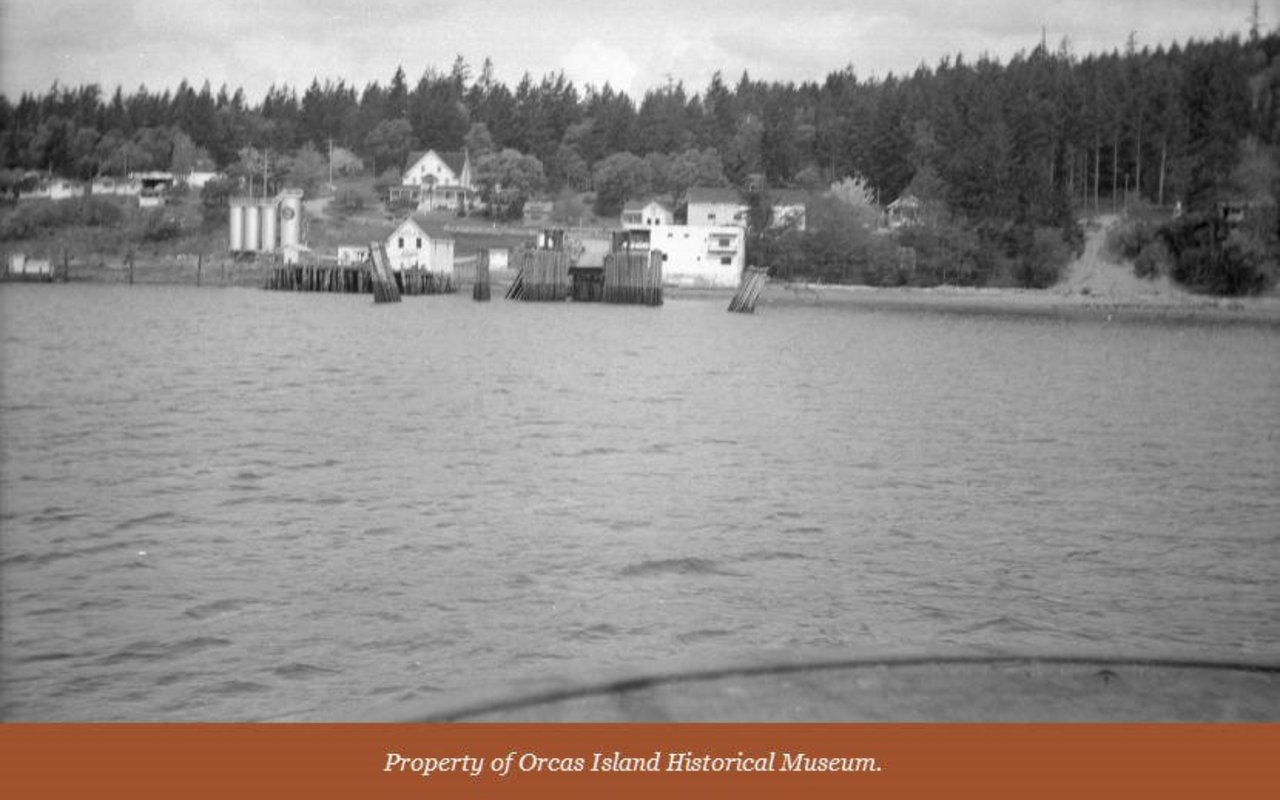
Rosario, on the Rosario Strait side, has a history of private docks and access linked to resort activity. Deepwater access can simplify travel to major channels and open water. The tradeoff is exposure to wind or swell from the east and stronger strait currents in places.
If you prefer quick passage to the strait and are comfortable with more open-water conditions, Rosario-side moorage can be appealing. For regular guests or less experienced crew, plan conservative windows for arrival and departure.
Seasons, tides, and timing
Peak summer demand
July and August, plus holiday weekends, are the crunch months. Guest slips fill fast and permanent slip waitlists get long. If you need transient space in peak season, book well in advance and have a backup plan that includes a buoy or anchoring.
Off-season tradeoffs
Late fall through spring often brings more open slips and lower rates. Some marinas reduce staffing or close certain docks in winter. Always confirm off-season policies and utilities if you plan to keep your boat in during colder months.
Tides, currents, and approach
Prevailing summer winds, tidal currents in passes, and local topography all matter. Plan approaches around current windows for tighter entrances and shallower coves. Before you commit to a location, match your vessel’s draft to charted depths at mean lower low water.
Services, amenities, and practical limits
- Common offerings: shore power, potable water, pump-out, showers or restrooms, guest moorage, and limited parking.
- Less common on-island: full-service fuel docks, large haul-out yards, major mechanical or parts. Many owners use Friday Harbor or Anacortes for reliable fueling, haul-outs, and complex repairs.
- Sewage handling: use pump-out services and holding tanks to stay in compliance with local rules where discharge is restricted.
If you plan an extended stay, build a routine for pump-outs, fuel trips, and seasonal maintenance. This planning helps you avoid mid-cruise surprises.
Rules, permits, and environmental basics
- Shoreline permits: San Juan County regulates docks, floats, and shoreline work. Permits are required for new docks and many substantial repairs. Always confirm permit history and any restoration conditions for a property.
- State aquatic lands: The state often leases aquatic lands for docks, pilings, and floats. Verify that any existing dock has a valid lease, understand transfer terms, and note any required maintenance.
- Habitat protections: Placement of docks or moorings can be limited to protect eelgrass, forage fish spawning areas, or shellfish beds.
- Sewage and discharge: Expect restrictions on treated and untreated discharge in sensitive areas. Plan for pump-outs and holding tanks.
- Navigation and safety: Follow Coast Guard rules, observe local aids to navigation, respect speed limits, and note any seasonal no-wake or anchoring restrictions.
These steps protect Orcas waters and help you avoid costly delays during purchase or construction.
Cost and budget planning
- Slips and buoys: Prices vary by size, location, and included utilities. Transient rates rise in summer, while annual or seasonal leases may have separate pricing and waitlists.
- Dock work: Design, pilings, floats, utilities, and mitigation add up, and maintenance is recurring. Expect winterizing, float or hardware replacement, and occasional piling work over time.
- Insurance and liability: Waterfront homes with docks often require higher coverage and specific marine endorsements.
- Lease and transfer fees: If a dock sits on leased aquatic lands or within a marina, transfer fees or special assessments may apply to a buyer.
If you plan to rely on a buoy or marina instead of building a dock, run a three-year cost comparison that includes travel for fuel and service.
How moorage influences property decisions
- Direct access vs. walk-to marina: A private dock offers maximum convenience and privacy, yet it requires permits, upkeep, and liability management. A nearby marina or managed buoy reduces maintenance but can affect routines and introduce waitlists and guest rules.
- Resale and marketability: Properties with properly permitted dock rights can command a premium. Undocumented or noncompliant structures can complicate a sale and timing.
- Lifestyle tradeoffs: Busy marina areas can bring more traffic and less privacy, while sheltered coves like Deer Harbor anchorages feel calmer. Exposed locations can speed access to open water but increase weather risk.
Align your boating style, schedule, and crew needs with the moorage setting you choose.
Buyer and boater due diligence checklist
- Verify dock status: Collect permits, recorded easements, maintenance agreements, and any state aquatic leases.
- Confirm transferability: Learn if slip or buoy rights transfer with the property or are held separately.
- Inspect condition: Hire a marine surveyor for pilings, floats, hardware, utilities, and any environmental impacts.
- Check services and logistics: Identify pump-out schedules, nearest reliable fuel, haul-out options, and winter policies.
- Understand tides and access: Match your draft to MLLW depths and plan for currents at entrances and passes.
- Ask about waitlists and guest rules: If you rely on a marina, clarify reservation windows, overnight limits, and queue length.
- Review insurance: Confirm coverage and any moorage-specific requirements with your insurer.
A local partner for confident decisions
Choosing where to moor on Orcas shapes how you live, cruise, and maintain your boat. With local waters, seasons, and regulations in mind, you can select the harbor that fits your lifestyle today and supports resale value tomorrow. If you would like help aligning your property search with practical moorage options, our team is here.
Ready to talk through docks, buoys, marinas, and the steps to verify permits and leases? Contact True North Realty Orcas Island, Inc. to map the best path for your boat and your next home.
FAQs
Which marinas near Deer Harbor accept transient boats in summer?
- Several small marinas around Deer Harbor host transient vessels, and you should reserve months ahead for July and August or holiday weekends.
Are fuel, pump-out, and repairs available on Orcas Island?
- Some marinas offer pump-out and basic services, but many owners travel to Friday Harbor or Anacortes for reliable fuel, haul-outs, mechanical work, and parts.
What are the anchoring options and restrictions in Deer Harbor and West Sound?
- Both areas have protected anchorages, and you should avoid restricted zones, shellfish beds, and privately marked areas while following local closures if posted.
How do tides and currents affect approaches around West Sound and Rosario?
- Depths at mean lower low water and strong strait currents can limit timing and draft, so plan approaches with charts and tide or current tables for safe windows.
What permits do I need to add or modify a dock on Orcas?
- San Juan County shoreline permits and state aquatic leases often apply, with habitat protections that can influence design, timing, or placement.
How much should I budget for dock maintenance on Orcas Island?
- Costs vary by design and exposure, though owners commonly plan for winterizing, hardware or float replacement, and periodic piling work over time.