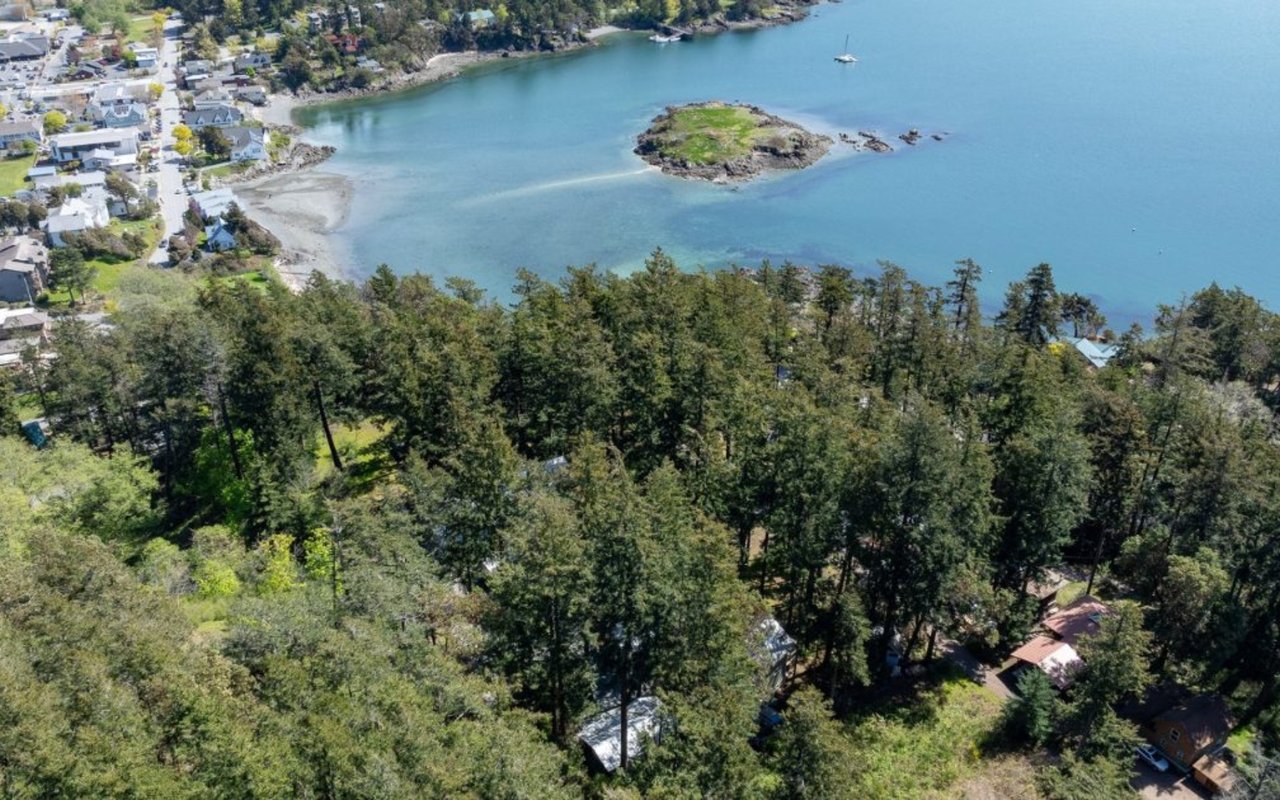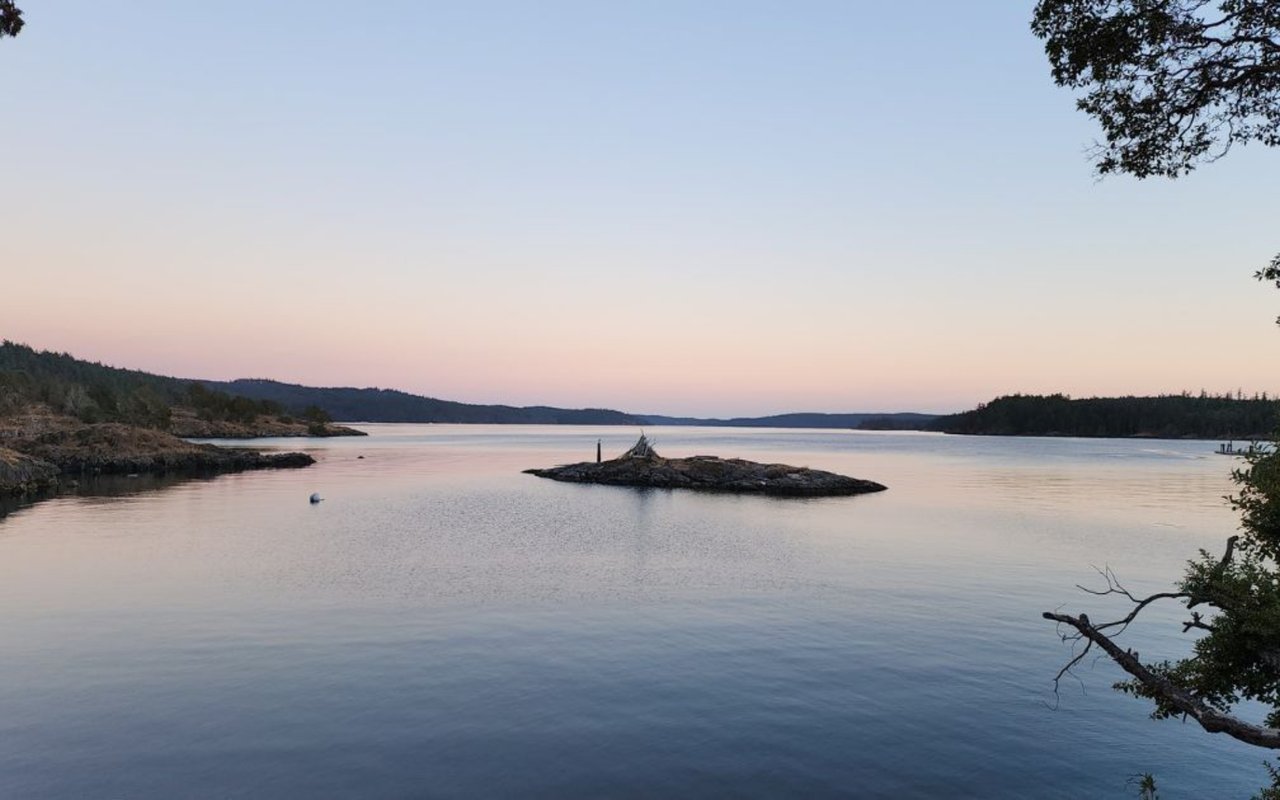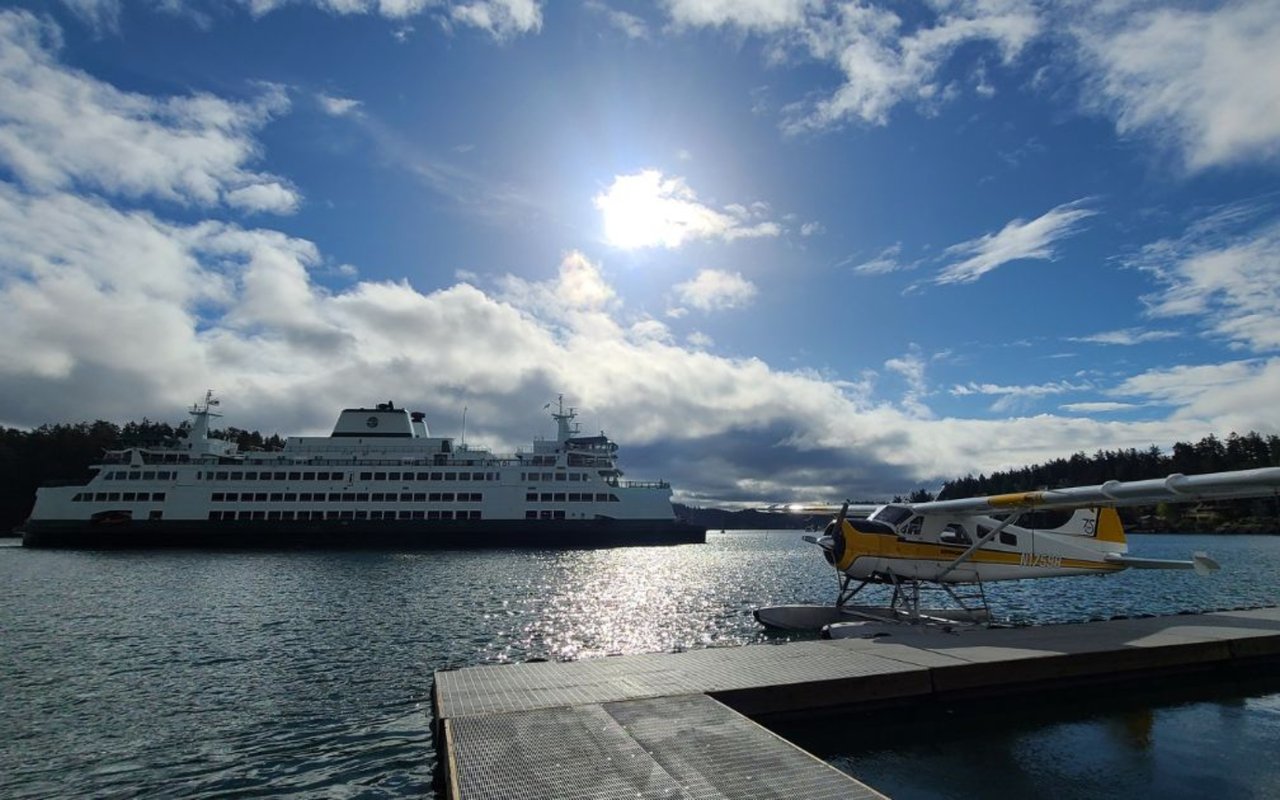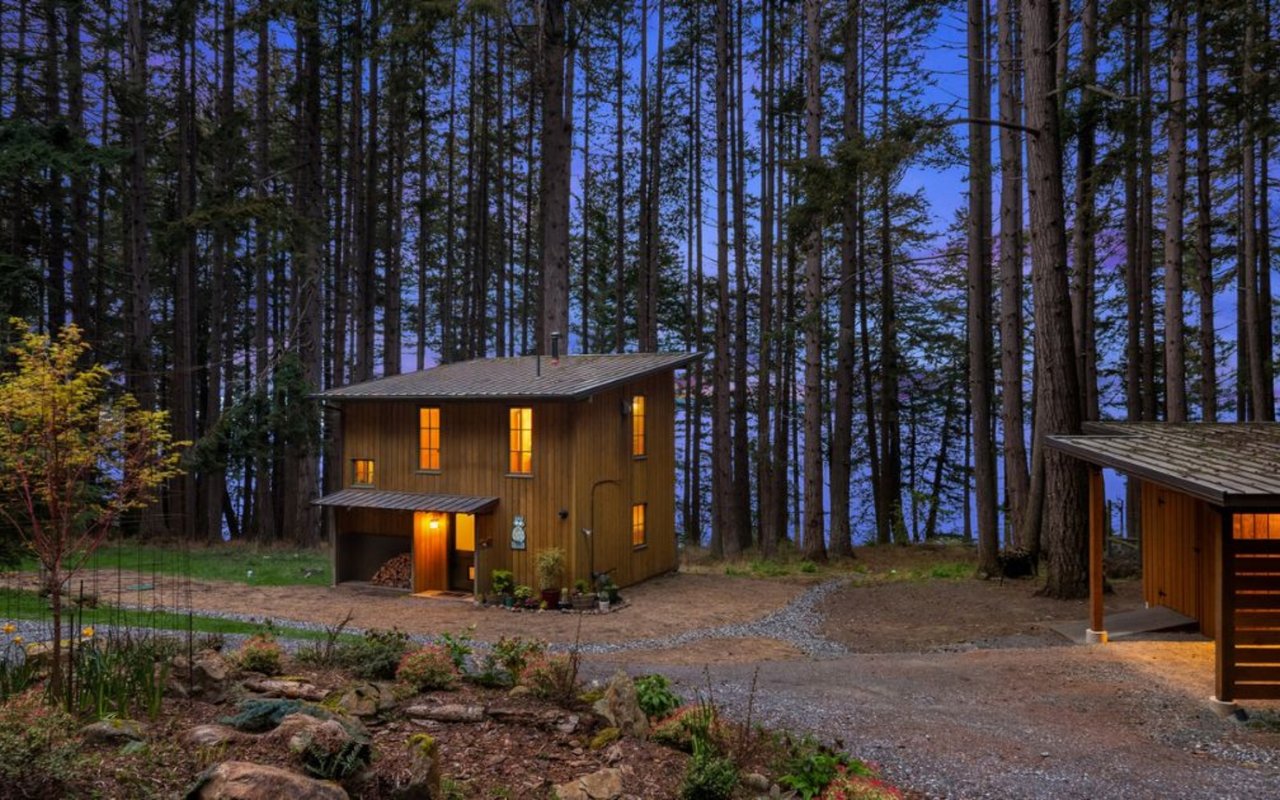
Dreaming of a quiet slice of Orcas Island where you can spread out, start a garden, or just hear the wind in the trees? Buying acreage in Olga and the surrounding areas can deliver that peace and privacy, but rural parcels come with extra homework. You want to be confident about water, septic, access, and utilities before you commit. This guide walks you through what to verify, why it matters, and the steps to keep your purchase on track. Let’s dive in.
Why Olga acreage stands apart
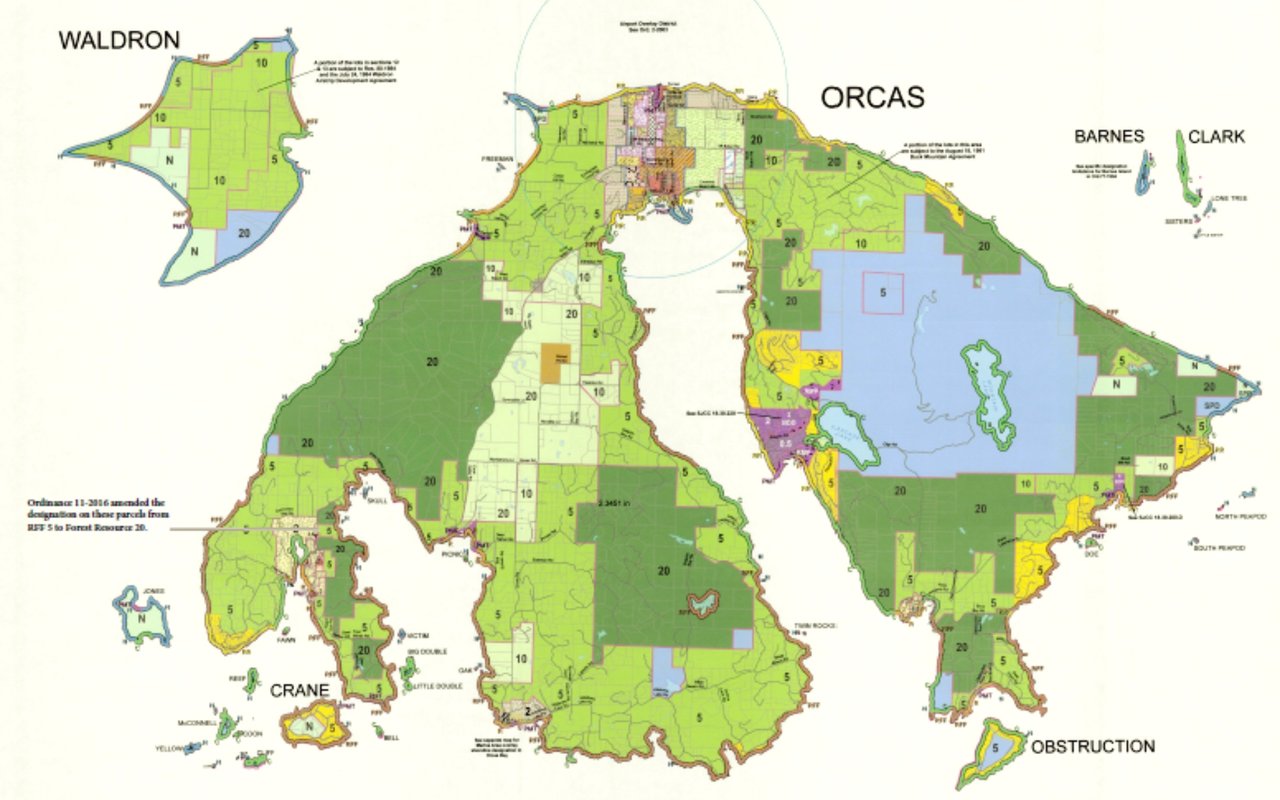
Olga sits on the southeast side of Orcas and is designated as a hamlet, which prioritizes a rural character and lower-intensity development than Eastsound or Orcas Village. According to San Juan County’s land-use framework, Olga parcels are more likely to be raw land with private roads and on-site systems rather than community water or sewer. That means more planning for wells, septic, driveway work, and potential vegetation management to create a buildable site. Review the County’s land-use resources to understand hamlet policies and maps for your parcel using the County’s official page for land use and planning.
Water: wells, yield, and rights
What to verify
- Pull well logs for the parcel and neighboring properties using Washington’s well-report viewer to confirm well depth, geology, and any pump tests on record. Search by parcel or map in the Well Report Gateway.
- San Juan County requires proof of potable water for building permits. Many systems need a pump test and water-quality sampling. County rules outline siting, construction, and common sanitary setback distances around wells. Review the County’s drinking water rules.
- If you plan irrigation or livestock that may exceed exempt household use, investigate water rights and regional water-supply context. See the basin assessment for the islands in the County’s WRIA 2 study.
Why it matters
Islands often draw from fractured rock aquifers with varying yields and sensitive water quality. Pump tests and lab sampling for bacteria, arsenic, nitrates, and salts help you confirm potability. The County can deny permits if you cannot demonstrate water availability.
Action steps
- Make well yield and water quality a contingency in your offer. If data is missing, budget for testing by a licensed professional.
- Verify that proposed well locations meet County setbacks and can coexist with septic locations on the same site.
- Keep a copy of well logs and test results for permit submittals later.
Septic and soils: capacity and costs
What to verify
- Obtain On-Site Sewage System (OSS) records from San Juan County. Look for the system type, design drawings, drainfield and reserve area locations, and inspection history. Start with the County’s OSS program guidance.
- If records are limited, arrange a septic inspection and soil evaluation. Many Orcas parcels require engineered alternatives when soils are shallow or bedrock is near the surface.
Why it matters
Without a compliant system and a mapped reserve area, you may face redesigns, increased setbacks, or advanced treatment units. These solutions are common on Orcas but add cost and require County-approved designs and inspections.
Action steps
- Make septic feasibility and a current inspection part of your offer. Confirm there is room for a reserve field.
- Keep record drawings and inspection reports for future permits or upgrades.
Access: roads, easements, and maintenance
What to verify
- Confirm legal access via a county road, recorded right-of-way, or private easement. If access is by private road, request any recorded road-maintenance agreement and proof of cost sharing. County transportation policies outline expectations for private roads that serve multiple lots. Review the County’s transportation element.
- For new development or land divisions, verify minimum easement widths and finished road standards. See San Juan County’s road and access standards.
Why it matters
Private roads are common on Orcas. Owners are typically responsible for construction, repairs, and seasonal upkeep. If heavy equipment cannot reach your site, costs can climb fast. Clear agreements help prevent future disputes.
Action steps
- Walk or drive the route and note grade, width, and condition. Confirm whether permits are needed for driveways or improvements.
- Ask the title company to pull all recorded access documents and maintenance agreements.
Utilities: electric and broadband
What to verify
- Electric service is provided by OPALCO, a local cooperative that also owns Rock Island Communications. New or altered service can involve a member-funded line extension and easements. Start with OPALCO’s new construction and service guide.
- Confirm broadband options. Rock Island serves many areas, while satellite providers are often used on raw parcels or remote sites. Availability and timelines vary by location.
Why it matters
Contribution-in-aid-of-construction (CIAC) for electric extensions can be a meaningful budget item. OPALCO’s policies also allow partial reimbursements when neighbors connect later, which can shape negotiations.
Action steps
- Schedule an OPALCO site visit early to scope routes, easements, and rough CIAC costs.
- Ask providers for installation timelines and equipment requirements before closing.
Timber and tree work
What to verify
- If you plan commercial harvest or large-scale clearing, determine whether a Forest Practices Application/Notification (FPA/N) is required. The Washington DNR regulates most harvesting, road building, and culvert work. See DNR’s forest practices application guidance.
Why it matters
Unpermitted cutting can lead to enforcement and penalties. Buffers, slope stability, and water-quality protections often shape where and how you can clear or harvest.
Action steps
- If timber value or significant clearing is part of your plan, engage a consulting forester and consult DNR early.
- Consider a timber cruise to support valuations and plan access routes that protect soils and water.
Zoning, hamlet plan, and shoreline
What to verify
- Confirm zoning, permitted uses, and any hamlet plan policies for Olga. Review critical areas, shoreline designations, and buffers that can constrain buildable area. Start at the County’s land use portal.
Why it matters
Wetlands, steep slopes, and shoreline buffers can affect your building envelope and may require engineered solutions or additional permits. Hamlet policies emphasize rural character, which can influence siting and design.
Action steps
- Order a topographic survey and request a pre-application meeting with County planning and health staff to confirm pathways and timelines.
- Ask your designer to overlay setbacks, critical areas, and access routes on the survey before finalizing a site plan.
Fire protection and insurance
What to verify
- Identify the responding station and whether hydrants or recognized water supplies are nearby. Protection Class ratings influence insurance premiums. Orcas Island Fire & Rescue’s coverage and recent Protection Class updates are noted in this local report on rating changes.
Why it matters
Rural parcels without hydrants or stored water can face higher insurance costs. Insurers may ask about defensible space and on-site water sources for tenders.
Action steps
- Talk to your insurer before closing to price coverage with and without mitigation steps like cleared defensible space or water storage.
- If you are planning a pond or tanks, coordinate with local fire staff on usable fittings and access.
Timelines you can actually plan for
- Pre-offer checks, days to weeks: pull title and easements, review County parcel maps and zoning, grab well logs, and request OSS records. Use the state’s well log viewer and County resources to confirm basics.
- Contingencies, 2 to 6+ weeks: schedule pump tests and lab samples, a septic inspection and soils evaluation, access verification, and any timber assessments. Island logistics and contractor schedules often extend timelines.
- Permits and external reviews: DNR FPA reviews commonly operate on a roughly 30-day clock for many applications, and OPALCO engineering and site visits can take several weeks. County planning and health have separate review timelines.
Buyer checklist for Olga and Orcas acreage
Use this quick list to structure your due diligence:
- Title and access: recorded easements, legal access type, and a road-maintenance agreement if private road use is shared. Confirm standards with the County’s transportation guidance.
- Water: nearby and on-parcel well logs via the Well Report Gateway, current pump test, and lab-quality results that meet County drinking water rules. Review regional context in the WRIA 2 study.
- Septic: County OSS records, drainfield and reserve area mapping, inspection history, and soils evaluation. Start with the OSS program guide.
- Roads: roadway width and condition, steep segments, and whether heavy equipment can access the site. Cross-check standards in SJC road and access code.
- Utilities: OPALCO site visit for a line-extension estimate and easement needs using the new service guide. Confirm broadband options and timelines.
- Timber and clearing: if harvest or large-scale clearing is planned, verify DNR requirements and timelines in the forest practices application guide.
- Insurance: confirm Protection Class and potential premium impacts for parcels without hydrants. See the local coverage update.
Red flags worth pausing for
- No well log or pump test in a water-limited area. Pull logs before you waive contingencies.
- No documented septic permit or no space for a reserve drainfield.
- Access across an unrecorded easement or no road-maintenance agreement where multiple owners share a private road.
- Large clearing or timber plans without confirming DNR requirements.
- No OPALCO estimate when new line extension or service upgrades are needed.
Smart negotiating moves
- Make well yield, water quality, and septic feasibility explicit contingencies. If the seller will not provide tests, reserve the right to complete them.
- Require recorded easements and any road-maintenance agreement, plus evidence of recent maintenance contributions if possible.
- Get a preliminary OPALCO estimate before closing. If CIAC is high, consider a price adjustment or closing credits.
Ready to explore acreage with confidence? A little structure up front can save you time and money later. If you want an extra set of local eyes on wells, septic, access, or utility questions, reach out and we will walk you through the steps, contacts, and timelines that fit your goals.
Connect with the island experts at True North Realty / Orcas Island, LLC. to talk through your acreage plan and next steps.
FAQs
What makes buying acreage in Olga different from Eastsound?
- Olga is a designated hamlet with a rural character, so parcels often need on-site systems and private-road solutions, while Eastsound-area parcels are more likely to have nearby services.
How do you confirm water availability on Orcas Island land?
- Pull nearby well logs, require a current pump test and lab analysis, and ensure your plan meets County drinking water rules for setbacks and potability.
What should you check for septic on a raw parcel?
- Ask for OSS records, verify space for a reserve drainfield, and schedule a soils evaluation; many sites need engineered systems due to shallow soils or bedrock.
How do private road agreements affect ownership costs?
- If access is by private road, expect shared maintenance; recorded agreements help clarify responsibilities and reduce future disputes.
Do you need a permit to remove trees on Orcas acreage?
- Large-scale clearing or commercial harvest often requires a DNR Forest Practices Application, especially near streams, shorelines, or steep slopes.
How long does due diligence take for raw land on Orcas?
- Plan for 2 to 6 or more weeks for tests and inspections, plus additional time for any DNR or utility reviews and island logistics.