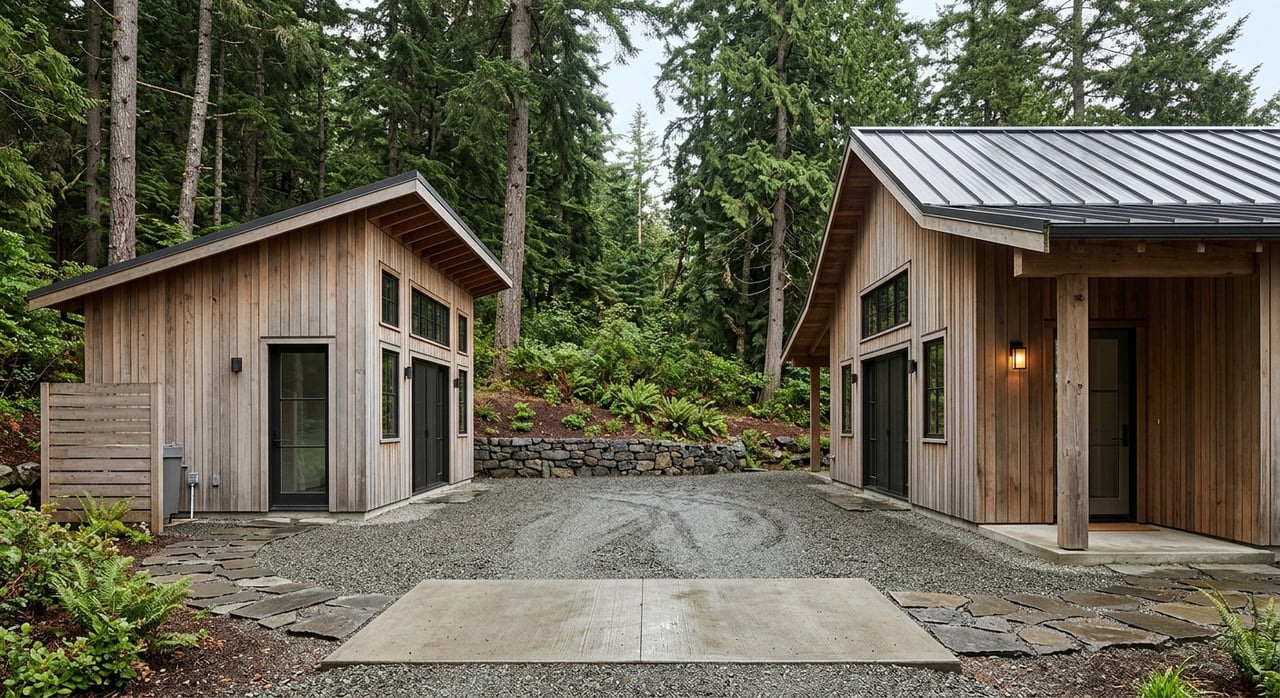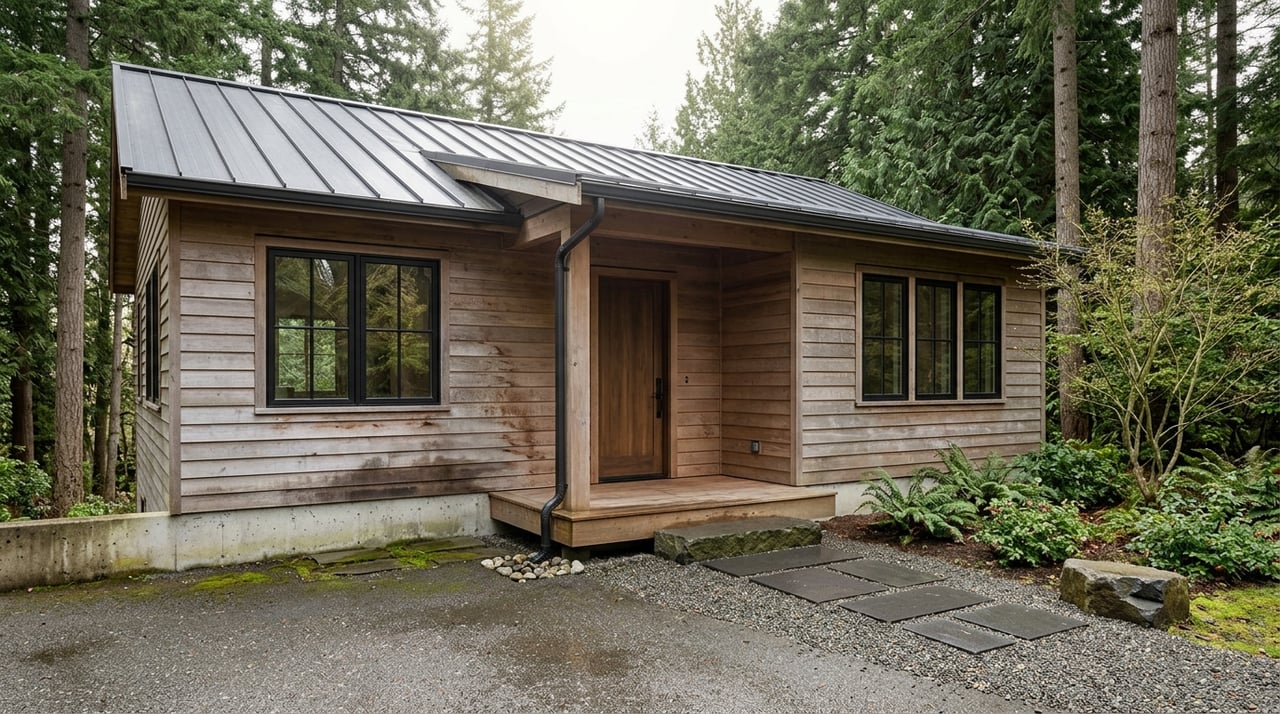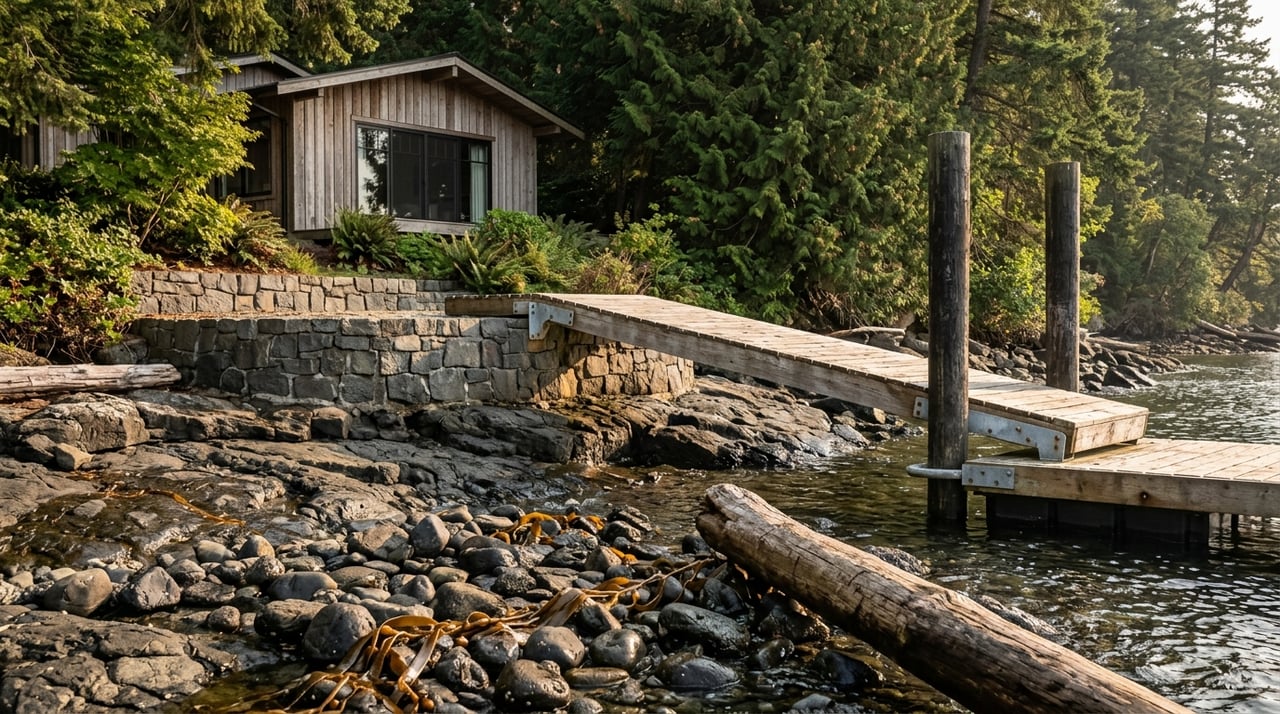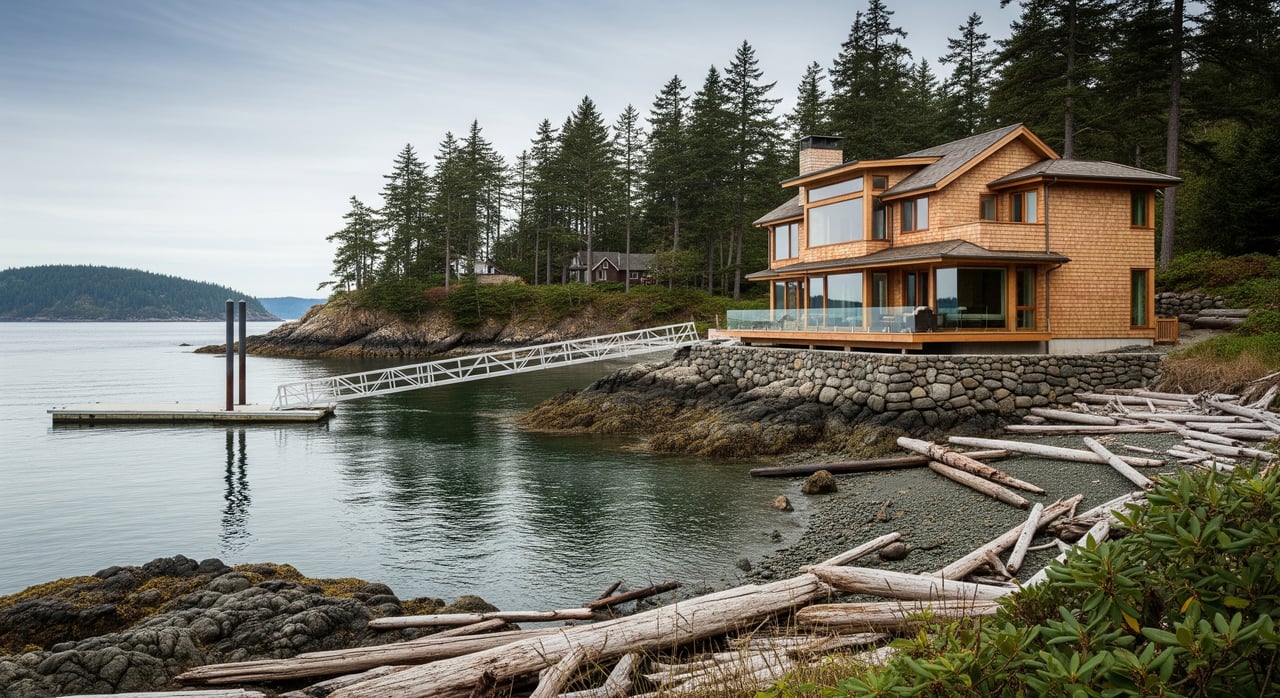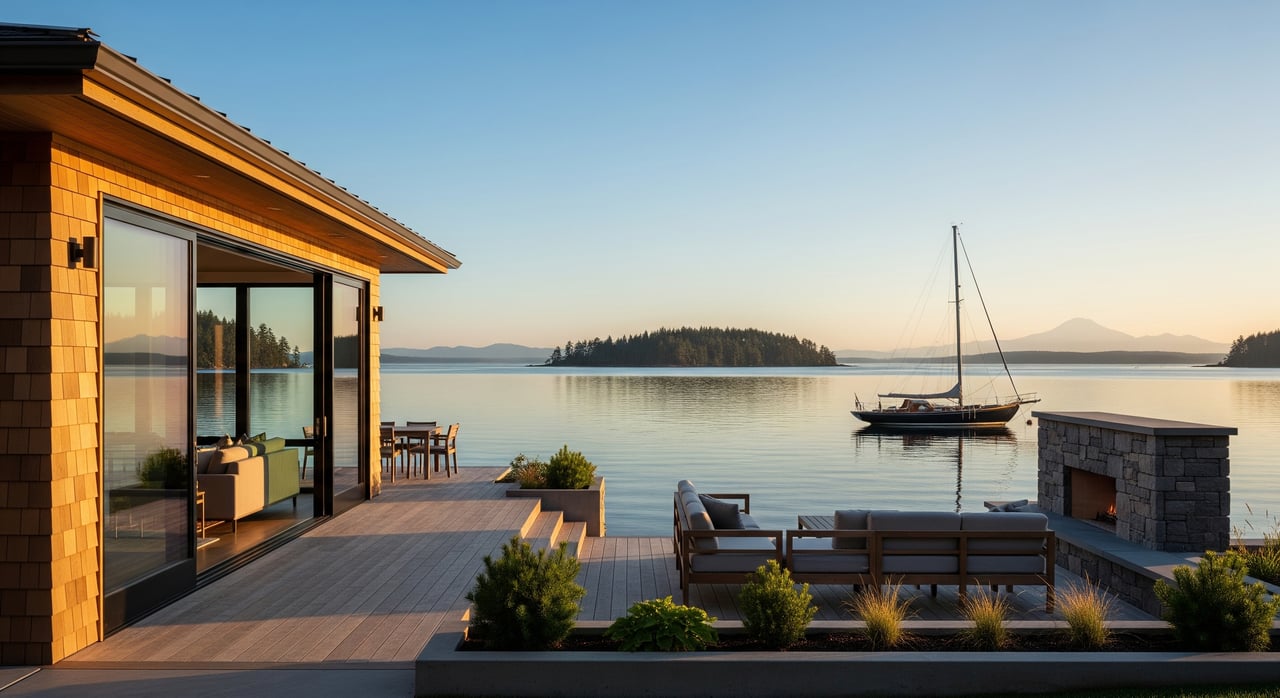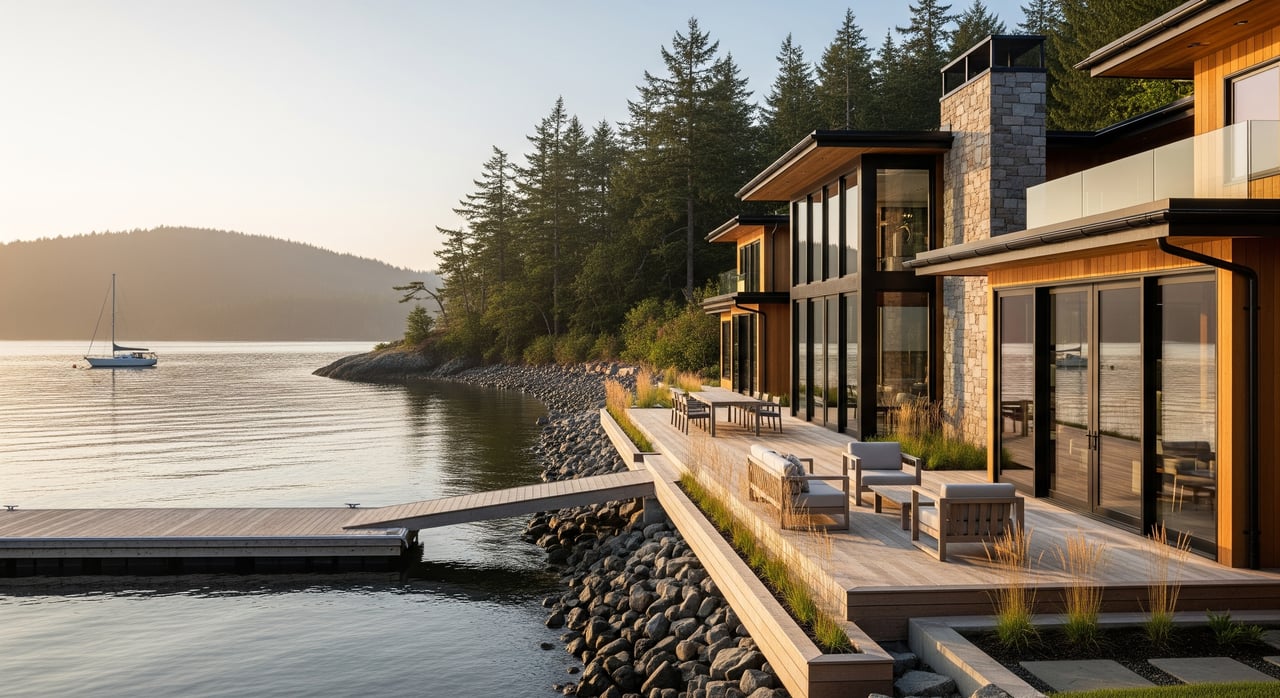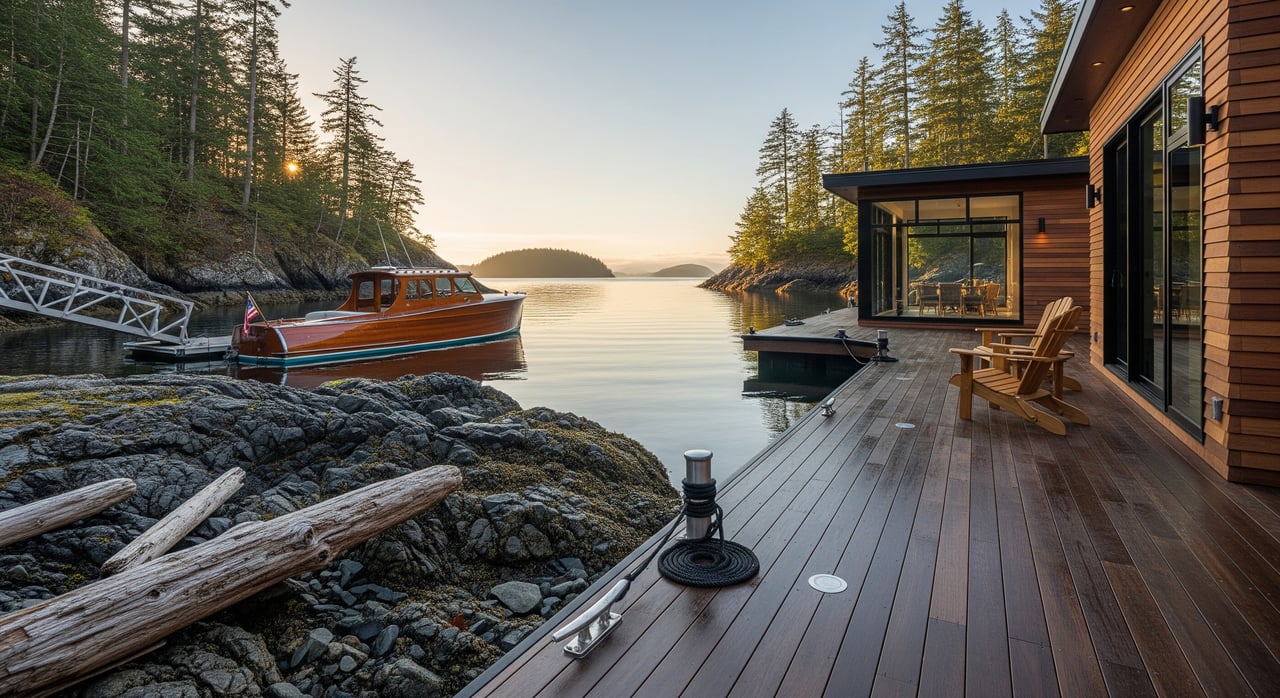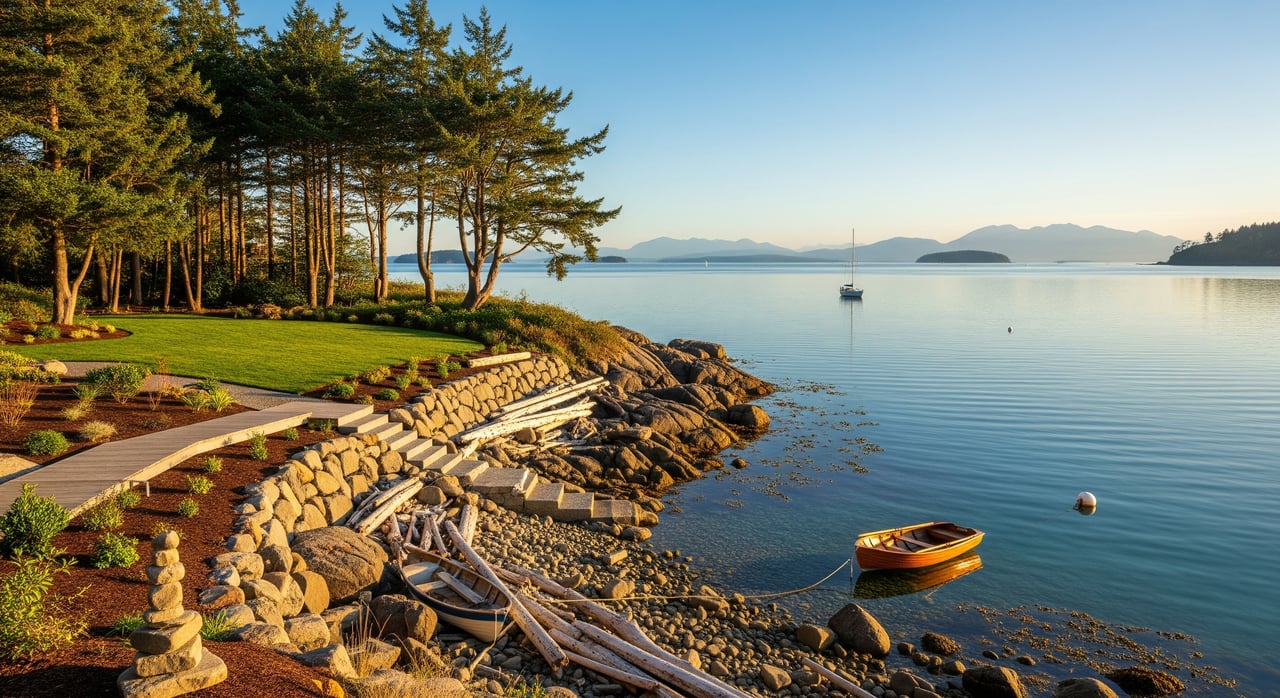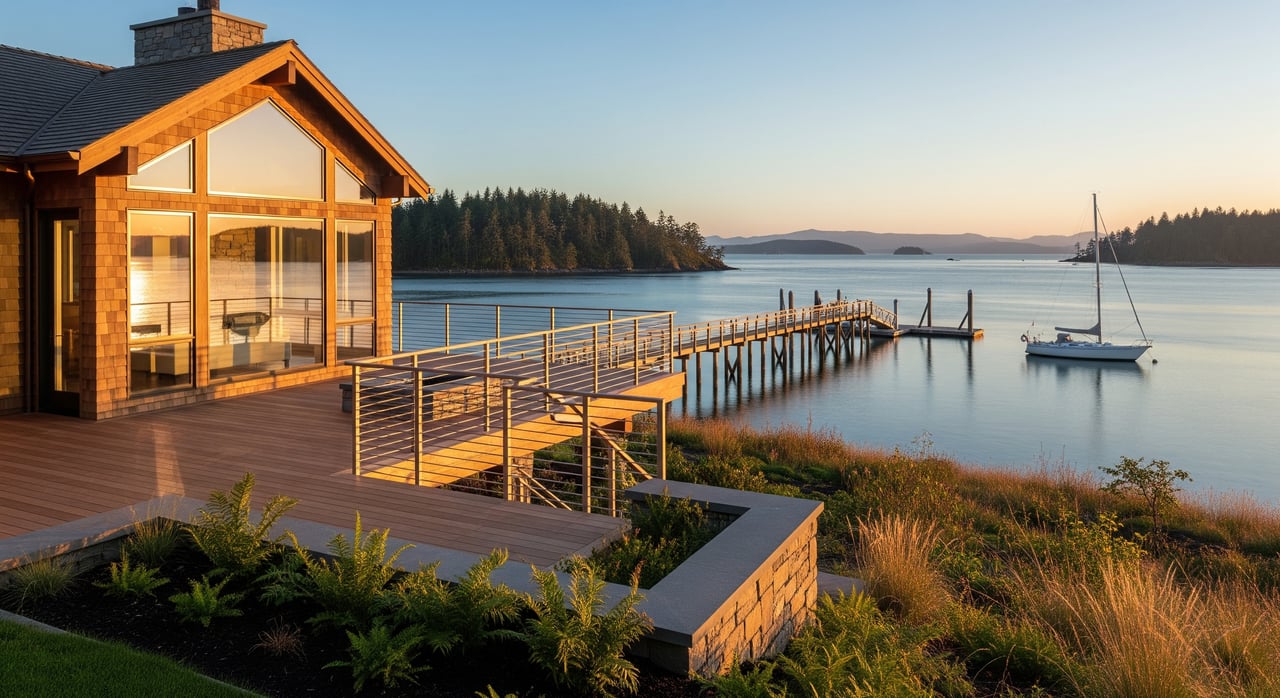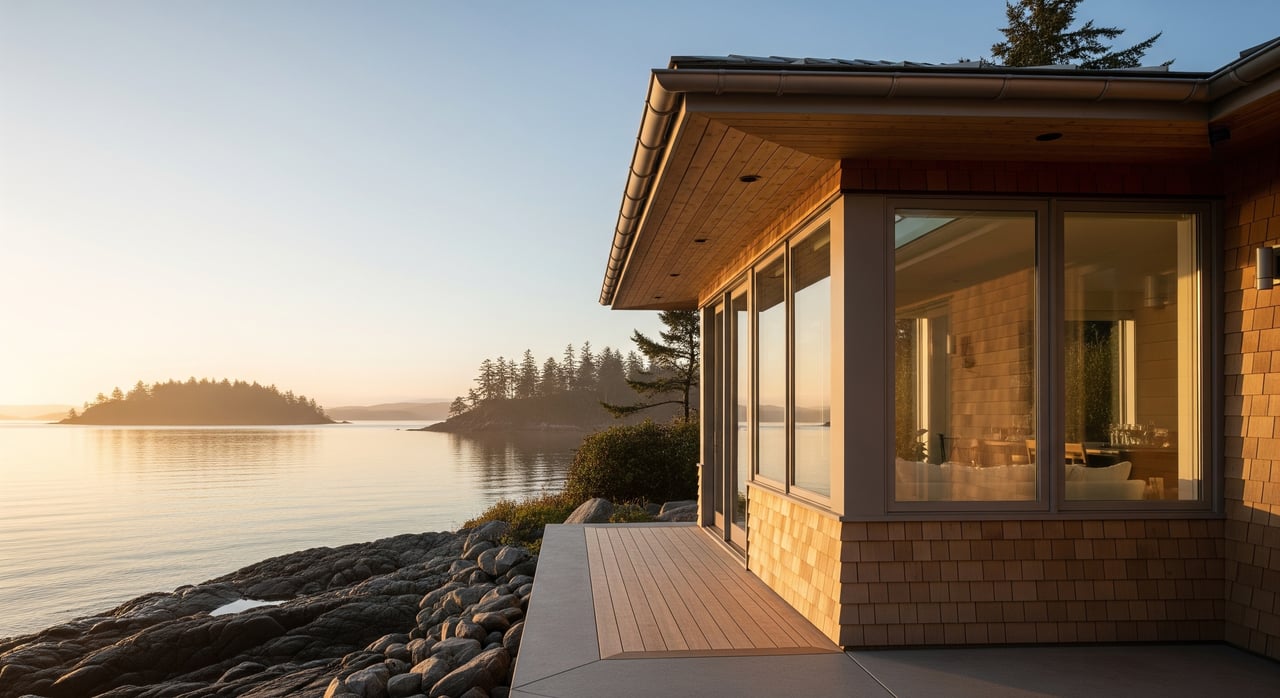
Thinking about building a home on Orcas Island? The views and quiet coves are hard to resist, but island builds work differently than on the mainland. You want to know if a parcel is truly buildable, how long the process takes, and where the real costs and delays show up. In this guide, you’ll get a clear, island-specific roadmap from feasibility through permits, utilities, design, timing, and budget. Let’s dive in.
Start with feasibility first
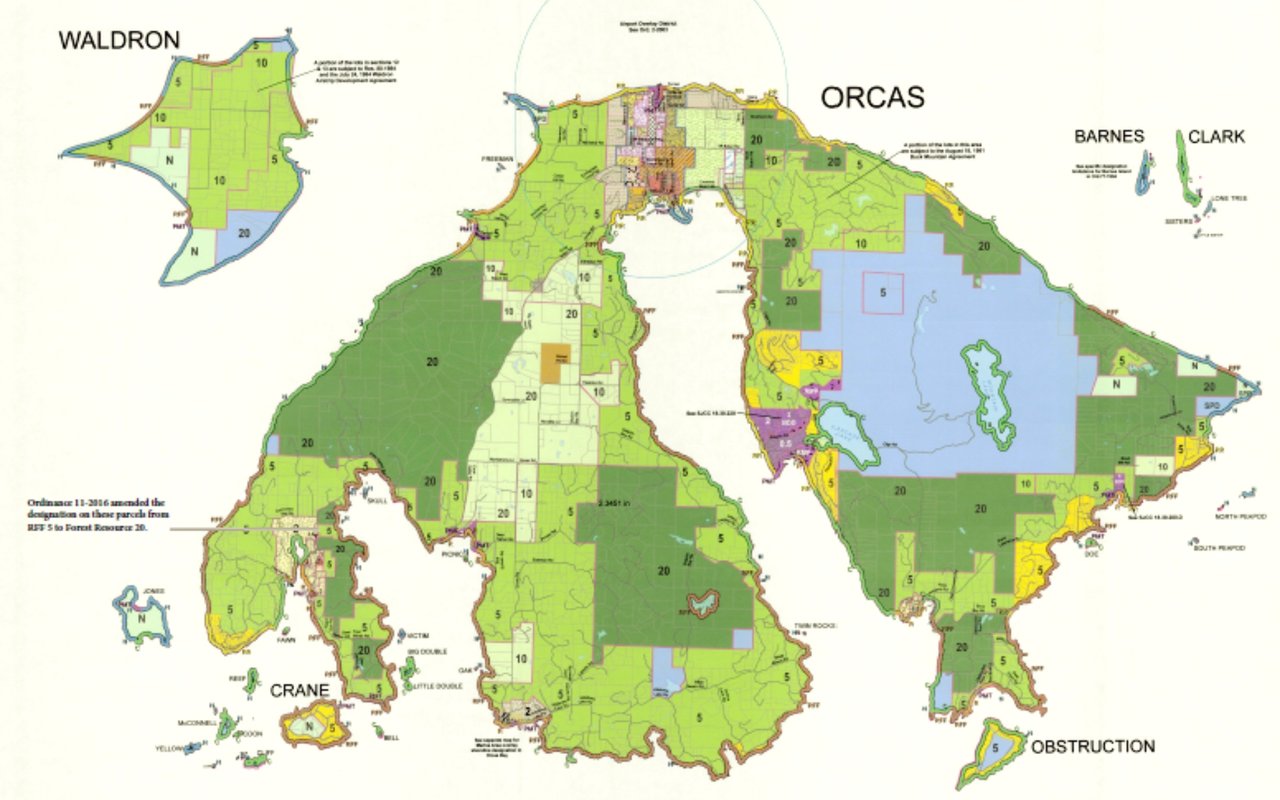
On Orcas, a beautiful lot is not the same as a buildable lot. Before you write an offer, confirm the basics that control whether you can build and where the home can sit on the site. A short pre-application conversation with the County can save months later.
- Consider a quick check-in through San Juan County’s Permit Center. Staff can point you to the right submittals and help you plan next steps, especially for shoreline or complex sites.
Zoning and shoreline rules
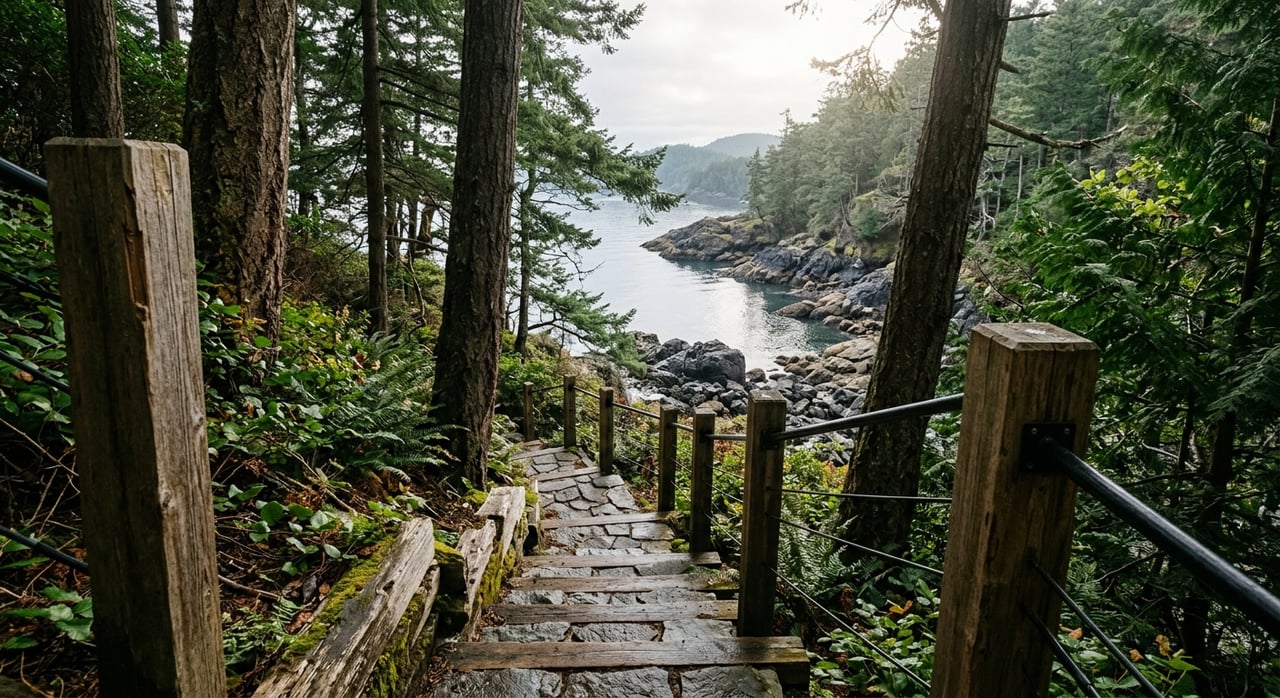
Confirm the land-use designation and if the parcel lies in an Urban Growth Area or Activity Center. Shoreline parcels face extra rules under the County’s Shoreline Master Program, which affects things like docks, beach access, and vegetation removal. Review the adopted Shoreline Master Program documents early if you are near the water.
Water and septic feasibility
Most properties rely on on-site wells and septic. Groundwater recharge on Orcas is limited and varies by location, and some areas have risk of seawater intrusion. You will need evidence of an adequate water supply and an approved sewage plan to get a building permit. Start with the County’s guidance on on-site sewage systems and inspections in the On-Site Sewage System O&M Program Plan. For site geology and aquifer context, see Washington DNR’s regional summary of glacial deposits and bedrock conditions, which affect well yields and excavation costs (DNR publication).
Topography and soils
Steep slopes, shallow bedrock, and variable soils are common. Budget time and funds for a geotechnical investigation, and expect higher costs if rock blasting, retaining walls, or imported fill are needed. The DNR publication above is a helpful orientation to why drilling depth and excavation can vary.
Access and fire standards
Confirm legal access and whether your driveway can meet County width, grade, and turnaround standards. Long or steep private roads can trigger upgrade requirements. The County recommends contacting the Fire Marshal early; see the County’s overview for first-time builders to understand access, water supply, and when sprinklers are required.
Due diligence checklist
Order these items during your offer’s contingency period to avoid surprises:
- Topographic and boundary survey.
- Site and soil evaluation for septic, including a planned reserve area, per the County’s on-site sewage O&M guidance.
- Well logs and yield test, or plan and budget for drilling based on local geology.
- Written power service estimate or line-extension precheck from OPALCO; see OPALCO’s interconnect and member-generation info.
- A brief pre-application with San Juan County Community Development, especially for shoreline or critical-area sites.
Design for island conditions
Orcas has a maritime climate with wet winters, cool summers, and salt-laden winds on exposed shorelines. Good building science matters here to keep your home dry, durable, and efficient.
Building envelope and roofs
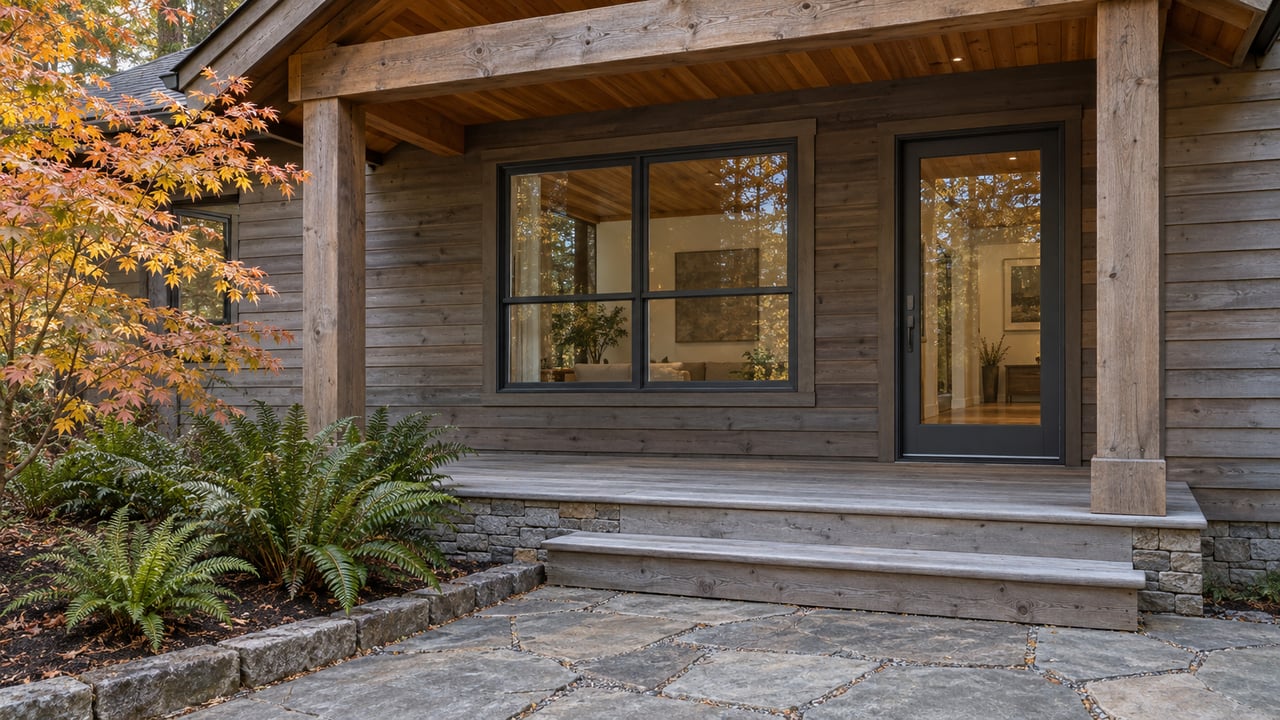
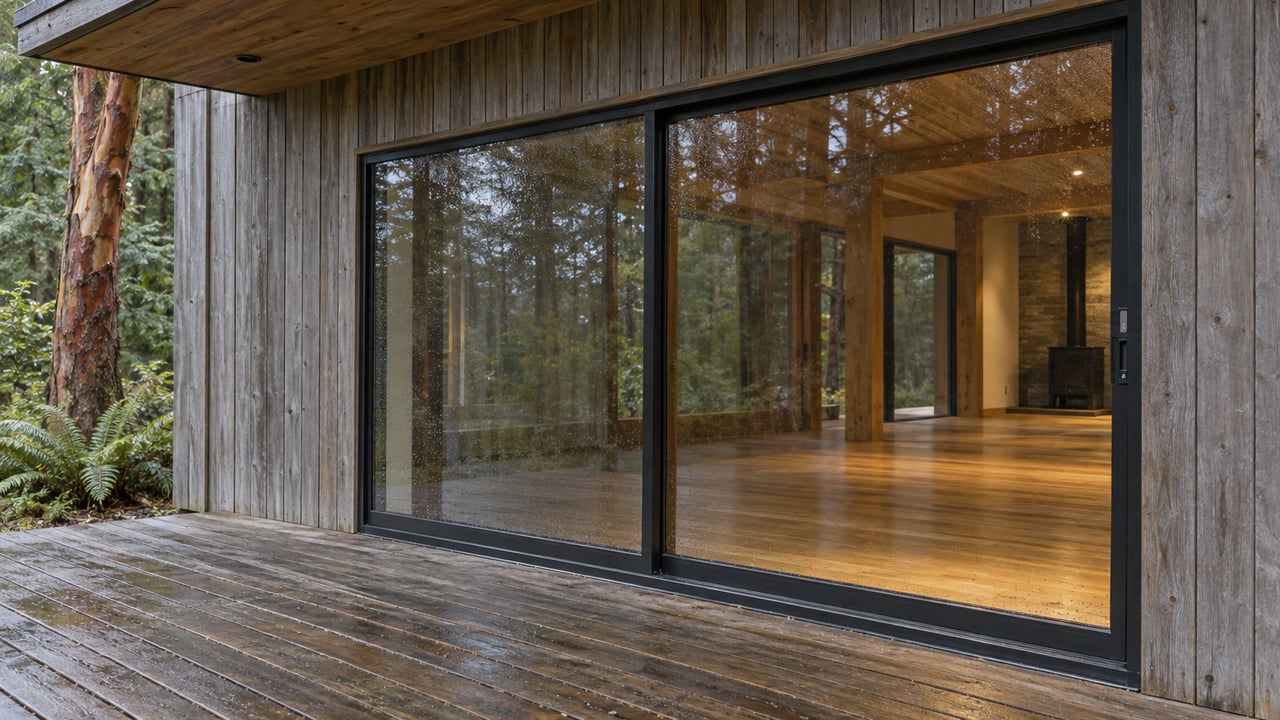
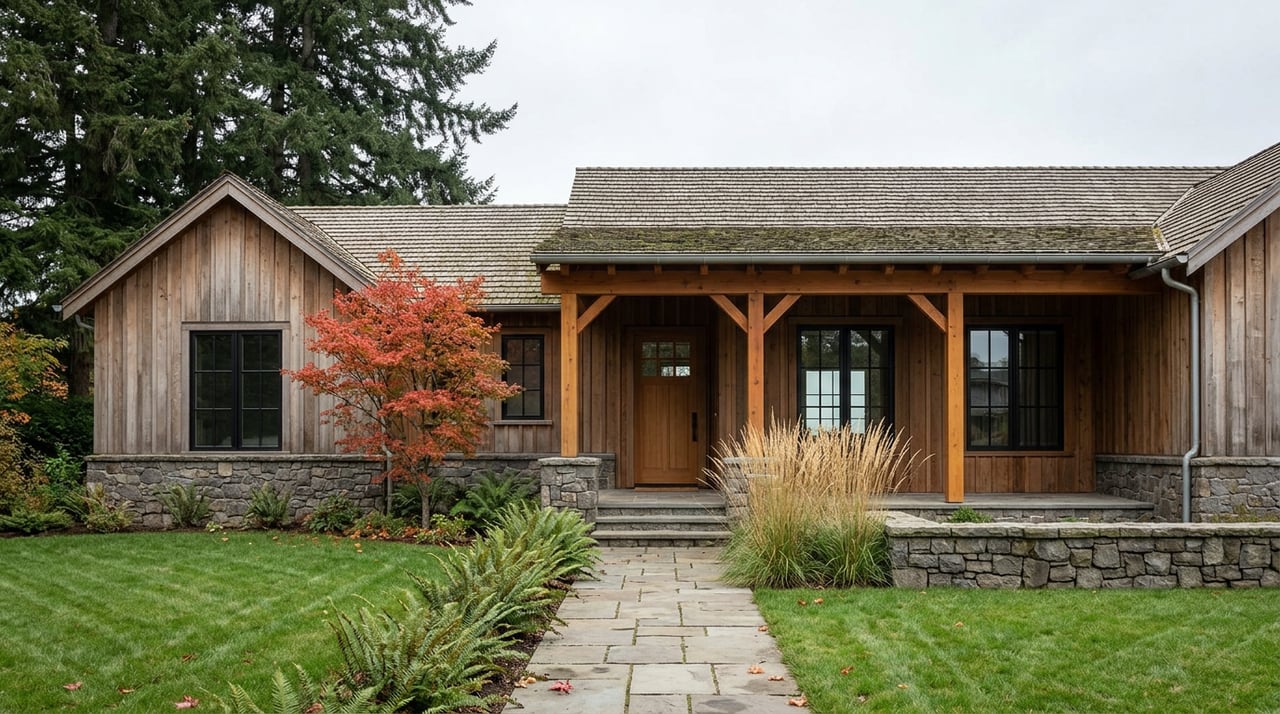
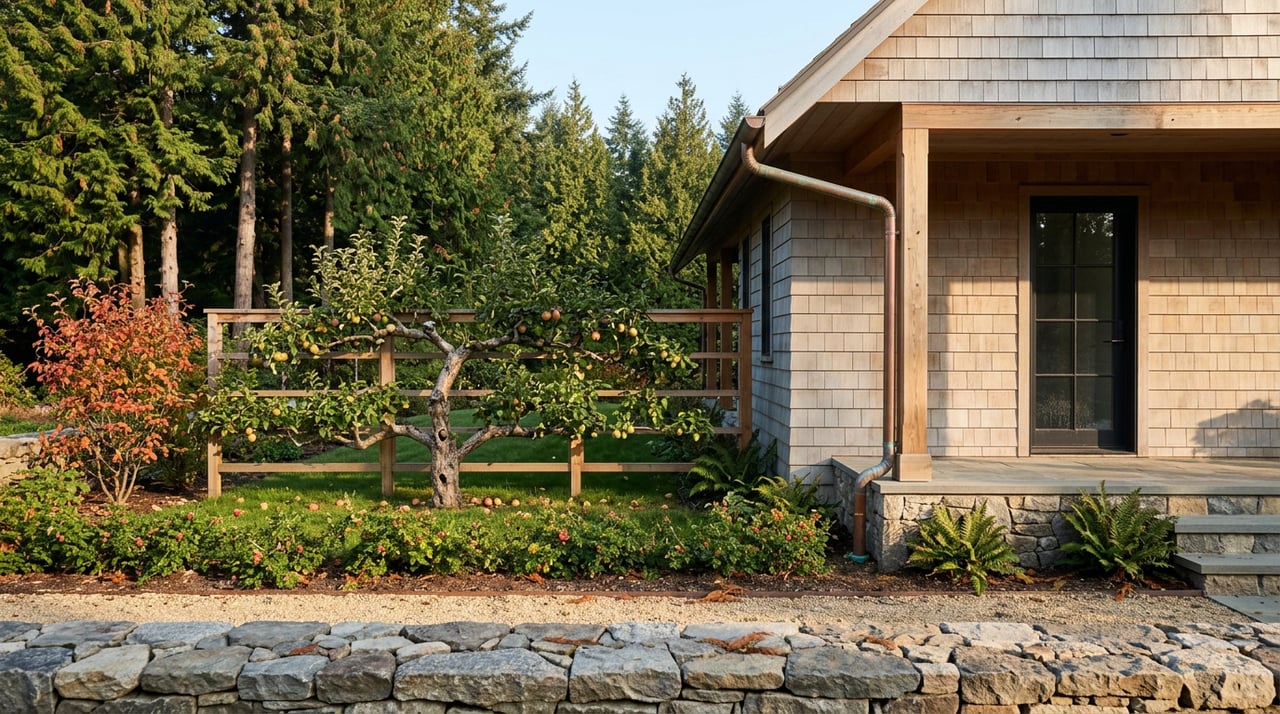
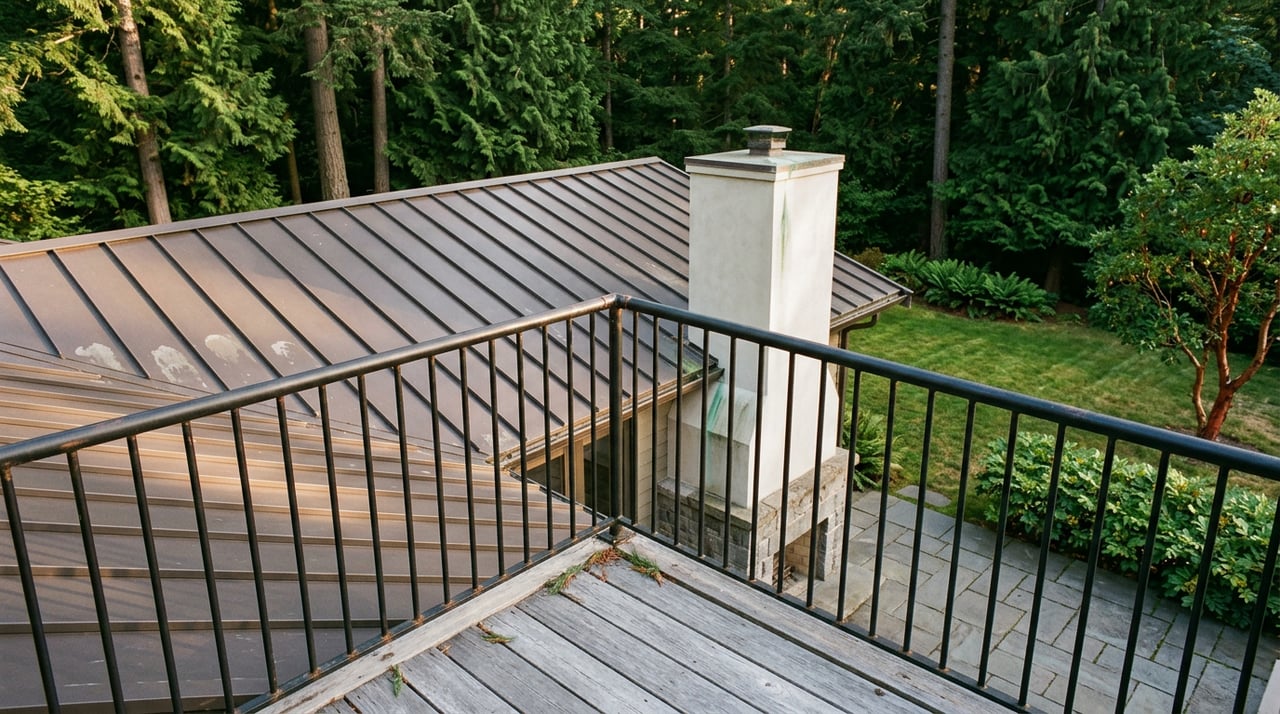
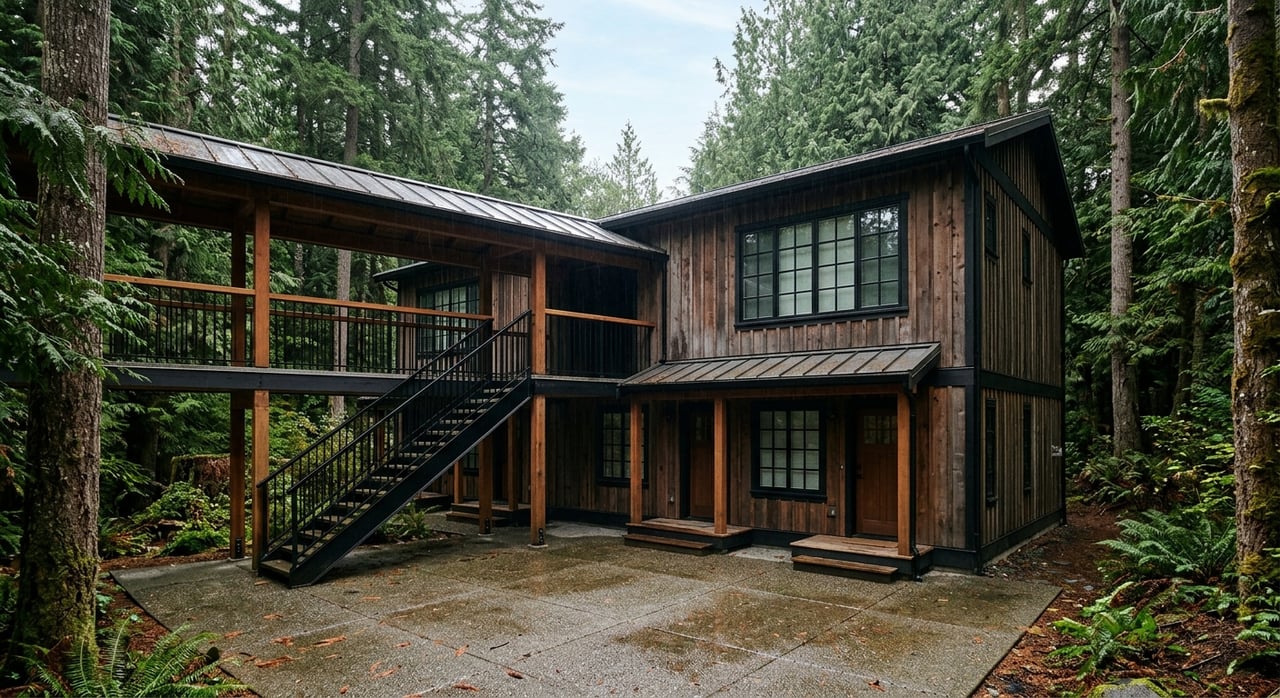
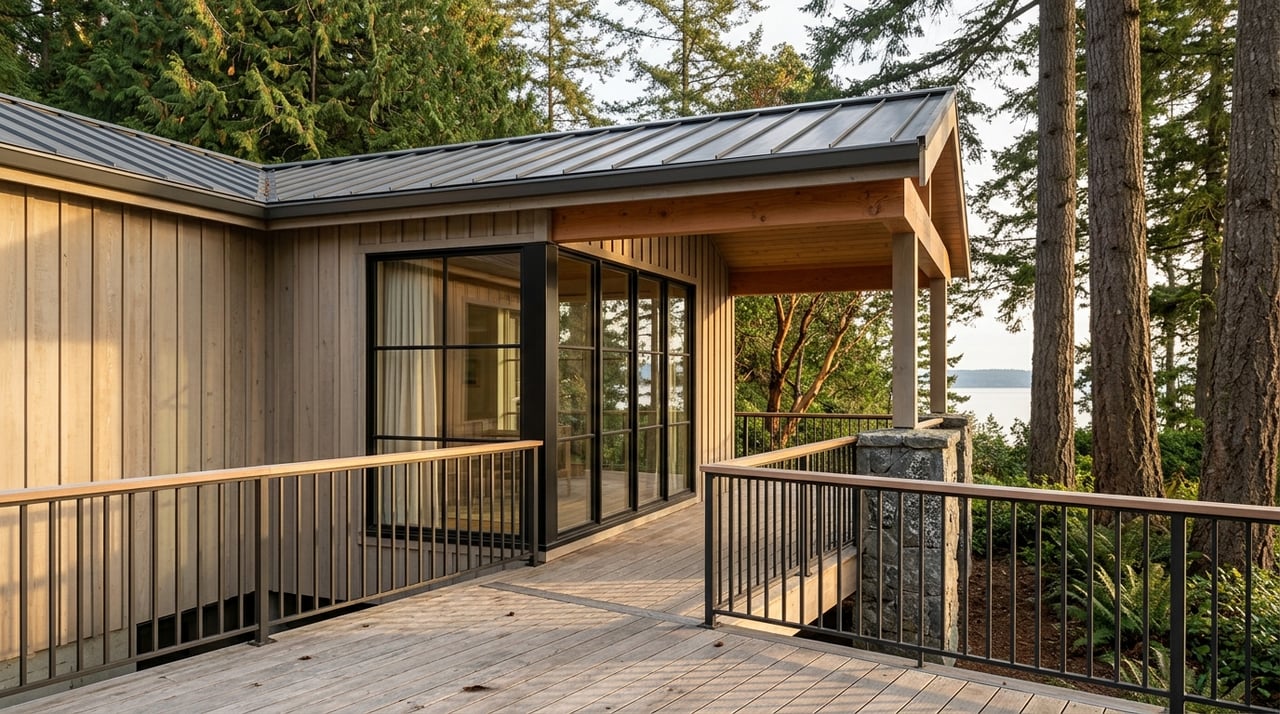
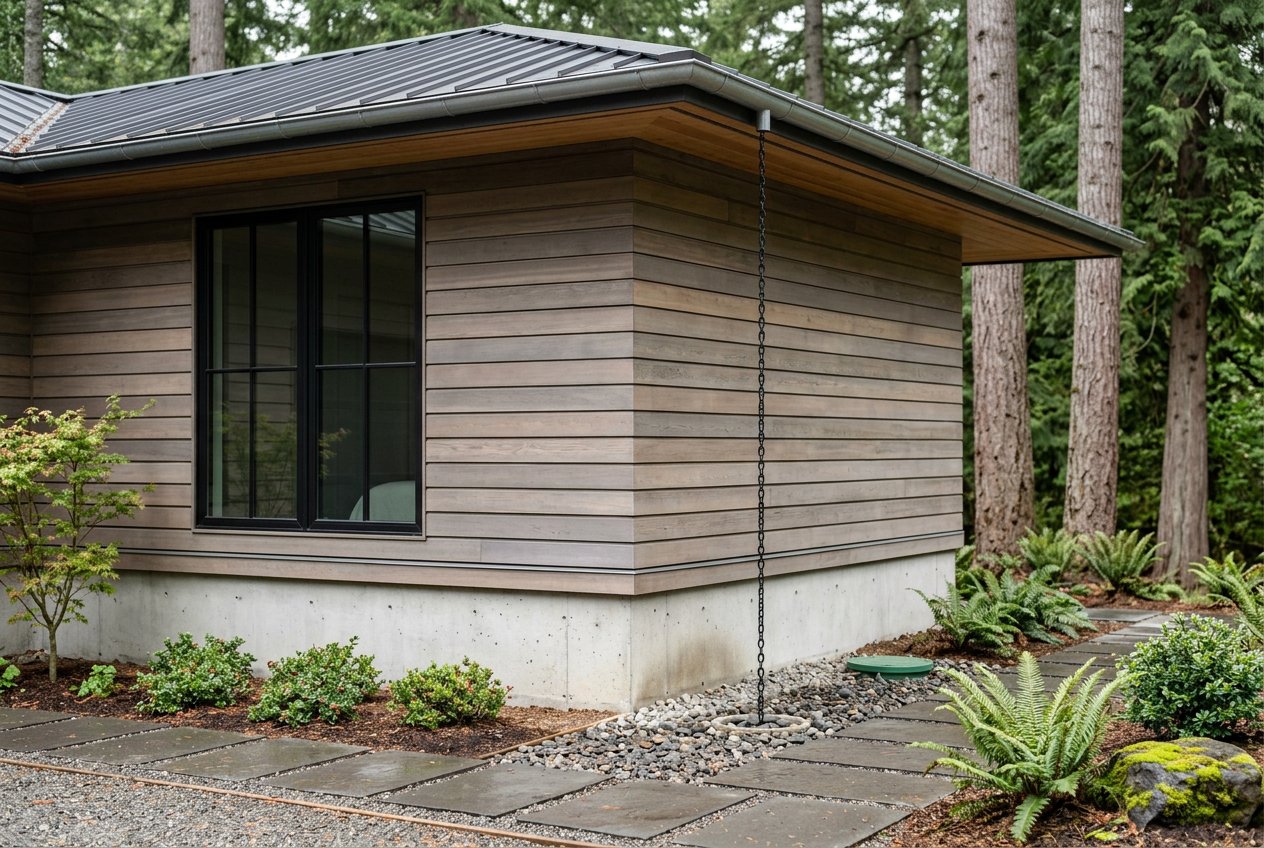
Prioritize continuous air and moisture control, rainscreen cladding, sealed flashing, and robust ventilation. Near the shore, specify corrosion-resistant fasteners. Steep-pitch or standing-seam metal roofs shed heavy rain well and pair with well-designed gutters and downspouts. Learn the rationale in this overview of best-available science for local conditions (moisture control summary).
Mechanical systems and backup power
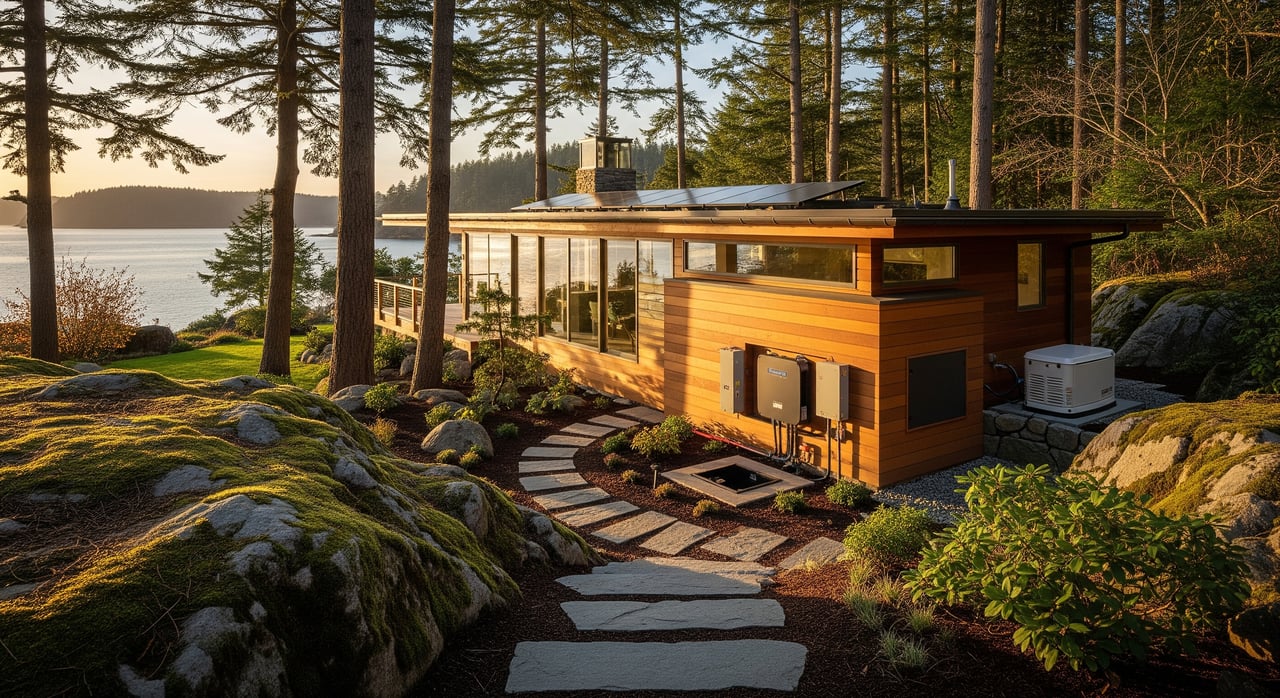
Electric air-source heat pumps are well suited to the Pacific Northwest. Because island power outages can occur, many owners add battery storage or a generator. If you plan solar or batteries, OPALCO requires an interconnection application and preapproval; review their member-generation and interconnect policies.
Foundations and site work
Rock excavation, retaining structures, driveway surfacing, and culverts are common cost drivers on Orcas. Early geotechnical testing helps your builder and engineer size foundations and plan drainage. See the DNR summary for why island geology affects excavation depth and cost.
Utilities and services
Power with OPALCO
OPALCO supplies electricity across the San Juans. If your lot sits far from existing lines, a line extension can add significant cost and time. Request a written service estimate early and clarify meter location, trenching, and any interconnection details if you plan solar or batteries through OPALCO’s interconnect page.
Septic systems and inspections
Conventional gravity septic systems work where soils allow. Many sites require alternative or proprietary systems such as pressure distribution, mounds, or advanced treatment. Some system types need annual professional inspections. Get familiar with local requirements in the County’s On-Site Sewage System O&M Program Plan.
Water supply
Many properties use private wells or small community systems. You will need to show evidence of an adequate water supply as part of the building permit. Review the County’s Building Permit Forms and Information to see what documentation is required.
Telecom and fuel
Broadband is available in many areas through Rock Island Communications, an OPALCO subsidiary. Natural gas mains are not island-wide. Propane deliveries are a common fuel source for stoves, fireplaces, and backup heat.
Permits and timeline
A realistic, orderly path shortens your schedule and reduces rework. These are the typical steps for a single-family home on Orcas; your sequence may vary based on site conditions.
Typical approvals
- Pre-application conversation with San Juan County Community Development to flag shoreline or critical-area issues.
- Building permit and plan review under County-administered Washington State building codes. See the Building Division for current code adoption and submittal process.
- On-site sewage review and permit through Health & Community Services, with critical-area review for certain sites. Refer to the on-site sewage O&M plan for system and inspection guidance.
- Evidence of adequate water supply as part of your building permit application; see permit forms and instructions.
- Fire Marshal review for access, turnarounds, and water supply. Structures over 4,000 square feet typically require sprinklers; see first-time builder guidance.
- Shoreline and critical-area reviews as applicable. Shoreline work can require additional permits and public notice. Review the Shoreline Master Program documents.
Expected timing
- Lot search and offer: variable.
- Due diligence and pre-application: about 2 to 8 weeks if schedules align.
- Design and permit-ready drawings: commonly 2 to 6 months.
- County plan review and permit issuance: varies by application type and completeness; allow additional weeks for corrections and, if needed, public notice periods.
- Site work and inspections: about 1 to 3 months depending on weather and contractor availability.
- Main construction: modest custom homes often take 6 to 9 months; larger custom homes commonly run 9 to 18 months or more. Island logistics and trade availability can extend schedules; see this overview of island construction timing and logistics.
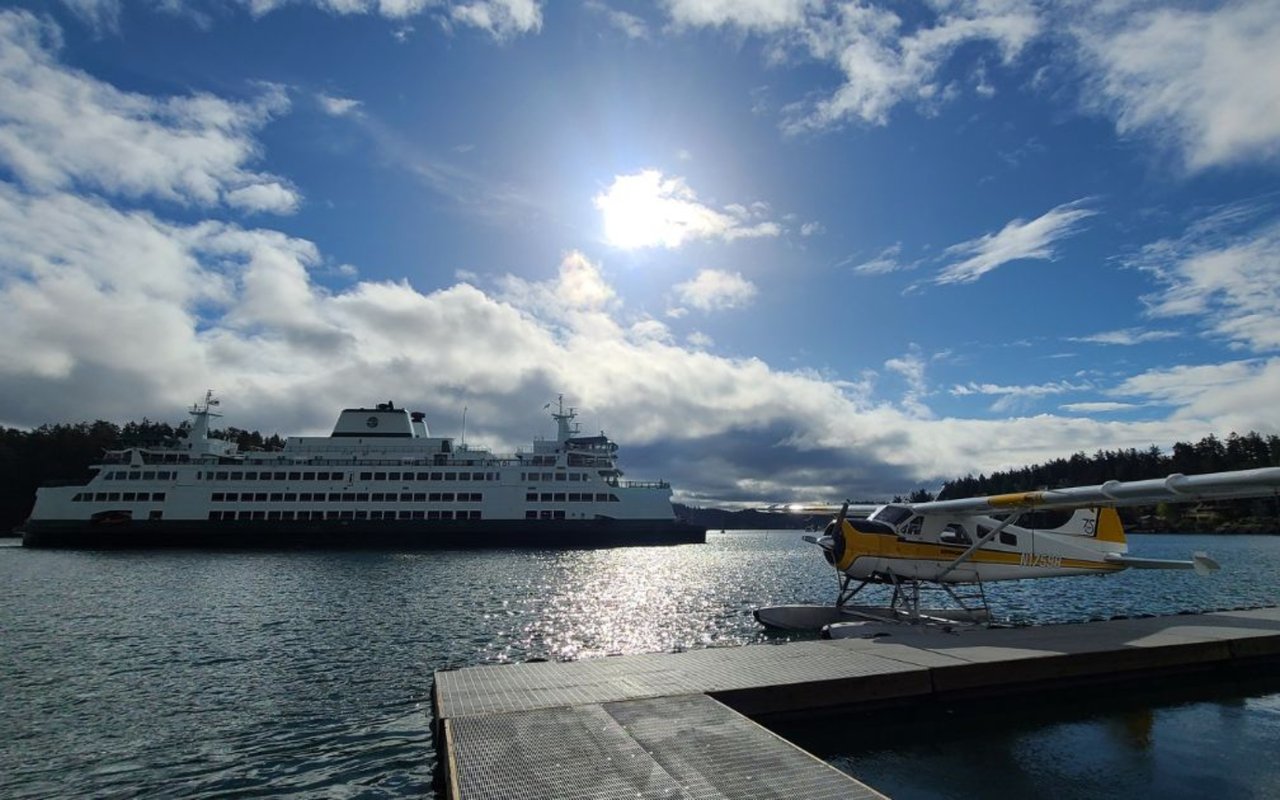
Ferry capacity and scheduling add another layer. Most heavy materials arrive by ferry or barge, and vehicle space can be limited during peak times. Plan major deliveries around reservation windows and holiday surges; see Washington State Ferries’ guidance and updates on the Anacortes–San Juan route (ferry logistics update).
Where delays happen
- Incomplete applications that trigger multiple resubmittals.
- Septic or well limitations that require redesign or deeper drilling.
- Shoreline or critical-area issues that add studies, mitigation, or hearings.
- Utility line extensions or service upgrades requested by OPALCO.
Budget and cost drivers
Island building carries premiums for logistics, specialized trades, and site work. Budget deliberately and keep contingency available for field conditions.
- Pre-purchase due diligence: surveys, soils and perc tests, and any required studies typically add up to several thousand to low five figures.
- Septic design and installation: costs vary by system type; advanced or proprietary systems and mounds cost more and may require annual O&M contracts. The County’s O&M plan explains inspection requirements by system type.
- Well drilling: depth and yield are highly site-specific, especially with bedrock. Budget from the low thousands upward depending on depth and equipment time.
- Site preparation: driveway, rock excavation, retaining walls, and erosion control can be substantial on steep or rocky parcels. The DNR geology overview explains why conditions vary across the island.
- Utility power: if a line extension is needed, request an OPALCO pre-estimate and budget accordingly. Details and interconnect policies are on OPALCO’s site.
- Construction cost per square foot: ranges widely based on design, finish level, and complexity. Island premiums for ferry/barge logistics, crew mobilization, and specialty trades typically push costs above comparable mainland projects.
- Soft costs: architecture and engineering often run 8 to 12 percent of construction cost for custom homes. Add permit fees, inspections, temporary facilities, insurance, and a 10 to 20 percent contingency.
When to involve local pros
The right experts, in the right order, keep your plan aligned with reality.
- Local real estate agent before you write an offer to screen for buildability, past septic and well records, and access or easement issues.
- Surveyor for boundary and topography during due diligence to frame your buildable envelope and setbacks.
- Septic designer and well driller during due diligence to confirm system types and water availability.
- Local builder early in design to test budgets, phasing, and logistics, and to advise on material deliveries and ferry or barge coordination.
- Architect or design-build team for permit-ready drawings that reflect island conditions and your budget.
- Geotechnical and civil engineers for foundations, grading, and drainage.
- Early touchpoint with the County Fire Marshal to confirm driveway standards, turnarounds, and sprinkler triggers; see first-time builder guidance.
- Early contact with OPALCO for a service estimate and any interconnection requirements through OPALCO’s interconnect page.
Bring your Orcas plan to life
If you approach Orcas with a feasibility-first mindset, you can design a durable, comfortable home that fits the site and the pace of island life. Start with due diligence, involve the right local pros early, and keep schedules flexible for ferry and weather windows. When you are ready to explore lots, budgets, and timelines, connect with the trusted local team at True North Realty / Orcas Island, LLC. for guidance tailored to your goals.
FAQs
What permits do I need to build a home on Orcas Island?
- Expect a building permit and plan review, on-site sewage approval, evidence of adequate water supply, Fire Marshal review, and any shoreline or critical-area permits; start with the County’s Permit Center.
How do shoreline rules affect waterfront building on Orcas Island?
- Shoreline lots face extra standards for structures, access, and stabilization; review the Shoreline Master Program documents and consider a pre-application discussion with the County.
How long does it take to build a custom home on Orcas Island?
- After design and permits, modest custom homes often take 6 to 9 months and larger homes 9 to 18 months or more; logistics and weather can extend timelines, as outlined in this island construction overview.
What septic systems are allowed in San Juan County?
- Conventional gravity systems are common where soils allow, but many sites require pressure, mound, or advanced treatment systems that need regular inspections per the County’s on-site sewage O&M plan.
Do I need OPALCO approval for solar or batteries on Orcas Island?
- Yes, OPALCO requires an interconnection application and preapproval for member-generation and explains production metering and billing credits on its interconnect page.
How do Washington State Ferries affect construction schedules to Orcas Island?
- Reservations and peak-season capacity can delay large deliveries, so plan major shipments around ferry windows and holiday surges using WSF ferry logistics updates.