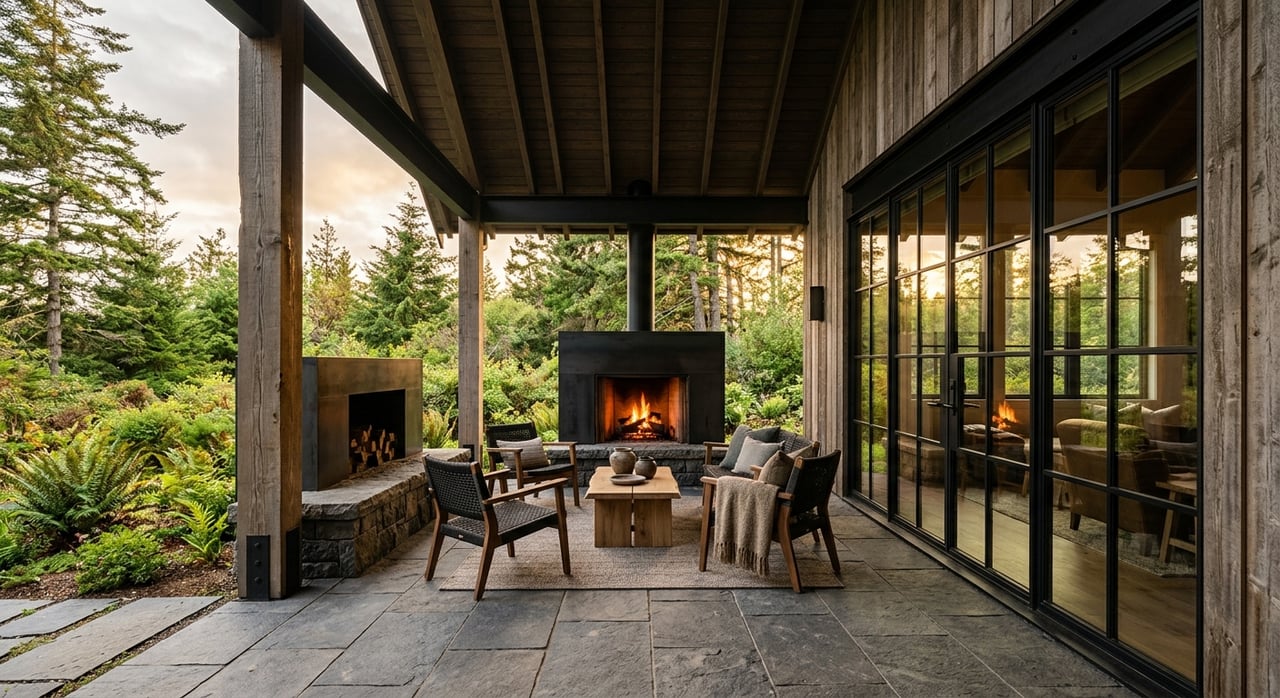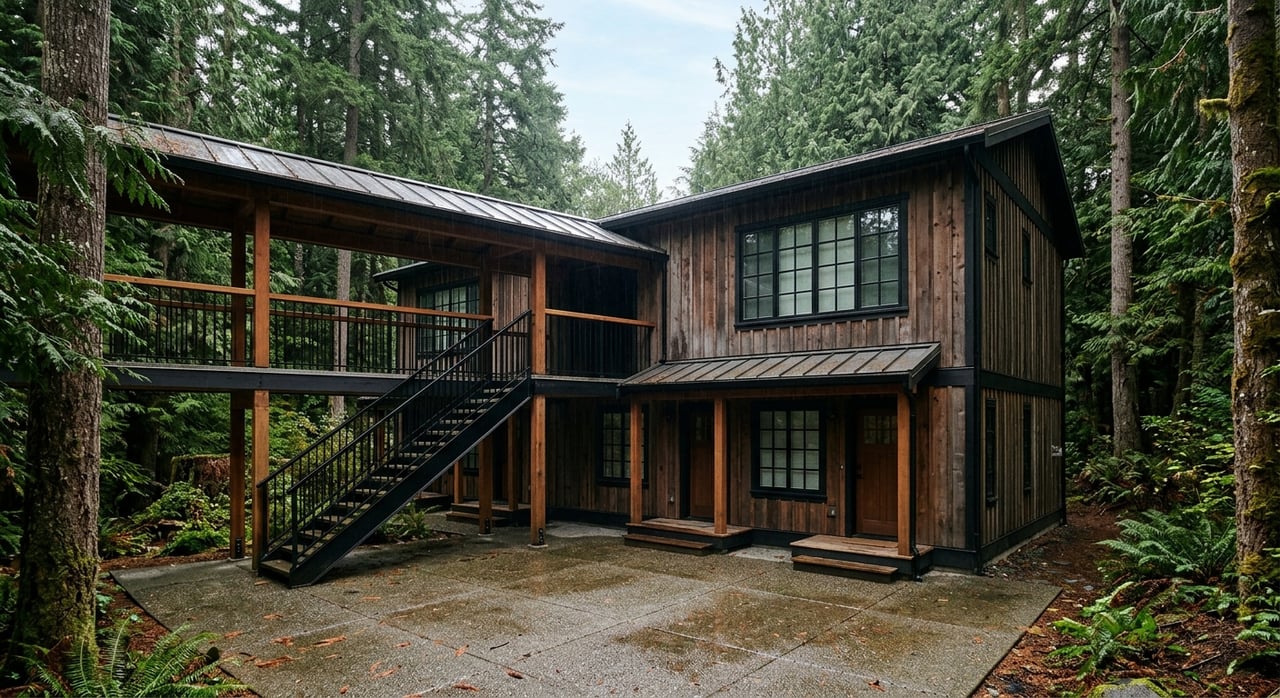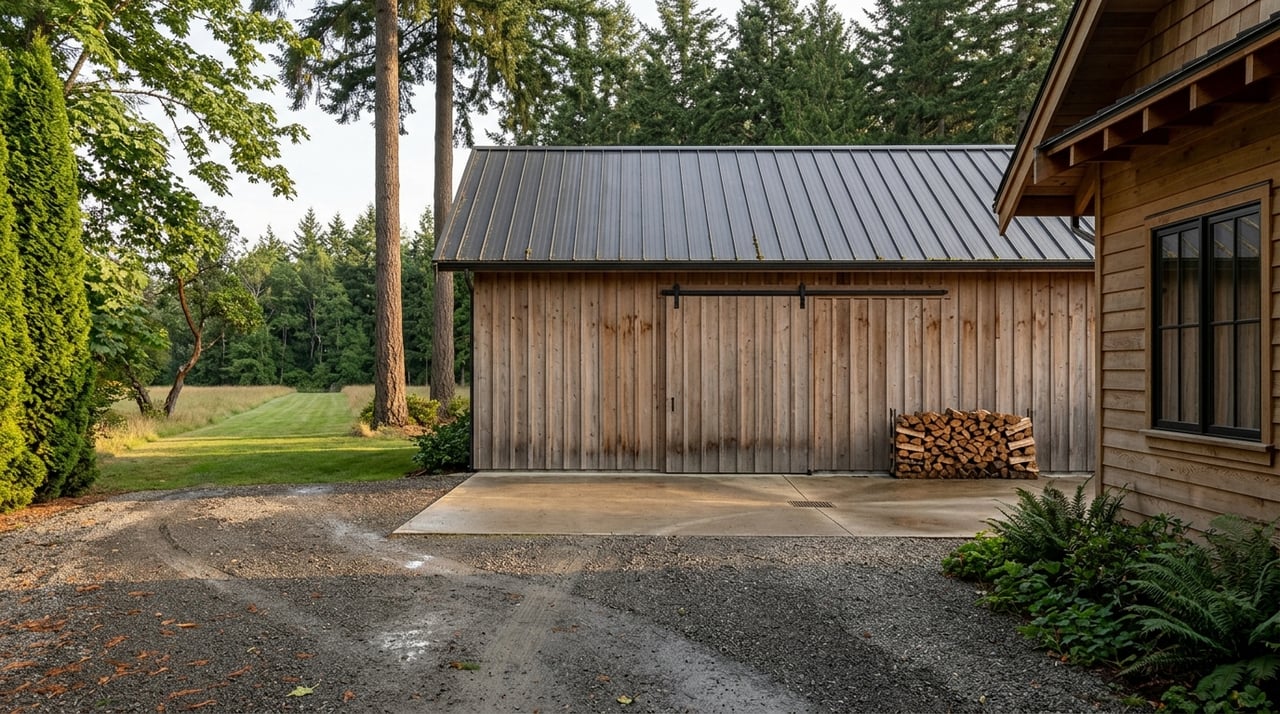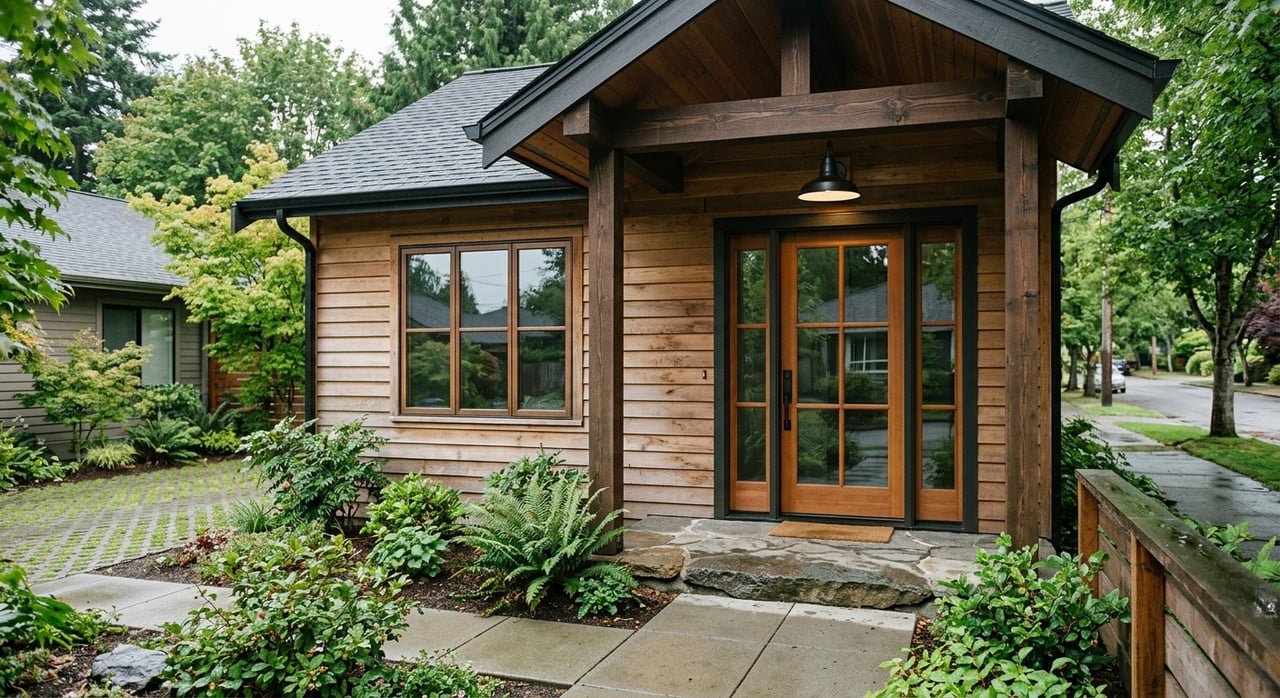
If your home sits near the heart of Eastsound, location alone is not the whole story. Buyers are not just asking whether your address says Eastsound. They want to know how walkable the home really is, what daily life feels like, and whether the property offers the convenience, access, and transparency that a village-core purchase should. That is exactly where smart prep and precise marketing can set your listing apart. Let’s dive in.
Why Eastsound’s walkable core stands out
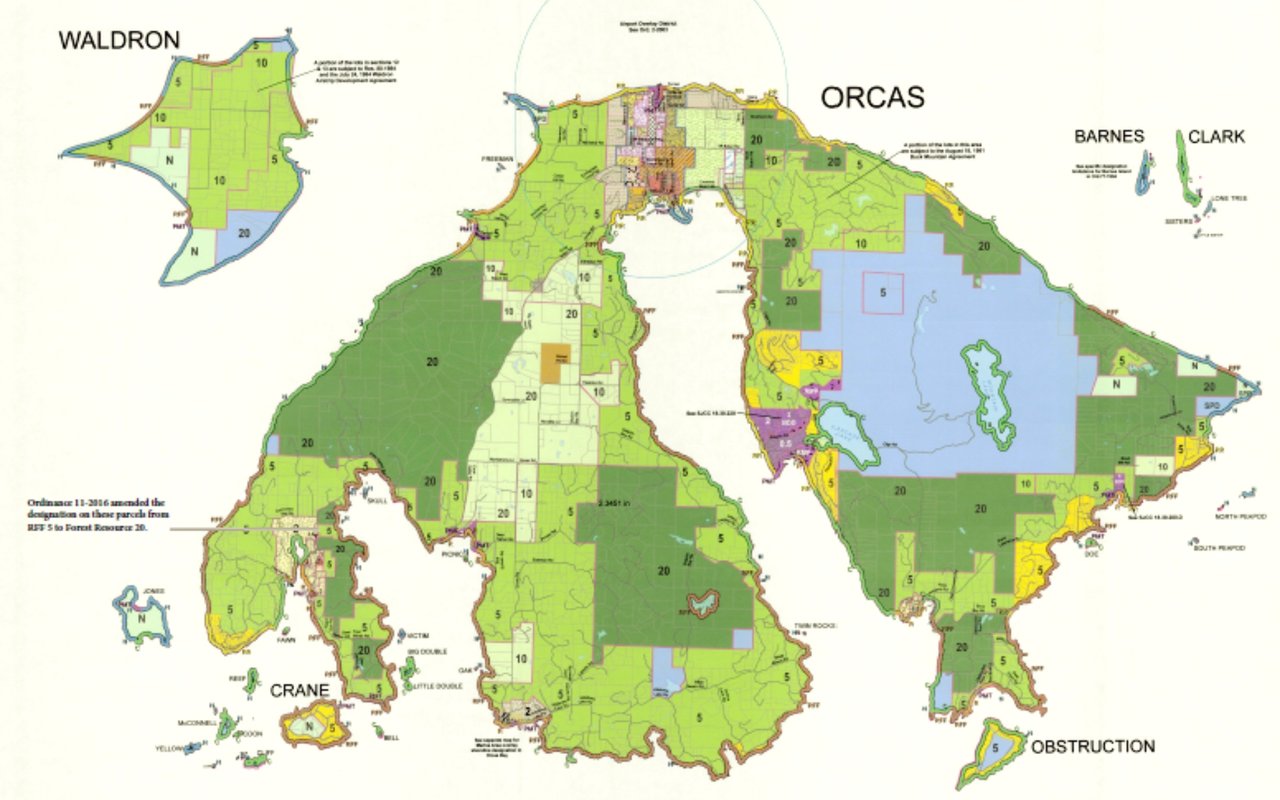
Eastsound is the social and economic center of Orcas Island, and San Juan County plans for it as a compact village where commercial, civic, and residential uses are intentionally concentrated. The goal is to preserve village character and improve pedestrian circulation, which helps explain why Eastsound feels different from more spread-out island areas.
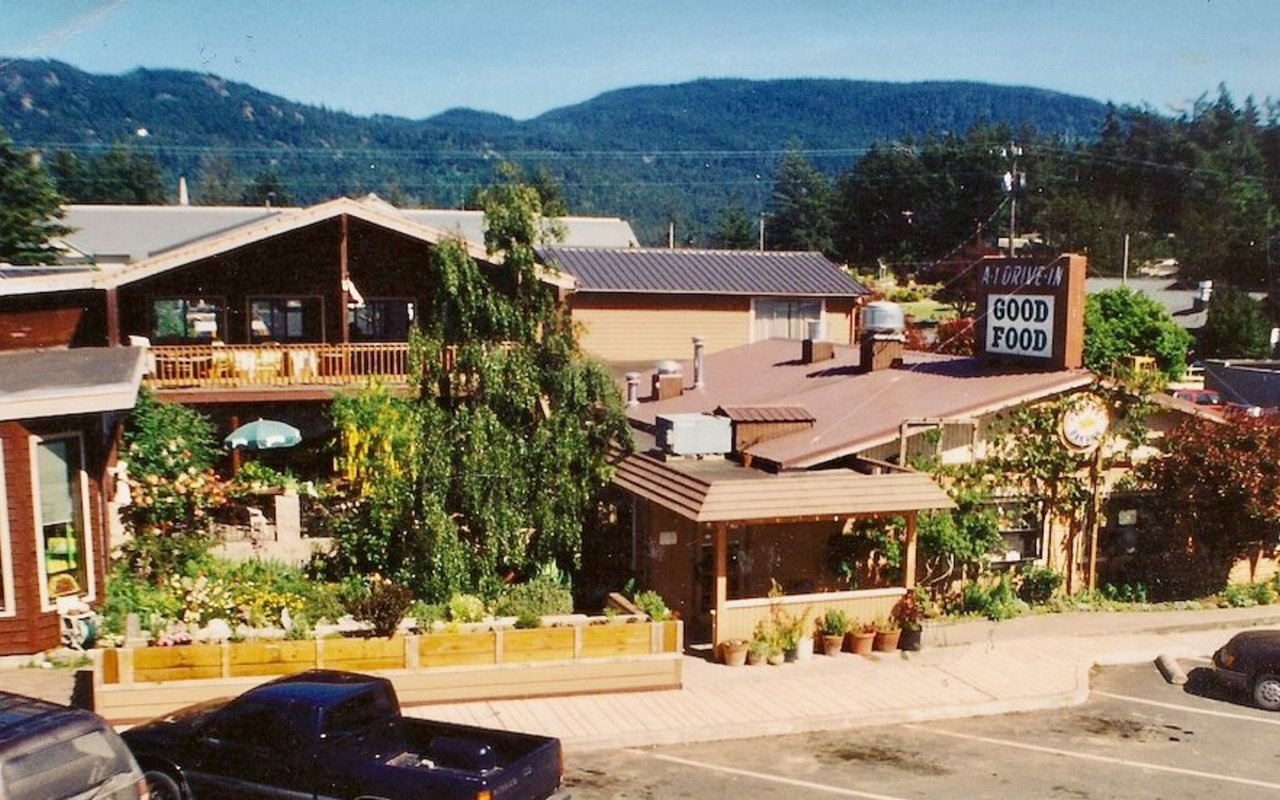
The village core is designed so walking between destinations is a preferred mode of getting around. The Orcas Island Chamber also describes Eastsound proper as largely a walking village, while the Port of Orcas describes it as the island’s main village and a base camp for visitors.
For you as a seller, that means buyers often see value in more than square footage or lot size. They are also weighing how easily they can reach shops, restaurants, Village Green, and everyday services on foot.
Define walkability with precision
One of the biggest mistakes a seller can make is using “walkable Eastsound” too loosely. Eastsound proper is not the same as the full Eastsound postal area, and buyers who know the island will notice the difference quickly.
Instead of making broad claims, describe the property’s actual relationship to the village core. Clear details help buyers trust your listing and picture daily life more accurately.
What buyers want to know
When buyers evaluate a home in or near Eastsound’s core, they often want specifics such as:
- Approximate walk time to the center of the village
- Proximity to Village Green, shops, and restaurants
- Whether the home feels connected to the active commercial area or the quieter residential edge
- How easy it is to get around without relying on a car for every errand
That kind of clarity matters because the village includes mixed-use areas where activity levels can vary from one block to the next.
Street appeal matters more in a compact village
In a small village, every home contributes to the overall feel of the street. San Juan County notes that new buildings can strongly affect village character and movement through Eastsound, which means presentation carries extra weight in this setting.
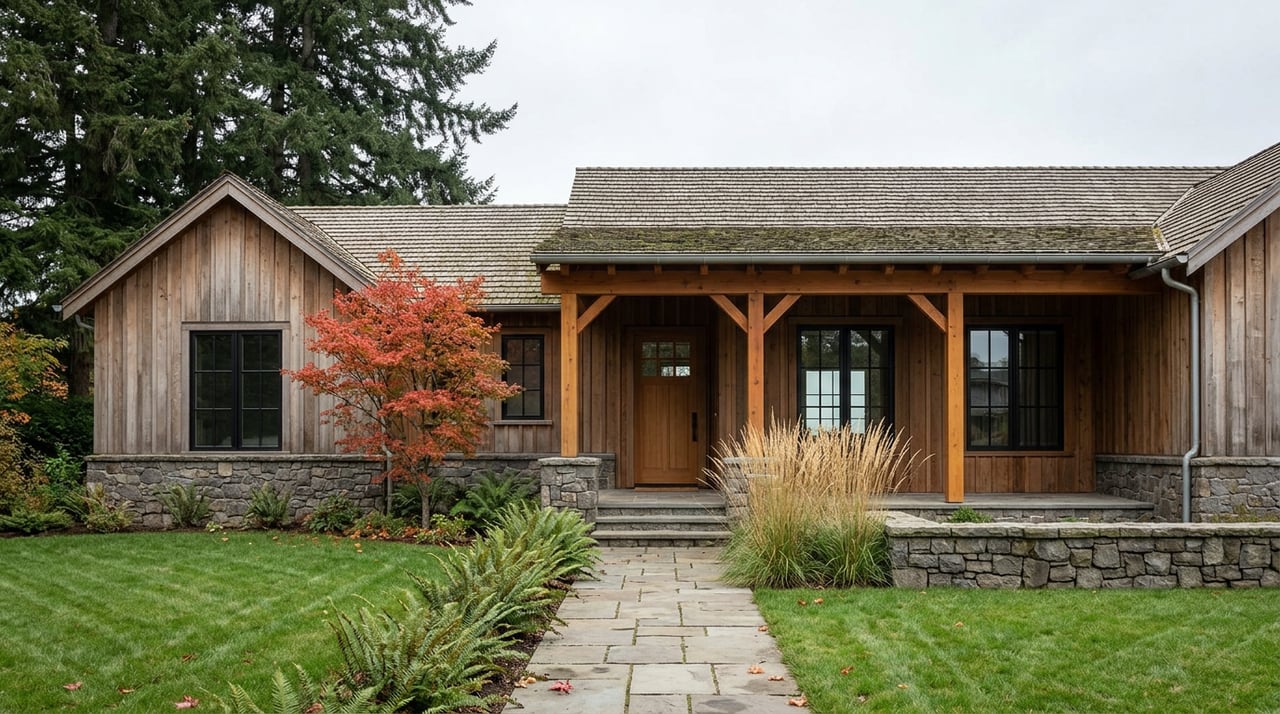
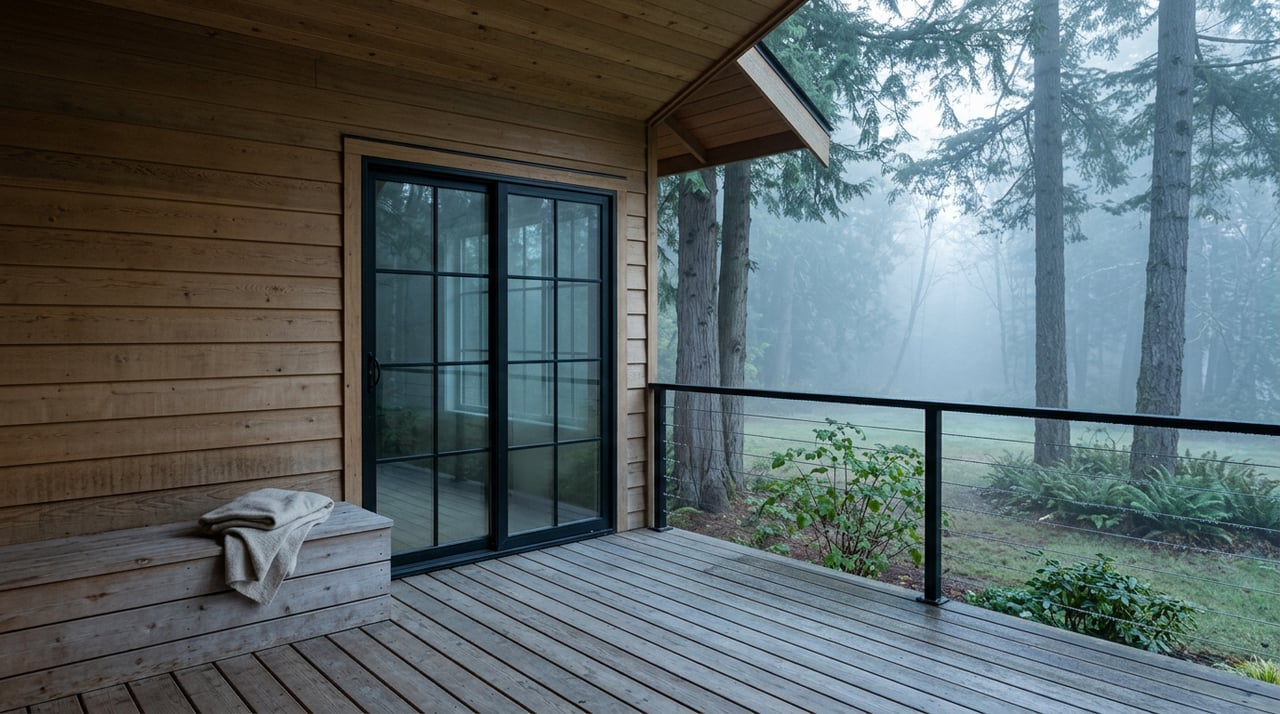
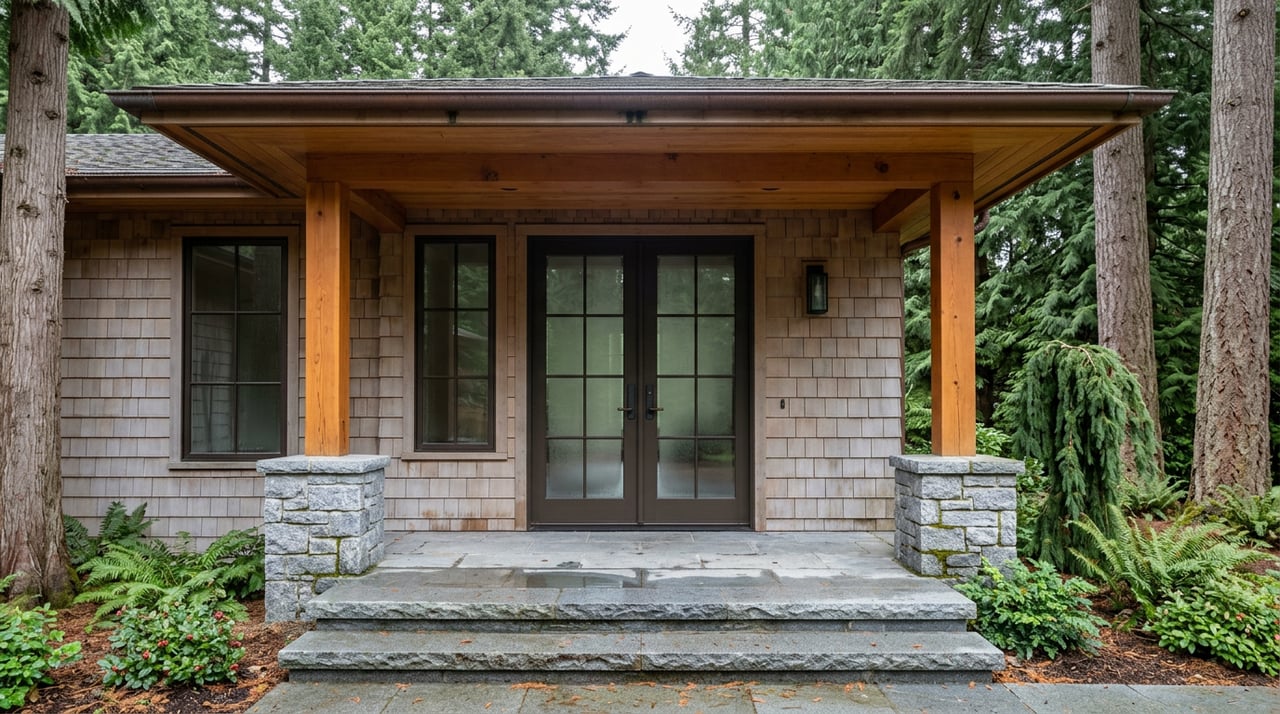
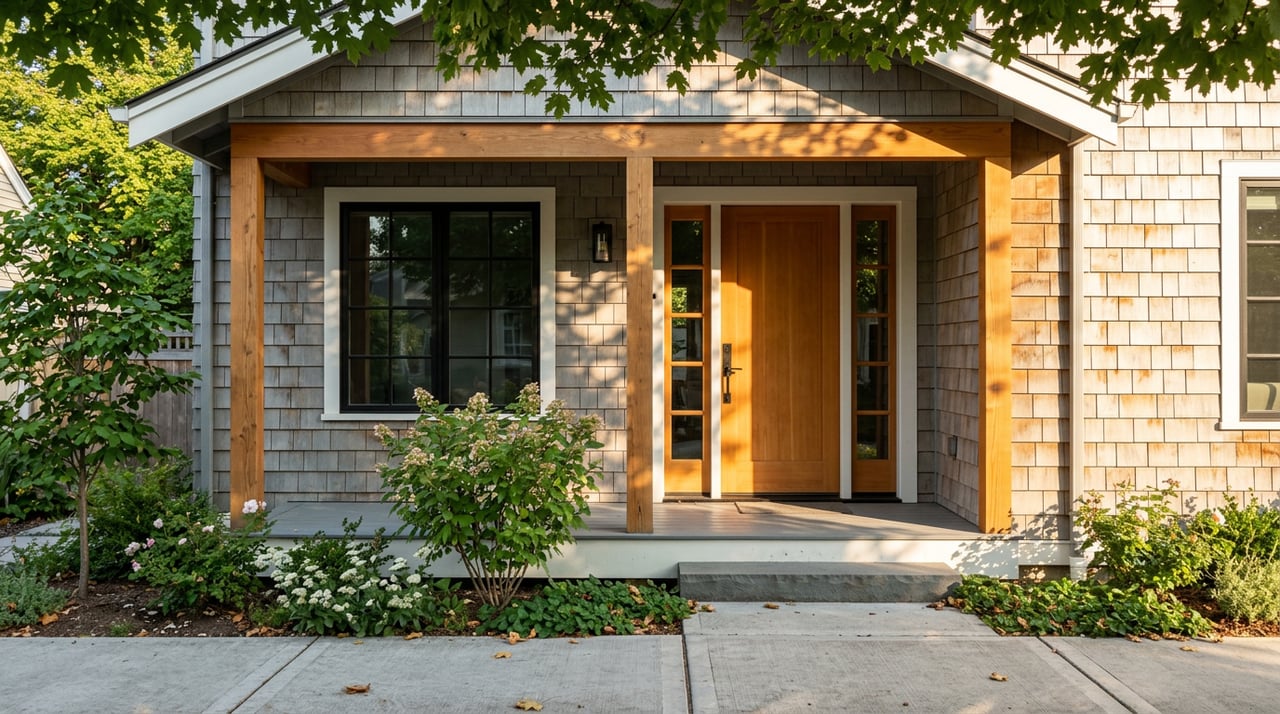
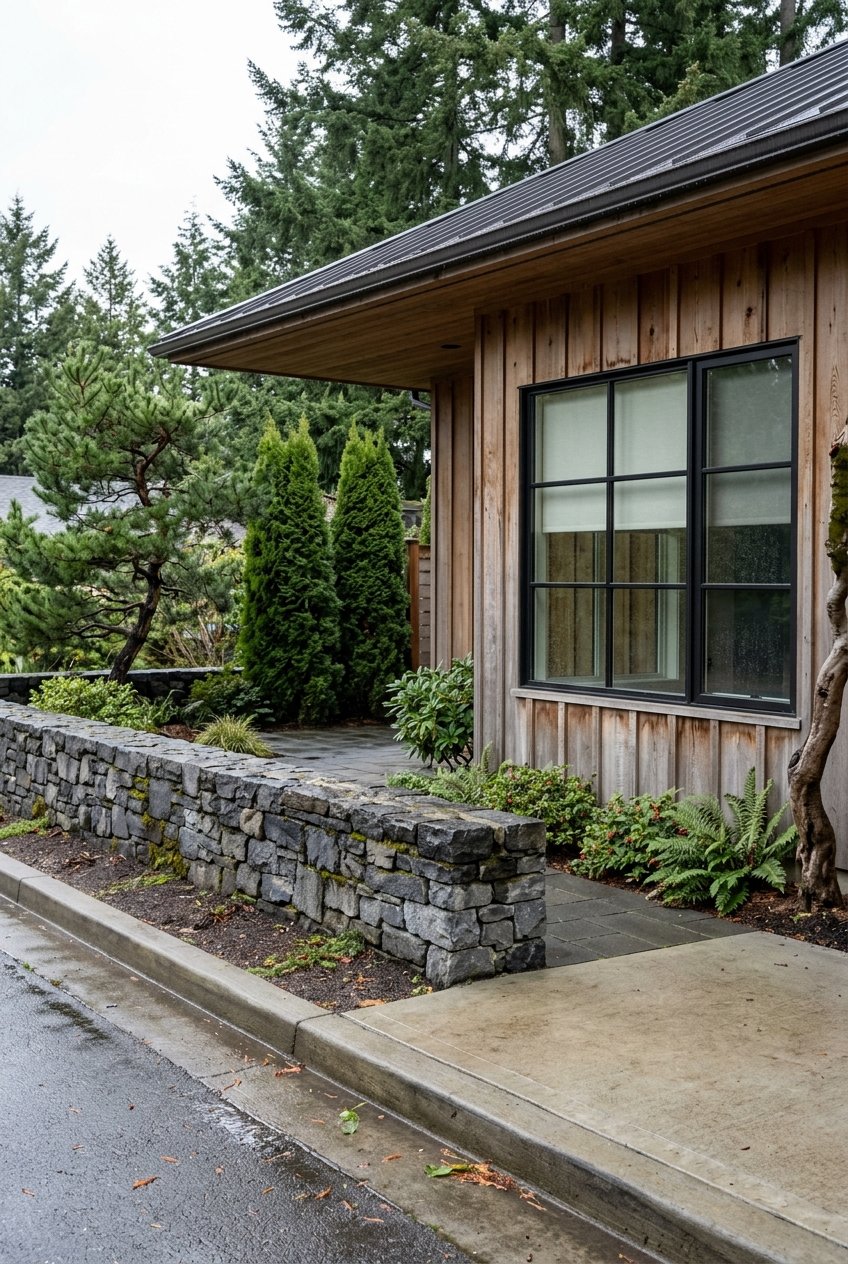
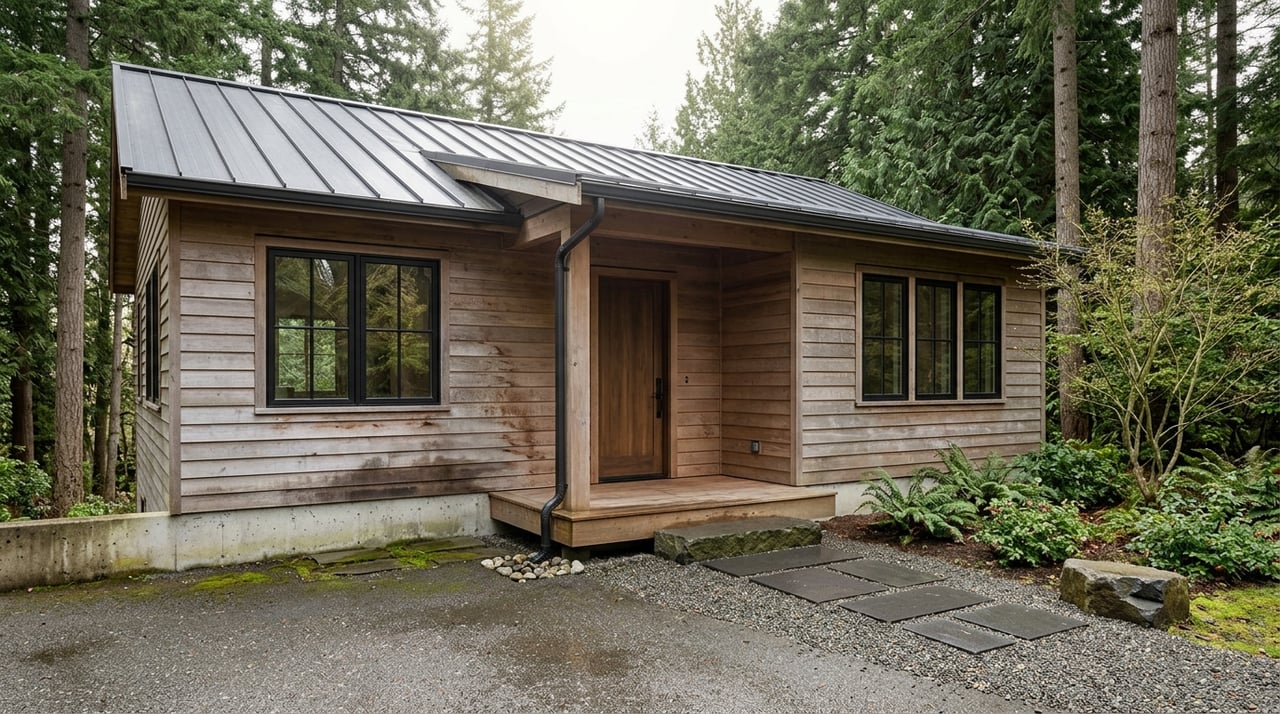
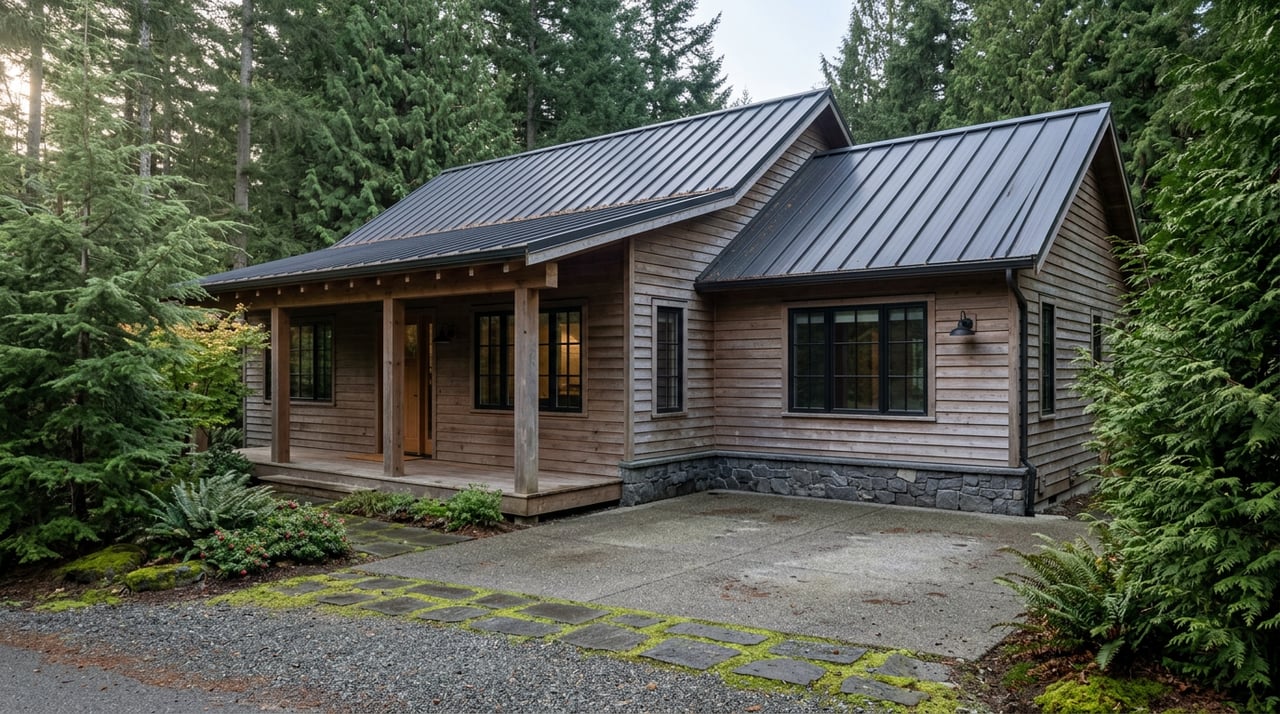
That is why curb appeal is not just cosmetic. It is part of how buyers judge whether a home fits the village and whether it feels well cared for in a highly visible location.
Focus on the exterior first impression
Before your home hits the market, pay close attention to how it reads from the street. In Eastsound’s core, buyers are likely to notice:
- Paint condition and exterior maintenance
- Landscaping and how it frames the entry
- Porch and front-door presentation
- The home’s orientation to the street
- Overall architectural fit within the surrounding village setting
A polished exterior can support the story that your home belongs in this walkable, street-oriented environment.
Parking can influence buyer confidence
In Eastsound’s village core, parking is part of the value conversation. The county’s plan calls for a combination of public and private off-street parking to serve residents, visitors, and businesses, and it also says off-street parking should reduce visual impact on the village.
That means buyers may not assume parking is easy just because a home is in town. If your property offers practical parking convenience, that is worth explaining clearly.
Be specific about parking details
Your marketing should answer common questions up front, including:
- How many off-street spaces are available
- Whether guest parking is practical
- How parking is accessed
- Whether the arrangement supports everyday living in the village
In a walkable location, parking does not need to be oversized to matter. It just needs to be accurately presented so buyers understand how it works.
Price against the right market
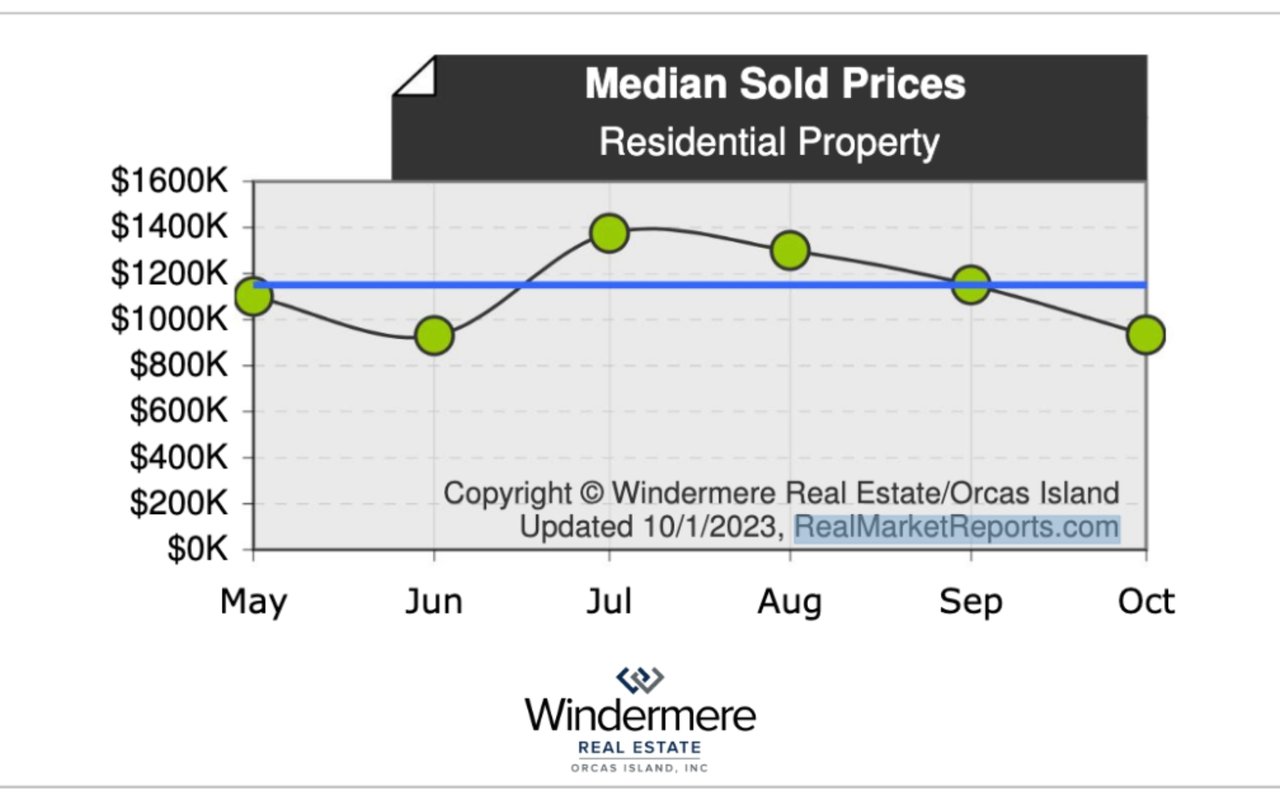
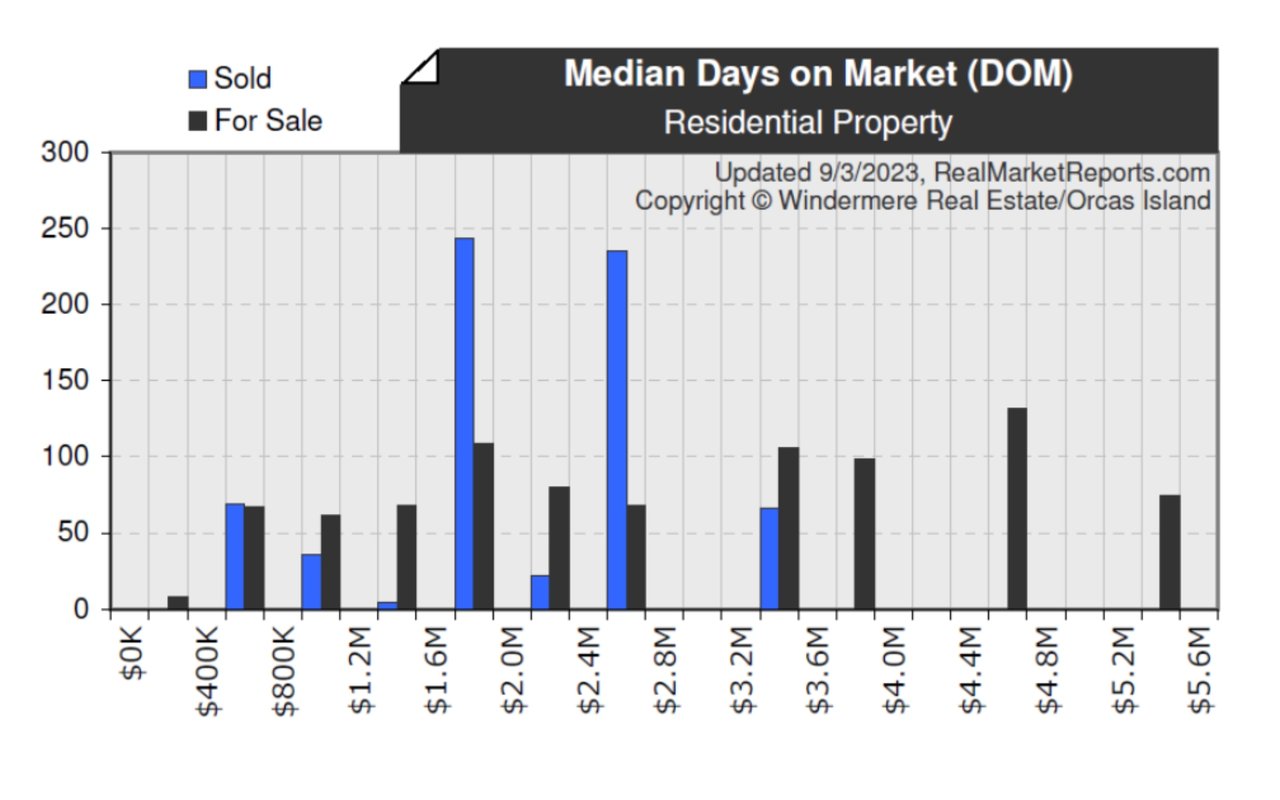
Eastsound and Orcas Island should be viewed as a premium island submarket, not measured against mainland comparables. NWMLS reported a 2025 median closed price of $1,055,000 for residential homes on Orcas Island, while San Juan County’s 2025 median for 3-bedroom residential homes was $1,030,000.
County assessor data also shows a wide range in 2025 sale medians by property type. Improved inland residential sales had a median of $750,000, waterfront improved residential sales reached $1,450,000, and condominiums were at $544,750.
Those numbers show why broad averages only go so far. For a home in Eastsound’s walkable core, the most useful comparisons are likely to be hyperlocal properties with similar in-town access, setting, and use profile.
Why hyperlocal pricing matters
Two homes on the same island can offer very different buyer experiences. A village-core home may appeal to buyers who place real value on convenience, easy access to amenities, and a more car-light lifestyle.
That is why pricing should reflect the property’s true position in the Eastsound market. A well-priced listing speaks directly to buyers looking for in-town access, not just an Orcas Island address.
Time your marketing to Eastsound’s rhythms
Seasonality plays a real role in how buyers experience Eastsound. San Juan County tourism materials describe an uneven tourism year with a strong summer season, and county financial review data shows lodging-tax revenue concentrated in the third and fourth quarters.
Because Eastsound is a visitor hub, the village often feels especially active in summer. The Port of Orcas notes that Village Green hosts the Saturday Farmers Market from Memorial Day through Labor Day, along with summertime outdoor concerts.
For sellers, this can create both opportunity and questions. Summer visibility can make village lifestyle easier to showcase, but buyers may also ask about parking, traffic, and activity levels during busier months.
Seasonal strategy for sellers
A strong marketing plan should match the time of year.
During the summer, it helps to highlight:
- Easy access to village amenities
- The energy and convenience of in-town living
- The home’s connection to Eastsound’s central gathering places
Outside peak season, marketing should lean more on:
- Strong photography
- Clear floor plans
- Practical descriptions of year-round livability
- Specific details about access, parking, and layout
This balanced approach helps buyers understand the home in every season, not just on a sunny weekend.
Explain the mixed-use setting honestly
Eastsound’s land-use pattern is part of its appeal, but it also requires careful communication. The Village Commercial district is intended to centralize commercial and community activity in a compact area, while allowing a mix of residential and commercial uses that can generate noise, traffic, or evening activity.
Nearby, the Village Residential/Institutional district is meant to support higher-density housing and low-intensity commercial uses that are compatible with surrounding homes. For sellers, this means context matters.
Set expectations early
Buyers appreciate honesty about what surrounds the property. Your listing should explain whether the home sits:
- Near the more active commercial edge
- Closer to a quieter residential-institutional area
- Adjacent to uses that may bring evening activity or daytime traffic
Clear positioning helps attract the right buyers and reduces surprises later in the process.
Short-term rental status needs full clarity
If your property has any short-term rental history, this is one area where precision is essential. San Juan County says no new vacation-rental applications are currently being accepted, except for certain Eastsound Village Commercial and Lopez Village Commercial properties that already operated before June 25, 2025 and must apply for a provisional use permit by June 25, 2026 to continue operating.
The county also says vacation rentals may not operate or be advertised without a permit number, and marketing materials must include that permit number. County code further says Eastsound Village Commercial vacation rentals are not treated as ordinary grandfathered nonconforming uses.
What sellers should prepare
If your home has been used as a vacation rental, buyers will likely want answers to these questions:
- Is the use currently permitted?
- What documentation confirms current lawful status?
- Can the use continue after closing?
- What paperwork, deadlines, or county requirements apply?
Prior rental history alone is not enough. Written confirmation and accurate marketing can make a major difference in buyer confidence.
How to position your listing well
The strongest Eastsound-core listings usually do a few things very well. They avoid vague lifestyle language and replace it with facts buyers can evaluate.
That often means presenting the home with a clear story built around location, presentation, logistics, and transparency. In this market, those details help buyers move from curiosity to confidence.
A strong Eastsound-core listing should emphasize
- Precise walkability, not just an Eastsound mailing address
- Clean, attractive exterior presentation
- Realistic parking information
- Honest explanation of the surrounding activity level
- Transparent short-term rental information, if relevant
- Pricing based on comparable in-town properties rather than broad regional averages
When those elements come together, your home is easier for buyers to understand and easier for them to value.
Selling in Eastsound’s walkable core is about more than listing a home near town. It is about showing buyers exactly how the property fits into one of Orcas Island’s most distinctive and practical settings. With thoughtful preparation, careful pricing, and a clear marketing narrative, you can present your home in a way that matches how today’s buyers actually shop.
If you are preparing to sell and want local guidance on pricing, positioning, and village-core buyer expectations, True North Realty / Orcas Island, LLC. can help you navigate the details with clarity and care.
FAQs
How walkable is a home in Eastsound’s village core?
- Walkability depends on the home’s actual location relative to the center of Eastsound, Village Green, shops, and restaurants, so sellers should describe distance and access precisely rather than relying on the mailing address alone.
What parking details matter when selling an Eastsound home?
- Buyers usually want to know how many off-street spaces are available, how guest parking works, and whether parking is convenient for everyday living in the village.
How should you price a home in Eastsound’s walkable core?
- Pricing should be based on hyperlocal comparable sales that reflect similar in-town access, property type, and setting, since island-wide and county-wide pricing can vary significantly.
Does summer timing help when selling in Eastsound?
- Summer can increase lifestyle appeal and visibility because Eastsound is a visitor hub, but buyers may also ask more questions about parking, access, and seasonal activity levels.
What should sellers disclose about short-term rental use in Eastsound?
- If the property has short-term rental history, sellers should be ready to show current permit status, lawful use details, required permit numbers in marketing, and any county deadlines or limitations that may affect future use.