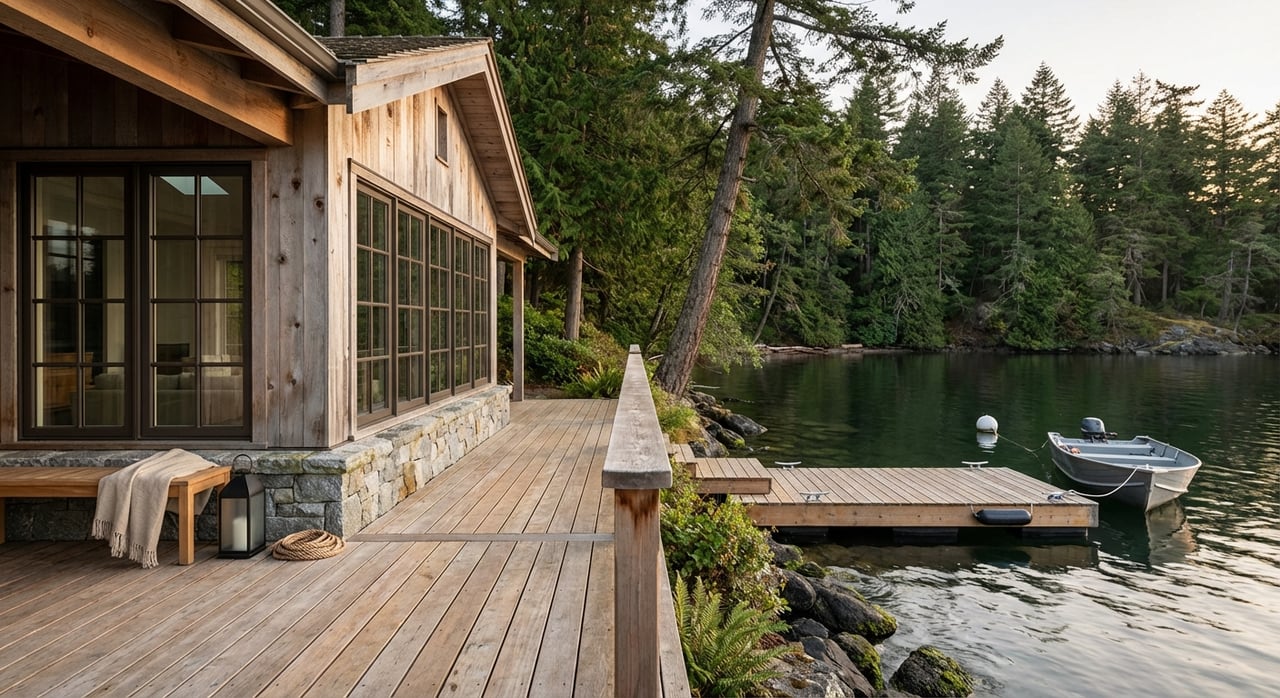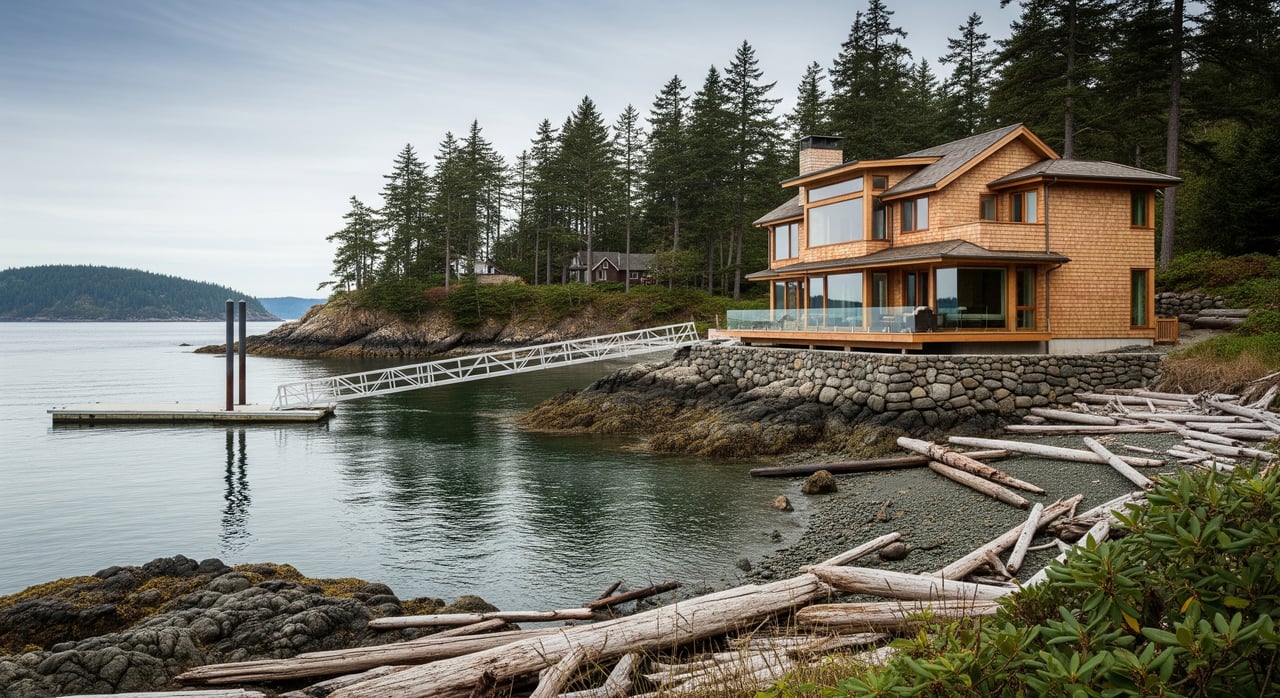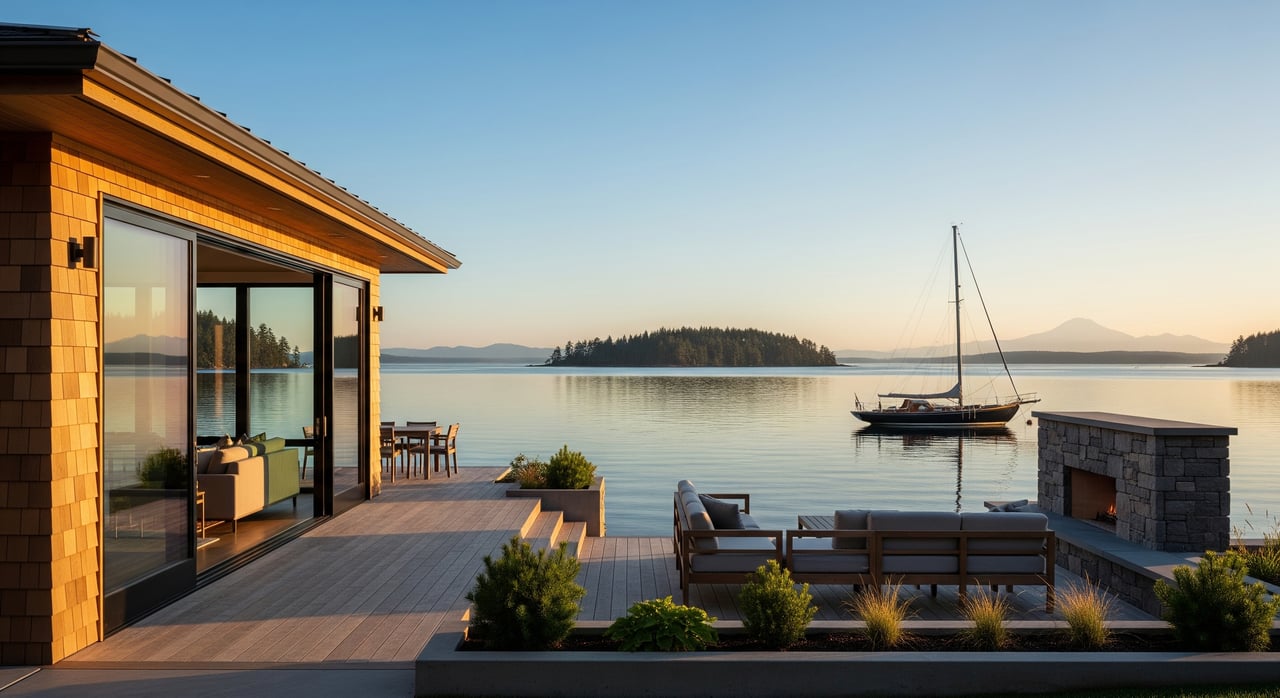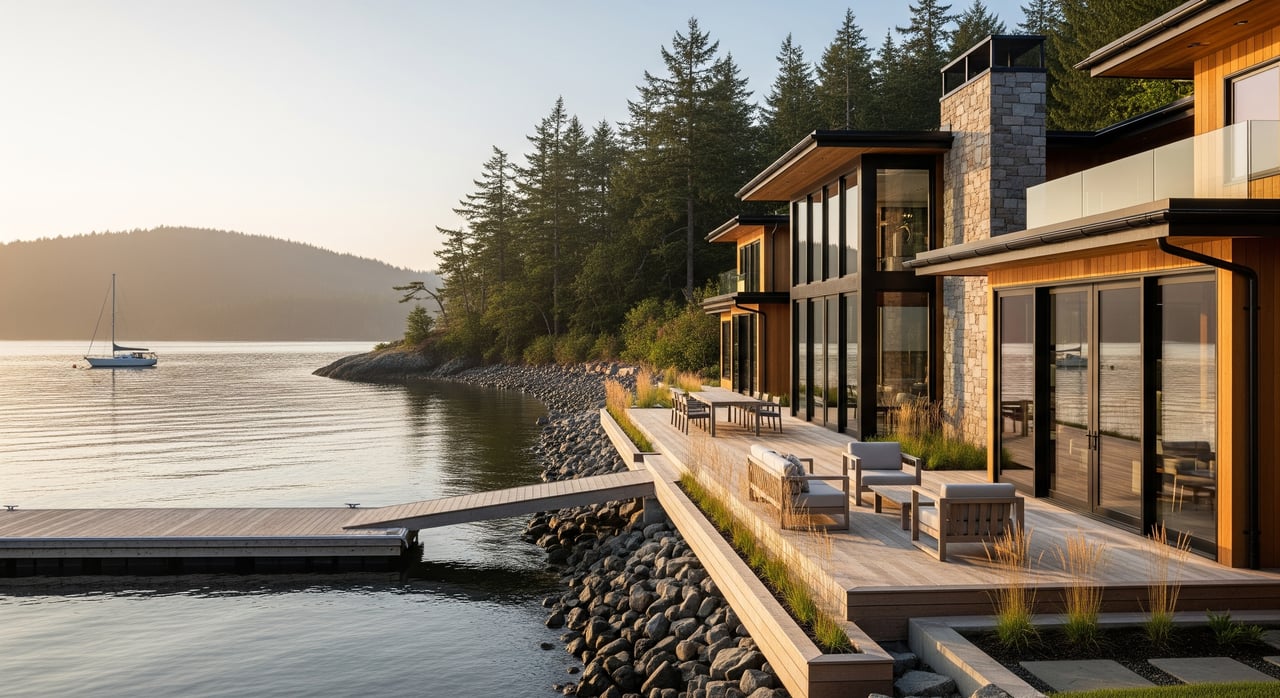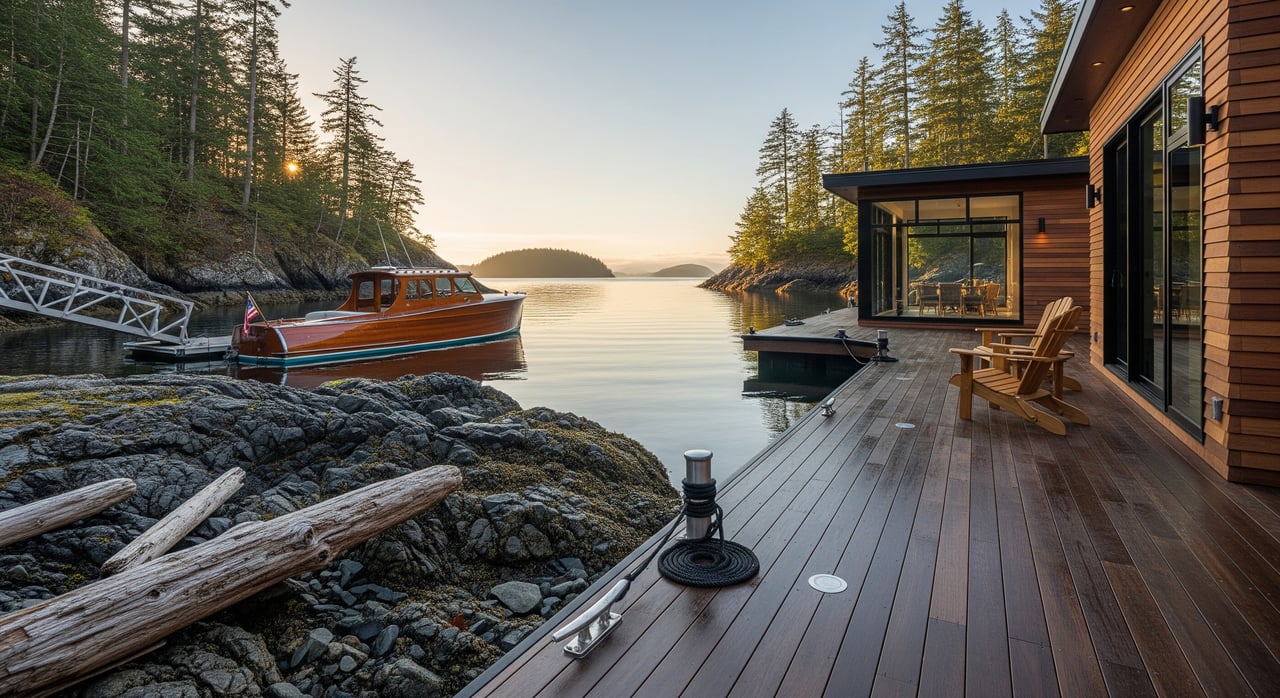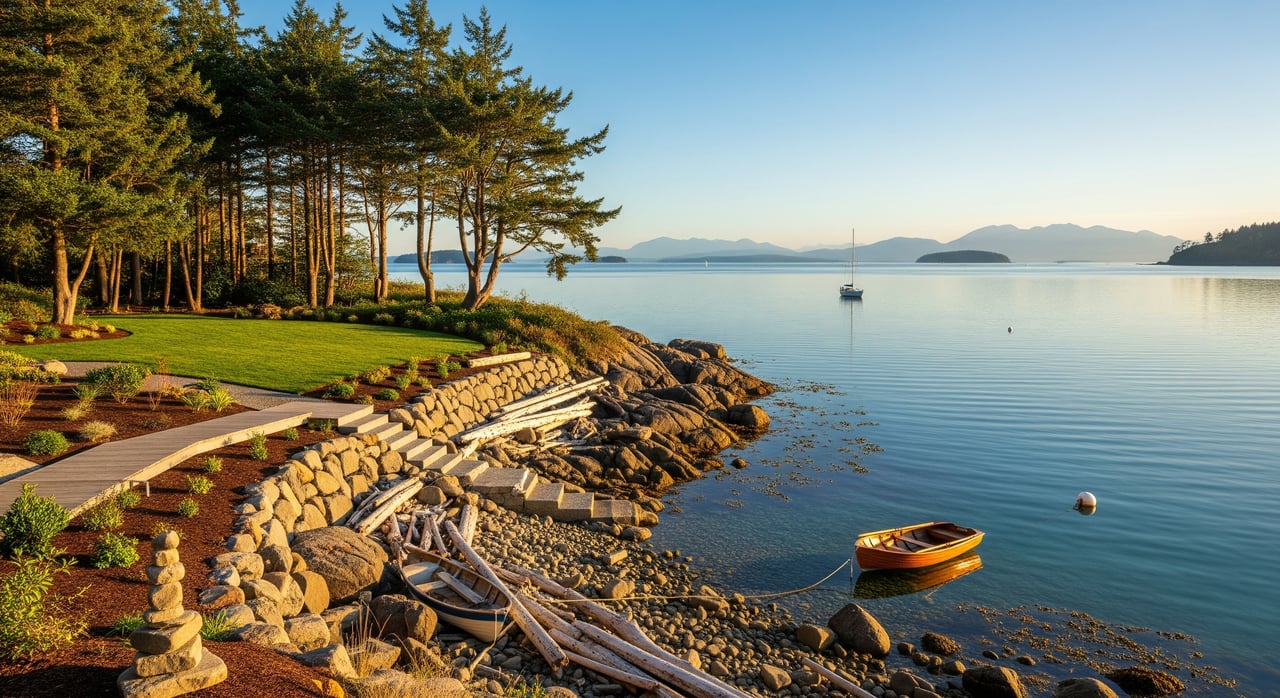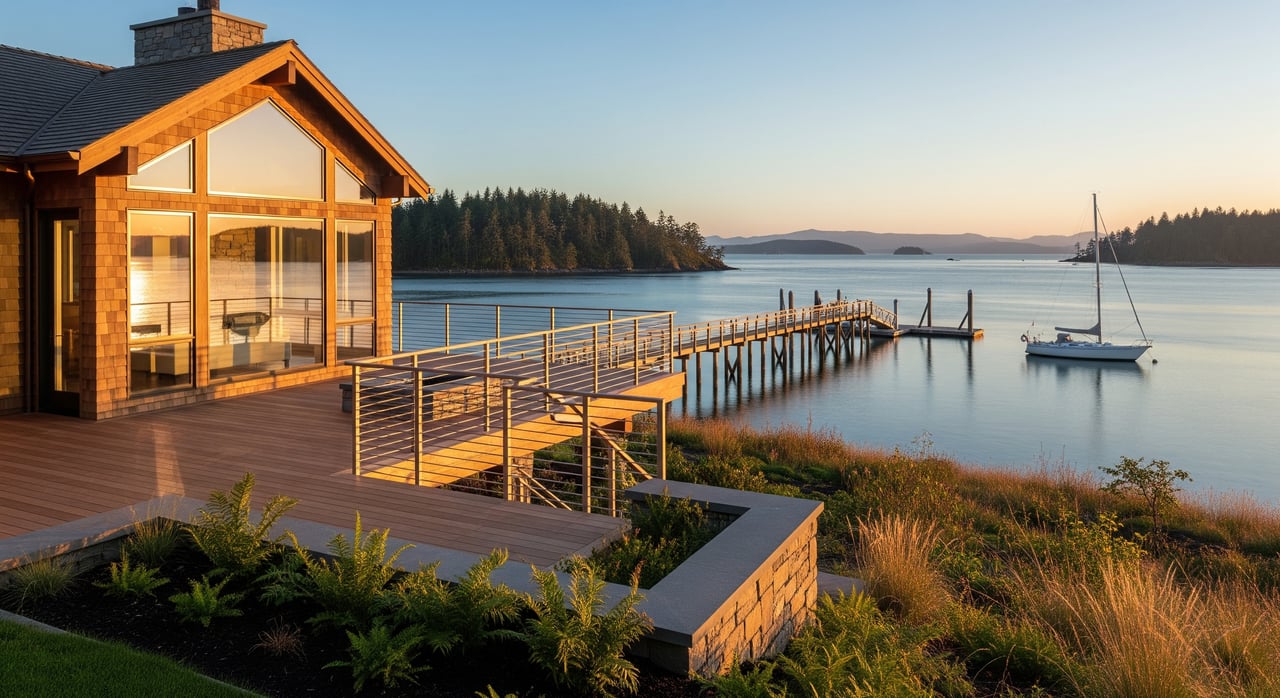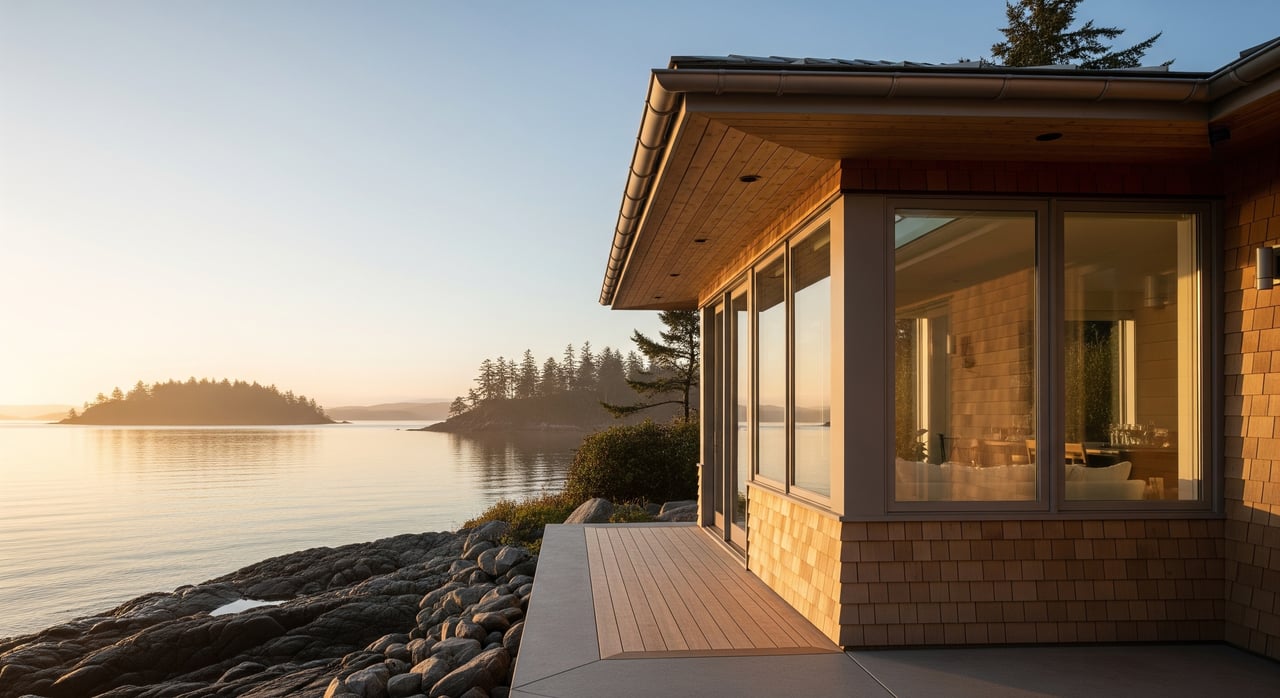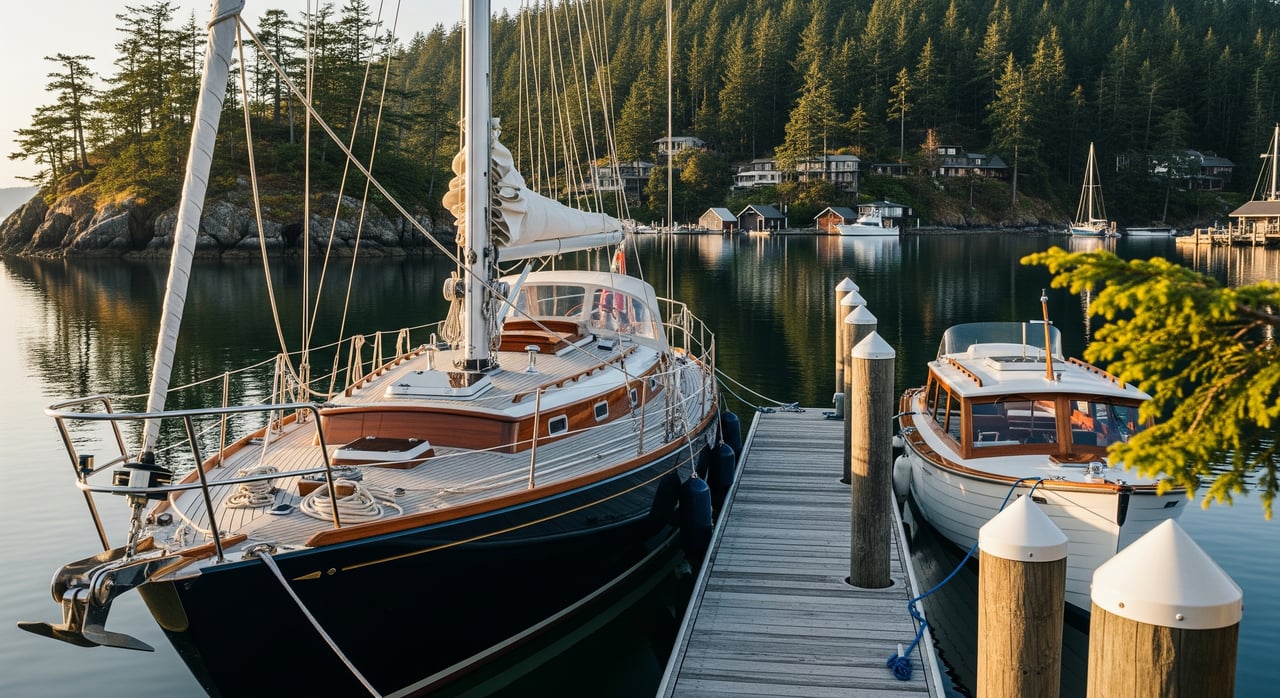
Dreaming of stepping off your lawn and onto your boat? On Orcas Island, that vision is possible, but not every shoreline is equal when it comes to private docks. Between habitat rules, tidal depths, and access to services, a smart choice up front will save you time, cost, and stress. This guide compares Eastsound, Deer Harbor, and Olga so you can match your boating goals to the right location, understand permits, and spot red flags early. Let’s dive in.
Start with your boating plan
Before you compare shorelines, get clear about your vessel and usage. Your boat’s length, beam, and draft, plus how often you plan to use it, will drive nearly every decision. Larger, deeper‑draft boats and year‑round use favor deep, service‑rich harbors like Deer Harbor. Smaller boats or seasonal use can fit in quieter coves if habitat and depth conditions cooperate.
- Boat size and draft: Match depth at Mean Lower Low Water to your draft without dredging.
- Frequency of use: Frequent runs benefit from nearby fuel, pump‑out, and haul‑out.
- Comfort with timelines: If your project involves sensitive habitat, expect longer approvals.
Eastsound: protected water, close services
Eastsound and adjacent Cascade Bay provide a relatively sheltered setting that many owners love for calm moorage and quick access to the village. The county’s shoreline guide notes the area’s protected coves and the importance of responding to local wind, wave, and tide conditions in any dock design. You get convenience and a pleasant boating experience close to town services. See the county’s shoreline user guide for context on site conditions and design expectations in local bays at the San Juan County SMP user guide.
Eastsound also has mapped eelgrass and at least one documented herring or forage‑fish spawning area. Where eelgrass or spawn beds are present, regulators typically require avoidance, minimization, and mitigation, and in some cases will steer owners to options such as mooring buoys or shared docks. You can view a local anchor‑out and eelgrass awareness map prepared by conservation partners at the Friends of the San Juans eelgrass map.
For short stays and guest access, nearby Rosario Resort offers guest moorage that can simplify day trips and overnight visits without building a private dock. Explore the local offering at the Rosario Resort Marina page. In short, Eastsound gives you protection and access, but habitat sensitivity can increase permit scrutiny and cost.
Deer Harbor: deep, service‑rich base
Deer Harbor on the southwest side of Orcas is a deep, sheltered anchorage with a full‑service marina. If you run a larger powerboat or yacht, or you want a home base with fuel, pump‑out, and on‑site amenities, Deer Harbor is a compelling choice. The marina lists fuel, pump‑out, grocery and dining, and side ties up to approximately 110 feet. Review services and capacity at the Deer Harbor Marina site.
Regulatory review still applies in Deer Harbor. Like many San Juan coves, portions of the harbor include sensitive nearshore habitat, which will trigger checks for eelgrass and forage‑fish. Depending on design, you may need county shoreline approvals, a WDFW Hydraulic Project Approval, and a DNR lease if your structure occupies state tidelands. The difference here is operational convenience. Even if you choose a mooring buoy or a slip rather than a private dock, Deer Harbor delivers a practical, service‑forward base for regular use.
Olga/Buck Bay: quiet, shellfish limits
Olga is a small, quiet village on southeast Orcas with limited services and a small county dock. Buck Bay and nearby tidelands support shellfish activities, which introduces additional considerations for nearshore construction and moorage. The area’s character leans rural and low‑key, with fewer shore‑based amenities compared with Eastsound and Deer Harbor. Learn more about local shellfish activities through the Orcas Chamber listing for Buck Bay Shellfish Farm.
Because shellfish beds are nearby, expect added coordination with public health and resource agencies, and plan carefully for water quality and boat operations. The Department of Health periodically issues shellfish harvest advisories in the islands; that context signals the extra care applied to nearshore work. See an example of area monitoring in the Washington DOH shellfish advisory release. If your boating program is small‑craft focused and seasonal, Olga can be a fit, but shallow approaches and resource protections make larger, year‑round dock projects challenging.
Permits and agencies overview
Dock projects on Orcas typically involve four core authorities. Each one matters for feasibility, schedule, and cost.
- San Juan County shoreline rules: The County’s Shoreline Master Program sets local limits for overwater coverage, setbacks, and critical areas. Early pre‑application helps you understand exemptions and site‑specific constraints. Start with the San Juan County SMP user guide.
- WDFW Hydraulic Project Approval: Any work that affects state waters or fish habitat needs an HPA. WDFW also sets in‑water work windows that can shape your schedule. See the process at the WDFW HPA page.
- Washington DNR aquatic‑lands lease: If any part of your dock occupies state‑owned tidelands waterward of the ordinary high water mark, you will likely need a lease or license from DNR. Check the Orca‑Straits district listings and timelines at the DNR aquatic leasing page.
- U.S. Army Corps of Engineers: Residential docks can qualify for streamlined authorization through Regional or Nationwide permits when impacts are limited. Sensitive sites or larger impacts can require an individual permit. Review the regional framework in the Seattle District’s RGP‑6 program document.
Typical timeframes vary. Small, low‑impact projects can move in a few weeks to a few months. Projects that need county approval, HPA, DNR action, and Corps review often run 3 to 12 months. Complex sites with eelgrass impacts, contested DNR leases, or individual Corps permits can extend 12 to 24 months or more. The County’s shoreline user guide provides useful context on submittals and schedules at the San Juan County SMP user guide.
Red flags to watch
A few early signs tend to add time and cost. If you notice any of these, bring in specialists before you proceed.
- Mapped eelgrass or forage‑fish spawning near your proposed footprint or mooring swing radius. View a local awareness map at the Friends of the San Juans eelgrass map.
- Likely need for dredging, substantial piling, or a long overwater structure, which can push you out of streamlined permits. See the Corps’ RGP‑6 program document for context.
- State‑owned tidelands waterward of your property that would require a DNR lease. Confirm status at the DNR aquatic leasing page.
- Combined shoreline stabilization and dock work, which adds design and biological review under county and WDFW standards. See process details at the WDFW HPA page.
Build your waterfront team
On sensitive shorelines, the right team can clarify feasibility within your inspection window and protect your capital. Bring experts in early if you need large‑vessel or year‑round moorage, if you see eelgrass or shellfish activity, or if tideland ownership looks uncertain.
- Licensed shoreline or marine surveyor to locate the OHWM and map existing improvements. County submittals and surveys are outlined in the San Juan County SMP user guide.
- Coastal or marine engineer and a local waterfront contractor to size dock length, piles or anchoring, and estimate costs.
- Permit consultant to coordinate County, WDFW, DNR, and Corps pre‑application.
- Marine biologist for eelgrass and forage‑fish survey design where habitat mapping overlaps your site. A regional awareness map is available at the Friends of the San Juans eelgrass map.
- Title professional to confirm tideland ownership and any recorded easements.
Due diligence checklist
Use this quick sequence to reduce risk before you commit to a property.
- Pull title and recorded documents for tideland grants or easements. Ask the seller for any prior permits or leases. See County submittal guidance in the San Juan County SMP user guide.
- Commission an OHWM survey and a basic shoreline/topo plan.
- Check habitat layers for eelgrass and forage‑fish. If they overlap, schedule a preliminary biological assessment. Start with the Friends of the San Juans eelgrass map.
- Contact County Planning for a shoreline pre‑application meeting using the San Juan County SMP user guide.
- Confirm tideland ownership and any existing lease with the DNR aquatic leasing page.
- Ask WDFW about in‑water work windows and likely survey needs through the WDFW HPA page.
- If dredging or high piling counts look likely, contact the Seattle District early and review the RGP‑6 program document.
- Get a concept‑level estimate from a local marine contractor that includes life‑cycle maintenance.
Match location to goals
- Choose Eastsound if you value protected water and quick access to village amenities, and you are prepared for higher habitat scrutiny. Guest moorage at Rosario can bridge needs while you evaluate private options. See the Rosario Resort Marina page.
- Choose Deer Harbor if you run a larger boat or plan frequent trips that rely on fuel, pump‑out, and on‑site services. A slip or mooring buoy here can meet operational needs even if a private dock is not the best fit. Review services at the Deer Harbor Marina site.
- Choose Olga if you want a quieter, more rustic setting and operate a small craft with seasonal use. Expect shellfish and shallow‑water considerations to shape what is feasible. Get local context from the Orcas Chamber listing for Buck Bay Shellfish Farm.
Ready to evaluate property?
With a clear boating plan, early agency outreach, and the right team, you can make a confident choice about where a private dock makes sense on Orcas Island. Whether you land on Eastsound, Deer Harbor, or Olga, small steps now will streamline your path to the water later. When you are ready to discuss specific parcels, timelines, and introductions to trusted local specialists, reach out. Our team is happy to help you navigate the details and move forward with confidence.
Connect with island experts who can align a shoreline strategy with your real estate goals. Start a conversation with True North Realty / Orcas Island, LLC. today.
FAQs
What permits are required to build a private dock on Orcas Island?
- Most projects involve San Juan County shoreline approvals, a WDFW Hydraulic Project Approval, a DNR aquatic‑lands lease if state tidelands are occupied, and U.S. Army Corps authorization under Regional or Nationwide permits.
How long does private dock permitting usually take on Orcas?
- Simple, low‑impact projects can move in weeks to a few months, typical multi‑agency reviews often take 3 to 12 months, and complex projects with habitat impacts or lease issues can extend 12 to 24 months or more.
Is Eastsound a good choice for a private dock?
- Eastsound offers protected water and convenient access to village amenities, but mapped eelgrass and forage‑fish habitat often increase permit scrutiny and can add cost or require alternatives like mooring buoys.
Why do many larger boats choose Deer Harbor?
- Deer Harbor combines deep, sheltered water with full‑service marina support that includes fuel, pump‑out, on‑site amenities, and capacity for larger vessels, which simplifies regular operations.
Can I build a dock in Olga or Buck Bay?
- It can be feasible for small‑craft or seasonal use, but nearby shellfish activity, shallow approaches, and habitat sensitivity often add constraints that limit larger, year‑round dock designs.
Do I need a lease if the tidelands in front of my property are state‑owned?
- Yes, structures waterward of the ordinary high water mark that occupy state‑owned tidelands typically require a Washington DNR aquatic‑lands lease or license in addition to other permits.
How do eelgrass and forage‑fish habitat affect dock approval?
- Eelgrass and spawning beaches are priority habitats; if they overlap your proposed footprint or mooring swing radius, expect avoidance requirements, biological surveys, and potential mitigation that raise cost and extend schedule.