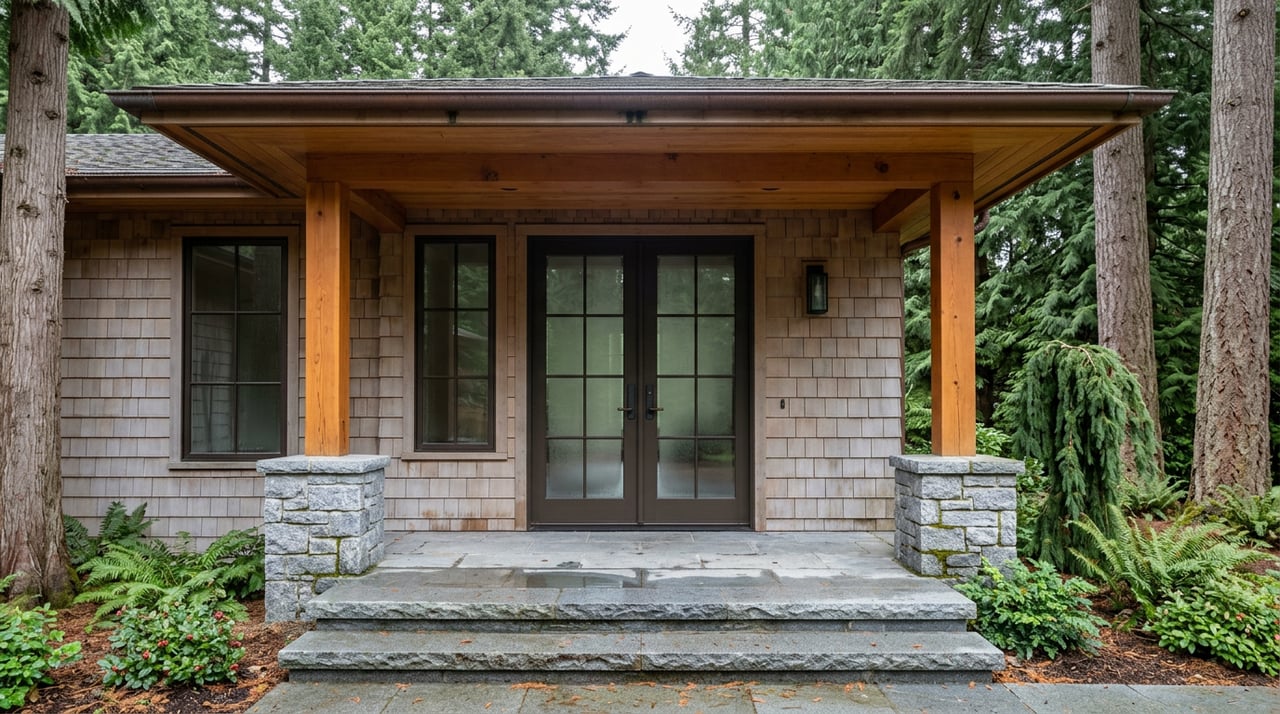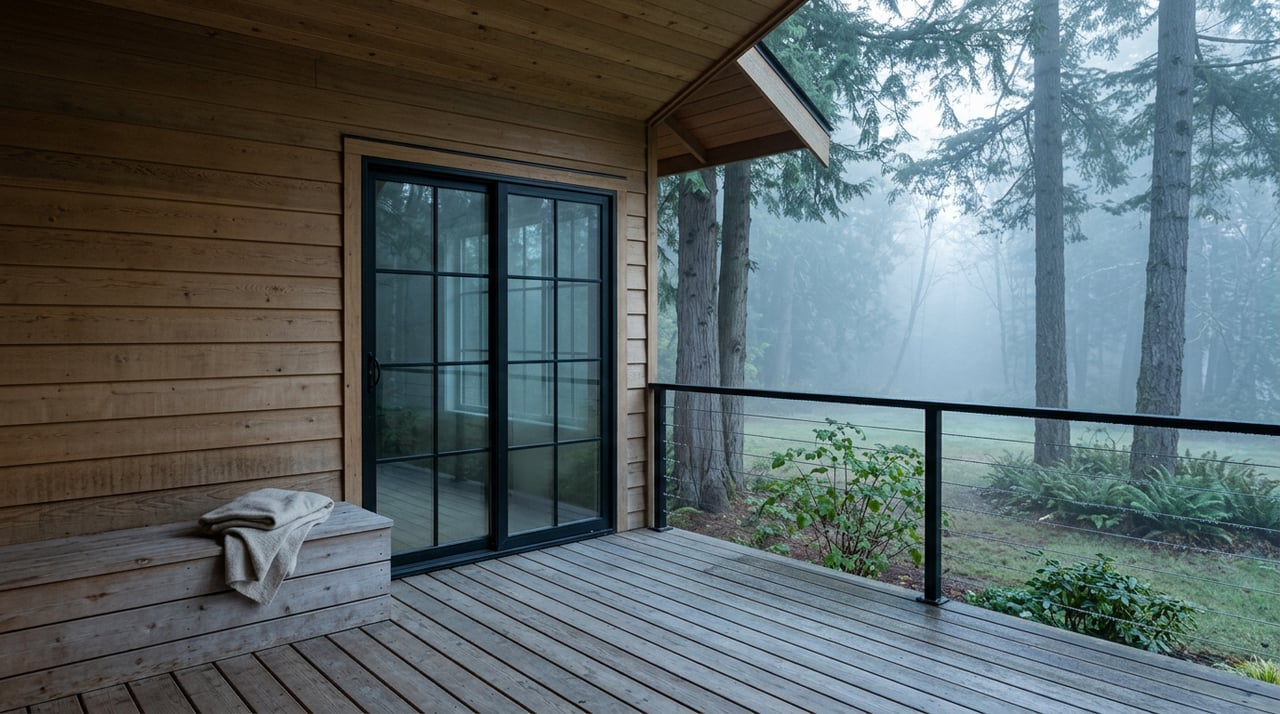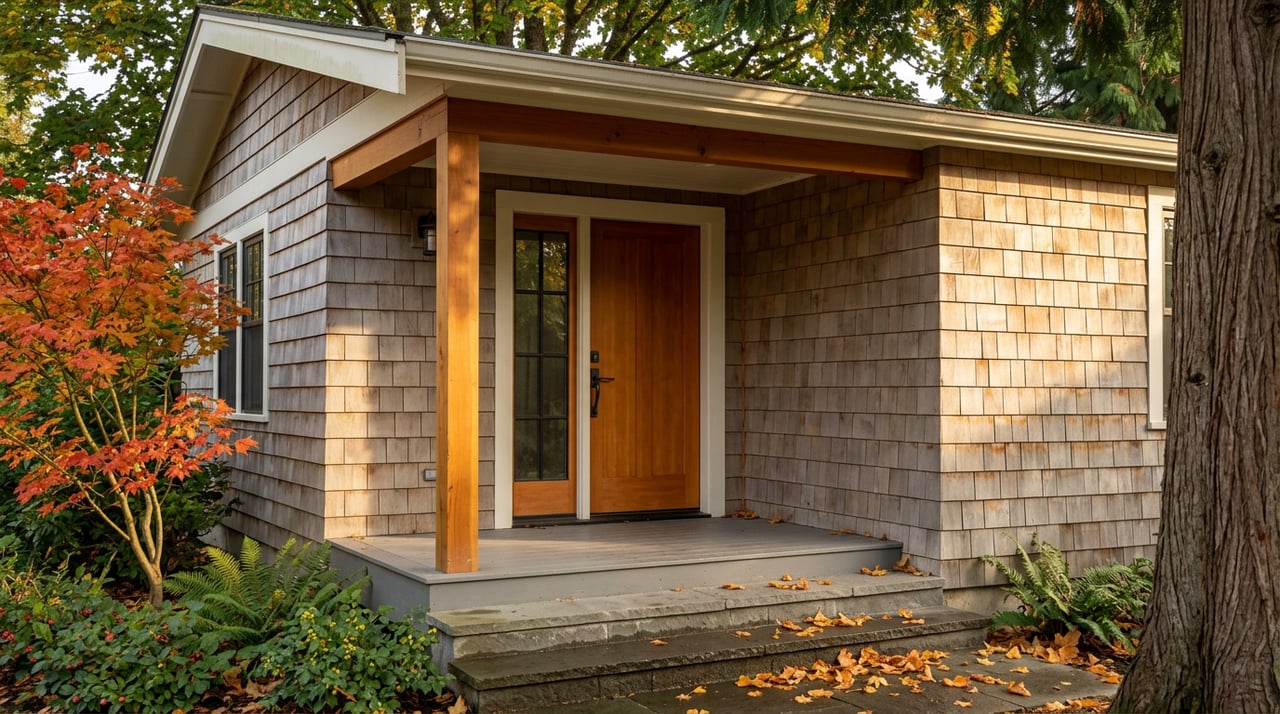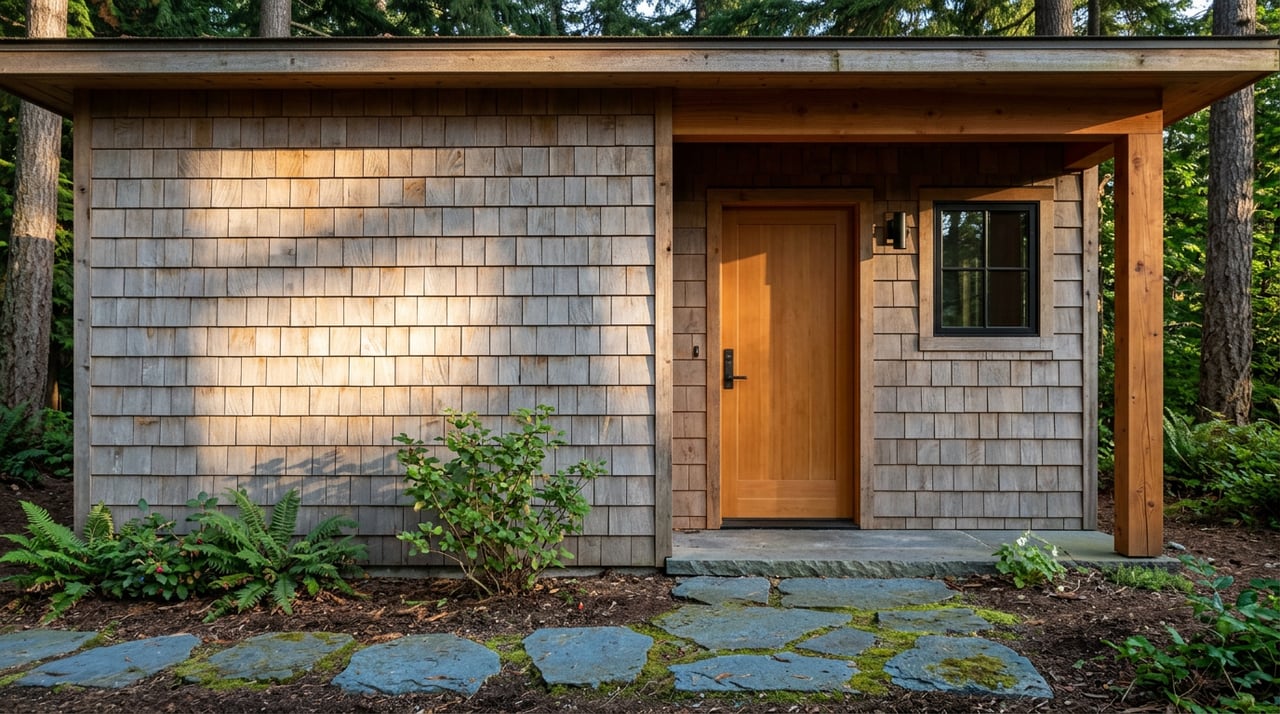
If you are weighing a second home against an investment property on Orcas Island, the answer is not just about views, finishes, or even location. On Orcas, the bigger question is often whether a property can legally operate as a short-term rental at all. If you want to buy with confidence, understanding permits, taxes, and island logistics can help you choose the right strategy for your goals. Let’s dive in.
Why Orcas can fit both goals
Orcas Island draws visitors for longer stays, which helps explain why both second-home buyers and rental-minded buyers are interested in the market. According to the county’s 2018 visitor study, visitors to Orcas stayed about 3.7 days on average, and fewer than 7% were day trippers.
That pattern supports the island’s appeal as more than a quick weekend stop. Popular destinations like Mt. Constitution, Cascade Lake, Mountain Lake, and Moran State Park reinforce Orcas as a recreation-focused, multi-night destination.
For you as a buyer, that means Orcas can make sense in two very different ways. It can be a personal retreat you use often, or it can be a property with income potential, but only if the permit and zoning path is already in place.
Vacation rental rules shape the decision
The biggest divider between a second home and an investment on Orcas Island is the county’s vacation rental framework. As of spring 2026, San Juan County says no new vacation rental applications are currently being accepted, except for the Eastsound and Lopez Village Commercial transition process.
The county also states that new applications remain on hold until a lottery process is approved. On top of that, Orcas Island has a cap of 211 vacation rental permits outside master planned resorts. If that cap has been reached, no new permits are issued until attrition creates room.
That changes the buying conversation in a major way. If you are hoping to buy now and add a nightly rental permit later, you should not assume that path will be available.
What requires a permit
San Juan County requires a permit to rent a single-family residence or accessory dwelling unit for fewer than 30 days. The county also requires ads to include the permit or compliance number, and it lists a $2,300 penalty for advertising or operating an unpermitted vacation rental.
In most cases, permits run with the land, and owners must submit an annual certificate of compliance. Active vacation rentals also need a UBI number, an on-island property manager, and a 24-hour emergency contact, according to the county’s vacation rental rules.
Where rules can block rentals
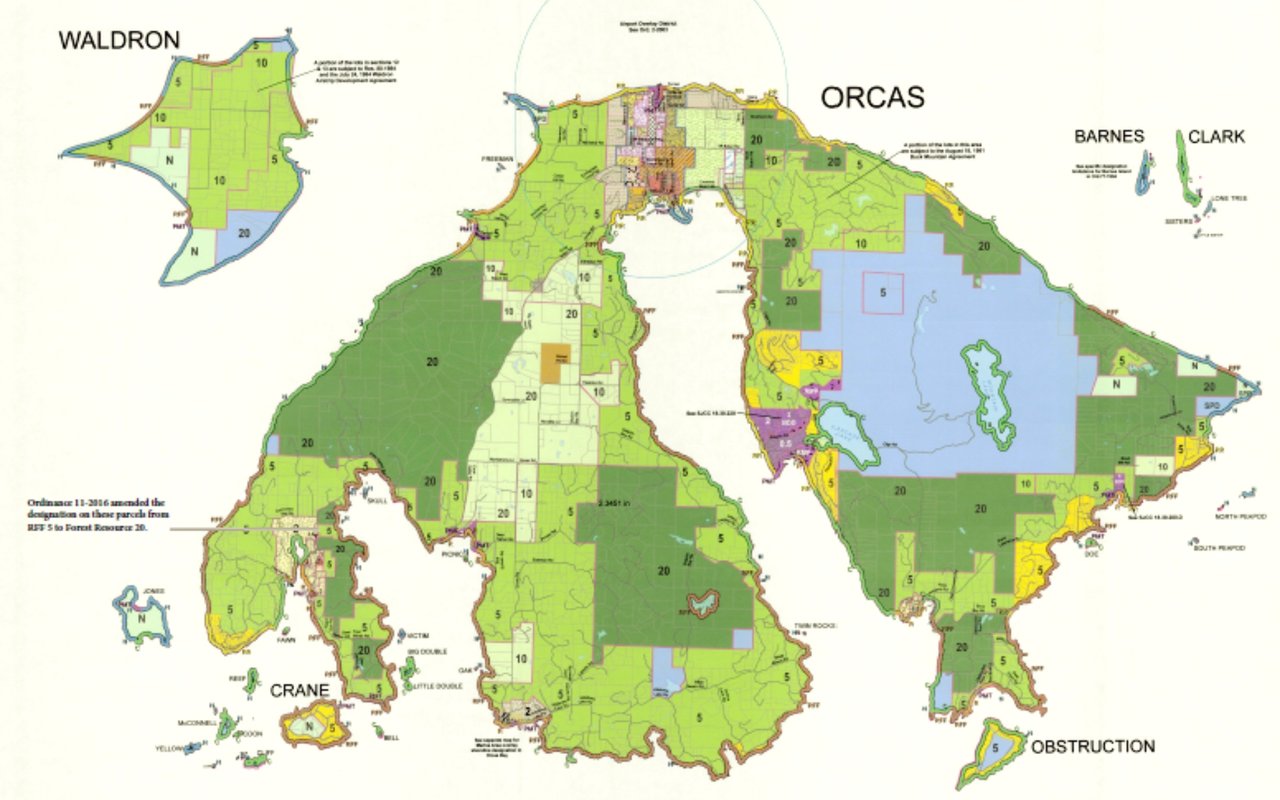
Not every property is eligible for short-term rental use. The county says vacation rentals are not allowed in natural shoreline, conservancy shoreline, agricultural resource, or forest resource designations.
The code also limits vacation rentals to a single-family residence or eligible ADU. Outside urban growth areas, only one vacation rental is allowed on a property, and detached ADUs built on or after June 29, 2007 are generally not eligible unless they are in a UGA.
Occupancy limits matter too
Guest count is another practical issue buyers sometimes miss. The county caps occupancy at two overnight guests per bedroom plus three additional guests.
That may be tighter than what some out-of-area buyers expect. If rental income is part of your plan, occupancy rules should be part of your underwriting from day one.
When a second home makes more sense
A second-home-first strategy is often the cleaner option on Orcas Island. If your main goal is personal use, privacy, and flexibility, you may not need to take on the uncertainty and administrative burden that comes with rental compliance.
This path can be especially appealing if you want a quieter setting and plan to use the property for your own escapes throughout the year. In that case, the home’s lifestyle fit may matter more than whether it has short-term rental status.
Why quieter areas appeal to second-home buyers
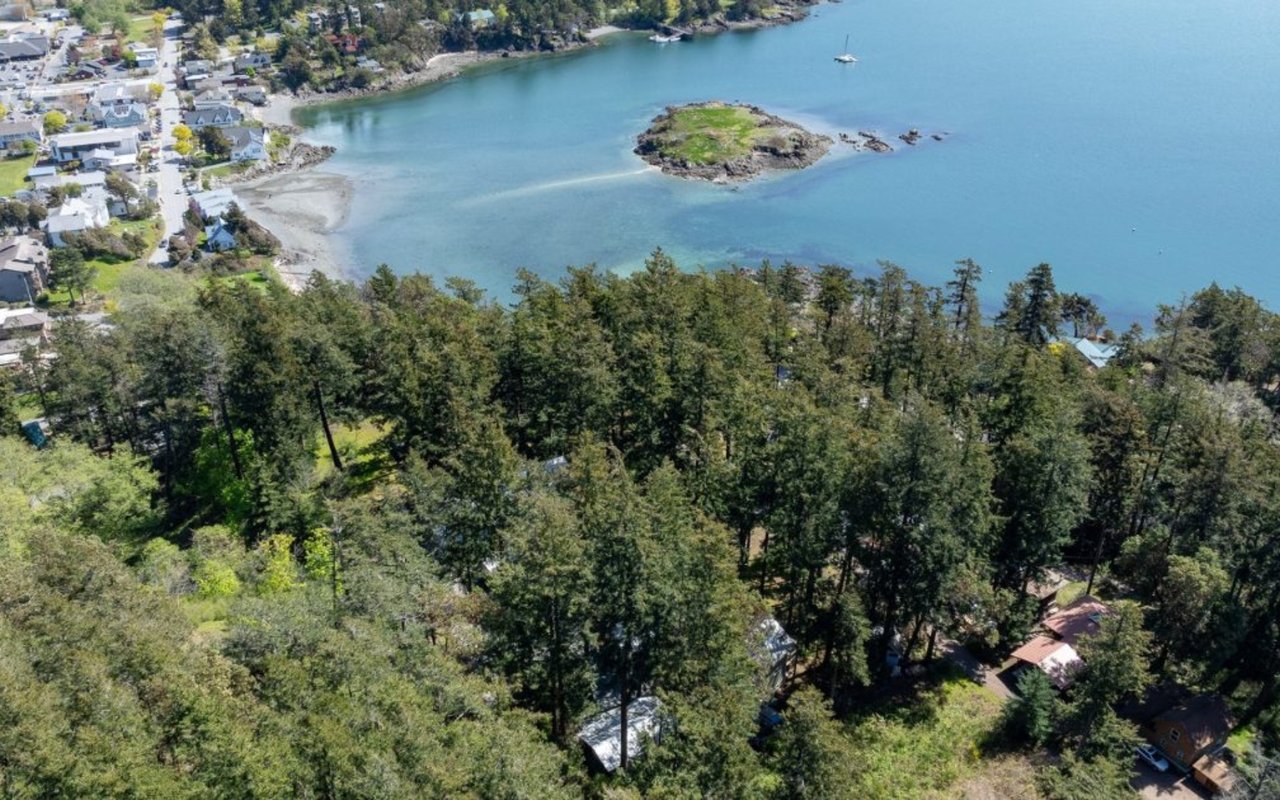
Some buyers are drawn to the island for peace, scenery, and separation from busier hubs. Places like Deer Harbor, on the southwestern side of Orcas, often align with that retreat-style use.
According to county planning materials, Deer Harbor is about 11 miles southwest of Eastsound, the island’s commercial center. That setting can make it a natural fit for a personal getaway, especially if you value seclusion over walkable guest amenities.
When an investment-first strategy makes sense
If your main goal is rental income, the strongest opportunities are usually properties with an existing active permit or a very clear compliance path under current rules. Because the permit cap and application hold create uncertainty, a property’s legal rental status can be more important than its design or view.
In simple terms, a home that is already operating legally as a vacation rental may offer a more predictable path than a home you hope to convert later. That does not guarantee income, but it can reduce a major layer of risk.
Eastsound can be attractive, but more complex
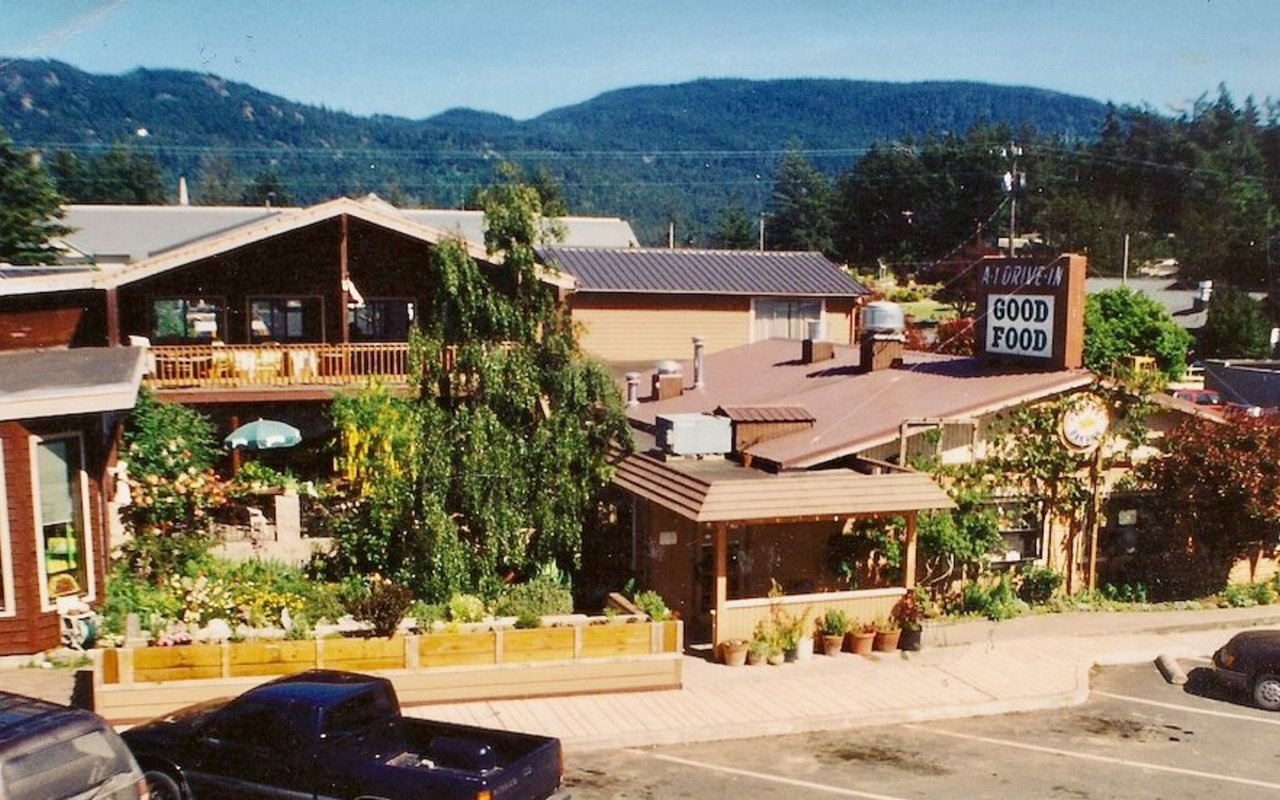
Eastsound is Orcas Island’s commercial center and offers the island’s strongest concentration of shops, services, and community activity. The Village Green hosts year-round events, farmers markets, music, and theater, which can make the area appealing for guests who value convenience and walkability.
At the same time, Eastsound is not necessarily the simplest place to assume future short-term rental flexibility. The county says existing vacation rentals in Eastsound Village Commercial must apply for a provisional use permit by June 25, 2026 to continue operating under the current transition process.
Access and logistics should factor in
Buying on Orcas also means planning around island access. Washington State Ferries serves Orcas on the Anacortes/San Juan Islands route, where vehicle reservations are available only on that route.
The county reports that more than 754,000 passengers used that route last summer. That level of traffic is a reminder that ferry planning is not a side issue. It affects owner use, guest arrivals, vendor scheduling, and overall property management.
For a second-home owner, ferry logistics may simply be part of the rhythm of island life. For an investor, they become part of operations and guest experience.
Taxes and costs to review before you buy
Taxes can also help clarify whether you are buying primarily for lifestyle or income. San Juan County levies a 4% lodging tax, split between a 2% basic tax and a 2% additional tax, under the county code available through Code Publishing.
The Washington Department of Revenue says transient rental income is income from lodging furnished for less than 30 continuous days. It also notes that while some platforms may collect certain taxes on behalf of hosts, owners still need to register with DOR and report rental income under the proper classifications.
Primary residence tax benefits may not apply
If you are buying a second home rather than a primary residence, your property tax picture may look different. The Washington Department of Revenue states that primary-residence property tax exemption and deferral programs generally require the owner to own and occupy the home as a primary residence.
That means a true second home or pure investment property may not qualify for those programs. If taxes are an important part of your long-term budget, this is worth reviewing early in your purchase process.
Questions to ask before making an offer
Before you move forward on Orcas Island, it helps to separate wish-list features from operational realities. A beautiful property is still only as flexible as its zoning, shoreline designation, and permit status allow.
Here are a few smart questions to ask:
- Does the property have an active vacation rental permit or compliance history?
- If a permit exists, what conditions apply and does it transfer with the land?
- What is the property’s zoning and shoreline designation?
- Is the home a single-family residence, and does any ADU meet county eligibility rules?
- How would occupancy limits affect your intended use?
- What ferry and local management logistics would ownership require?
- How do lodging taxes and operating costs affect your budget?
The practical takeaway for Orcas buyers
On Orcas Island, the right choice usually comes down to how you plan to use the property and how much regulatory complexity you are willing to take on. If you want simplicity, personal enjoyment, and fewer moving parts, a second-home strategy is often the better fit.
If you want income potential, the strongest candidates are usually properties with existing compliance, permitted use, and a location that aligns with visitor demand. In this market, permit-ready often matters more than picture-perfect.
If you want help evaluating permit status, location tradeoffs, and the realities of buying on the island, connect with True North Realty / Orcas Island, LLC.. Local guidance can help you narrow the field and buy with a clearer strategy.
FAQs
Can I buy an Orcas Island home and turn it into a nightly rental later?
- Not safely without confirming that the zoning, shoreline designation, and permit path work under current San Juan County rules.
Do vacation rental permits transfer with an Orcas Island property sale?
- In most cases, San Juan County says permits run with the land, but you should verify any permit conditions before closing.
Can an ADU be used as a vacation rental on Orcas Island?
- Only in the limited cases allowed by county code, and detached ADUs built on or after June 29, 2007 are generally not eligible outside a UGA.
How many guests can stay in an Orcas Island vacation rental?
- San Juan County caps occupancy at two overnight guests per bedroom plus three additional guests.
Is Eastsound the best Orcas Island area for investment property?
- Eastsound has strong guest appeal because it is the island’s commercial center, but its vacation rental rules are also more nuanced due to the current transition process.
Why do ferry logistics matter for an Orcas Island second home or rental?
- Ferry access affects your travel planning, guest arrivals, vendor scheduling, and day-to-day operations for any island property.