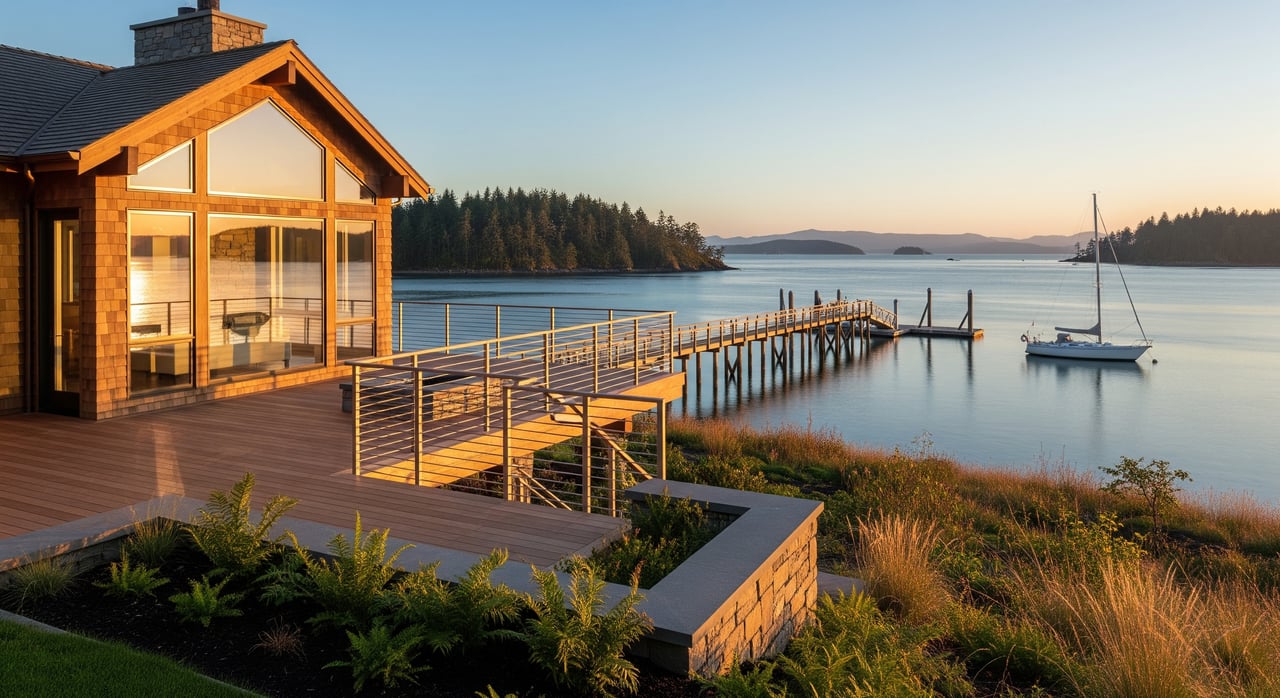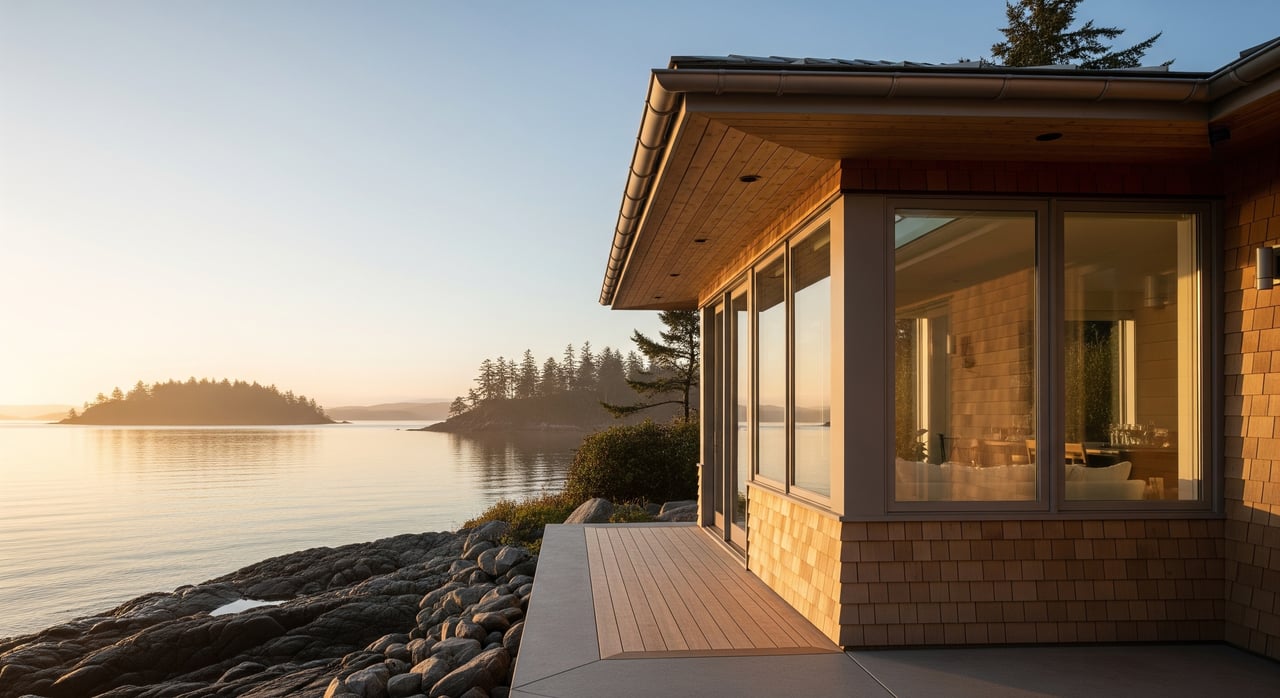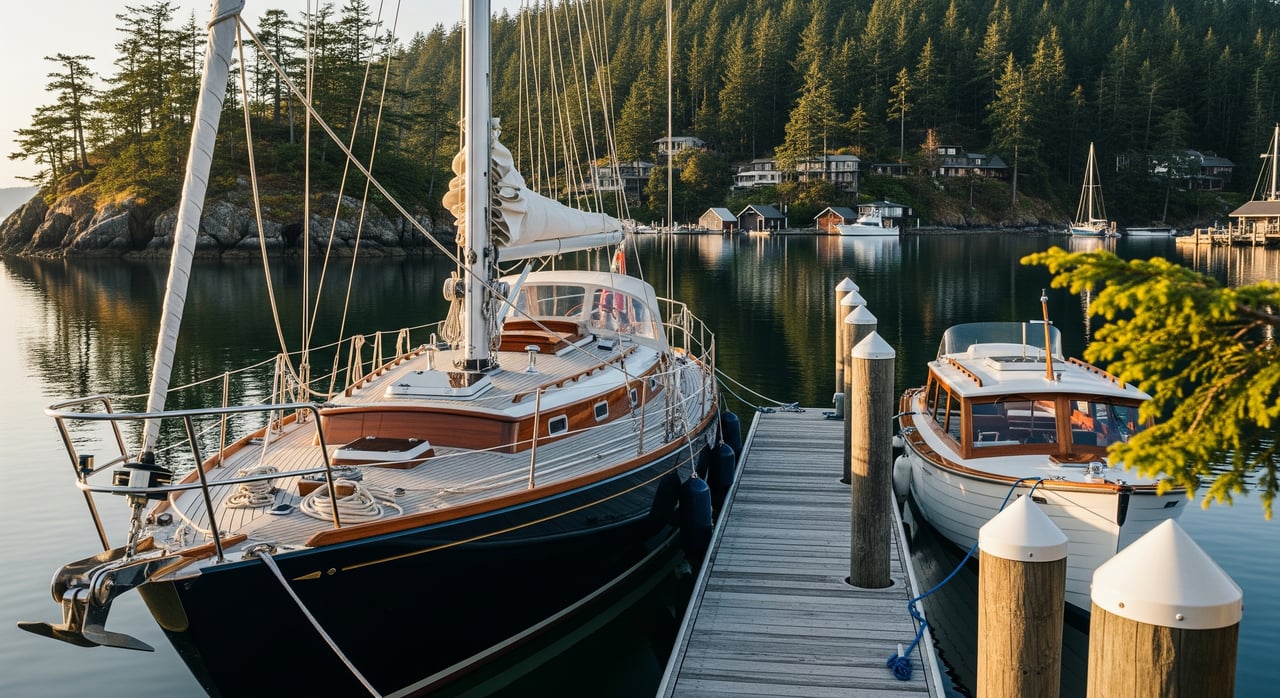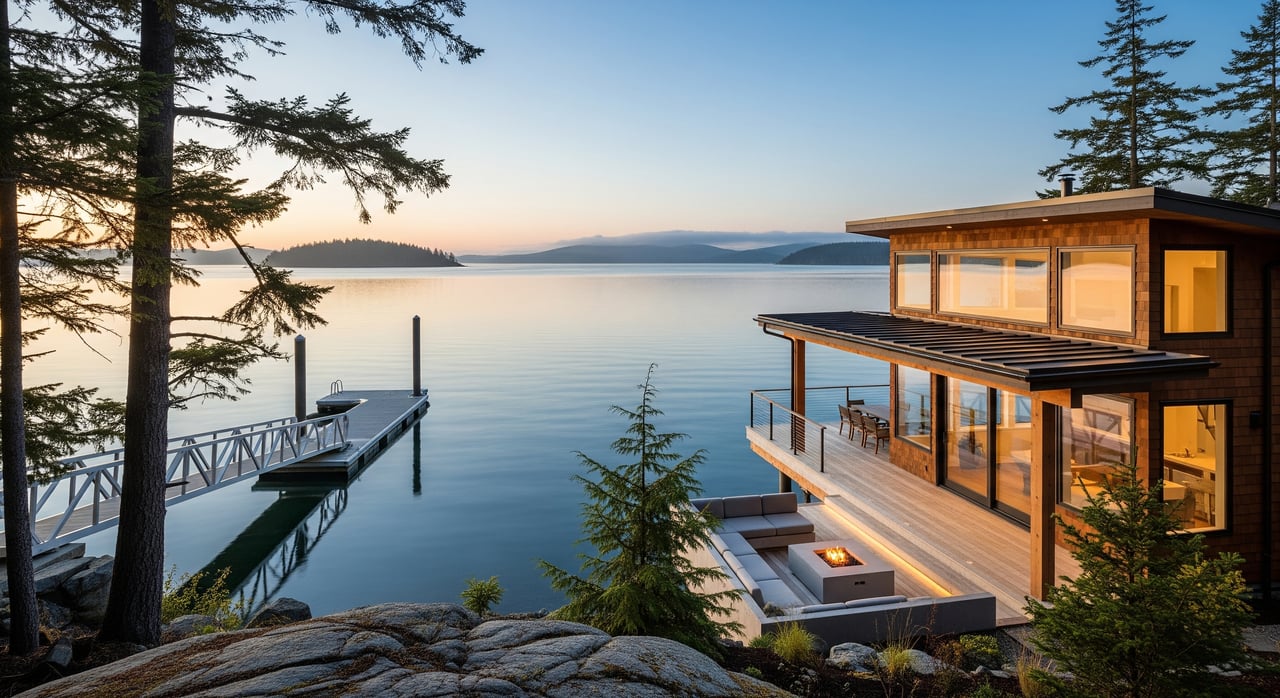
What if the hardest part of buying an Olga waterfront home is not finding a beautiful view, but understanding what that shoreline really means for day-to-day use? That is often the case in Olga, where two homes can look similar online but offer very different access, privacy, and improvement options once you dig into the details. If you are considering waterfront property in this part of Orcas Island, it helps to know what sets Olga apart and what due diligence matters most. Let’s dive in.
Why Olga Waterfront Feels Different
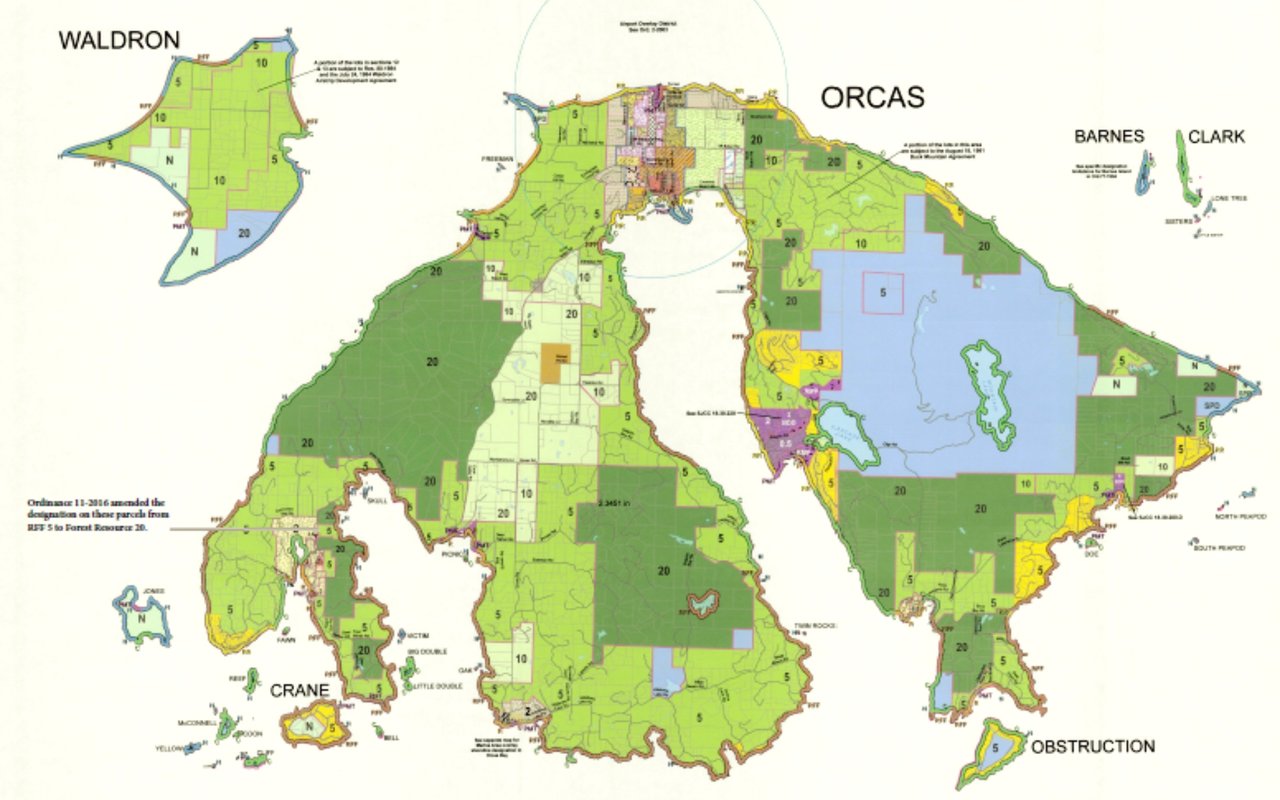
Olga sits along Orcas Island’s southeast to eastern shoreline, stretching from the east side of Ship Bay to the north side of Obstruction Pass. San Juan County identifies the area as a mix of Olga Hamlet, community and park uses, and surrounding shoreline lands. County shoreline inventory data shows the area is mostly residential, with additional undeveloped land and cultural or recreation use.
That land-use pattern helps explain why Olga often feels quieter and more secluded than some other island waterfront areas. Most of Olga is designated Rural, while Buck Bay is designated Conservancy, and there are also larger conservation parcels west of Olga Hamlet. For you as a buyer, that can translate into a shoreline setting that feels more natural and less built up, although each property still needs to be evaluated on its own.
Waterfront Type Matters More Than You Think
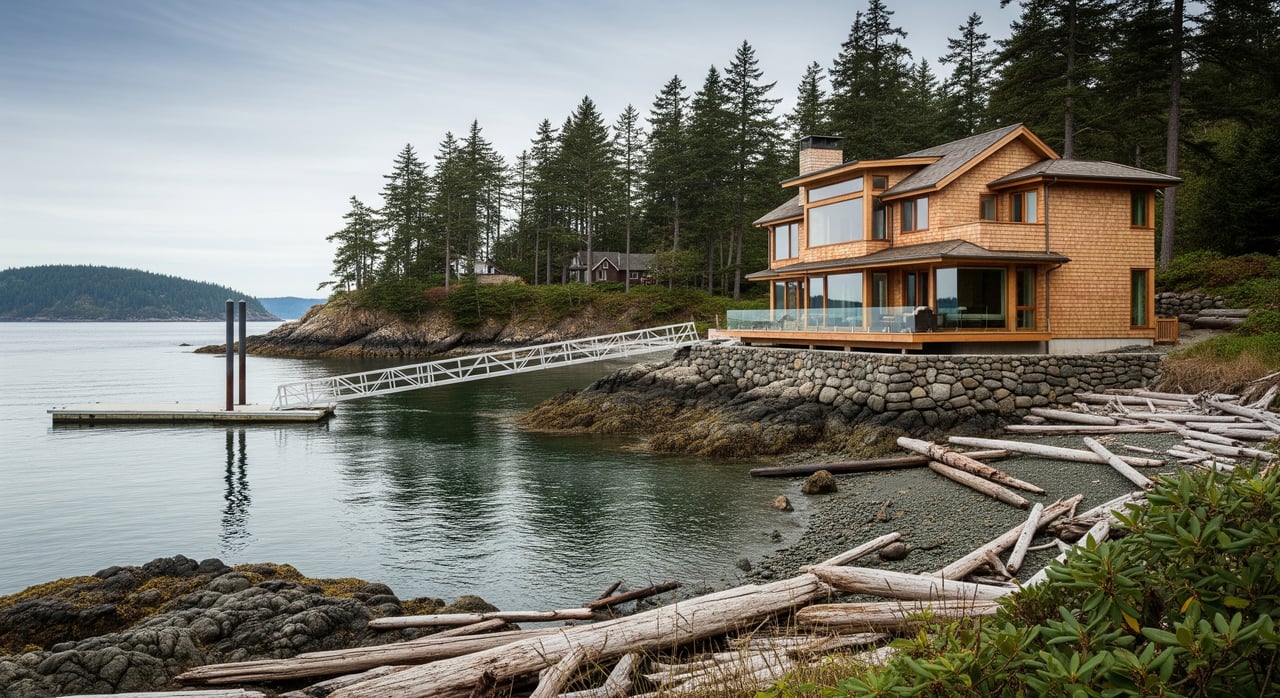
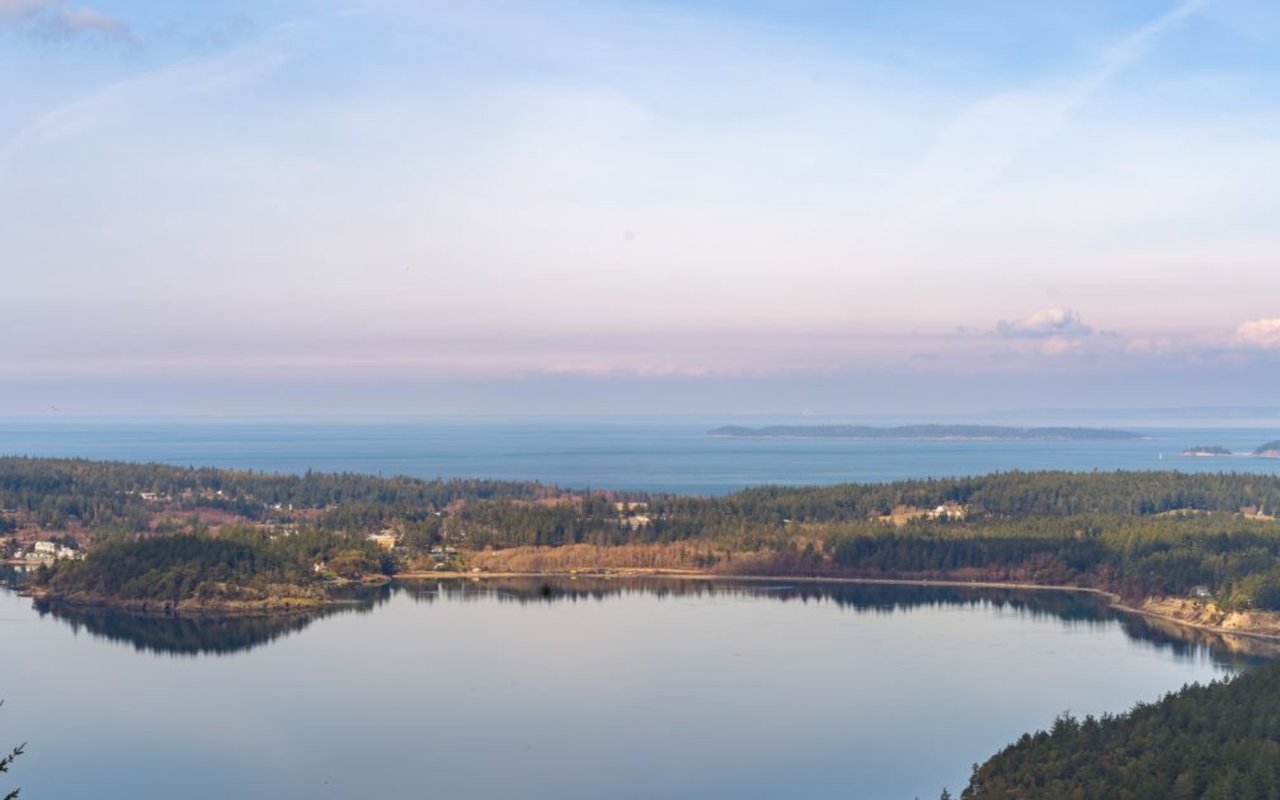
In Olga, the key question is not simply whether a home is waterfront. The more important question is what kind of waterfront you are buying. Shoreline conditions in this area vary, and the county inventory notes a mix of shoreforms shaped by local geology, with sediments often limited to smaller pockets and wave energy described as relatively modest and locally sourced.
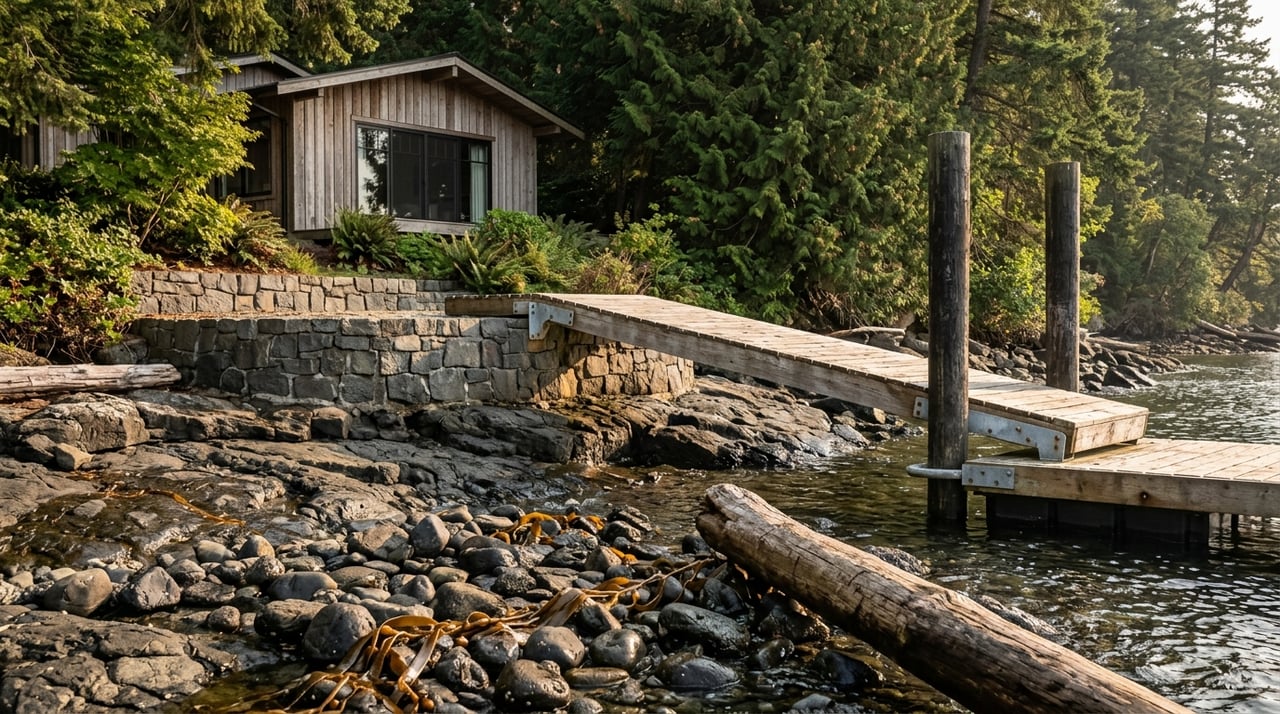
That means one parcel may include a pocket beach, while another may sit on a rocky edge or bluff. The county inventory also documents bluff instability south of Buck Bay, which makes site-specific review especially important in some locations. A property’s shoreline shape can affect access, maintenance needs, and what future changes may be realistic.
Pocket Beaches, Bluffs, and Rocky Shorelines
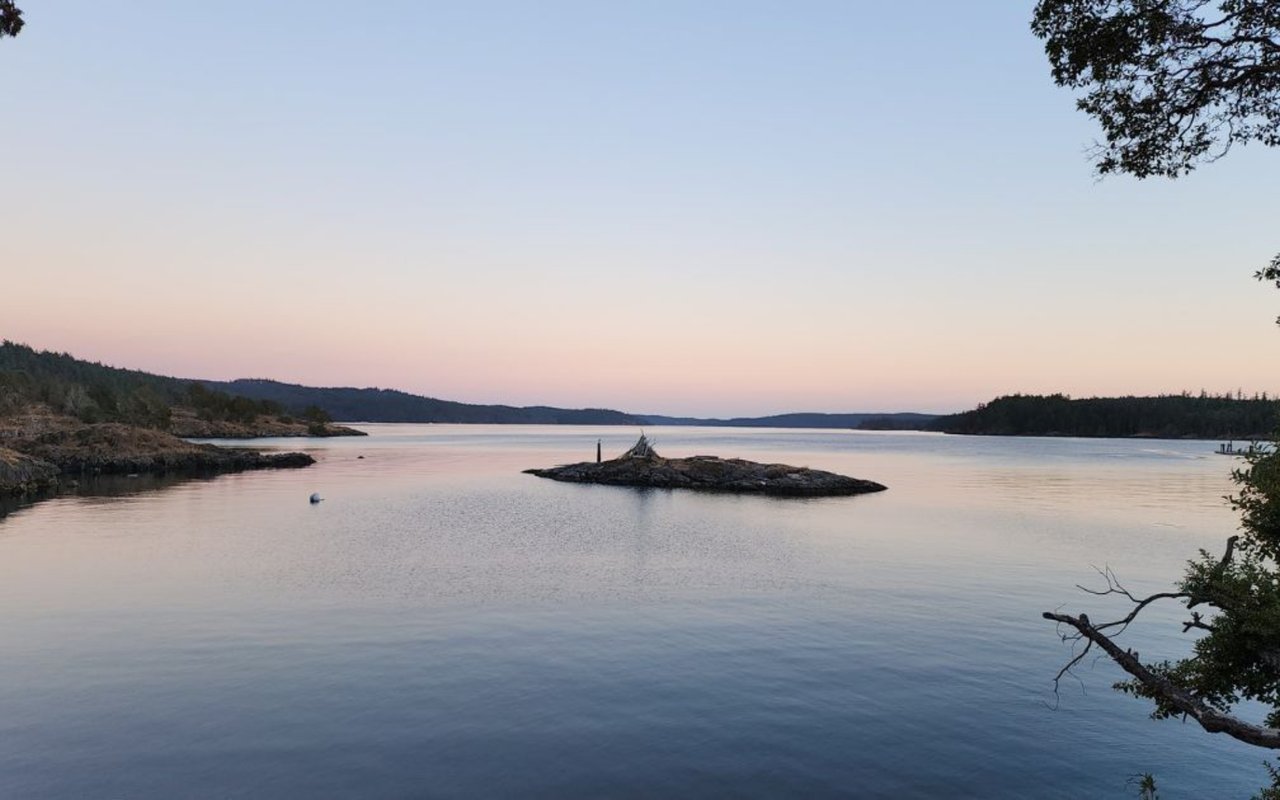
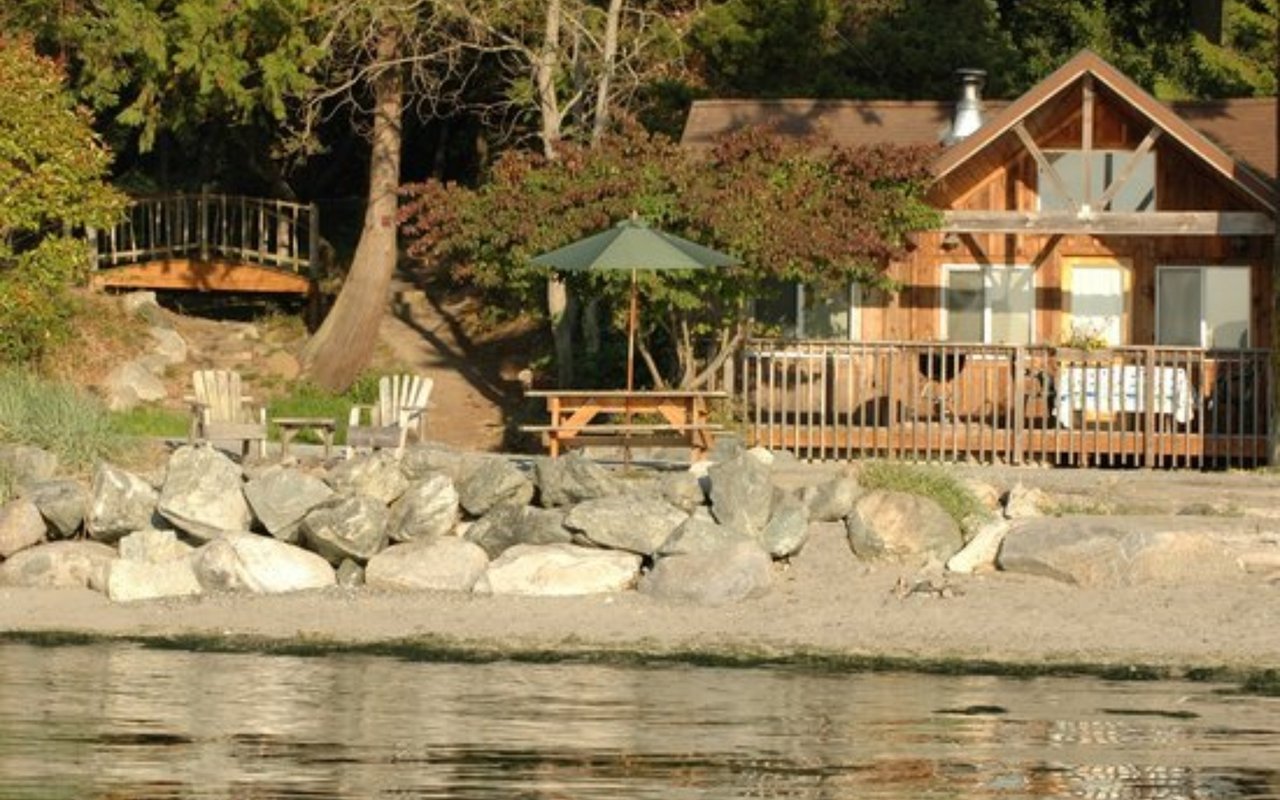
A pocket beach may offer easier access to the nearshore area and a more usable waterline. A bluff or rocky shoreline may provide expansive views and a stronger sense of privacy, but often with less practical beach use. Those differences can matter a lot if you picture launching kayaks, walking the shoreline, or planning future improvements.
It is also important to separate three things buyers often blend together: usable beach area, legal build area, and view corridor. They are not the same. A great view does not automatically mean easy shoreline access, and direct waterfront does not guarantee flexibility for additions or shoreline structures.
Boating Access and Dock Expectations
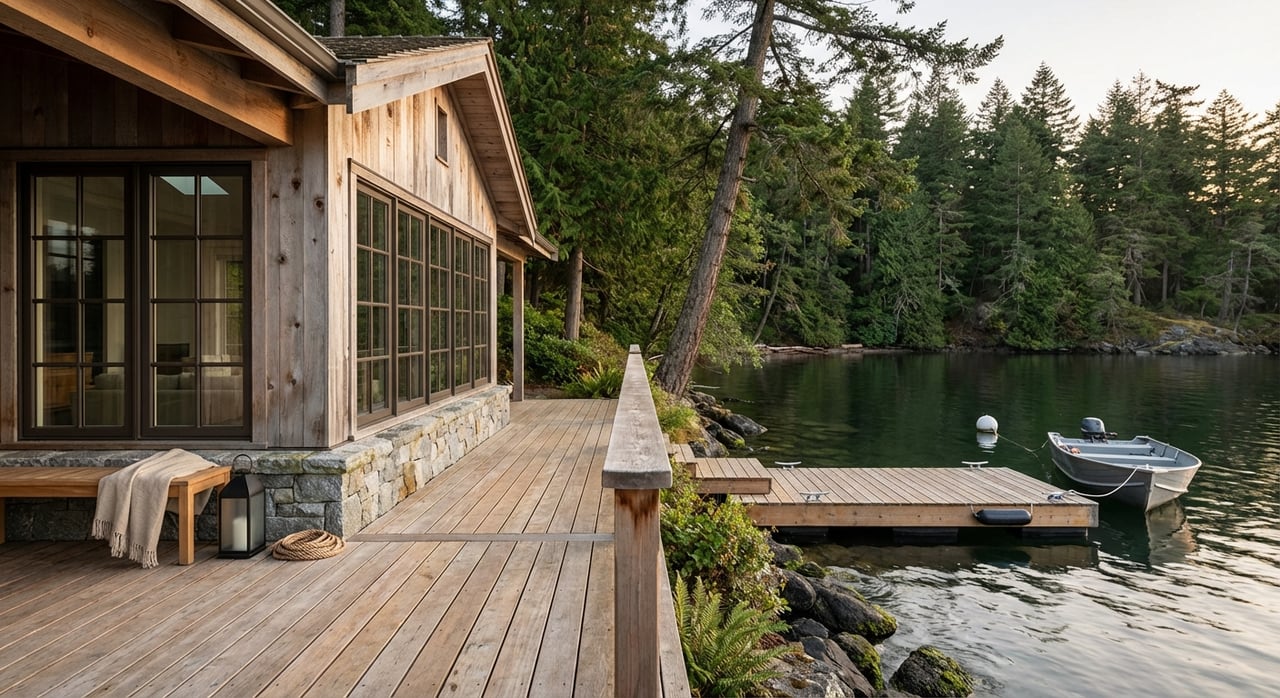
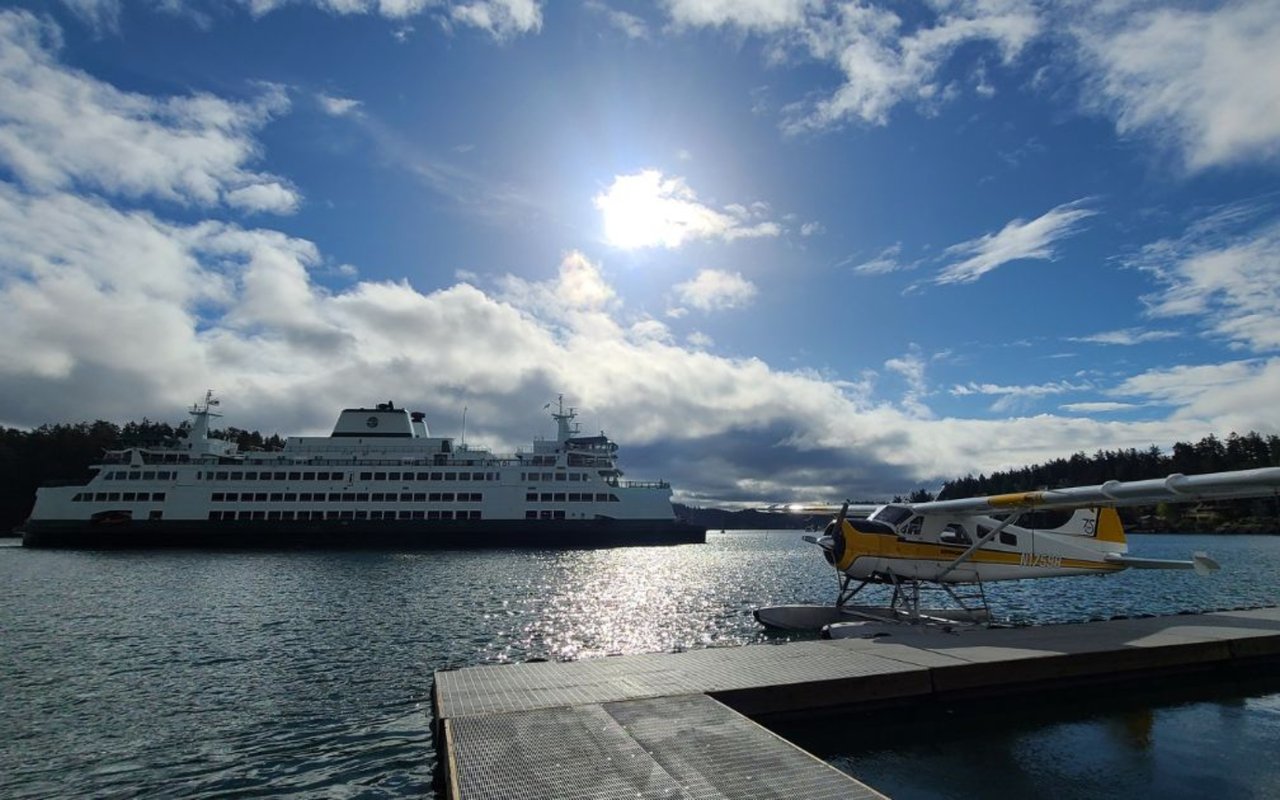
Many buyers are drawn to Olga for its shoreline access and proximity to boating, but it is wise to avoid assumptions. The Olga management area includes over 15 miles of shoreline and a mix of trails, road ends, docks, and conservation easements. Nearby public shoreline resources include Obstruction Pass campground with parking and three boat moorings, the public marine facility at Obstruction Pass, First Street road-end beach access, and East Olga Park shoreline access.
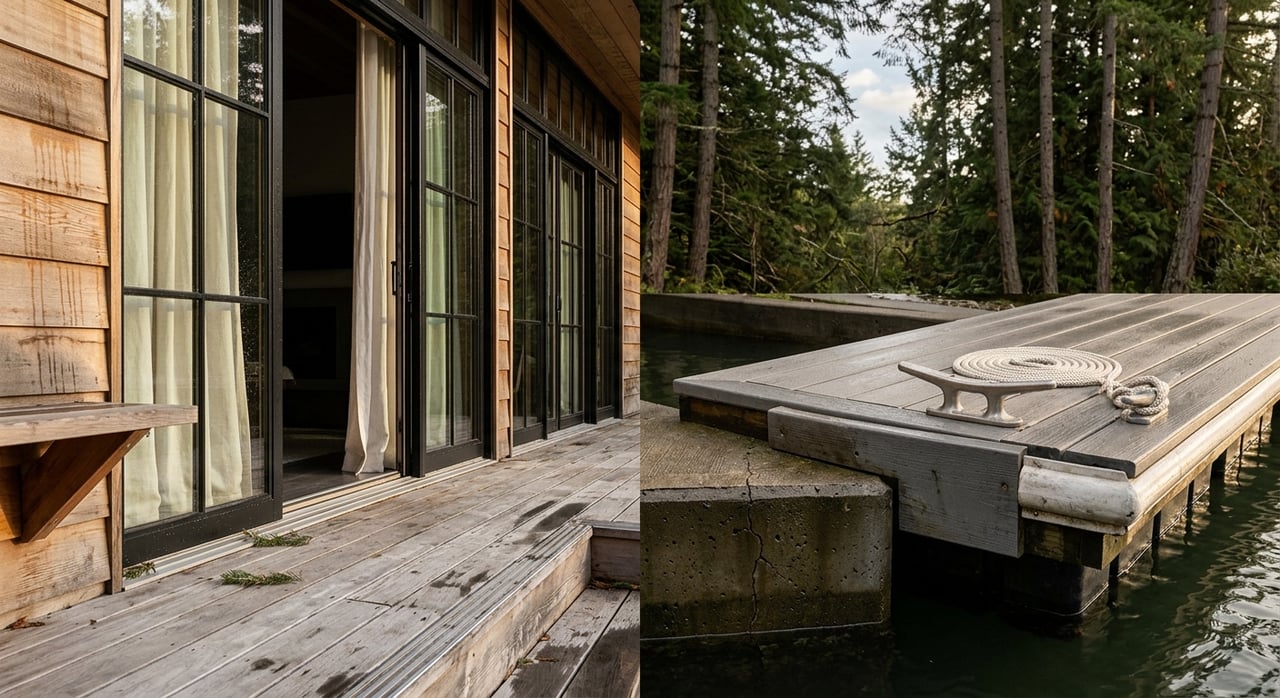
Obstruction Pass State Park also provides access to one of the few public beaches on Orcas Island and includes buoys and moorage. That is a meaningful lifestyle benefit if you enjoy getting out on the water. Still, nearby public boating access is very different from private dock rights tied to a specific property.
Do Not Assume a Dock Is Feasible
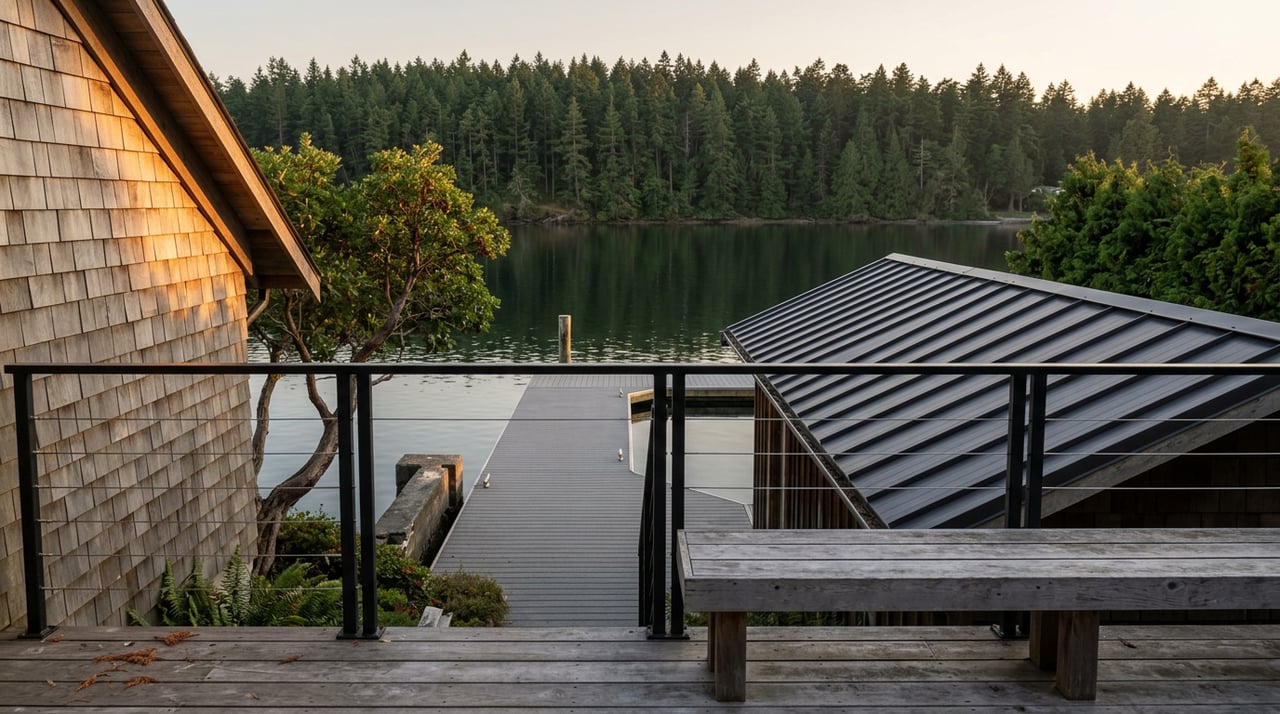
If private moorage or a dock is part of your plan, you will want to verify feasibility early. San Juan County says shoreline rules apply landward 200 feet from the ordinary high water mark and throughout aquatic areas. The county also states that dock work is subject to critical area rules and that new docks usually require a shoreline permit.
While the county notes that most single-family residential construction is exempt from a shoreline permit, that does not remove other permit or review requirements. In practical terms, a waterfront lot may be buildable for a home and still be limited when it comes to dock work, shoreline stabilization, or other water-oriented improvements. That is why permit history and site review matter so much in Olga.
Privacy in Olga Is Not One-Size-Fits-All
Olga is often associated with quiet shoreline living, and in many cases that reputation fits. At the same time, public access points nearby can affect how private a property feels. The area includes road ends, conservation easements, and public shoreline access, so privacy is something you should evaluate parcel by parcel.
If seclusion is high on your list, it helps to map what surrounds the property, not just the home itself. A listing photo may highlight trees, shoreline, and open water views, but it will not always show a nearby access point or public shoreline feature. Understanding that context early can help you choose a property that fits your goals.
How Olga Compares to Other Orcas Waterfront Areas
If you are weighing Olga against other parts of Orcas Island, the differences are useful to understand. Compared with Eastsound, Olga is generally less developed. County shoreline inventory materials describe Eastsound as the island’s largest community, with more intense development and a more urban shoreline character in parts of its core.
That can make Eastsound more convenience-oriented, while Olga tends to appeal to buyers looking for a more rural shoreline setting. Neither is better in every case. It simply depends on whether you value proximity to services or a more tucked-away coastal feel.
Less Marina-Centered Than Other Areas
Olga is also typically less marina-centered than places like Deer Harbor, Orcas Village, West Sound, and Rosario. County inventory materials describe those areas as having more concentrated boating infrastructure, including marinas, piers, docks, ramps, and mooring buoys. Olga’s appeal is usually less about full-service marina activity and more about natural coastline, quieter shoreline patterns, and conservation adjacency.
For you as a buyer, that distinction matters. If your priority is immediate boating infrastructure at your doorstep, another area may align more closely with your needs. If your goal is a lower-key waterfront setting with a more natural shoreline character, Olga may rise to the top.
Due Diligence to Start Early
With Olga waterfront homes, early due diligence can save time, money, and frustration. San Juan County’s Shoreline Master Program is the local framework used to administer shoreline rules, and the county notes that the program was last updated in 2021. Because shoreline constraints can affect both current use and future plans, this is one of the first places to start.
It also helps to confirm lot lines and tidelands with a survey. The county’s Olga map is for reference only and is not guaranteed to be survey-accurate. If a property’s appeal depends on shoreline use, view protection, access, or tideland ownership, survey work can be an important part of a confident purchase decision.
Four Items to Verify First
Before you move too far into the process, focus on these four items:
- Shoreline designation and whether it changes across the parcel
- Dock or moorage feasibility, including permit history if improvements exist
- Septic and water capacity for current use and future plans
- Title and access rights, including lot lines and tideland questions
These are not small details on island waterfront property. They are often central to how a home functions and what you can realistically do with it over time.
Septic and Water Are Core Waterfront Questions
On Olga waterfront property, septic and water should be treated as essential due diligence. San Juan County says a building permit requires an on-site septic design showing adequate sewage disposal capacity. County health guidance also explains that on-site sewage systems must be properly operated and maintained, and that existing systems may require inspection or redesign depending on the project.
Water capacity matters too. County groundwater guidance says excess groundwater use can pose a risk of dry wells and saltwater intrusion. If you are considering a remodel, expansion, guest space, or seasonal use pattern that differs from the current setup, these questions should come up early rather than late.
Why Technical Review Often Matters
For some buyers, especially those looking at second homes or estate properties, the pre-offer process may involve more than a general home showing and standard inspection. If you are considering additions, dock work, drainage changes, or shoreline stabilization, local technical review can be part of smart planning. That may include input from a septic designer, surveyor, shoreline consultant, or permit staff.
In a market like Olga, the technical side of the property can matter just as much as the setting. A home can be visually compelling and still require careful review to understand its full use potential. That is where local guidance becomes especially valuable.
Smart Questions to Ask About Olga Waterfront Homes
When you tour or evaluate a property, a few focused questions can reveal a lot. Ask how the parcel is designated under shoreline rules and whether that designation changes from one part of the lot to another. You should also ask what type of shoreline is present, such as pocket beach, rocky shore, bluff, or another sensitive shoreform.
It is also wise to ask whether there is documented access to tidelands, a mooring buoy, or a dock, and what permits support those features. Then confirm whether septic, water, setback, or critical-area constraints could affect remodeling or expansion. If privacy is important to you, ask about nearby public access points, road ends, and conservation lands.
Finally, ask whether lot lines and tidelands have been confirmed by survey rather than assumed from a reference map. On island waterfront property, small differences on paper can have a big impact on how you use and enjoy the home.
If you are exploring Olga waterfront homes, working with an on-island team can help you look beyond the photos and understand how shoreline type, access, permits, and infrastructure come together on a specific property. For thoughtful guidance tailored to Orcas Island waterfront buying, contact True North Realty / Orcas Island, LLC..
FAQs
What makes Olga waterfront homes different from other Orcas Island waterfront areas?
- Olga is generally less developed and less marina-centered than areas like Eastsound, Deer Harbor, West Sound, or Orcas Village, with a more rural shoreline pattern and more conservation adjacency.
What should buyers ask about an Olga waterfront property’s shoreline?
- You should ask what shoreline environment designation applies, whether the shoreline is a pocket beach, rocky edge, or bluff, and how those conditions could affect access or future improvements.
Can every Olga waterfront lot have a private dock or mooring?
- No. San Juan County says shoreline rules apply within 200 feet landward of the ordinary high water mark and throughout aquatic areas, and new docks usually require a shoreline permit and other review.
Why are septic and water important when buying an Olga waterfront home?
- Septic and water capacity affect current use and future plans, and county guidance says building permits require septic capacity while groundwater use can raise concerns such as dry wells or saltwater intrusion.
How can buyers evaluate privacy for an Olga waterfront home?
- You should check for nearby road ends, public shoreline access, and conservation easements, because Olga includes all three and they can influence how secluded a property feels.
Why should buyers get a survey for an Olga waterfront property?
- A survey can help confirm lot lines and tidelands, which is important because the county’s Olga map is for reference only and is not guaranteed to be survey-accurate.