If you plan to travel on and off Orcas often, buying near the ferry landing can sound like an easy win. It can save time, simplify guest arrivals, and make mainland trips feel more manageable. But on Orcas, ferry proximity also means living close to one of the island’s busiest movement points, so the right choice depends on how you want your day-to-day life to feel. Let’s dive in.
What "near the ferry landing" really means
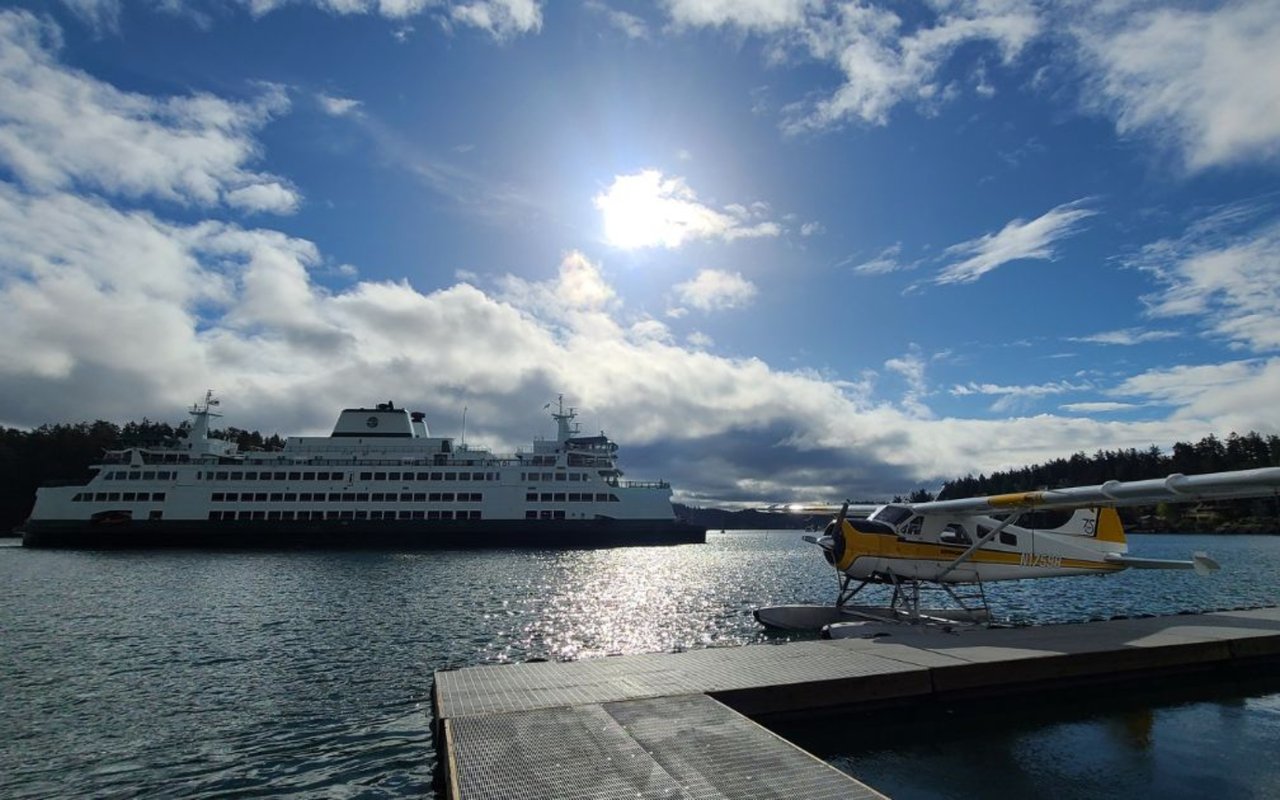
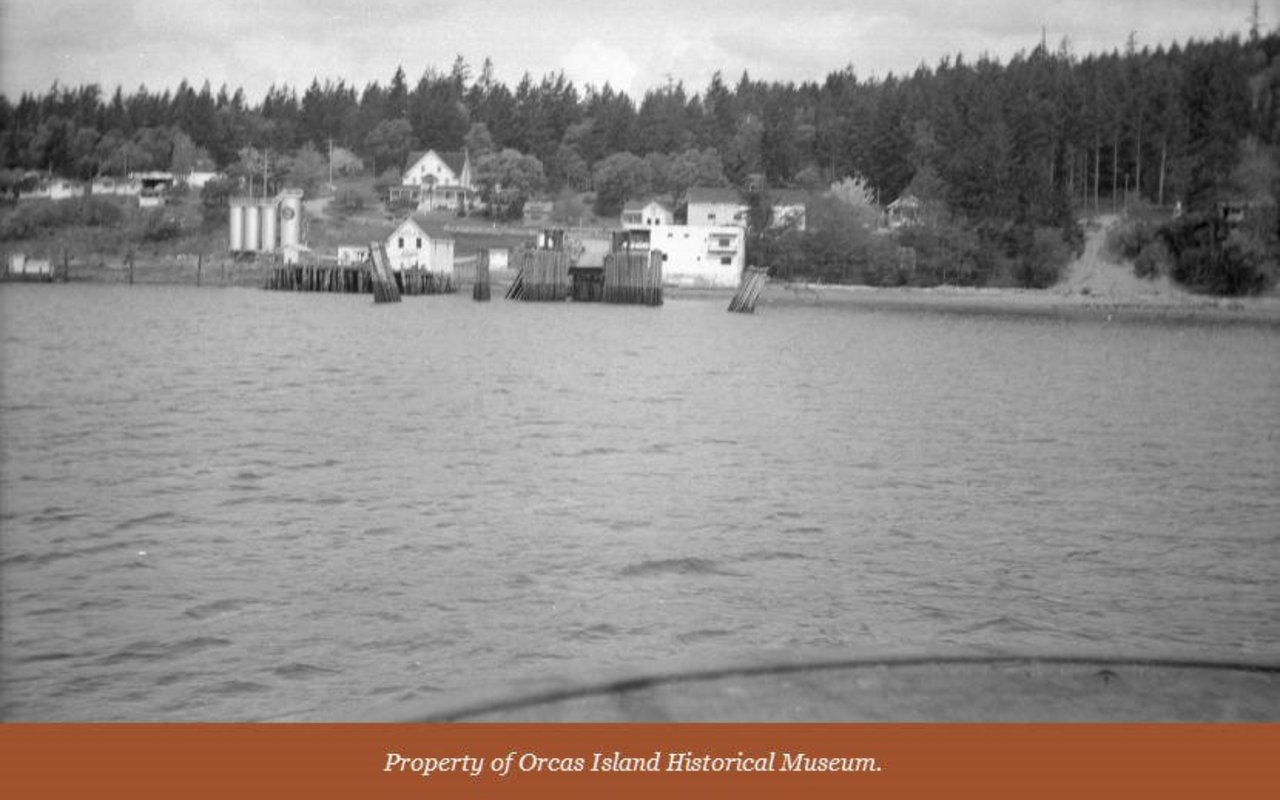
The Orcas Island ferry terminal is located at 8368 Orcas Road on the south side of the island. It serves the Anacortes and San Juan Islands route, connecting Lopez, Shaw, Orcas, and Friday Harbor.
What matters for buyers is not just the dock itself. The ferry landing sits at the start of Orcas Road, which San Juan County identifies as the island’s main arterial. That means a home near the landing is also near a key circulation point for vehicles, cyclists, and pedestrians moving on and off the ferry.
Why buyers are drawn to this area
For some buyers, this location solves a real lifestyle problem. If you commute, host frequent visitors, or split time between Orcas and the mainland, cutting down ferry-related stress can be a major benefit.
Washington State Ferries recommends vehicle reservations on this route, which can help reduce uncertainty on busy travel days. The terminal also provides live status information, which adds another layer of convenience if ferry timing is part of your routine.
Easier off-island travel
The biggest advantage is simple: you are closer to the ferry. If you travel often, those saved minutes can add up quickly, especially on early departures or late returns.
This can be especially appealing for second-home owners and buyers who expect regular guest turnover. A shorter drive from home to the terminal can make arrivals and departures feel less like a project.
Better fit for walk-on and bike users
If you do not always need a car, proximity can be even more useful. Washington State Ferries notes that bicyclists can bypass vehicle traffic to reach the lower dock, and walk-on passengers and cyclists can buy tickets at the terminal without a reservation.
That does not make the area car-free, but it can offer more flexibility than living farther up-island. For some buyers, that flexibility is part of the appeal.
Simpler return trips to Orcas
There is also a practical benefit on the island side of the trip. Washington State Ferries says no fares are collected at the Orcas terminal, while passenger and vehicle fares are collected at Anacortes.
That does not change the cost of ferry travel overall, but it does make the Orcas end of the trip a little more straightforward operationally. For frequent travelers, small conveniences like that can matter.
The tradeoffs buyers should expect
The convenience is real, but so is the activity. Near the ferry landing, your home may be shaped by the island’s transportation rhythm in ways that buyers from off-island do not always expect.
This is not constant congestion in the mainland sense. Instead, the pattern is more concentrated and episodic, with noticeable bursts tied to ferry arrivals and departures.
Traffic comes in pulses
San Juan County’s Orcas Village Plan found that ferry unloads create short northbound traffic peaks that were six to eight times the daytime average. It also noted broader southbound peaks before departures.
A later county visitor study described ferry-based congestion as regular but episodic, with more intensive management potentially needed during 20 to 30 minute windows around several midday and evening ferries. In practical terms, that means the area can feel calm between sailings and much busier during loading and unloading periods.
Parking is actively managed
Parking near the terminal is limited, and that affects how the area functions. Washington State Ferries says summer weekend parking is not allowed at the terminal, and parking is not allowed on the road leading to the terminal.
San Juan County also announced 3-day and 7-day limits at the Orcas Island Park and Ride near the ferry terminal in 2025. For buyers, that is a reminder that parking near the landing is not casual or unlimited. It is an actively managed part of the ferry experience.
Daily errands may still require a drive
One of the most important realities is that ferry access is not the same thing as central island access. According to the Orcas Island Chamber, there is no public ground transportation on Orcas, aside from limited high-season shuttle service and one on-island taxi.
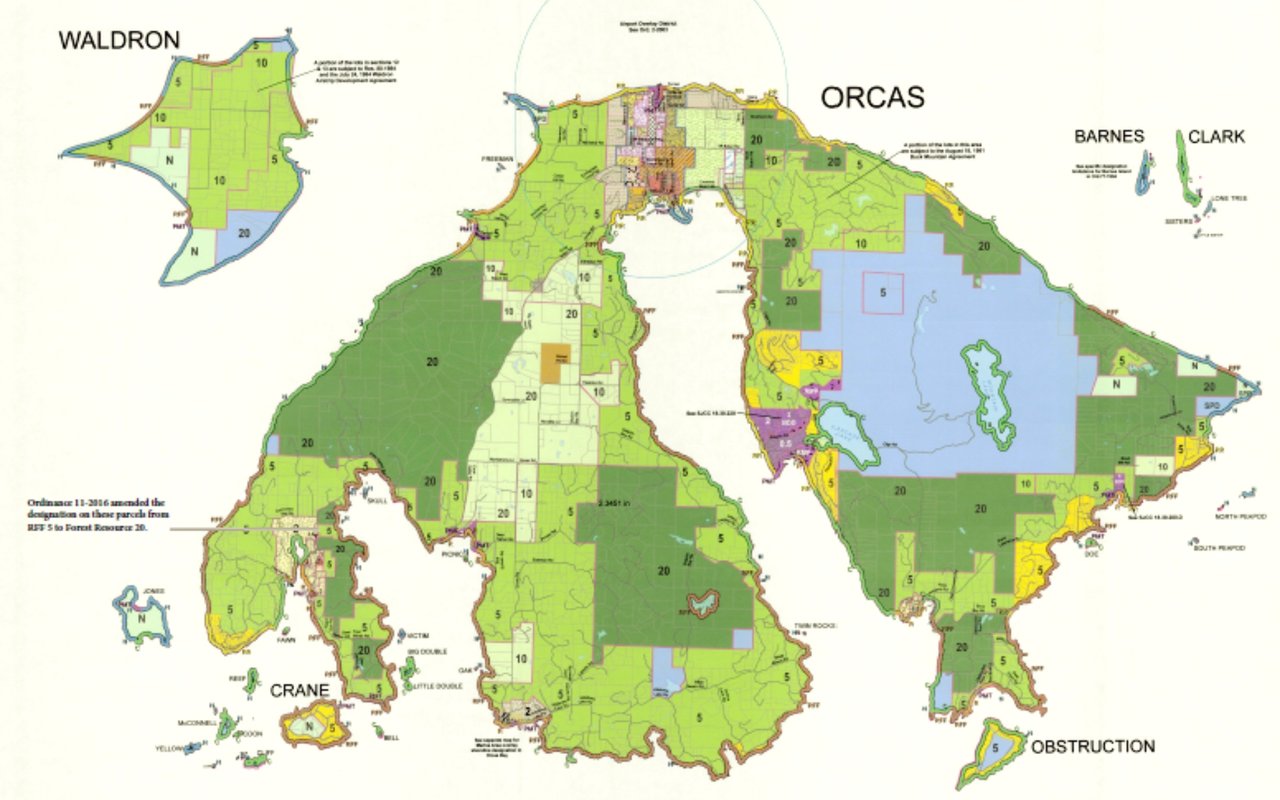
The Chamber also notes that the ferry landing is almost 8 miles from Eastsound. So while you may be close to the dock, you are not especially close to many of the island’s everyday destinations.
Biking beyond the terminal can be challenging
Some buyers picture a bike-friendly routine from the ferry to the rest of the island. That may be possible for the right person, but the route is not effortless.
The Chamber says biking to Eastsound involves steep hills, narrow roads, little or no shoulder, and about 500 feet of climbing. If active transportation is a priority for you, it is worth understanding that ferry proximity does not necessarily mean easy bike access to town.
How location feels block by block
Near the ferry landing, small shifts in location can make a noticeable difference. A home directly on or just off Orcas Road may experience the area differently than a property tucked a bit farther inland.
Based on the county’s circulation findings and Washington State Ferries operations, homes closest to the terminal corridor are likely to experience more of the area’s operational activity, including vehicle staging, loading, and unloading. That is not the same as a formal noise finding, but it is a practical buying consideration.
Micro-location matters more than distance alone
Two homes that both look close to the ferry on a map may live very differently. The question is not only how fast you can reach the dock. It is also how much of the terminal corridor’s movement you see and feel from the property.
This is one reason in-person touring matters so much in this area. On Orcas, convenience and quiet can vary meaningfully within a short distance.
What this means for resale
From a resale perspective, homes near the ferry landing tend to appeal strongly to a specific buyer profile. Buyers who travel off-island often may see proximity as a major convenience and a real lifestyle advantage.
At the same time, buyers seeking the quietest possible setting may see that same location differently. That does not make ferry-adjacent property better or worse overall. It means the value proposition is more specialized and more dependent on the property’s exact setting.
Convenience can be a premium
For frequent travelers, being near the landing can be a meaningful selling point. That can include second-home owners, buyers with regular mainland obligations, or owners who expect guests to come and go often.
In those cases, proximity may support demand because it removes friction from island travel. On Orcas, that kind of convenience is tangible.
Some buyers will prefer distance
Other buyers are drawn to a quieter feel and less operational activity. For them, a home farther from the terminal corridor may better match their goals.
That is why resale here is so property-specific. The market response often depends on how a home balances access, privacy, and exposure to ferry traffic patterns.
Ferry operations can change over time
When you buy near the landing, it is smart to think beyond today’s schedule. Washington State Ferries says preservation projects are planned at the Orcas terminal over the next 10 years.
WSF also reports that early 2027 transfer span work at single-slip terminals, including Orcas, is expected to involve 48-hour service closures. For buyers and sellers alike, that is a reminder to check current ferry alerts and planned maintenance rather than assuming operations will stay the same year-round.
Who is the best fit for this location
Buying near the ferry landing often makes the most sense if ferry access is one of your top priorities. If you travel frequently, host regular visitors, or want to reduce the friction of getting on and off island, this area may deserve a close look.
It may be a less natural fit if you want your home to feel removed from traffic pulses and transportation activity. In that case, a location farther up-island may align better with how you want to live on Orcas.
A practical way to evaluate ferry-adjacent homes
If you are considering this area, focus on how the property functions during real travel windows, not just how it looks on a map. A smart evaluation usually includes:
- Driving the route during ferry arrival and departure times
- Noting how directly the home relates to Orcas Road
- Asking how often you expect to travel off-island
- Thinking about guest arrivals and departures
- Considering your tolerance for periodic traffic and parking activity
- Comparing ferry convenience with your need to reach Eastsound and other day-to-day destinations
On Orcas, the ferry landing is neither an automatic plus nor an automatic drawback. It is a tradeoff between access and exposure, and the right answer depends on your routine, priorities, and expectations.
If you want help weighing that tradeoff property by property, the local team at True North Realty / Orcas Island, LLC. can help you compare location, access, and long-term fit with clear island-specific guidance.
FAQs
What are the main benefits of buying near the Orcas ferry landing?
- The biggest benefits are faster ferry access, easier guest arrivals, and a more convenient routine if you travel on and off Orcas often.
What traffic should you expect near the Orcas ferry terminal?
- Traffic near the terminal tends to come in short, regular pulses around ferry arrivals and departures rather than staying consistently busy all day.
Is parking easy near the Orcas ferry landing?
- Parking is limited and actively managed, with restrictions at the terminal and time limits at the nearby park and ride.
Is the Orcas ferry landing close to Eastsound?
- No. The ferry landing is almost 8 miles from Eastsound, so most day-to-day errands still require a drive.
Is buying near the Orcas ferry landing good for resale?
- It can be attractive to buyers who value frequent ferry access, but the resale appeal depends heavily on the home’s exact location and how much terminal activity it experiences.