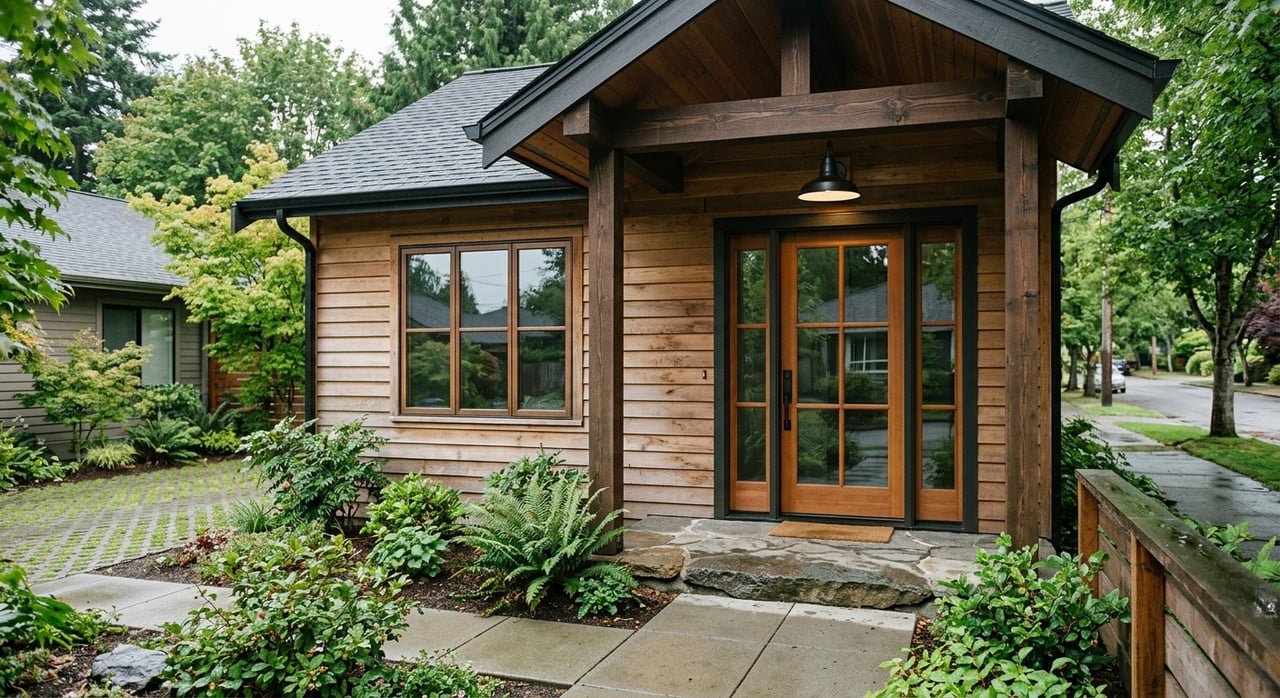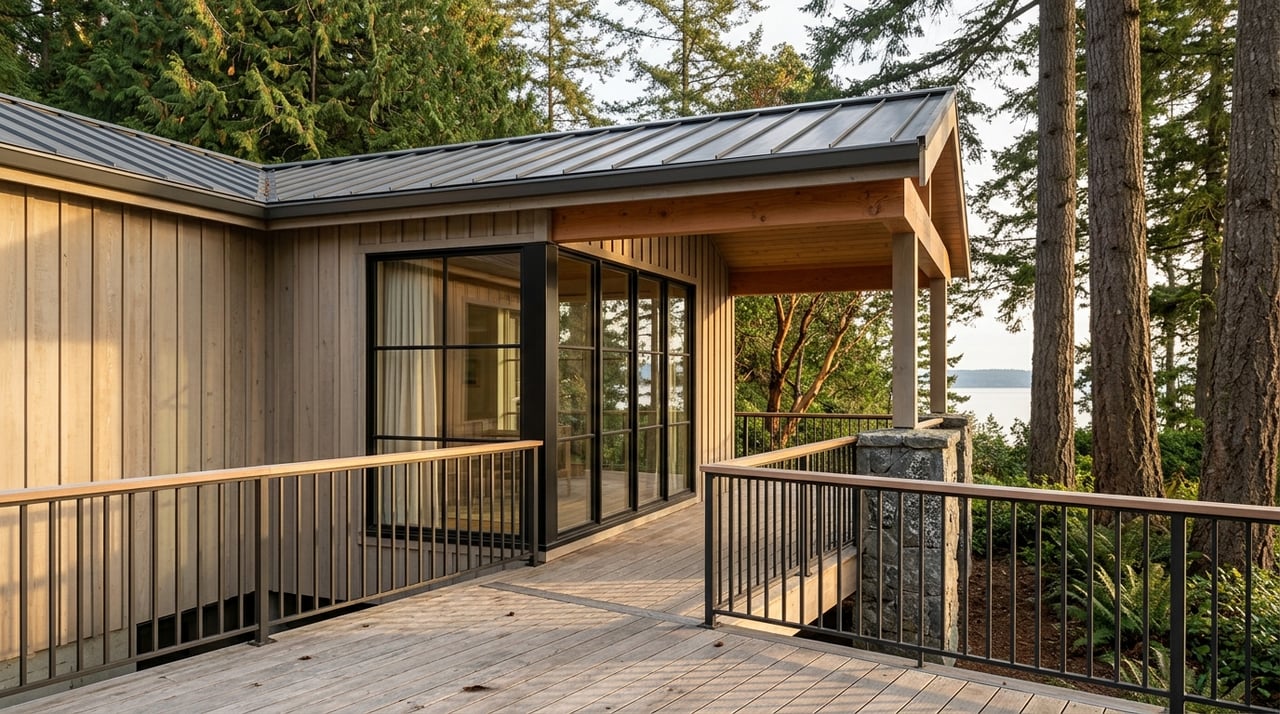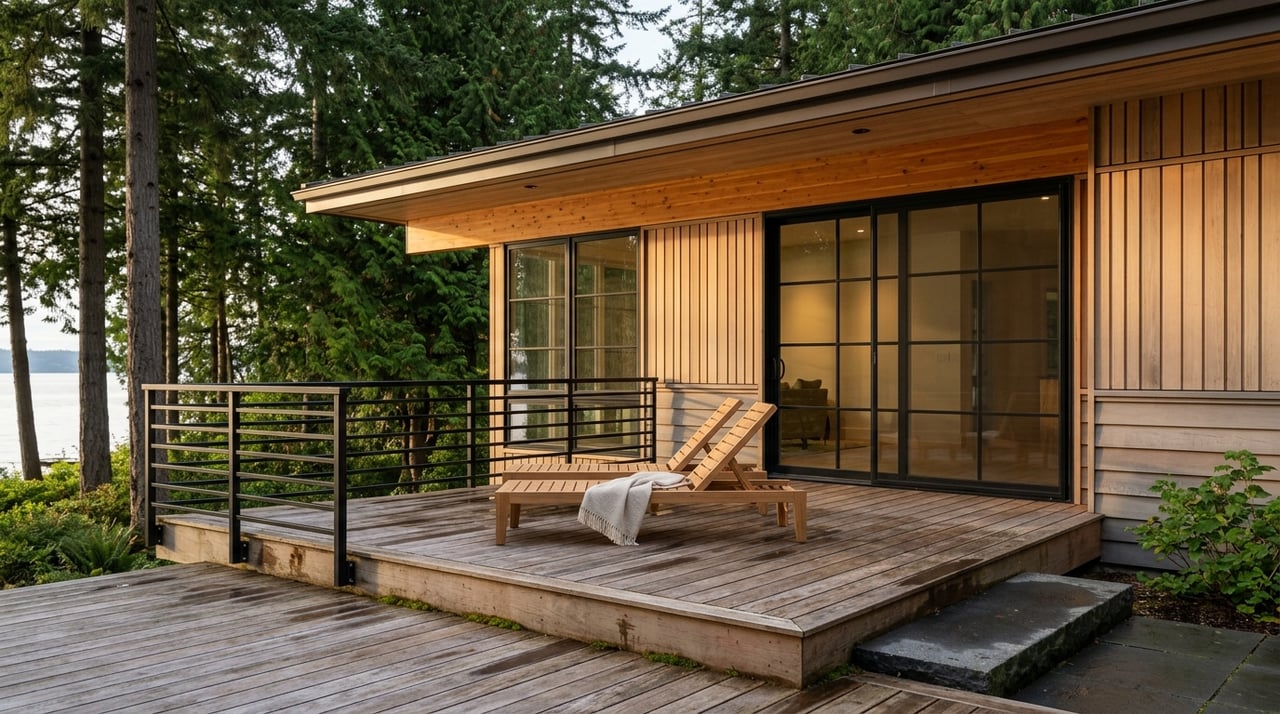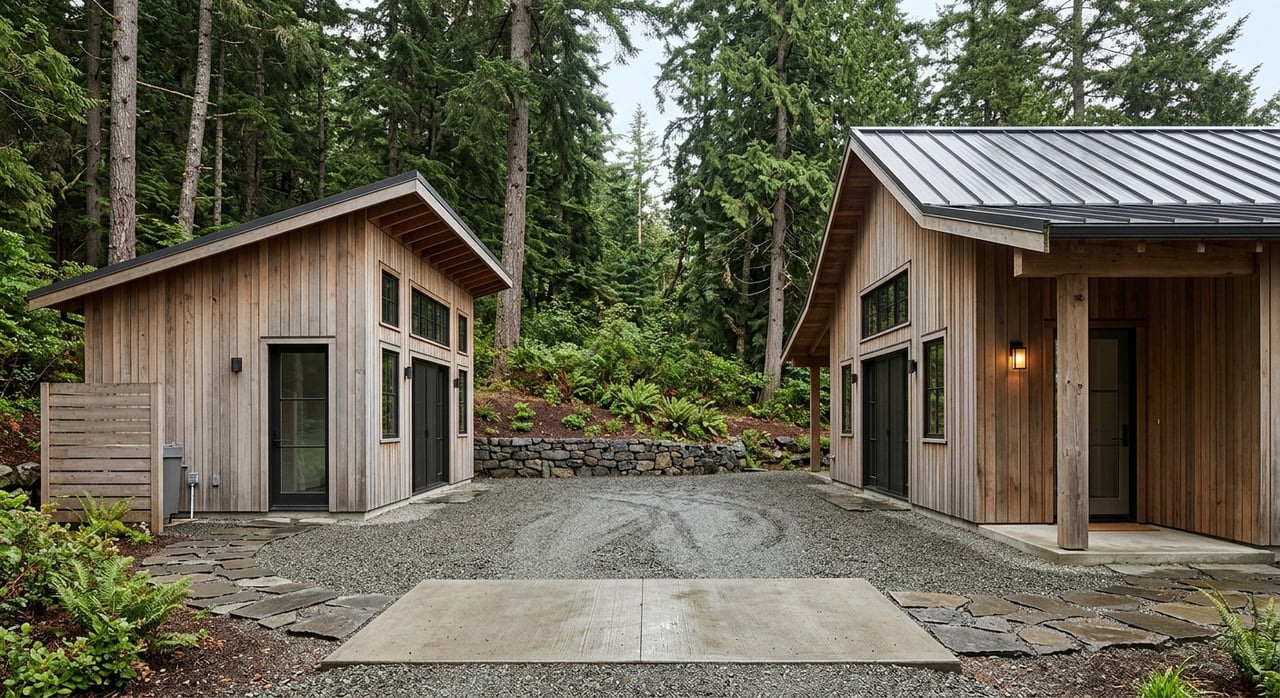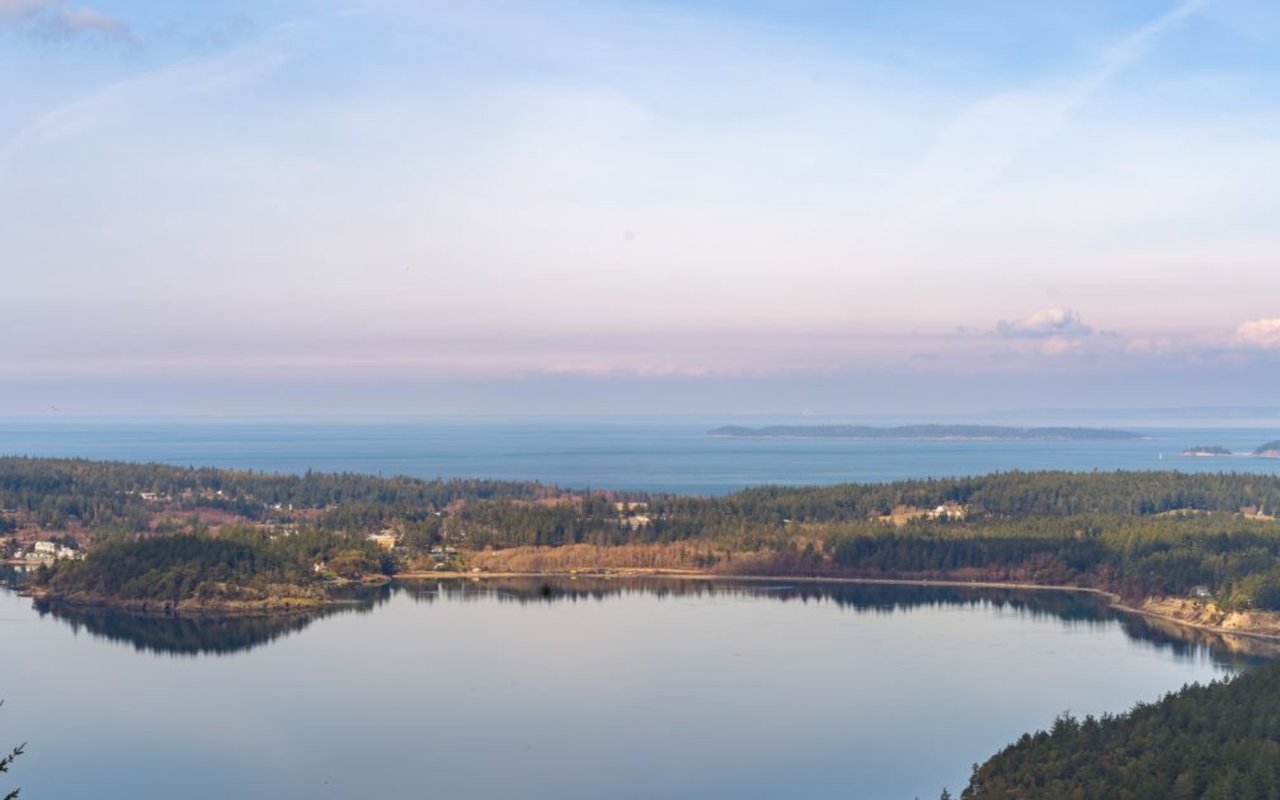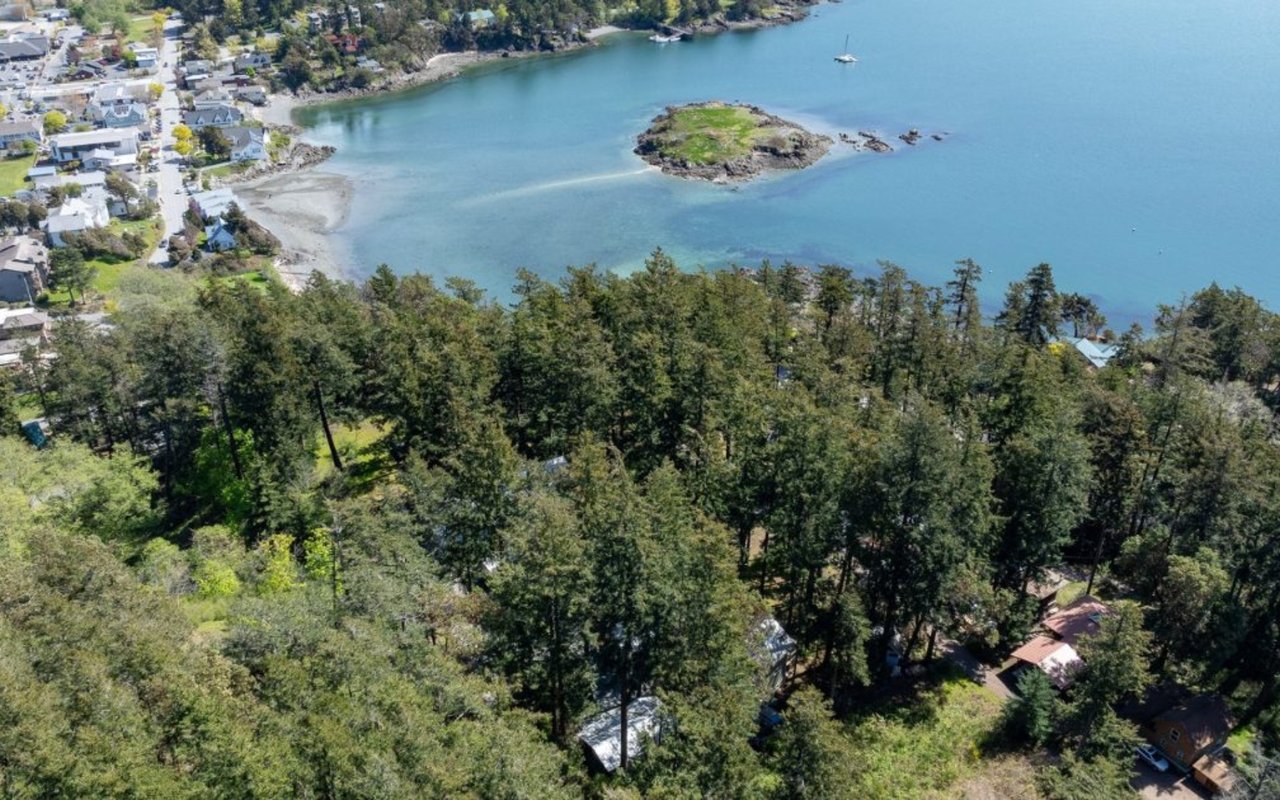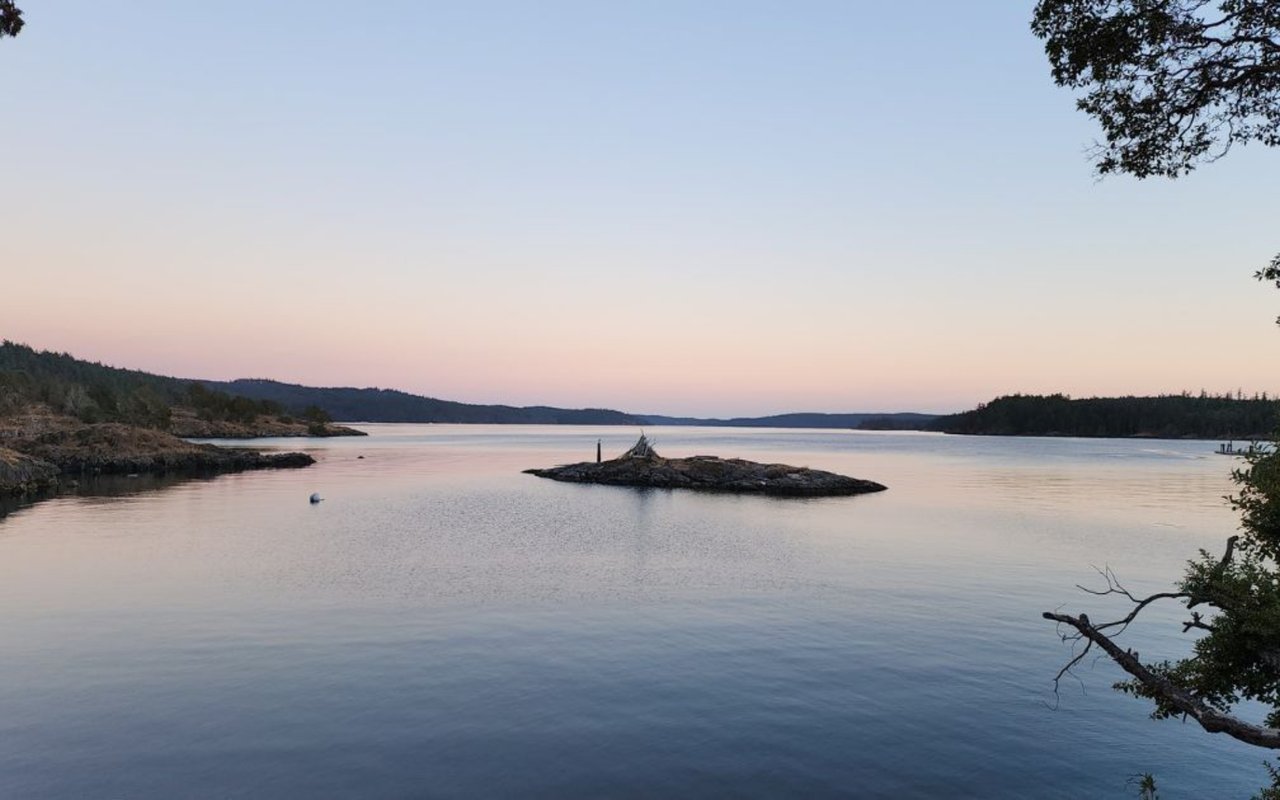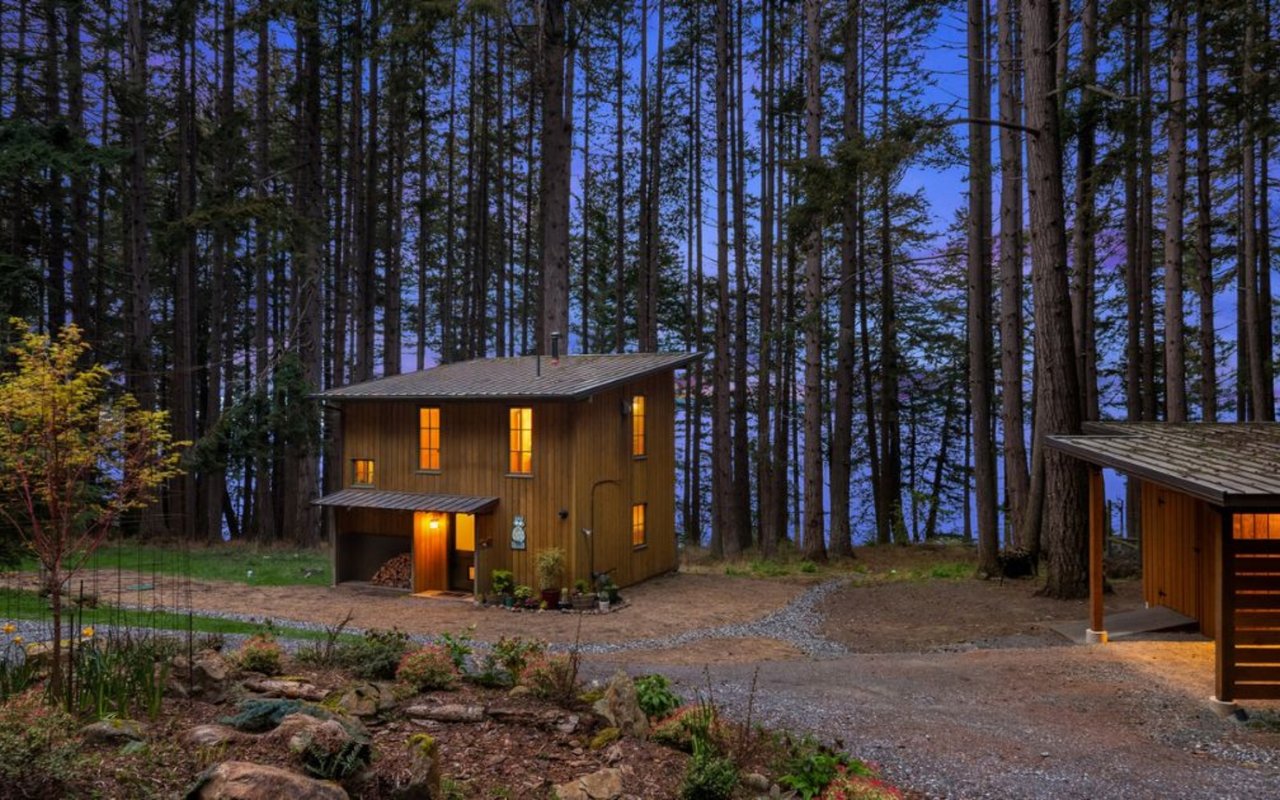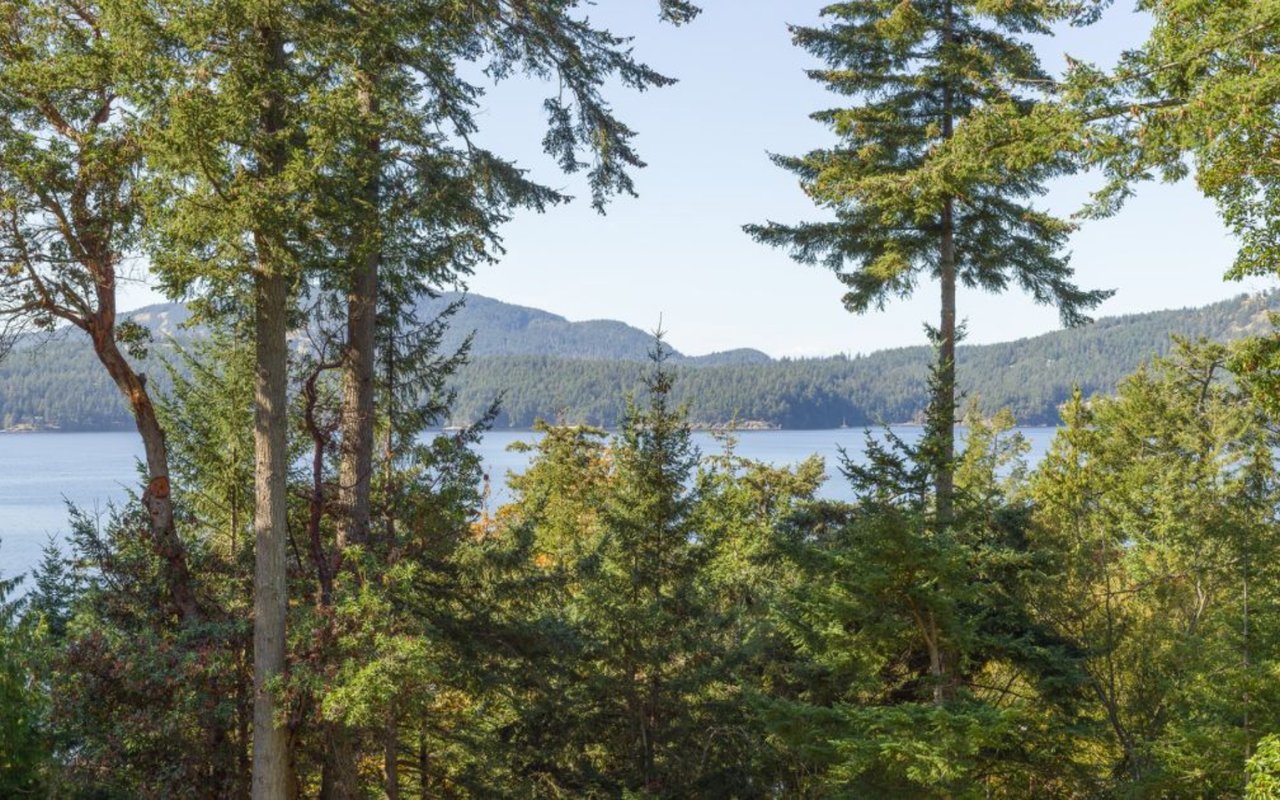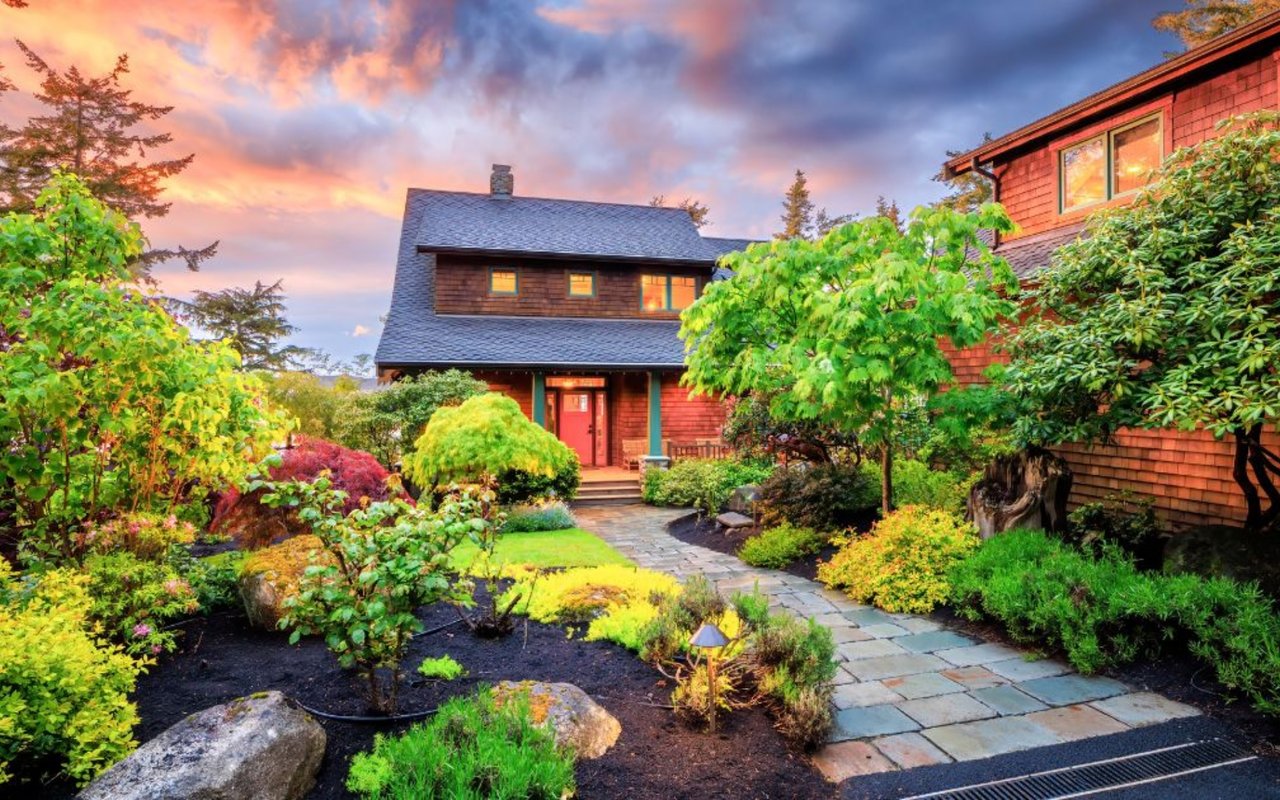
If you picture Orcas Island as one central village, the west side may surprise you. This part of the island feels more like a collection of quiet hamlets, scenic roads, and rural pockets than a single town center, which can be exactly what draws buyers here in the first place. If you are looking for privacy, views, waterfront access, or a slower daily rhythm, this guide will help you understand how the west side lives and what that means for real estate. Let’s dive in.
West Side Overview
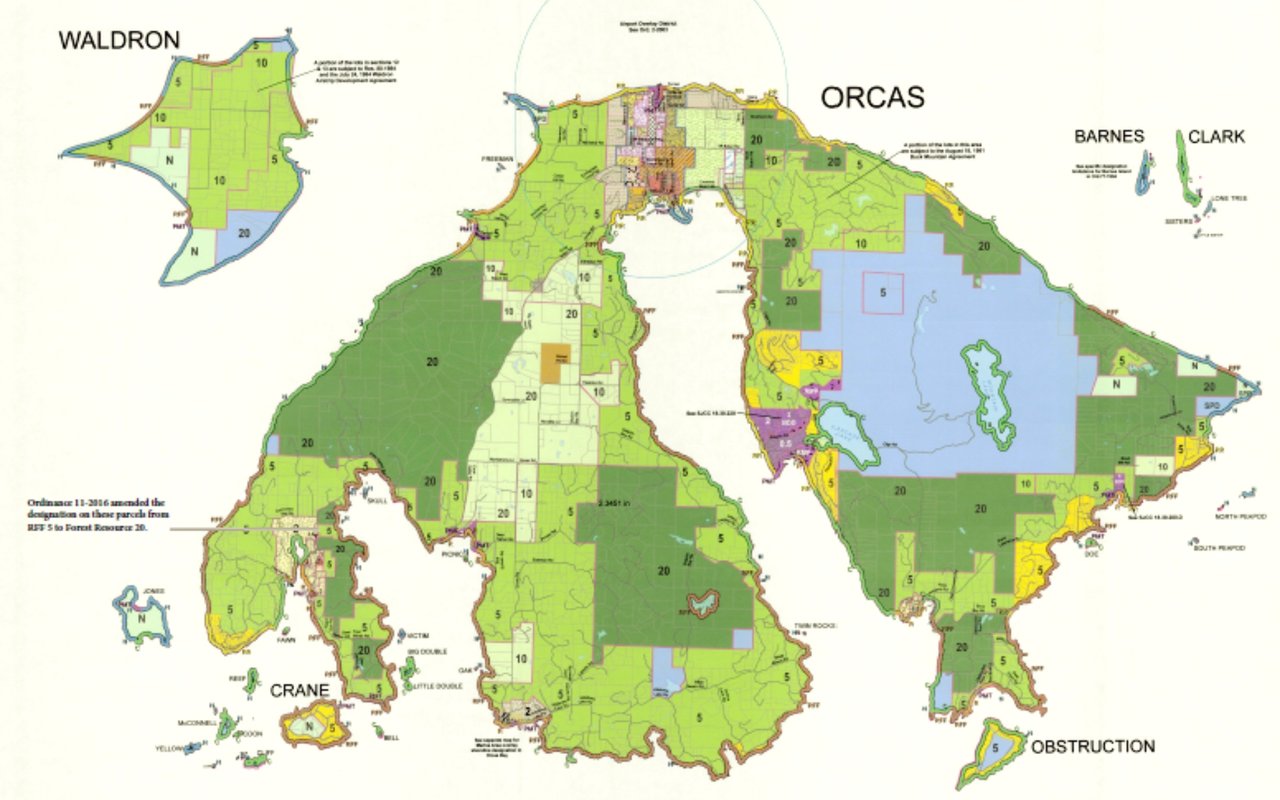
On Orcas Island, the west side is best understood as a group of smaller places rather than one dense hub. San Juan County identifies Deer Harbor, Westsound, Orcas, and Olga as hamlets, while Eastsound serves as the island’s commercial center. For you as a buyer or seller, that distinction matters because the west side tends to feel quieter and more spread out.
Orcas Island covers about 56.9 square miles and has a population of roughly 4,900. Within that small footprint, the west side stands out for its lower-intensity pattern of settlement and its strong connection to open space, shoreline, and rural roads. That combination shapes both daily life and property decisions.
West Side Lifestyle
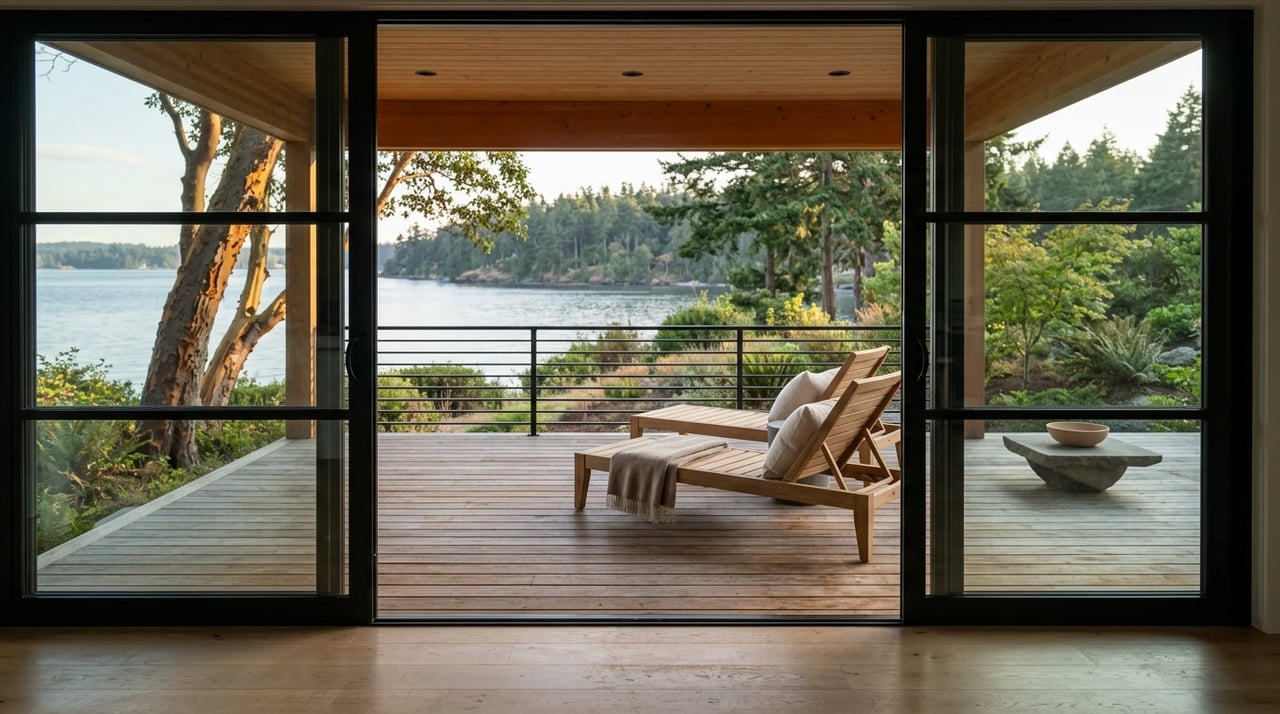
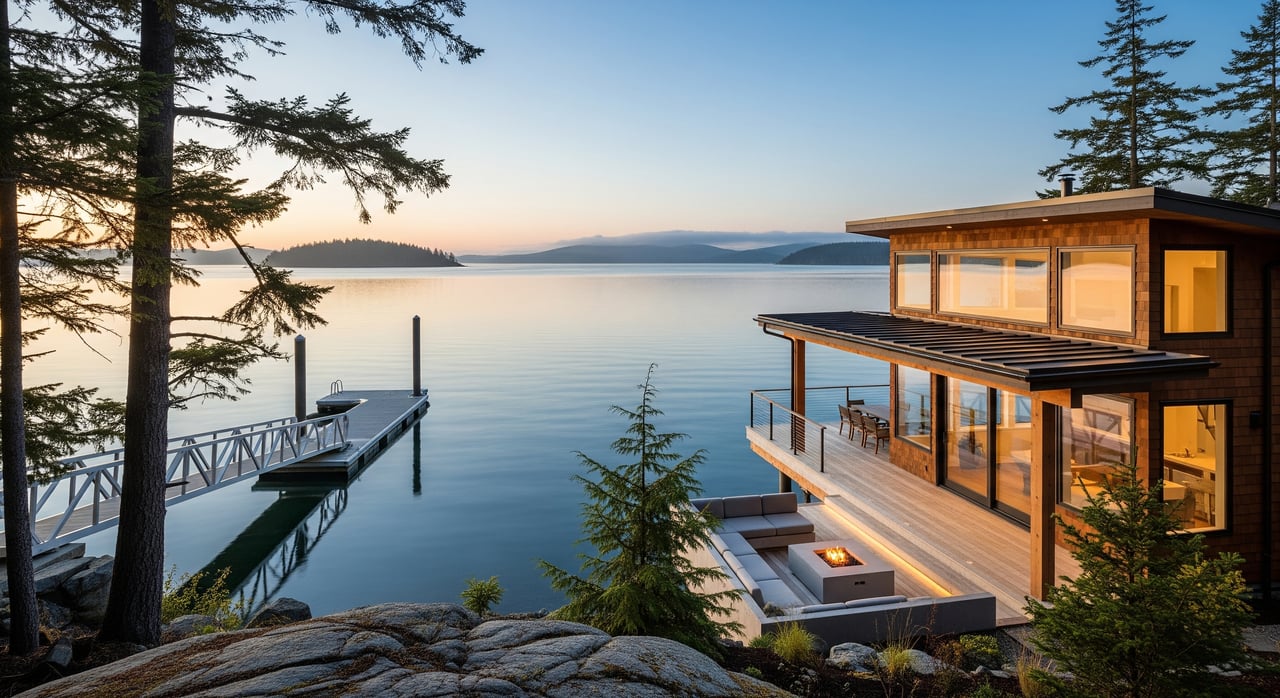
The west side lifestyle is closely tied to scenery and elbow room. Instead of a concentrated retail core, you will find small residential pockets, shoreline access points, and open landscapes that make the area feel removed from busier parts of the island. Many buyers are drawn to that sense of calm.
For some, the biggest appeal is simply the drive. Roads through West Sound and toward Deer Harbor are part of the experience, with changing water views, wooded stretches, and a pace that feels distinctly island-centered. If you want a home base that feels scenic from the moment you leave the ferry route, the west side often delivers.
Outdoor Access and Scenic Landmarks
The west side has some of Orcas Island’s most notable open-space amenities. Turtleback Mountain Preserve is one of the county’s largest undeveloped areas at 1,718 acres, with more than 8 miles of primitive trails. The preserve is known for high meadows, rocky ledges, and wide views of the San Juan and Canadian Gulf Islands.
Turtleback has two main access points that reinforce the west side’s geography. The south trailhead is reached through West Sound on Deer Harbor Road, and the north trailhead is reached via Crow Valley Road. For many homeowners, being near these routes adds to the sense of living close to some of the island’s most memorable landscapes.
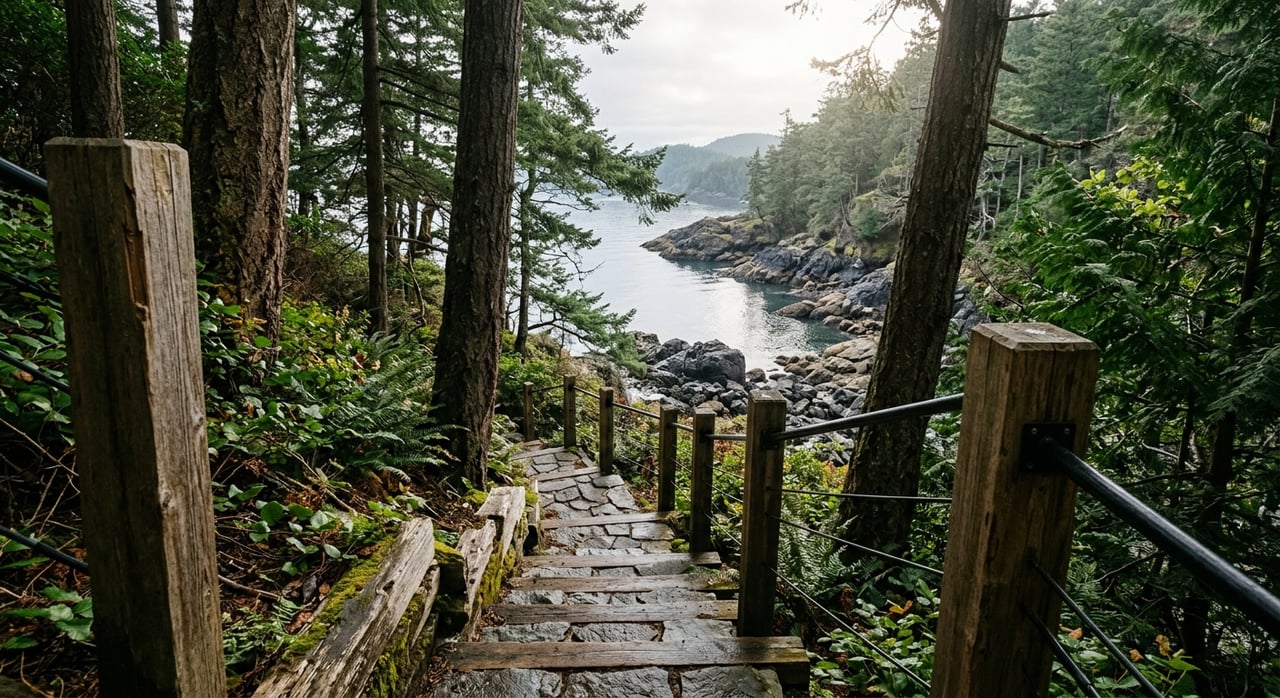
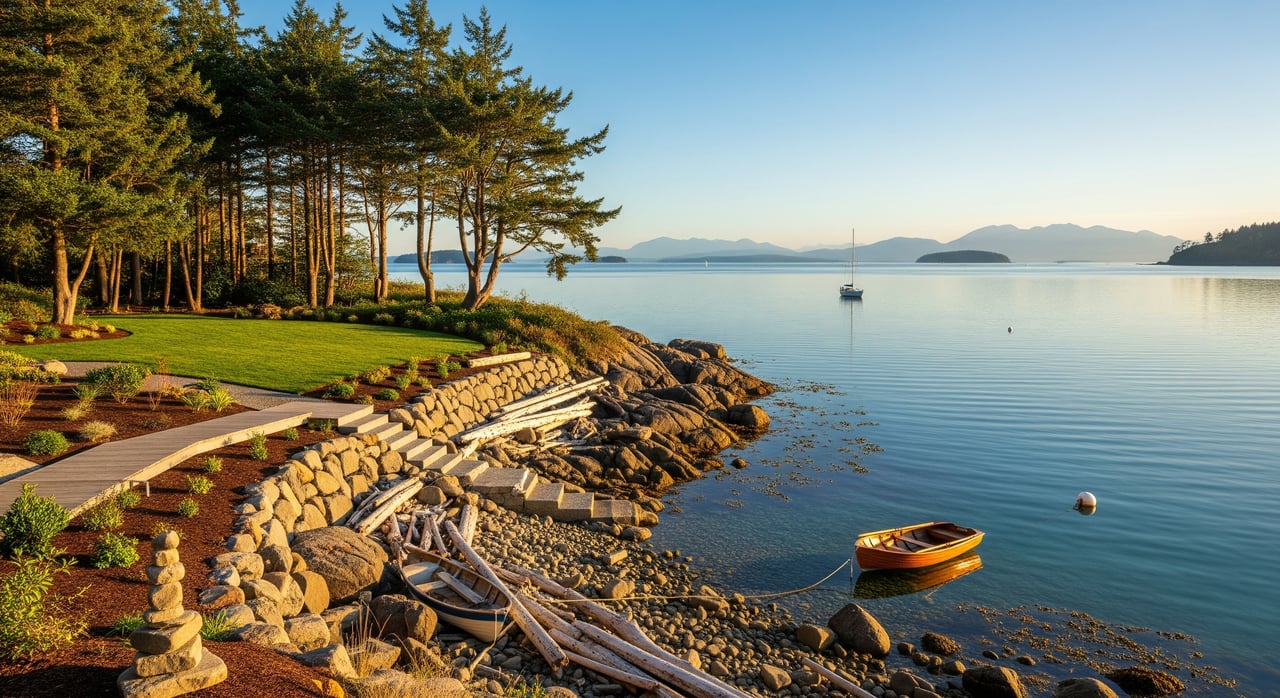
Deer Harbor Waterfront Preserve is another key west-side destination. It protects 650 feet of marine shoreline and includes shoreline access, short trails, picnic space, and views across Deer Harbor toward the Wasp Islands. In practical terms, Deer Harbor works as both a residential area and a gateway to time outdoors.
Marine Access on the West Side
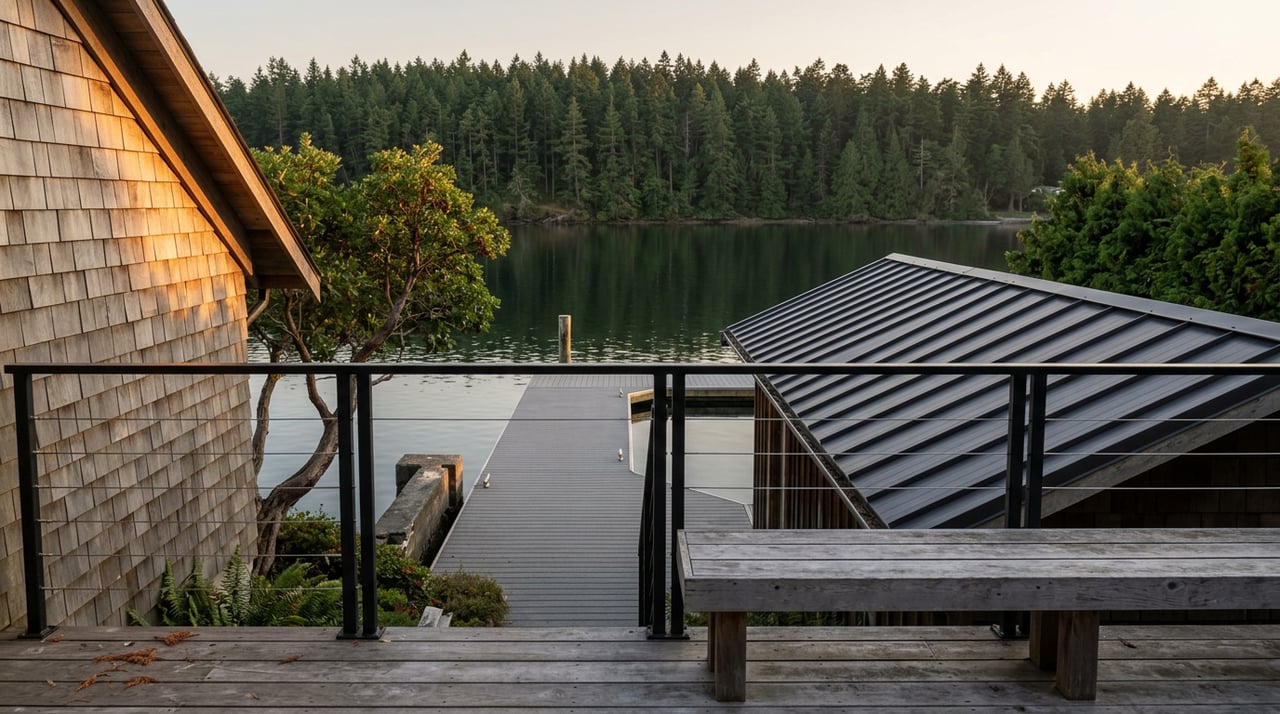
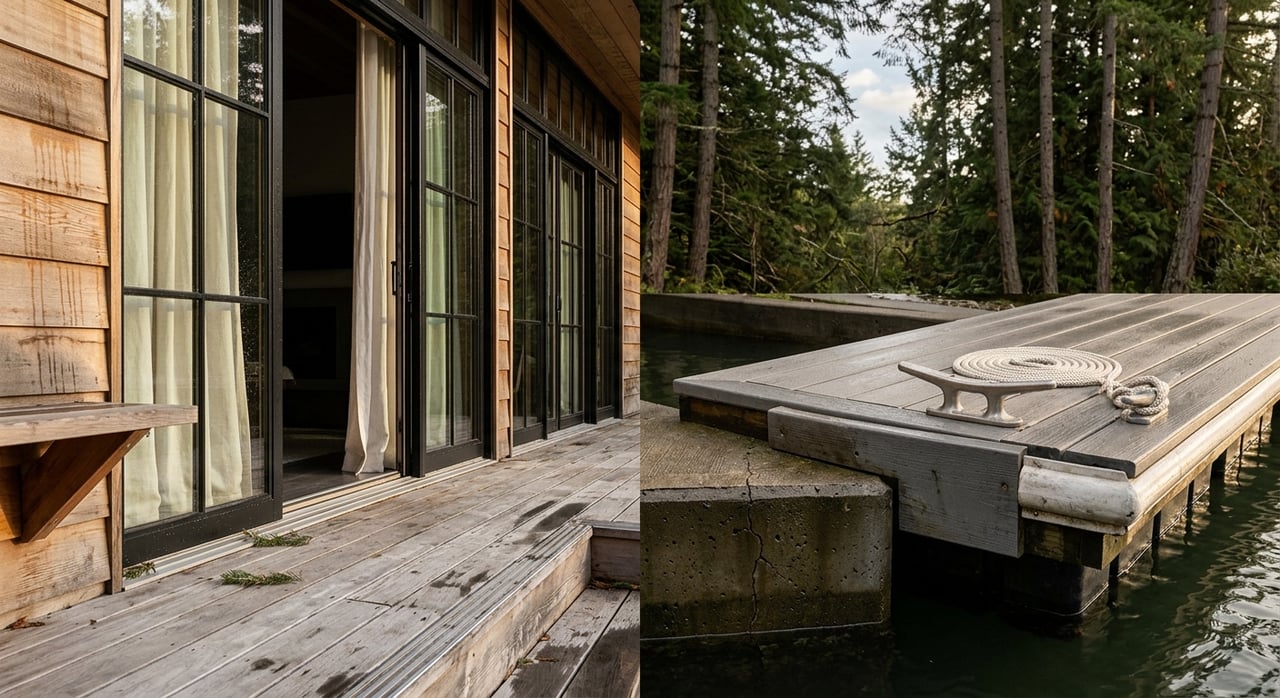
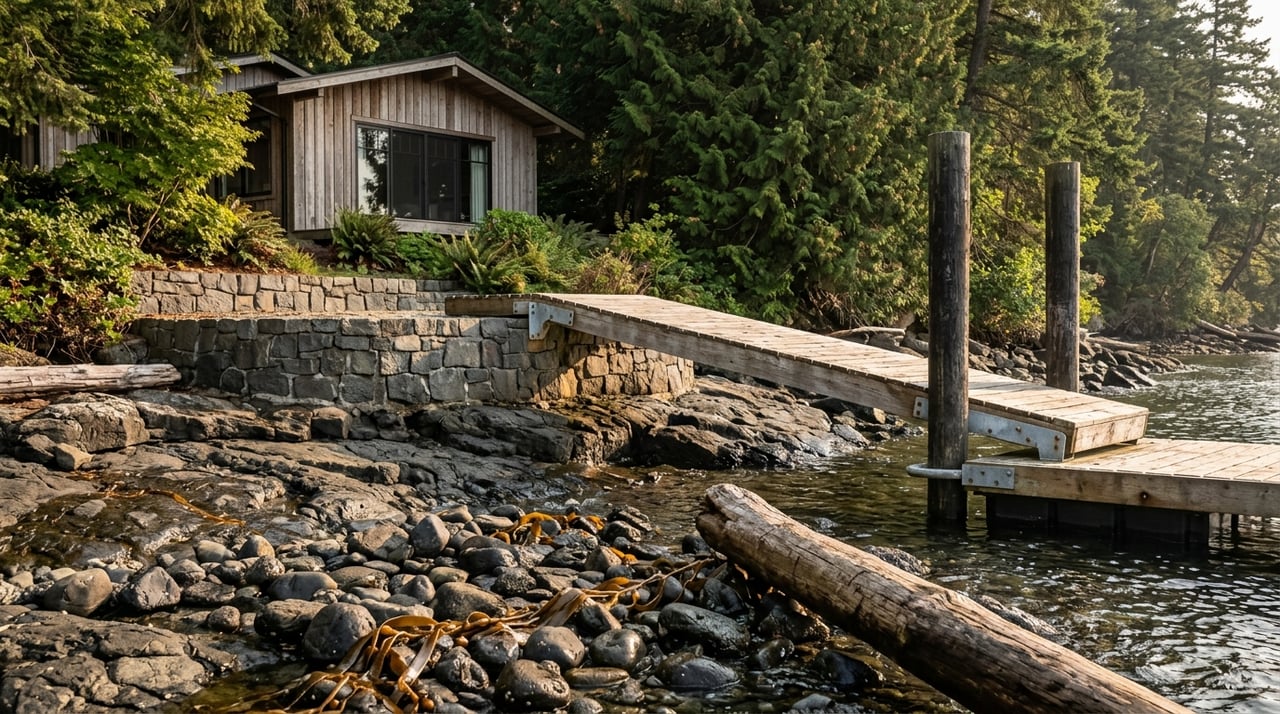
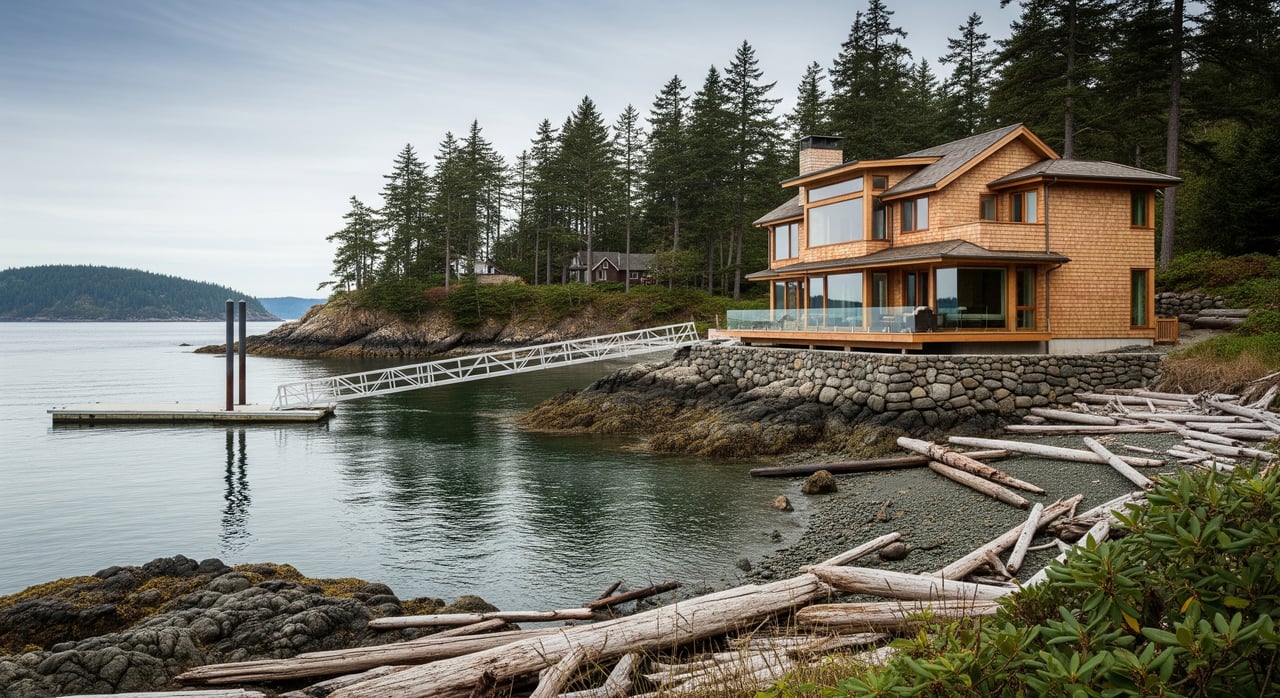
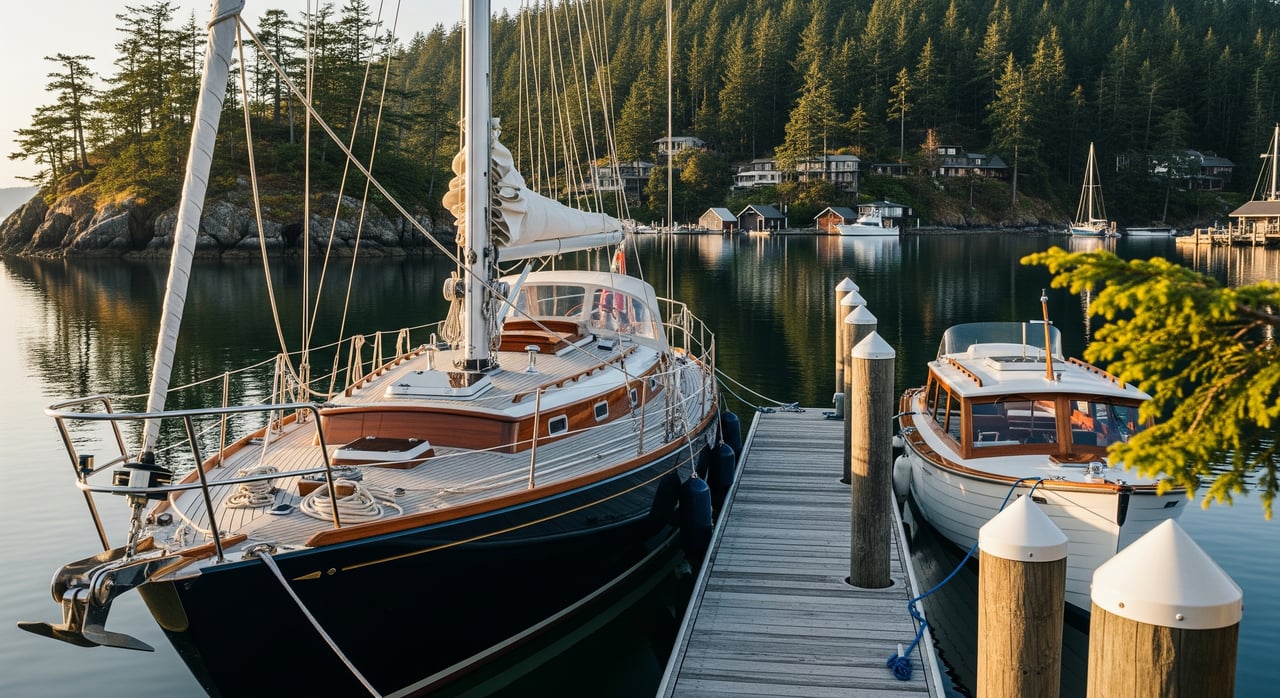
Public shoreline access is limited on Orcas Island, which makes west-side access points especially meaningful. County shoreline records identify Deer Harbor Public Float and Westsound Dock as essential public facilities. Westsound Dock includes pedestrian access by stairs, and Deer Harbor Public Float includes county-leased space.
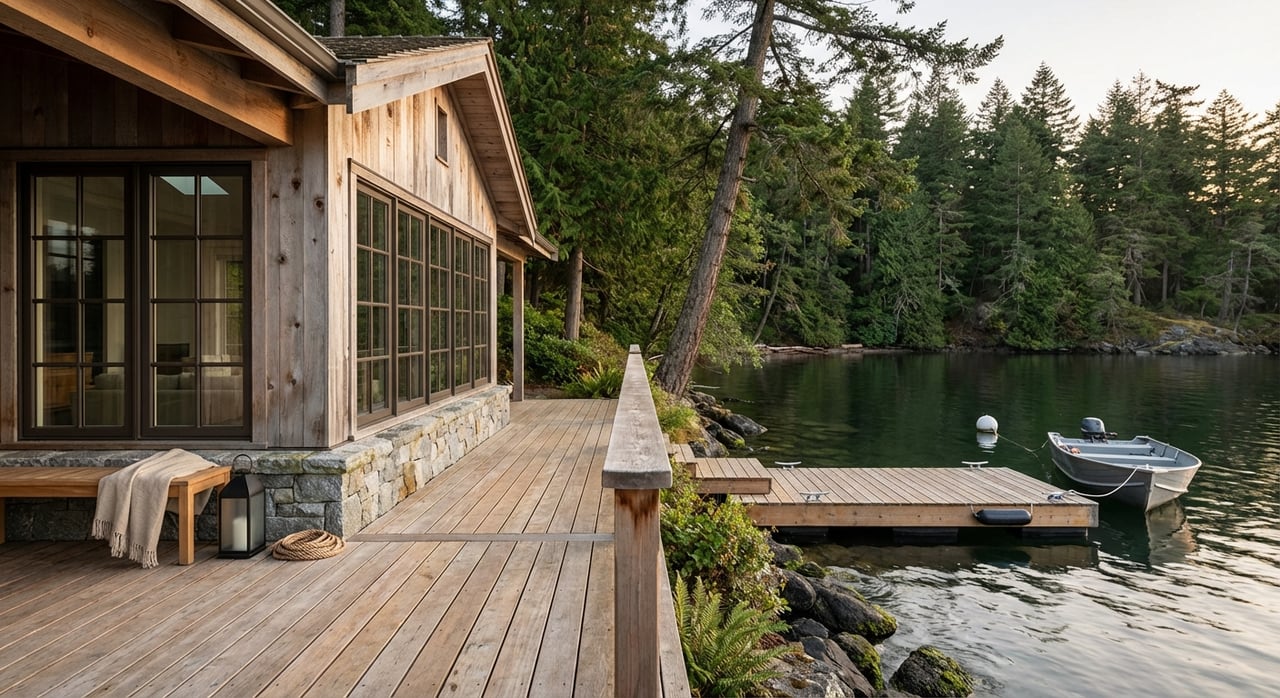
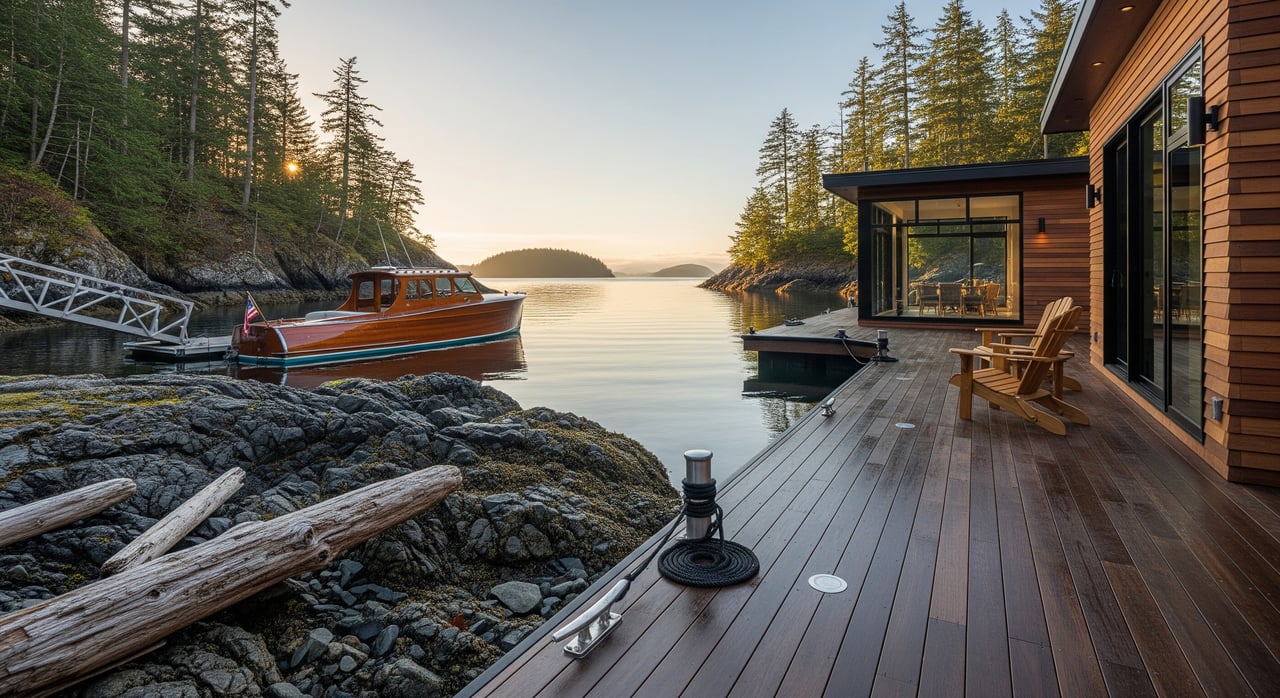
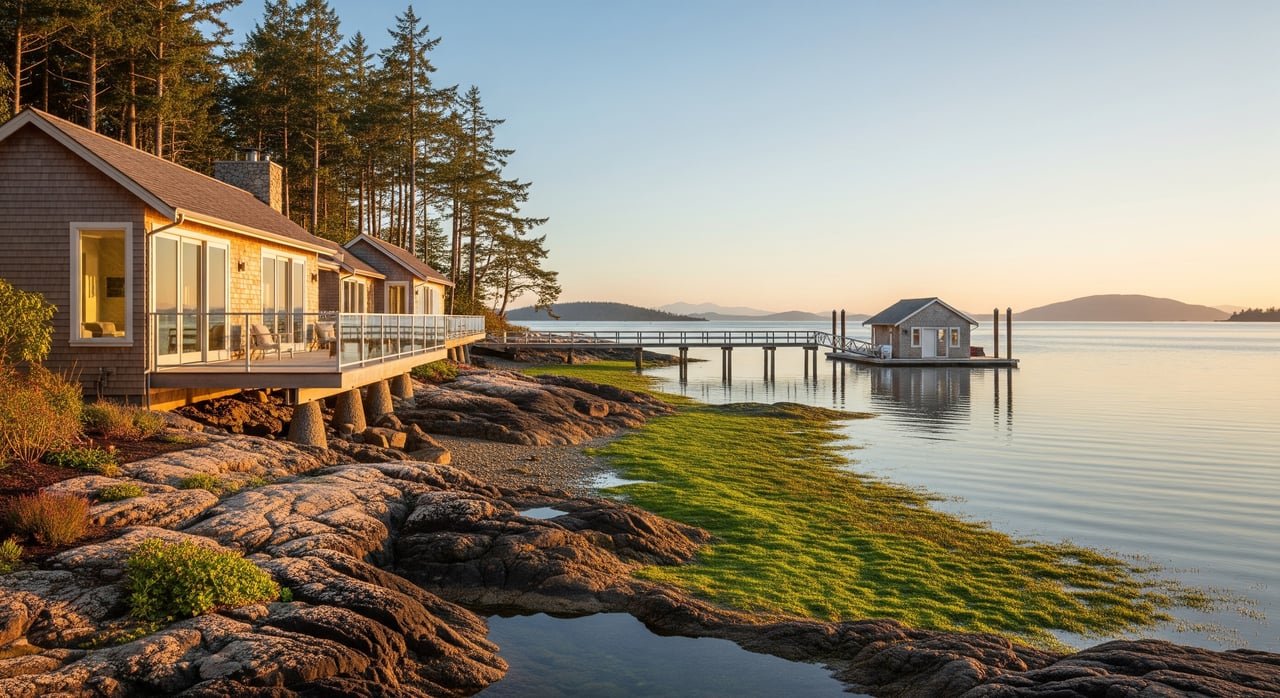
This is important if you are comparing west-side property types. The area offers meaningful water-oriented living, but not the kind of large public marina setup you may expect in a bigger coastal market. Access can be more modest, and that often adds value to properties with their own water-related features, subject to local rules.
Ferry Access and Island Logistics
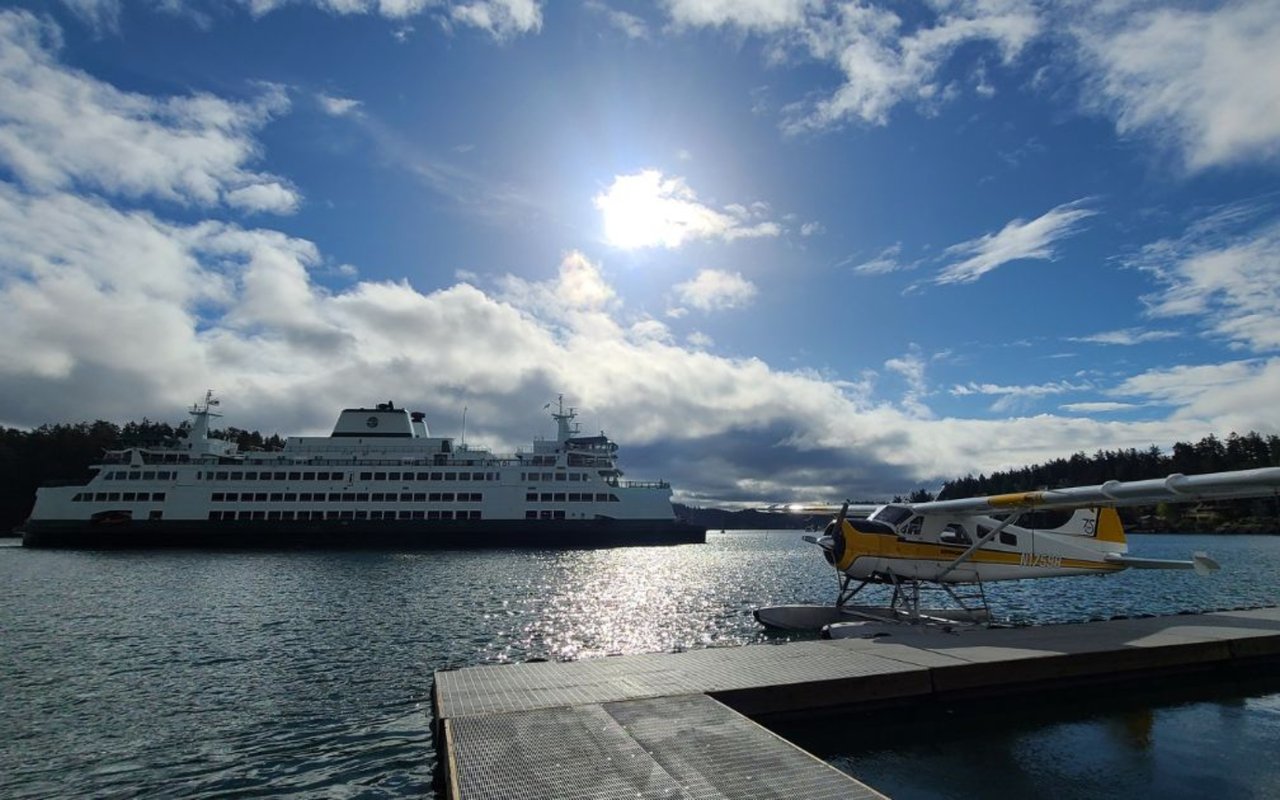
Even when you are focused on views and privacy, ferry access is still part of the conversation. Washington State Ferries serves Orcas Island on the Anacortes/San Juan Islands route, and vehicle reservations are available and recommended. A ticket does not guarantee a vehicle spot, so planning ahead matters.
For full-time residents, second-home owners, and weekend users, this affects how you think about timing and routine. The west side can feel wonderfully removed, but your day-to-day experience still starts with island access. Buyers who understand that balance tend to make more confident decisions.
What West Side Real Estate Feels Like
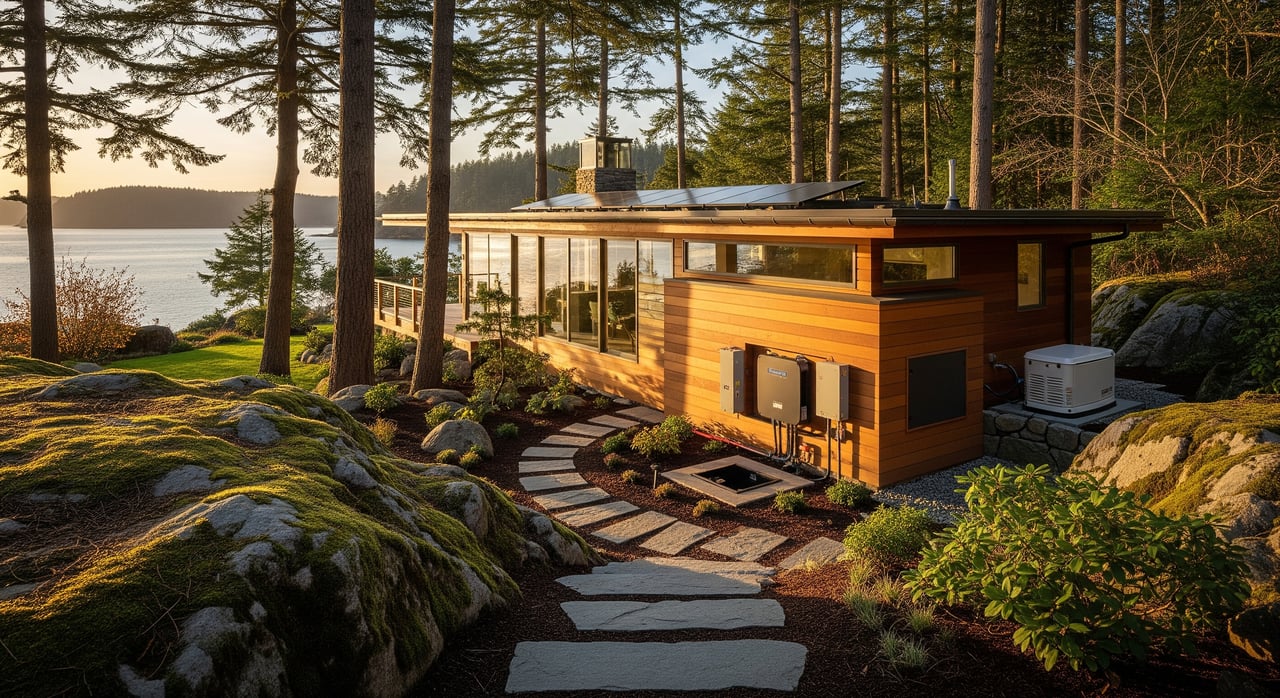
From a real estate perspective, the west side is often about tradeoffs in the best sense of the word. You may gain privacy, broader views, and close proximity to preserves or shoreline, while also taking on a little more due diligence around utilities, access, and development potential. For many buyers, that is part of the appeal rather than a drawback.
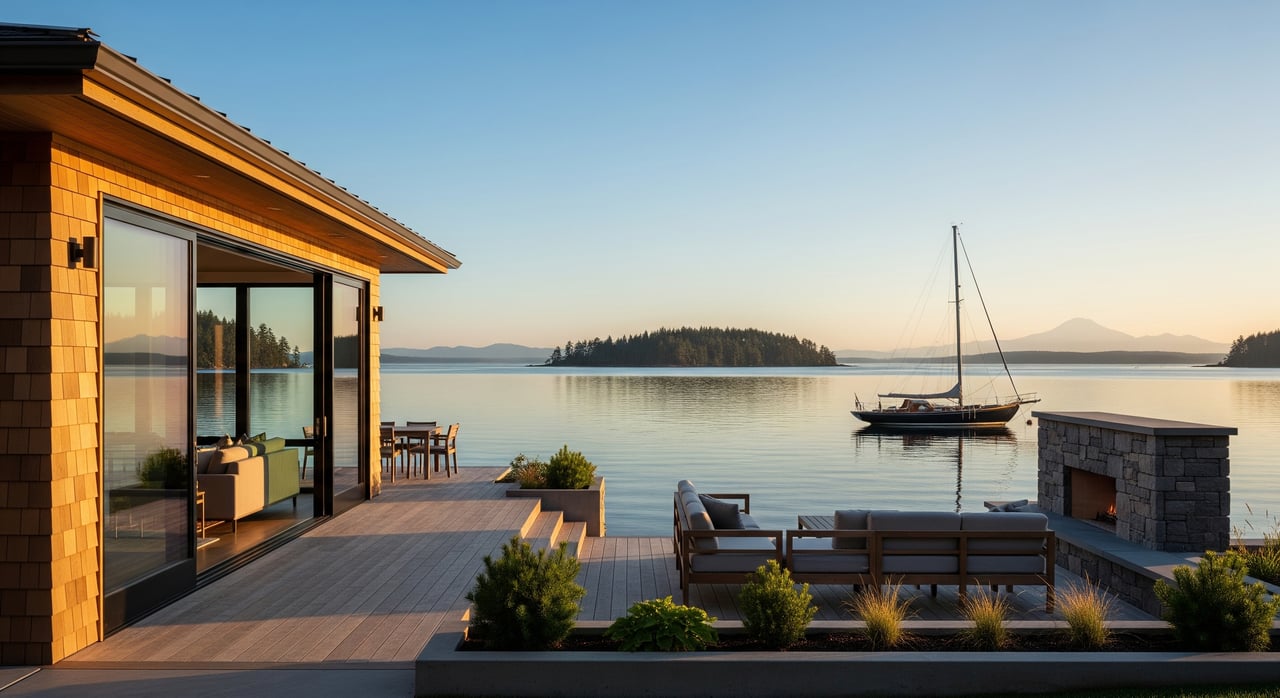
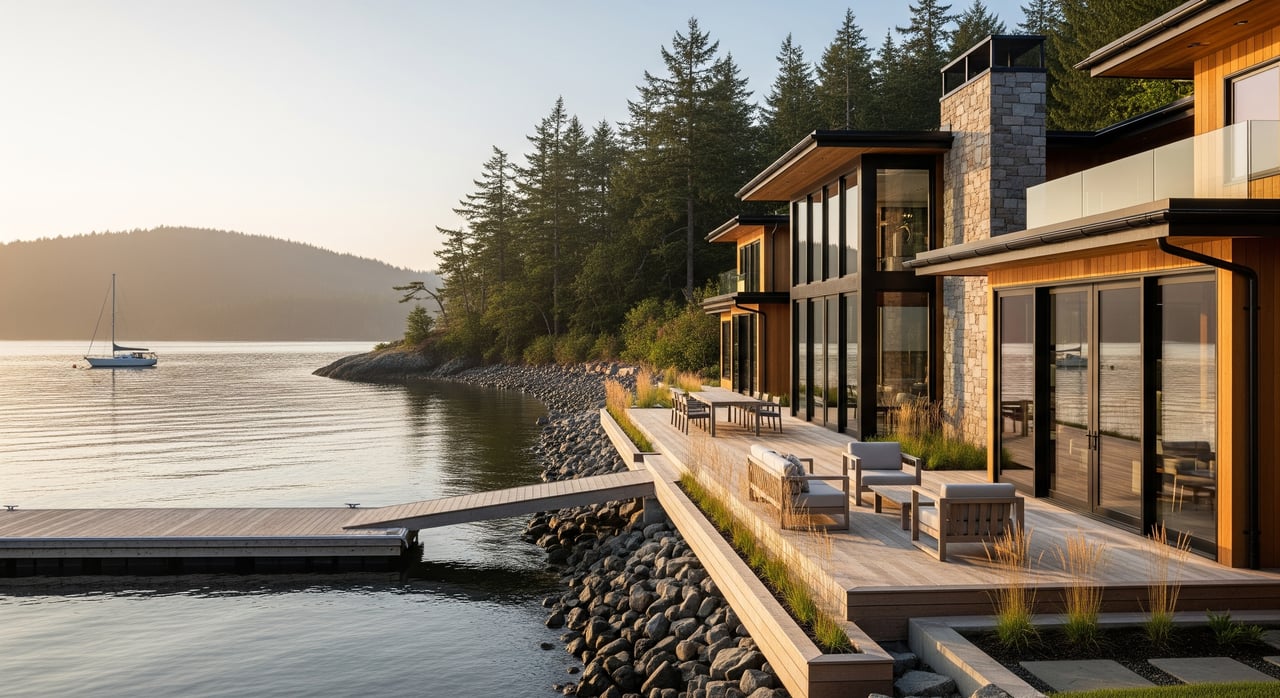
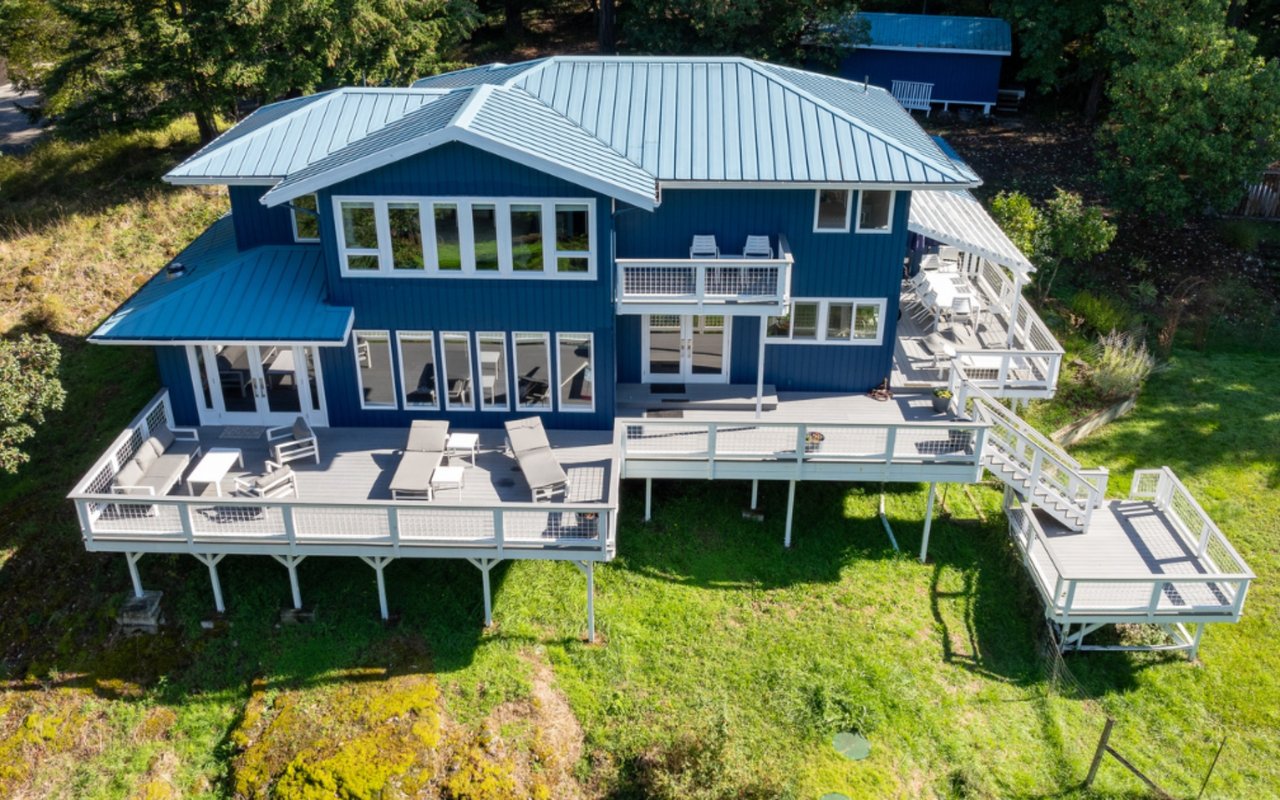
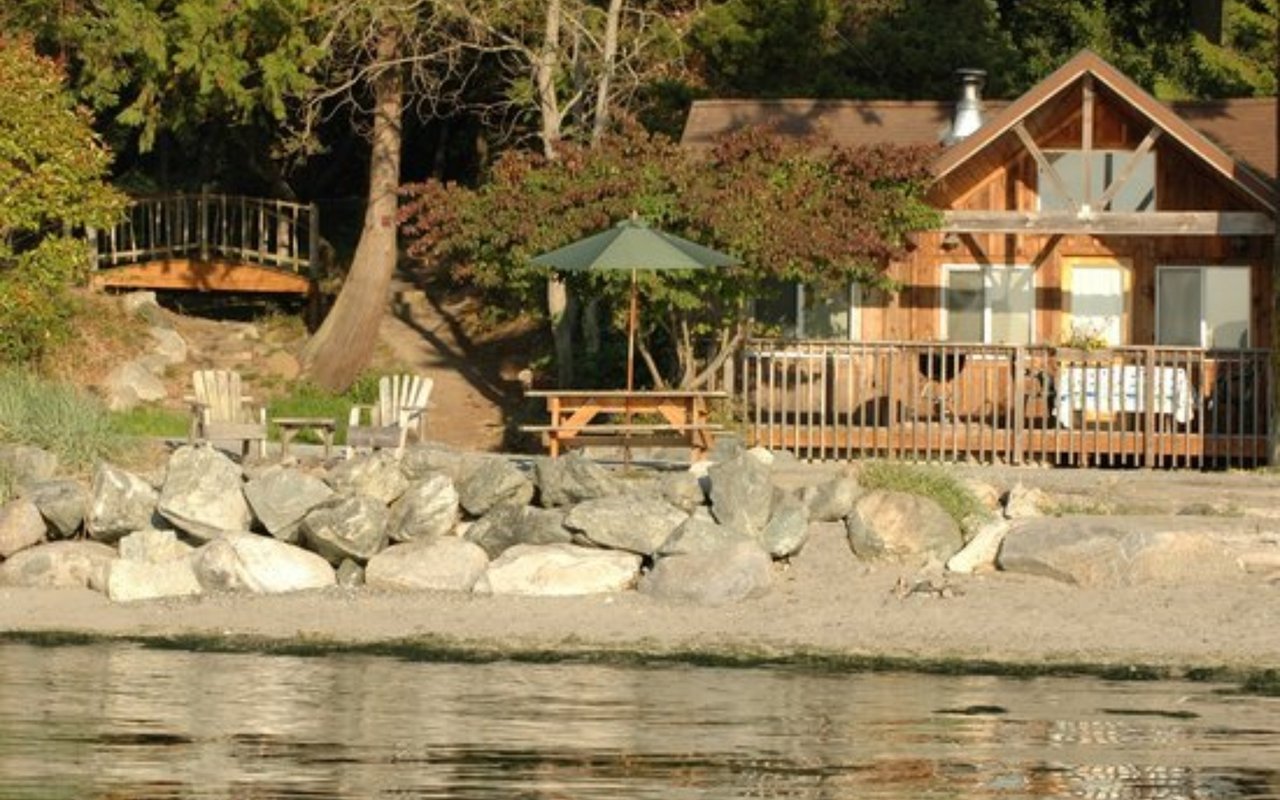
The area can be especially compelling if you are searching for waterfront homes, view properties, acreage, or a second home with a true retreat feel. Sellers also benefit from understanding how strongly lifestyle drives value here. A west-side property is not just about square footage. It is about setting, access, and the daily experience of being there.
Shoreline Rules Matter
If you are considering waterfront property on Orcas Island’s west side, shoreline regulation should be one of your first checkpoints. San Juan County states that shoreline rules apply landward 200 feet from the ordinary high water mark and also apply in aquatic areas. That means homes near the water may involve a different review framework than inland properties.
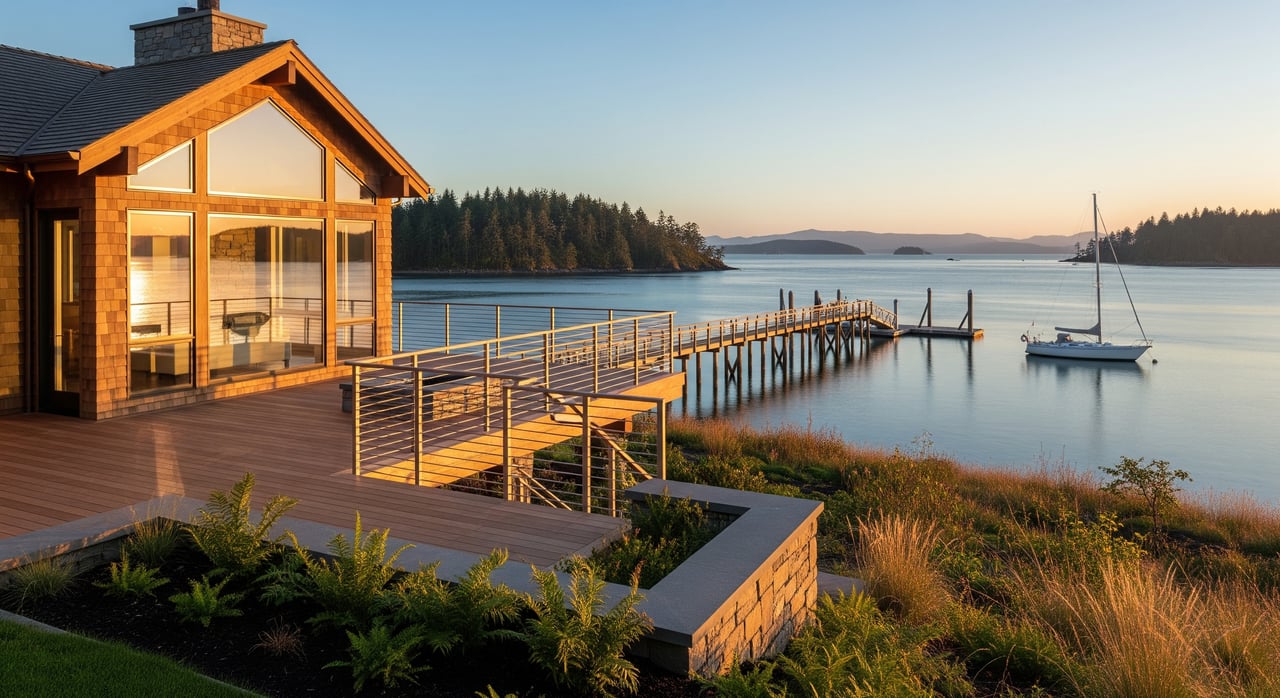
The county also notes that most single-family residential construction is shoreline-permit exempt, but building permits still apply. Projects involving docks, boat ramps, mooring buoys, marine railways, and some stair improvements are separately regulated. Shoreline tree removal is also governed by shoreline and critical-area rules.
In simple terms, you should not assume a waterfront parcel can be improved the way you want without review. If your wish list includes a dock, stairway, or modified water access, that potential needs to be evaluated property by property. The county’s Shoreline Master Program, last updated in 2021, guides that process locally.
Utilities Can Vary by Area
Utility service on the west side is not one-size-fits-all. San Juan County’s capital facilities appendix lists community water systems serving activity centers on Orcas Island, including West Sound Water Association for Westsound Hamlet and Resort at Deer Harbor for Deer Harbor. Other systems serve other parts of the island.
For you, the practical takeaway is simple. Water service and utility setup should always be verified at the parcel level. This matters whether you are buying a primary residence, a second home, or land for future plans.
What Buyers Should Look At First
If you are shopping on the west side, it helps to focus on a few property-specific questions early in the process. That can save time and help you compare homes more accurately.
- Confirm whether the parcel is affected by shoreline rules
- Ask about dock, stair, or shoreline improvement feasibility if water access matters to you
- Verify the property’s water source or community water service
- Consider how the home’s location fits your ferry routine and island travel patterns
- Evaluate whether you want a setting closer to a hamlet pocket or a more rural stretch
These details often shape livability just as much as the home itself. On the west side, the right fit usually comes from matching the property to the lifestyle you want.
What Sellers Should Highlight
If you are selling on Orcas Island’s west side, buyers are often responding first to setting and experience. View orientation, proximity to Deer Harbor or Westsound, access to preserves, and the sense of privacy can all help define market appeal. Strong presentation should make those features easy to understand.
At the same time, practical clarity builds trust. If a property has known utility information, shoreline context, or access details, presenting that information clearly can help serious buyers move forward with confidence. On the west side especially, good marketing works best when it combines emotion with specifics.
Why the West Side Appeals to So Many Buyers
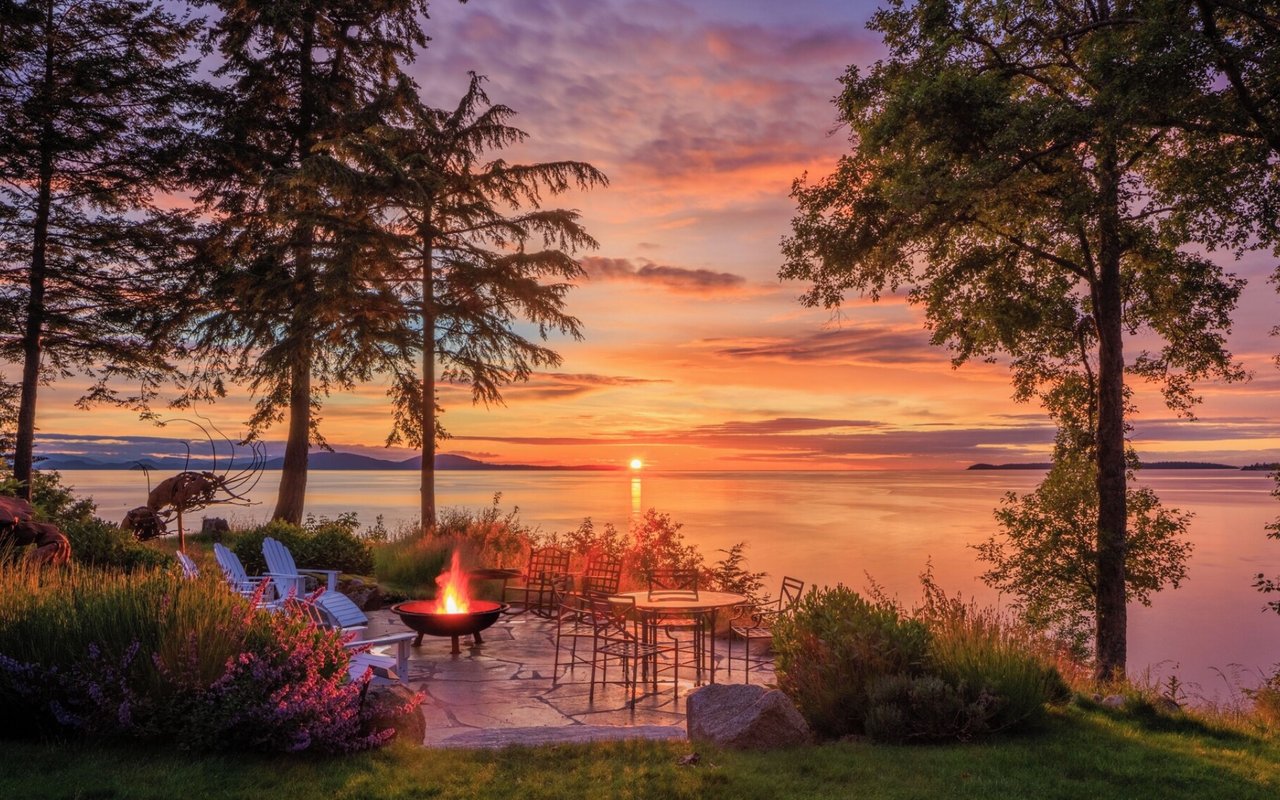
The west side offers a version of Orcas Island that feels especially rooted in landscape. You get quiet roads, open views, small settlement patterns, and easy access to preserves and shoreline. For buyers who want a property that feels like a retreat without losing touch with the rest of the island, that balance can be hard to beat.
It also appeals to people who understand that island real estate is about more than the house. Land use, water access, utility setup, and travel logistics all shape ownership here. When you understand those factors upfront, the west side becomes easier to evaluate and even easier to appreciate.
Whether you are searching for a waterfront home, a view property, or a quieter corner of Orcas Island, local guidance can make all the difference. If you want help comparing west-side neighborhoods, understanding shoreline considerations, or preparing a property for the market, contact the team at True North Realty / Orcas Island, LLC..
FAQs
What is the west side of Orcas Island like for daily living?
- The west side generally feels quieter and more spread out than Eastsound, with small hamlets, rural pockets, scenic drives, and close access to preserves and shoreline viewpoints.
What outdoor features define Orcas Island’s west side?
- Key west-side outdoor destinations include Turtleback Mountain Preserve, with more than 8 miles of primitive trails, and Deer Harbor Waterfront Preserve, which offers shoreline access, short trails, and picnic space.
What should waterfront buyers check on Orcas Island’s west side?
- Waterfront buyers should review shoreline rules, ask about dock or stair feasibility, confirm critical-area considerations, and verify the parcel’s water source or utility setup.
Are there public docks or marinas on Orcas Island’s west side?
- The west side has modest public marine access points, including Deer Harbor Public Float and Westsound Dock, rather than large public marina facilities.
How do ferry logistics affect west-side Orcas Island real estate?
- Washington State Ferries serves Orcas Island on the Anacortes/San Juan Islands route, and vehicle reservations are recommended, so ferry timing is an important part of ownership and travel planning.
Why do buyers choose the west side of Orcas Island?
- Many buyers choose the west side for its privacy, views, open-space access, and more rural feel, while accepting that due diligence around shoreline rules, utilities, and access is especially important.