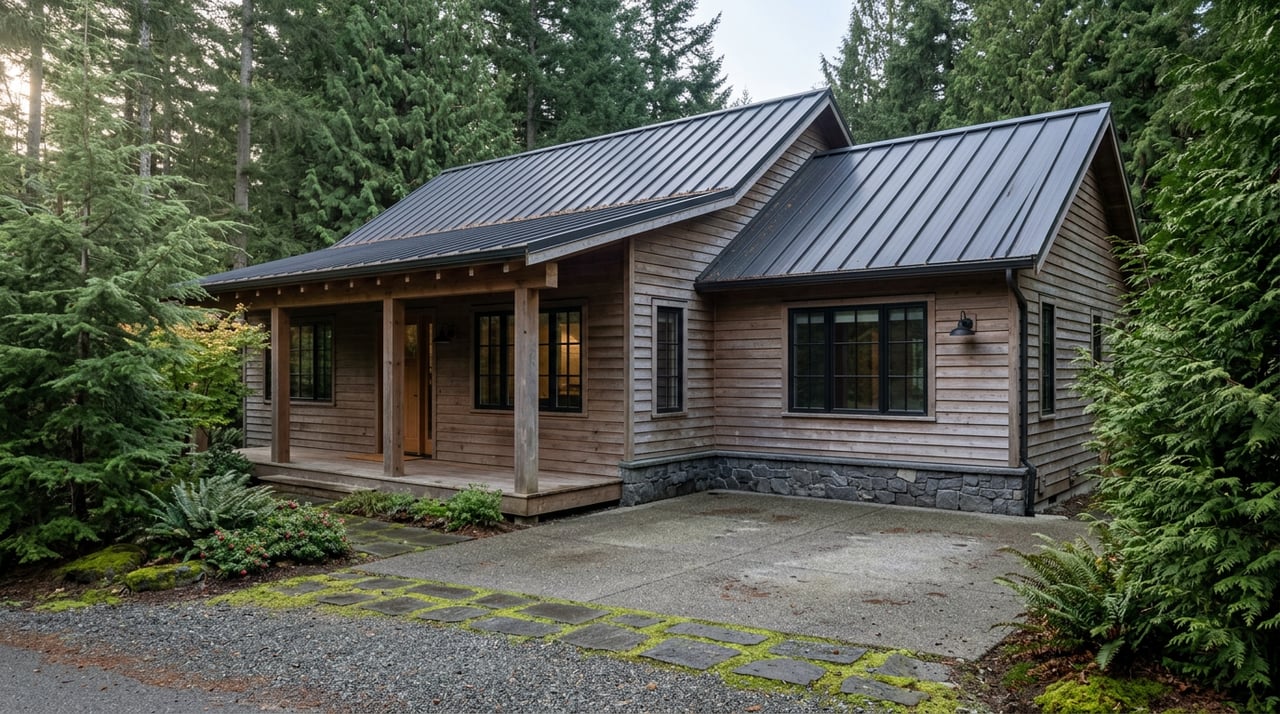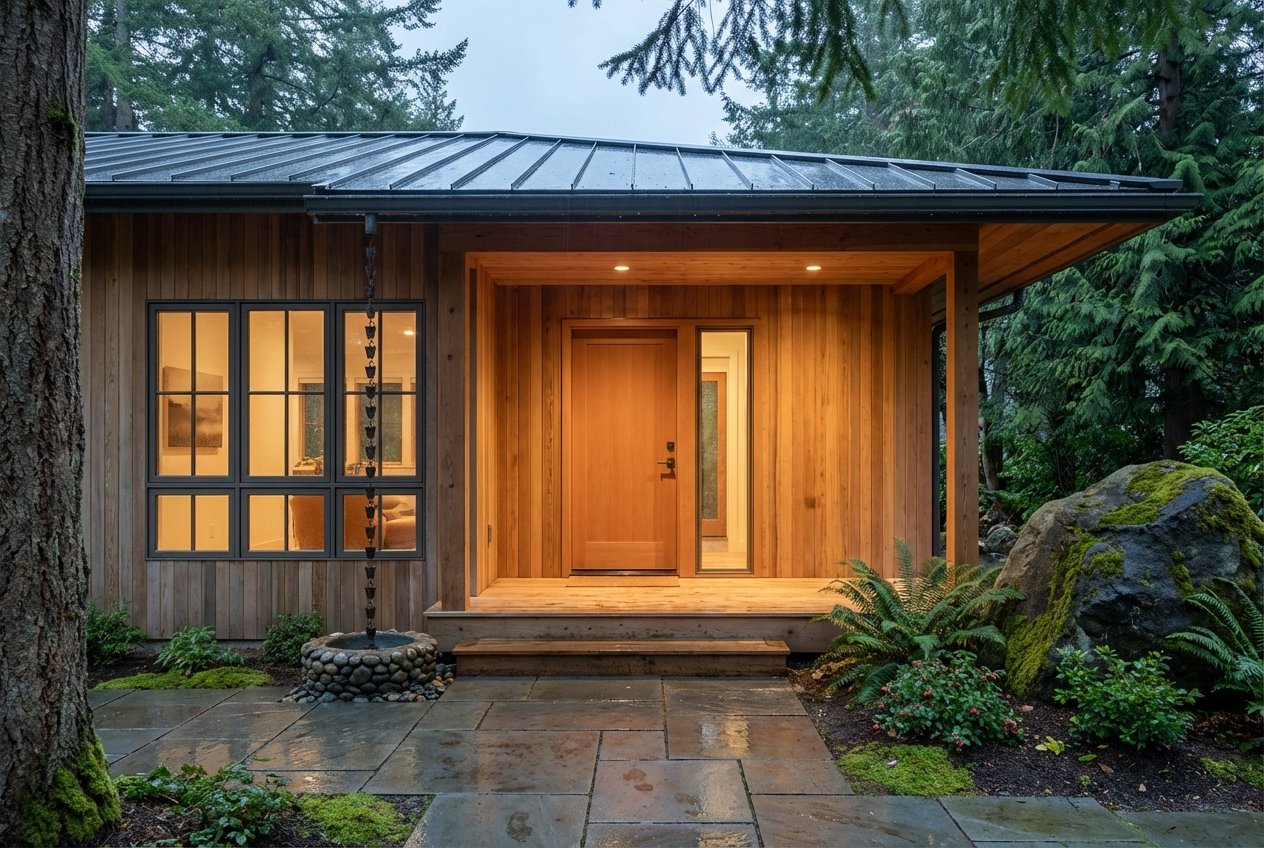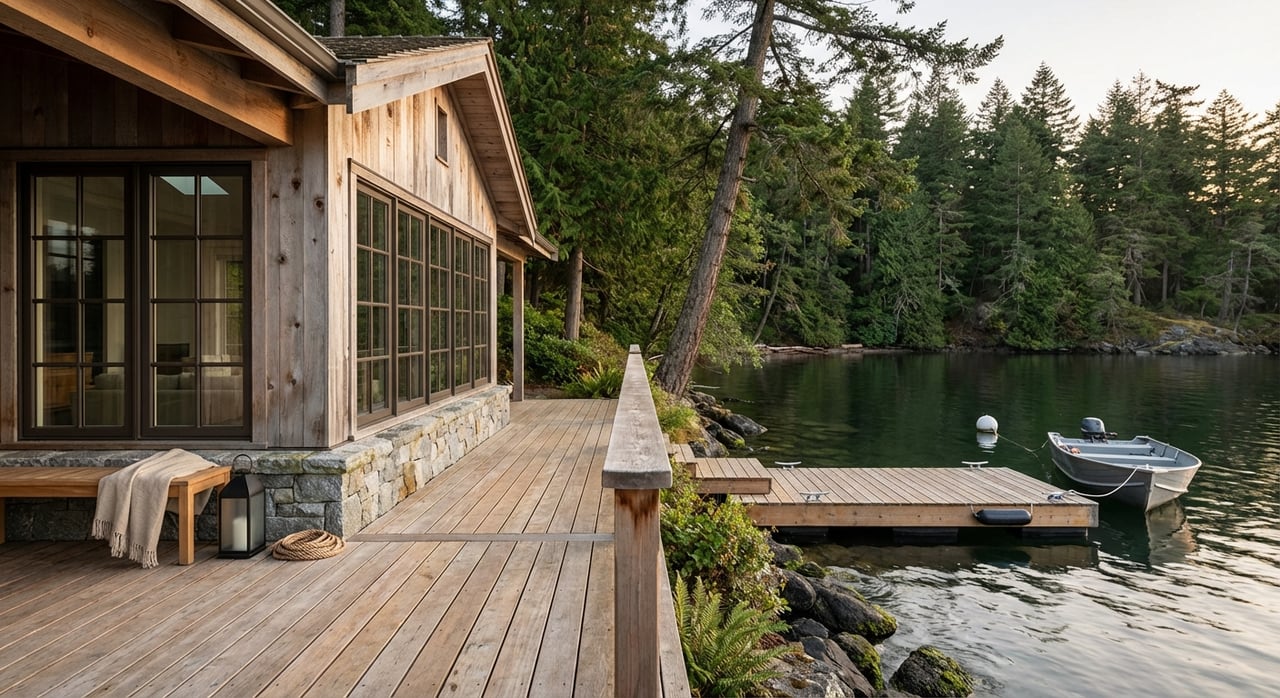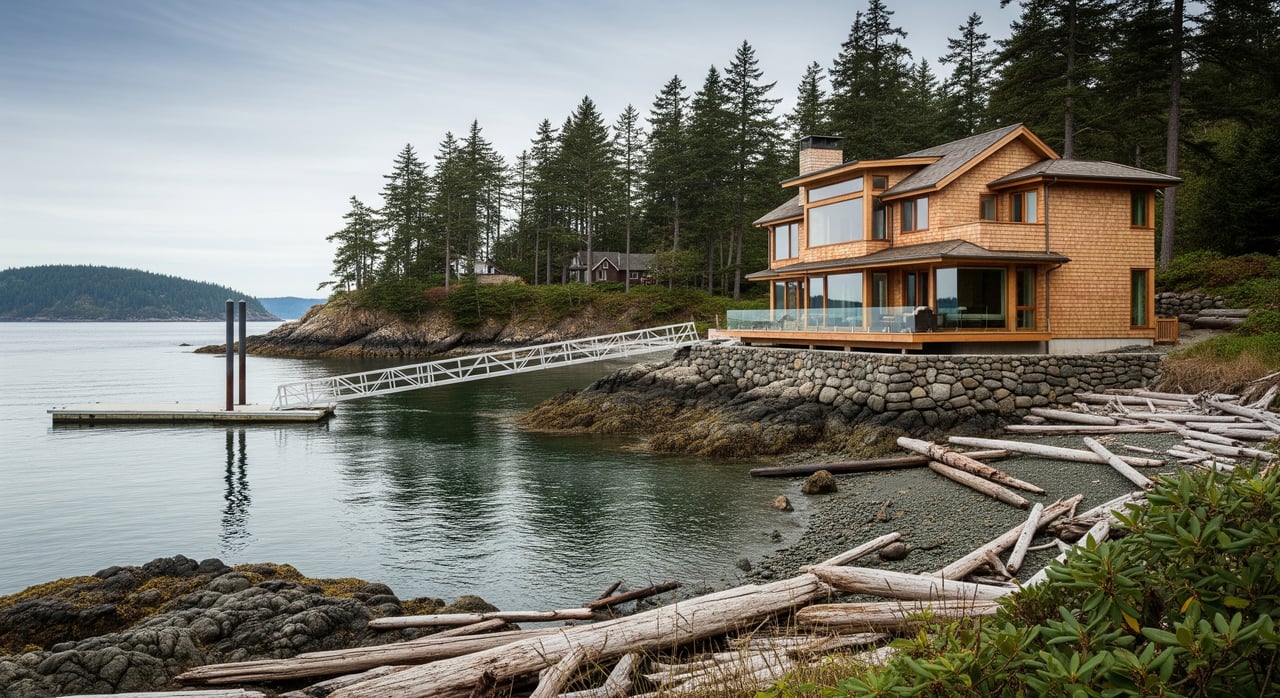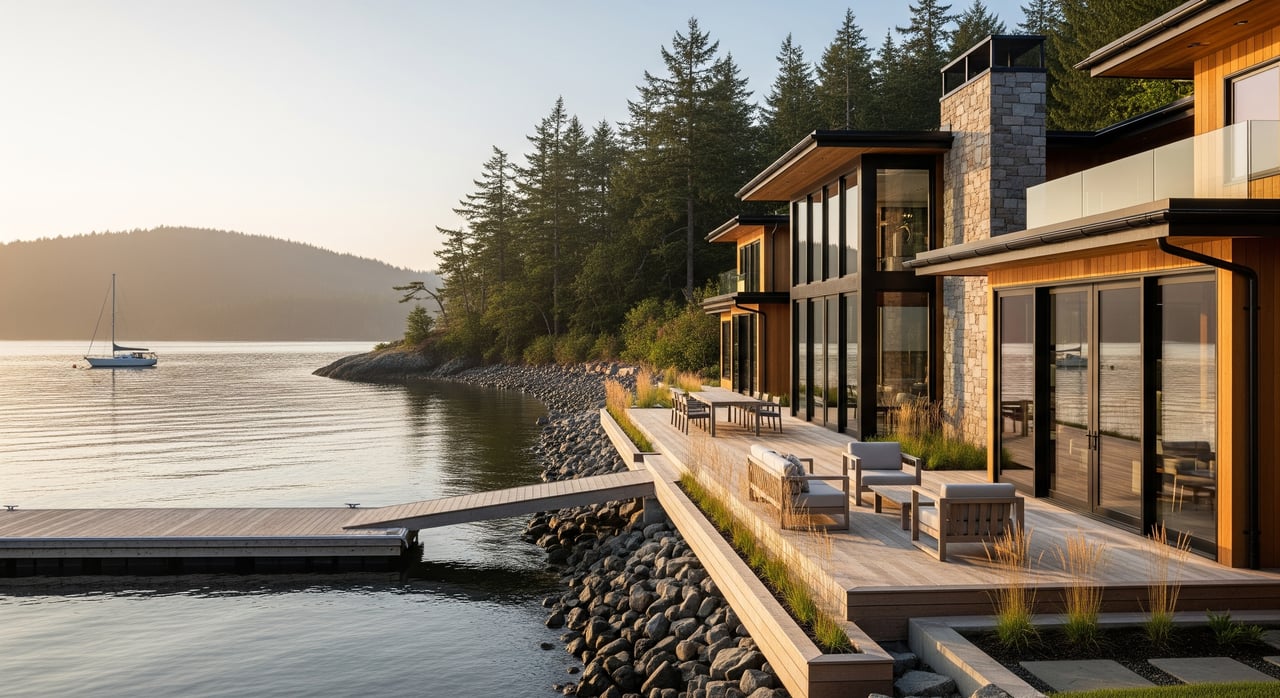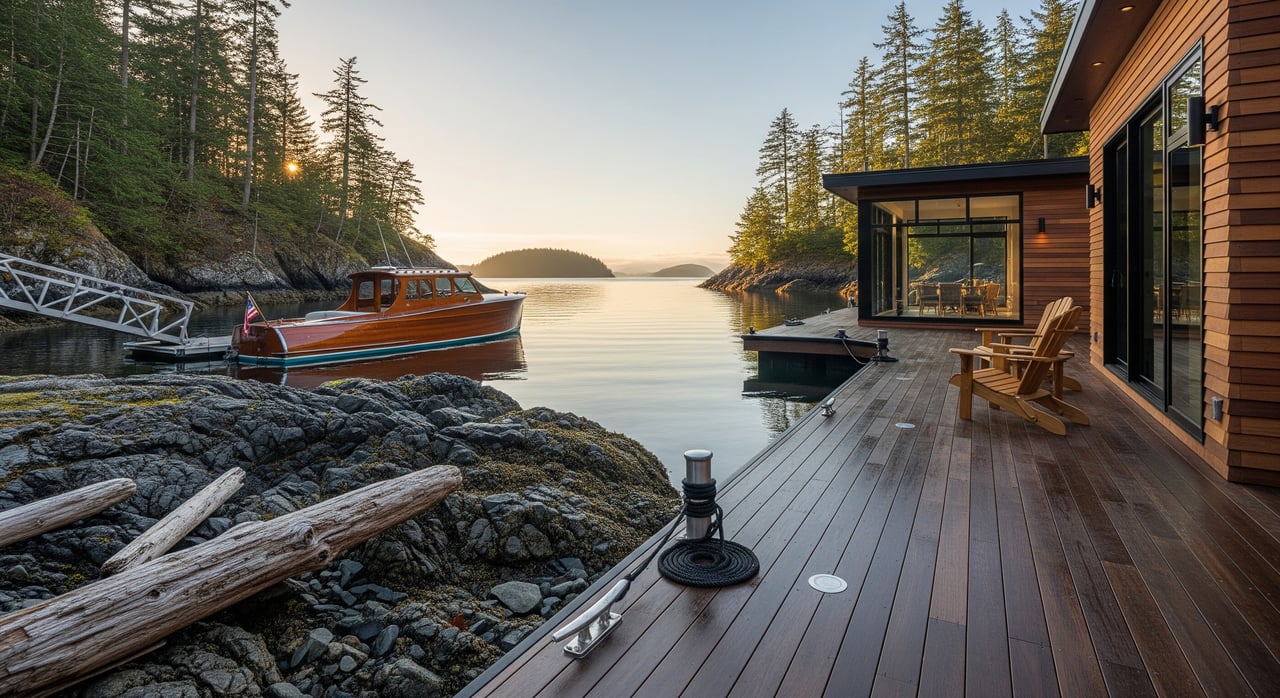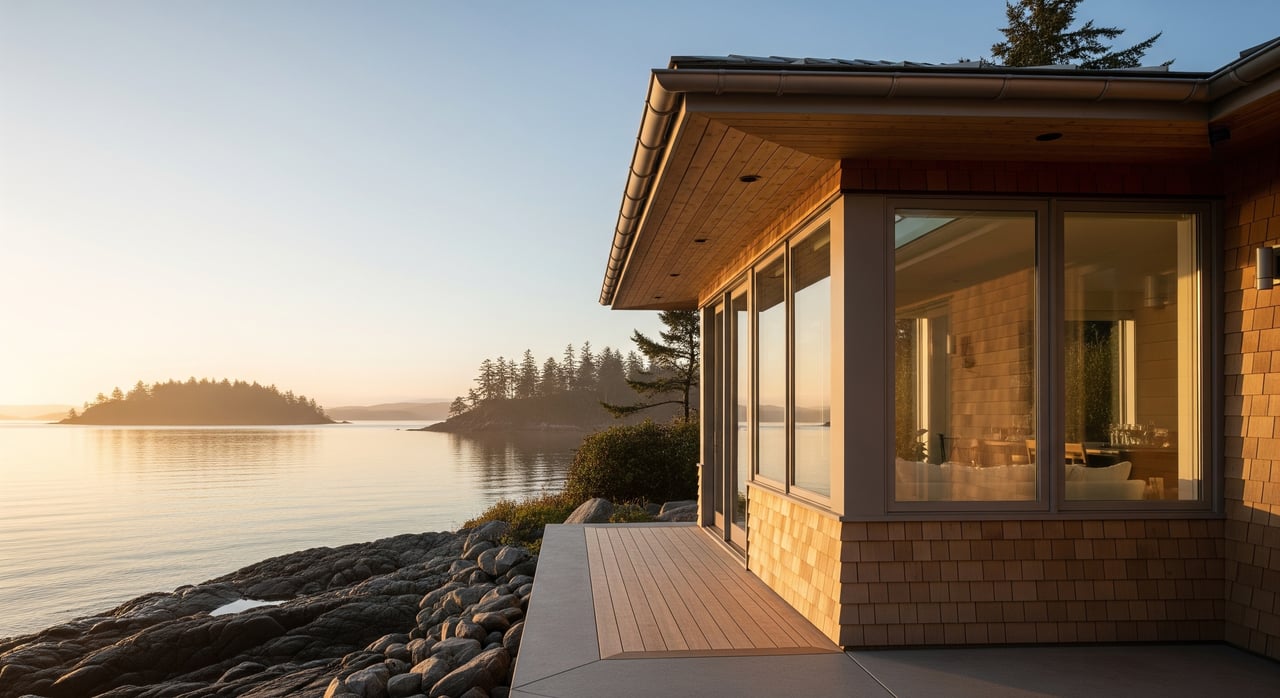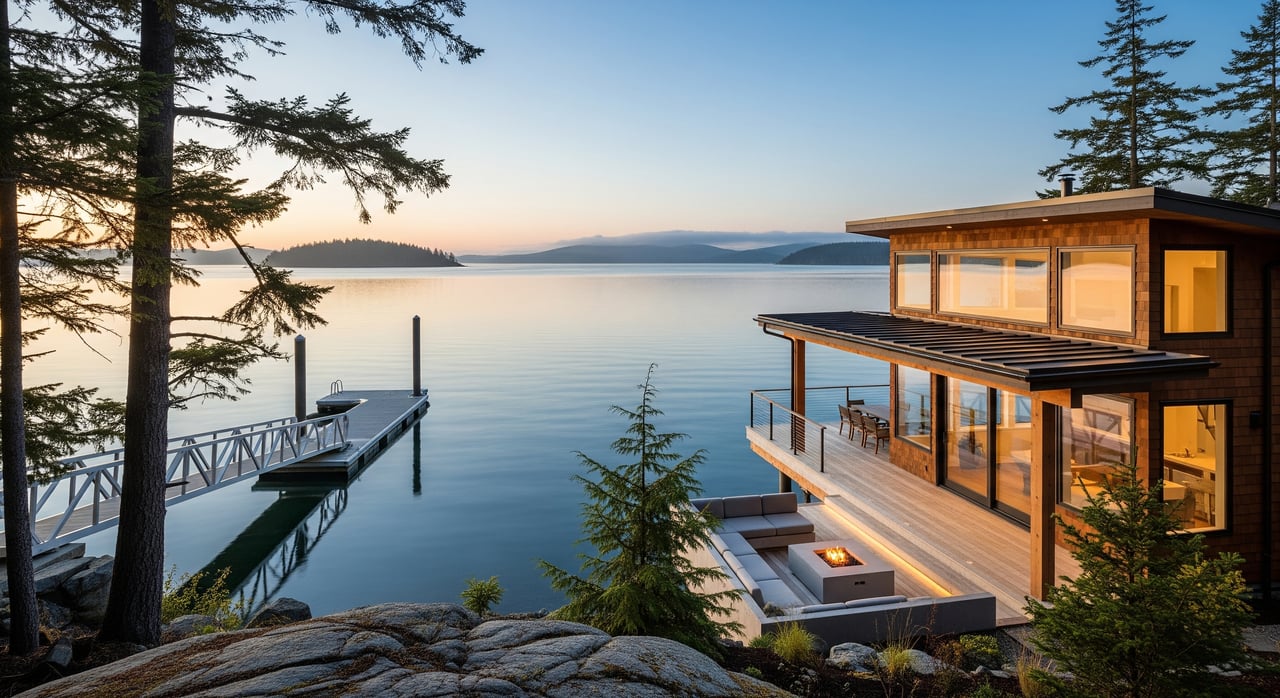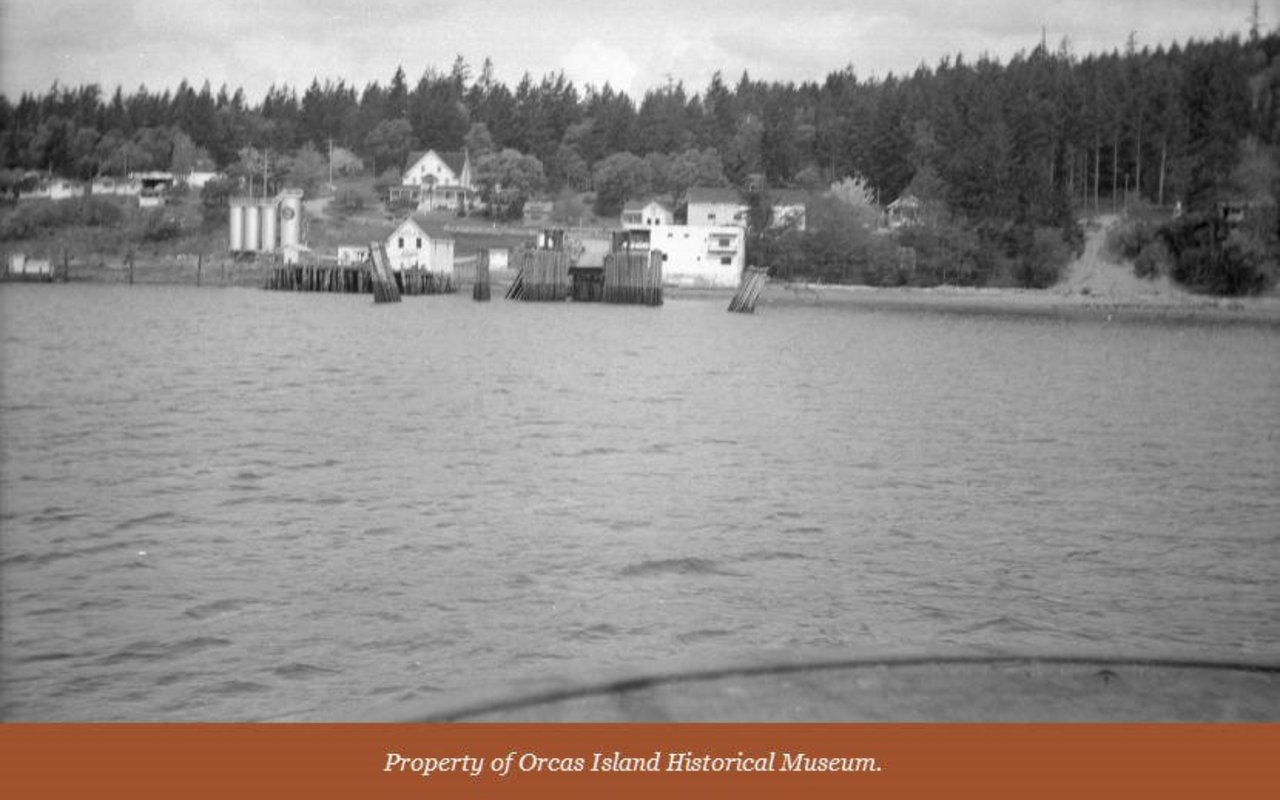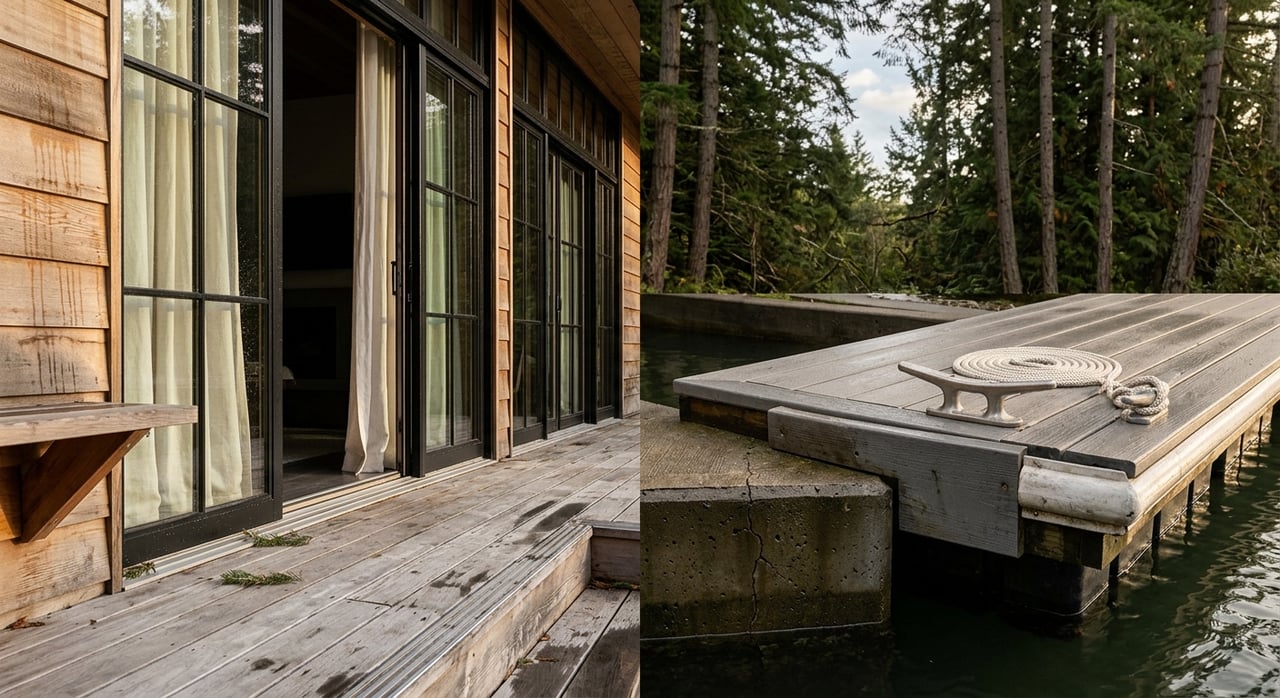
Selling a Deer Harbor waterfront home is not like listing a typical property. Buyers are not just looking at square footage and views. They are also weighing dock access, shoreline details, water and septic records, and even how easily they can get to a showing from the mainland. When you prepare those details early, you help buyers feel confident and you put your home in a stronger position from day one. Let’s dive in.
Why Deer Harbor waterfront stands out
Deer Harbor has a distinct appeal on Orcas Island’s southwest side, and that appeal goes beyond the shoreline itself. The local marina is a year-round facility with 110 slips for permanent or guest moorage, along with fuel, pump-out, showers, restrooms, laundry, a store and deli, fresh water, 30-amp power, and free Wi-Fi. For many buyers, that means boating access is not an extra perk. It is part of how they imagine using the property.
That is why a waterfront listing in Deer Harbor needs to tell a complete story. If your home offers private dock access, a mooring buoy, beach access, or simply proximity to marina services, those differences matter. Clear, practical details help buyers understand what your property offers before they commit to island travel.
Price with precision in a thin market
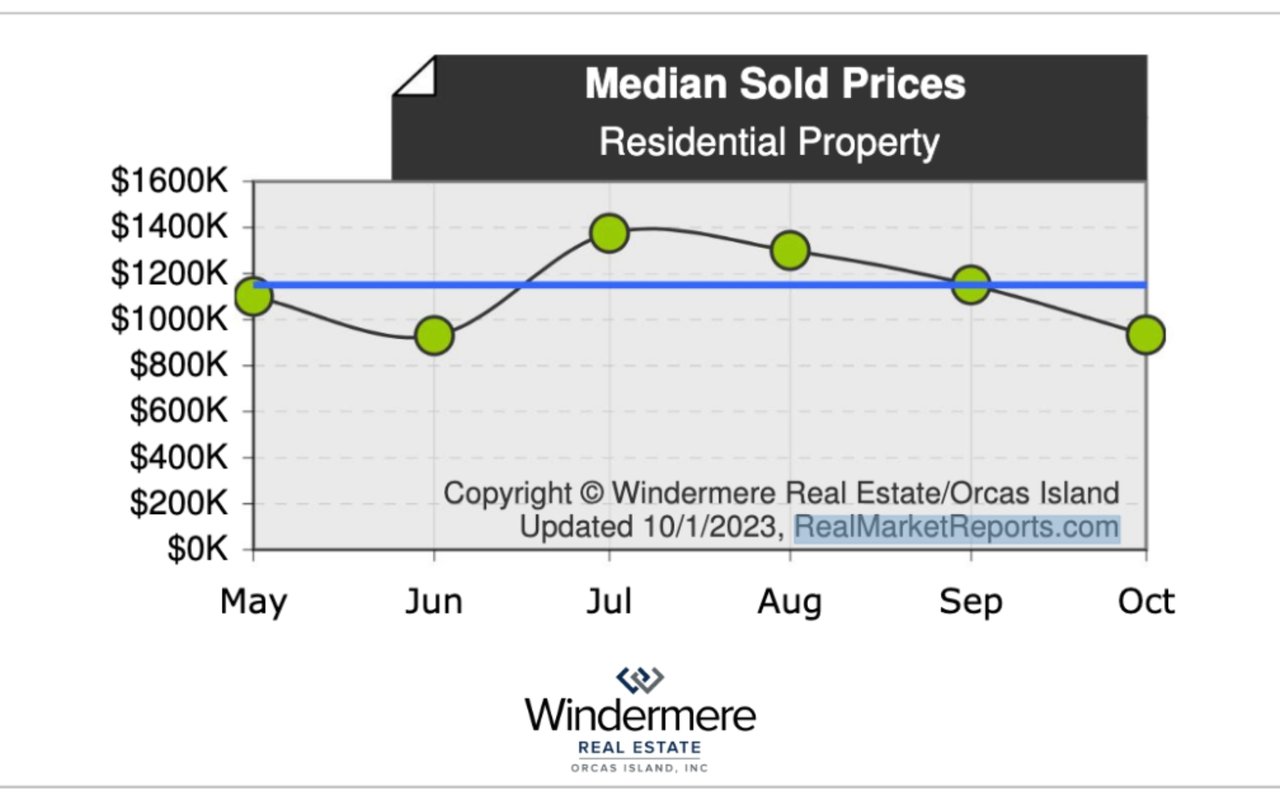
San Juan County’s housing market has shown strong pricing, but it remains a relatively thin market. As of May 2026, the county median home sale price was $1,201,397, up 23.5% year over year. Homes sold in an average of 8 days, with a 97.9% sale-to-list ratio, and 11.2% sold above list.
At the same time, only 9 homes sold in May 2026, compared with 22 a year earlier. That small number matters because it points to a segmented market where averages do not tell the whole story. A Deer Harbor waterfront home may attract serious demand, but pricing still needs to reflect the property’s shoreline features, utility documentation, condition, and access story.
Organize your waterfront documents early
For a Deer Harbor waterfront seller, paperwork is part of presentation. San Juan County recommends having recent water availability records, sewage system records, a site plan, and construction drawings ready before permit applications. Even if you are not planning new work, these records can make a major difference when buyers start asking detailed questions.
Island buyers often focus on utility reliability, especially when a home is being considered as a second home or long-term retreat. Water availability is reviewed for adequacy, and community systems must be in compliance and have capacity for a new connection. That makes organized water documentation especially helpful when you want to reduce uncertainty.
A strong seller prep file may include:
- Water availability records
- Sewage or septic system records
- Site plan
- Construction drawings
- Any records tied to shoreline improvements
- Notes on shared or private access features
When you can produce these materials quickly, you create trust. In a waterfront sale, fast and clear answers often help keep momentum moving.
Verify dock and shoreline details
Waterfront buyers in Deer Harbor tend to look closely at what is legal, permitted, and usable. San Juan County notes that most single-family residential construction is exempt from a shoreline permit, though a building permit is still required. Still, shoreline rules can apply within shoreline jurisdiction even when a shoreline permit is not required.
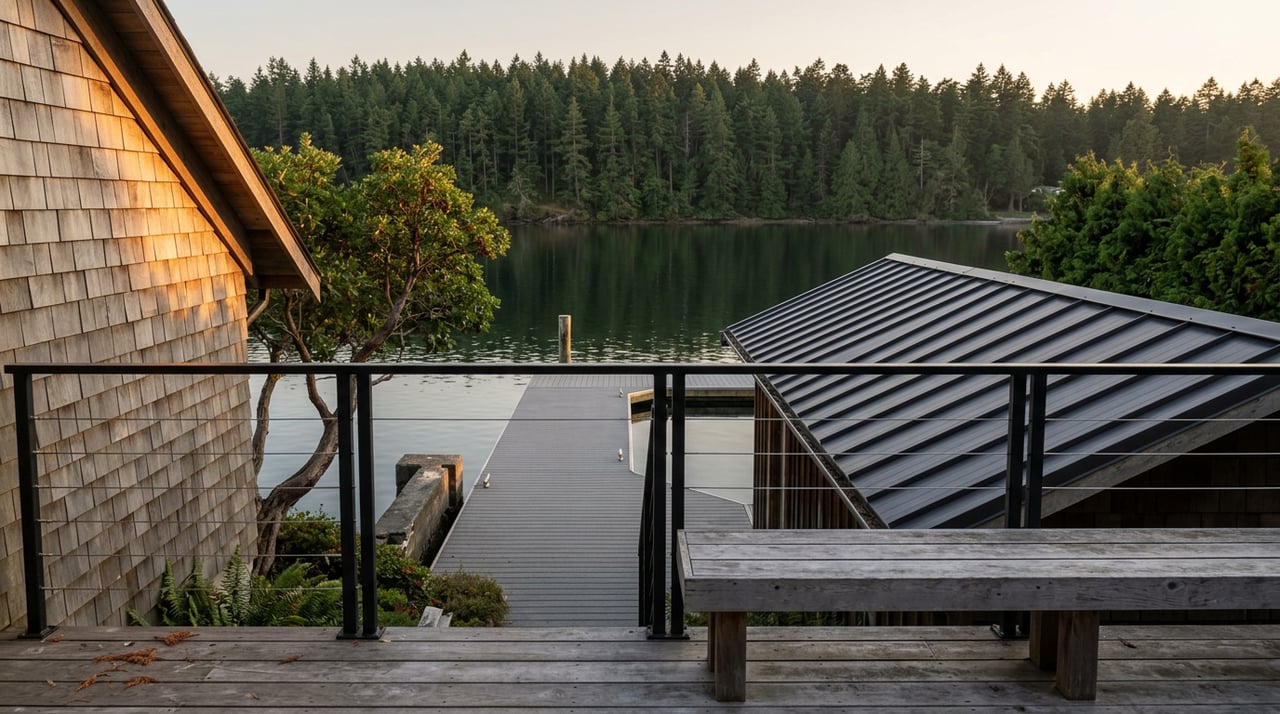
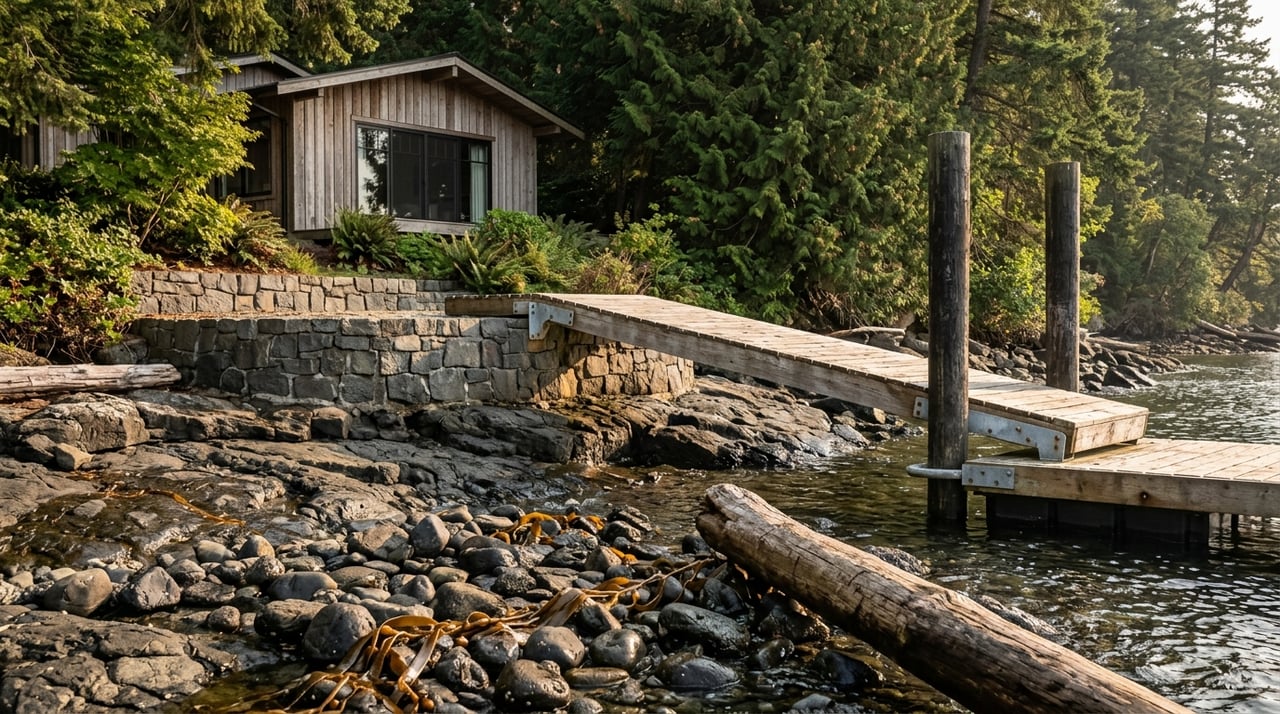
That is especially important if your property includes a dock, buoy, stairs, bulkhead, breakwater, jetty, or other shoreline feature. County guidance says a new dock usually requires a shoreline permit. Reconfiguring an existing dock may require a permit or permit revision. Repairing an existing dock usually requires an exemption, and mooring buoys are usually approved by exemption.
If your property includes beach stairs or shoreline modifications, verify those details before marketing the home. Larger beach-access stairs may require a shoreline permit, and shoreline modification rules cover features such as bulkheads, breakwaters, jetties, and groins. Buyers want to know not only what exists, but also whether it is permitted and maintainable.
What buyers want to know
The most common waterfront questions are usually very practical:
- Is the dock private or shared?
- Does the dock have permit, exemption, or revision history?
- Is there a mooring buoy?
- Is the shore natural or improved?
- Is beach access direct, shared, or nearby?
- Are shoreline improvements documented?
The more clearly you answer these questions, the more confidence buyers can bring into the showing and offer process.
Make the boating story specific
In Deer Harbor, boating is often central to the property’s appeal. That means vague phrases like “great for boaters” are not enough. Stronger listing preparation translates waterfront features into details buyers can actually use.
If known, include information such as slip length or water depth, whether a dock is private or shared, and whether guests arrive by beach, dock, buoy, or marina access nearby. If a shoreline feature depends on permits or approvals, that should be clarified early. Out-of-area buyers often want to know if the property fits their boating routine before they invest the time to travel to Orcas Island.
Details that strengthen a waterfront listing
Useful property details may include:
- Private dock, shared dock, or no dock
- Mooring buoy status
- Nearby guest moorage options
- Beach access type
- Natural shoreline or improved shoreline
- Known dock dimensions or depth information
- Current condition of dock and shore features
These details do more than improve marketing copy. They help attract better-matched buyers who understand the property before they arrive.
Plan showings around ferry logistics
One of the most overlooked parts of listing a Deer Harbor home is showing coordination. Washington State Ferries allows vehicle reservations on the Anacortes/San Juan Islands route, and reservations are recommended. Even so, a ferry ticket does not guarantee a spot because loading is still first come, first served.
For sellers, that means mainland buyers may need more lead time than they would for a typical showing. Fewer last-minute tours and tighter arrival windows are normal in this market. A well-planned showing schedule helps reduce stress for everyone involved.
How showing prep can help
You can make the process easier by:
- Keeping your showing availability clear and consistent
- Expecting longer lead times for out-of-area buyers
- Making driveway, entry, and shoreline access easy to understand
- Preparing quick answers about water, septic, dock condition, and shore use
When buyers are already coordinating ferry travel, smooth logistics can shape their overall impression of the property.
Presentation still matters in a fast market
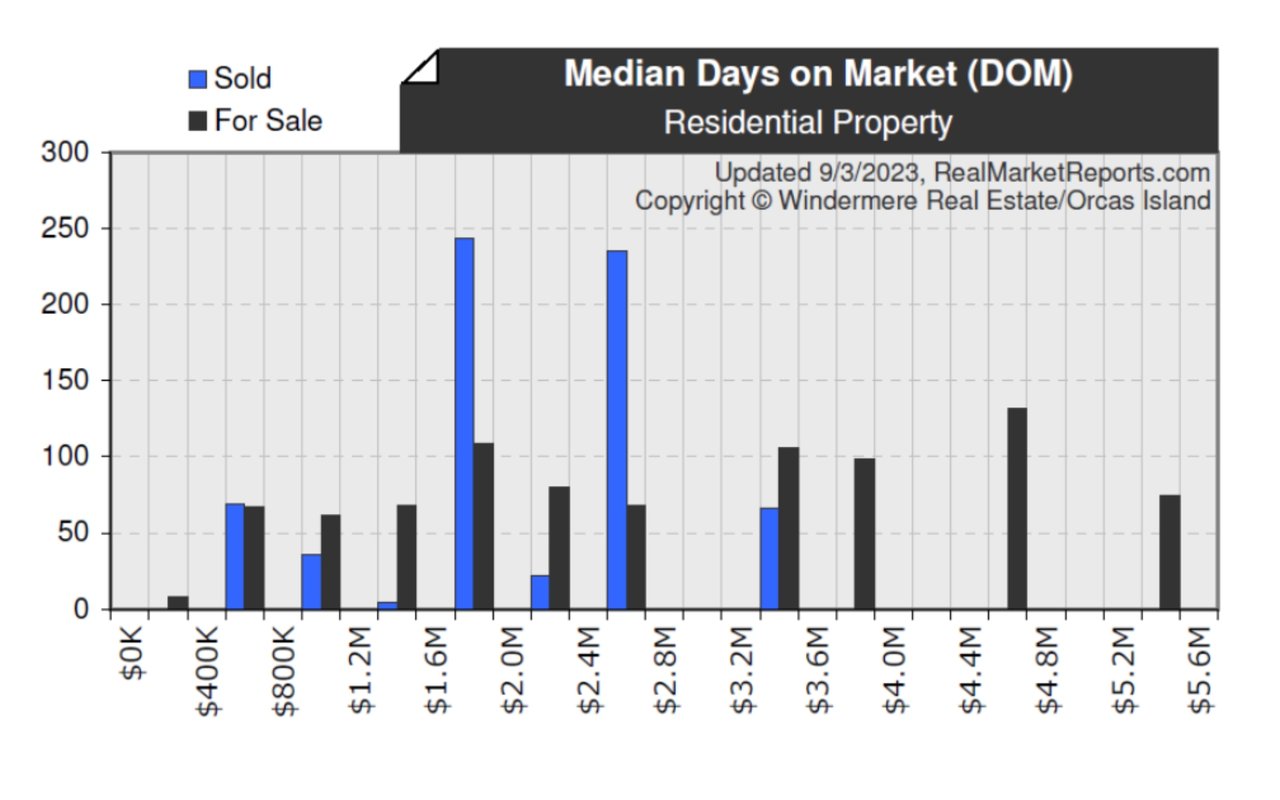
Even with quick average sales times county-wide, not every waterfront property will move the same way. Homes with strong presentation and clean documentation tend to inspire more confidence. In Deer Harbor, that confidence often comes from a mix of visual appeal and operational clarity.
That means keeping the shoreline tidy, making access points obvious, and presenting the home in a way that matches its waterfront value. It also means being ready to explain what the property includes and what it does not. Precision helps prevent confusion, especially when buyers are comparing one-of-a-kind island properties.
What confident sellers do before going live
The strongest Deer Harbor waterfront listings usually have a few things in common. They are thoughtfully priced, clearly documented, and easy for buyers to understand. They also reflect the reality that waterfront buyers are often making decisions based on both lifestyle and logistics.
Before your home hits the market, focus on the essentials:
- Confirm your pricing strategy based on current county conditions
- Gather water and sewage or septic records
- Organize site plans and construction drawings if available
- Verify dock, buoy, stairs, and shoreline feature status
- Clarify whether boating access is on-site, shared, or nearby
- Prepare for longer showing timelines due to ferry travel
- Keep the property clean, accessible, and ready to explain
When you handle these steps early, you reduce friction later. That creates a smoother path for buyers and gives your home the best chance to stand out for the right reasons.
If you are preparing to sell a Deer Harbor waterfront home, local guidance can make all the difference. For tailored help with pricing, presentation, and island-specific listing strategy, connect with True North Realty / Orcas Island, LLC.
FAQs
What documents should you gather before listing a Deer Harbor waterfront home?
- San Juan County recommends having water availability records, sewage system records, a site plan, and construction drawings ready, along with any records tied to shoreline improvements.
What should buyers know about docks at a Deer Harbor waterfront property?
- Buyers usually want to know whether the dock is private or shared and whether it has permit, exemption, or permit revision history.
How do ferry logistics affect Deer Harbor home showings?
- Washington State Ferries recommends reservations on the Anacortes/San Juan Islands route, but boarding is still first come, first served, so buyers often need extra lead time.
Why is water documentation important for Orcas Island waterfront homes?
- Water availability is reviewed for adequacy, and buyers often want reassurance that utility records are current and easy to produce.
What shoreline features should you verify before marketing a Deer Harbor home?
- You should verify the status of docks, mooring buoys, beach stairs, bulkheads, breakwaters, and other shoreline modifications so buyers understand what is legal, permitted, and maintainable.