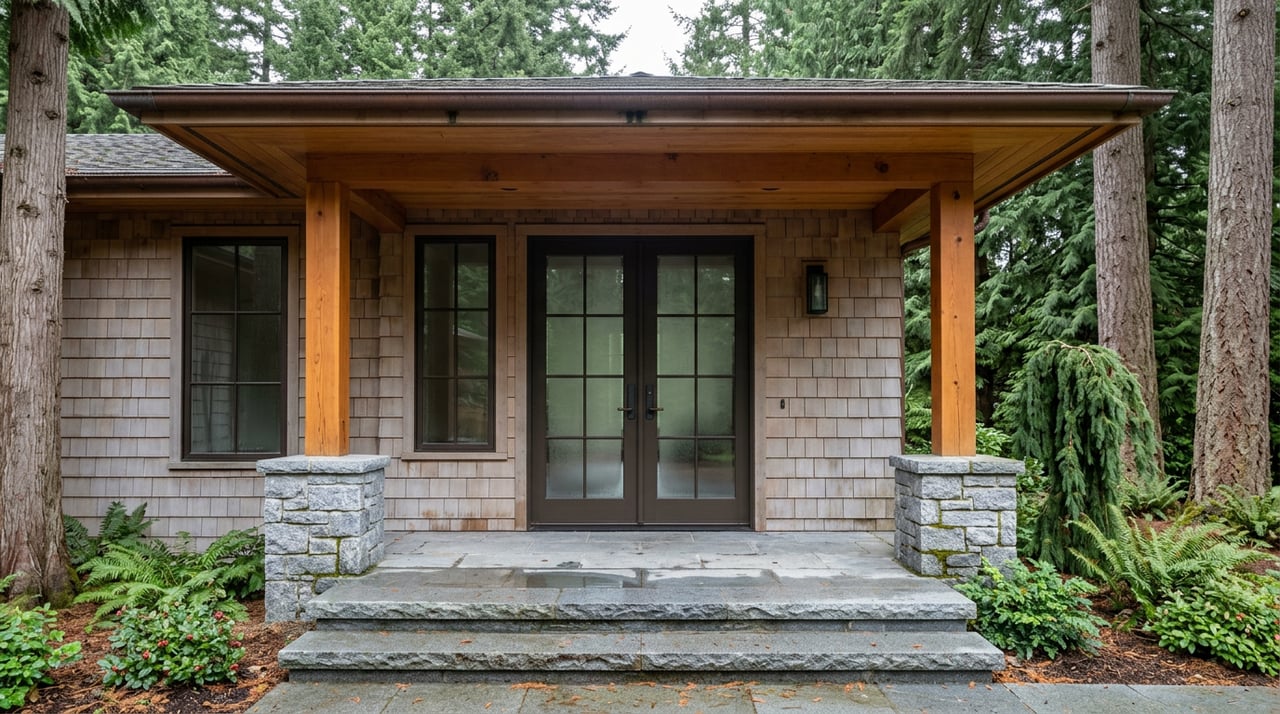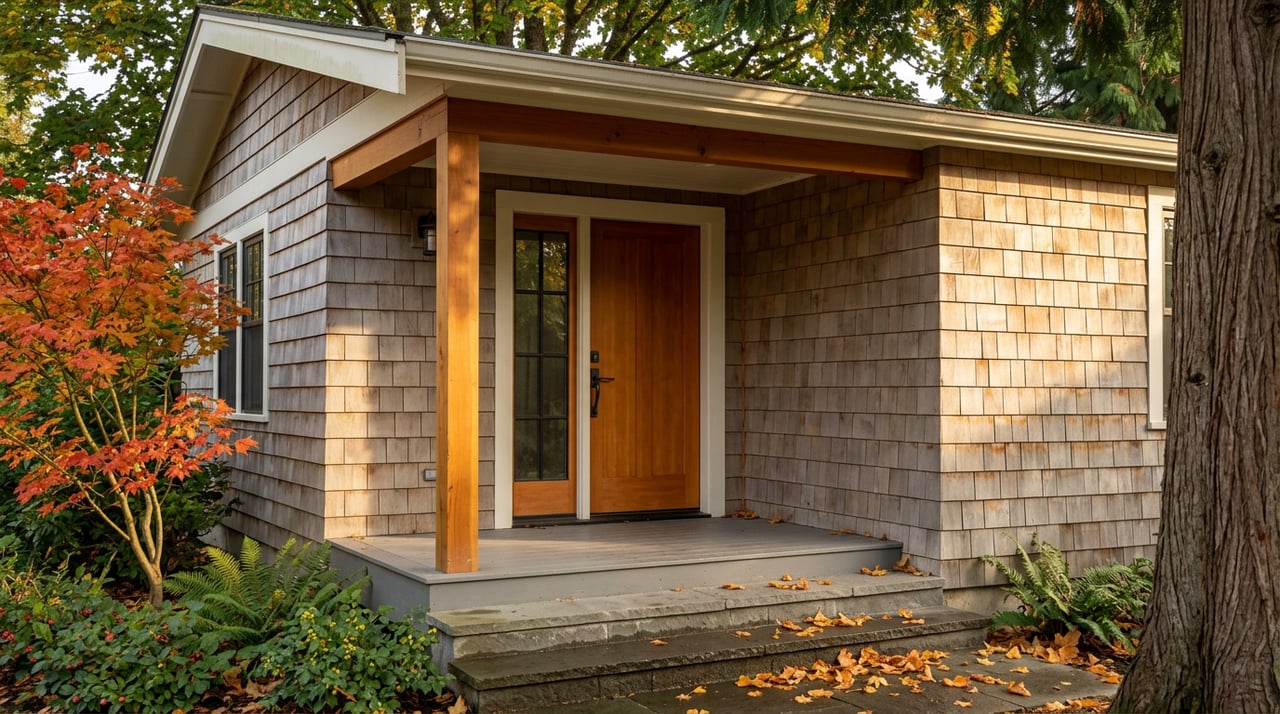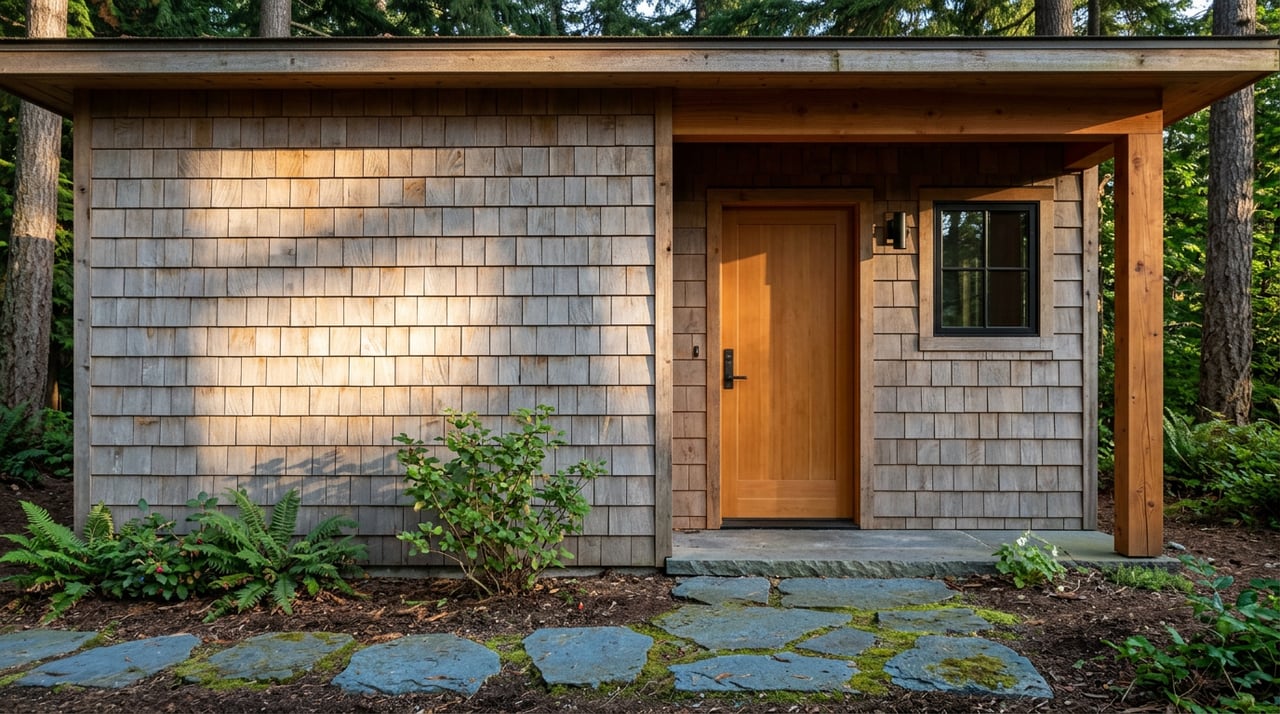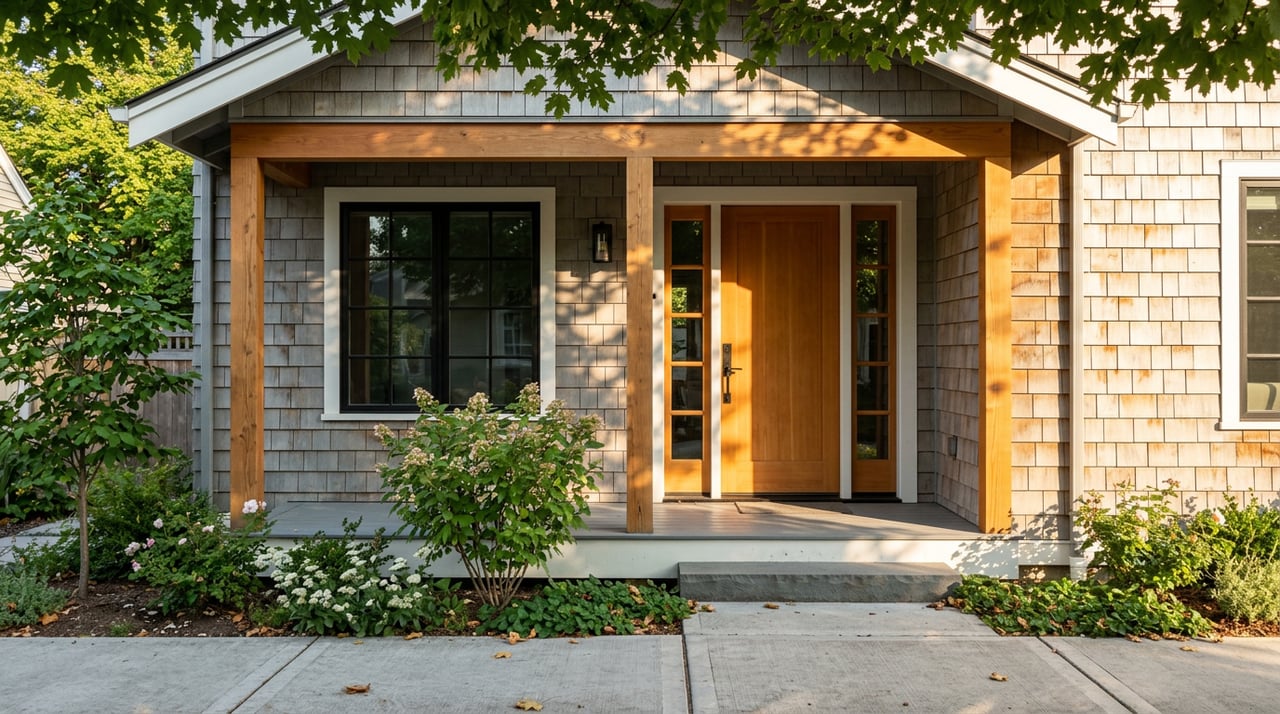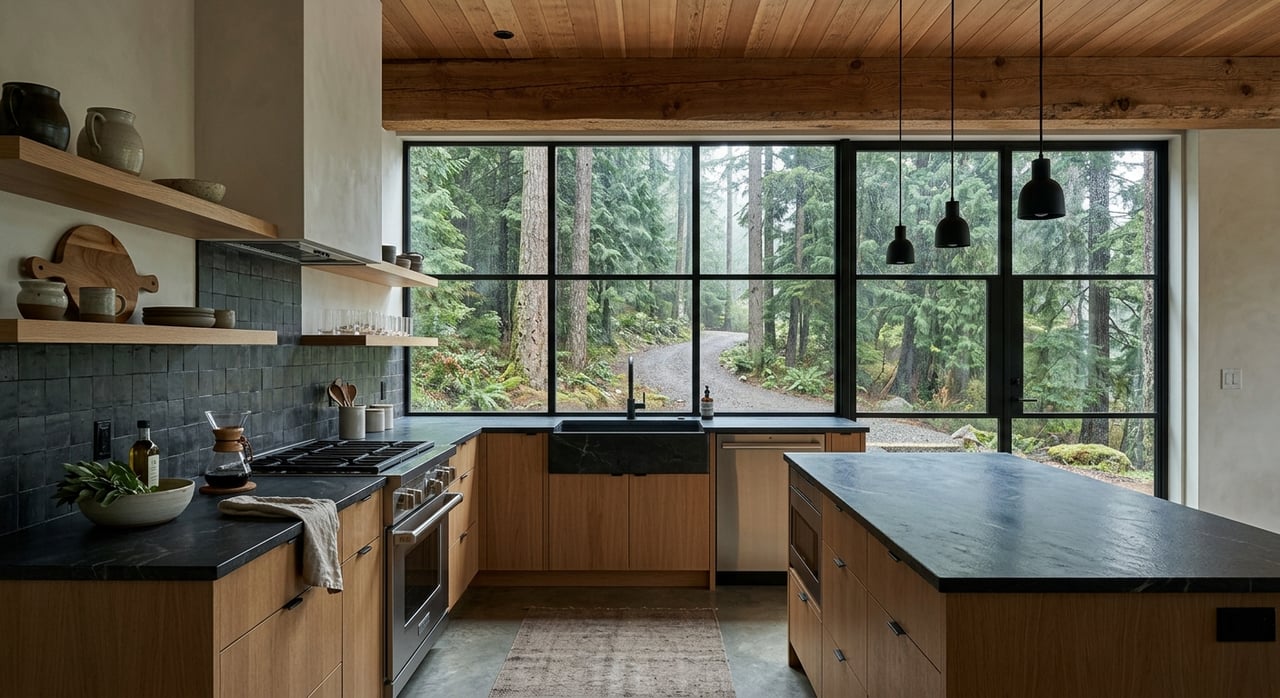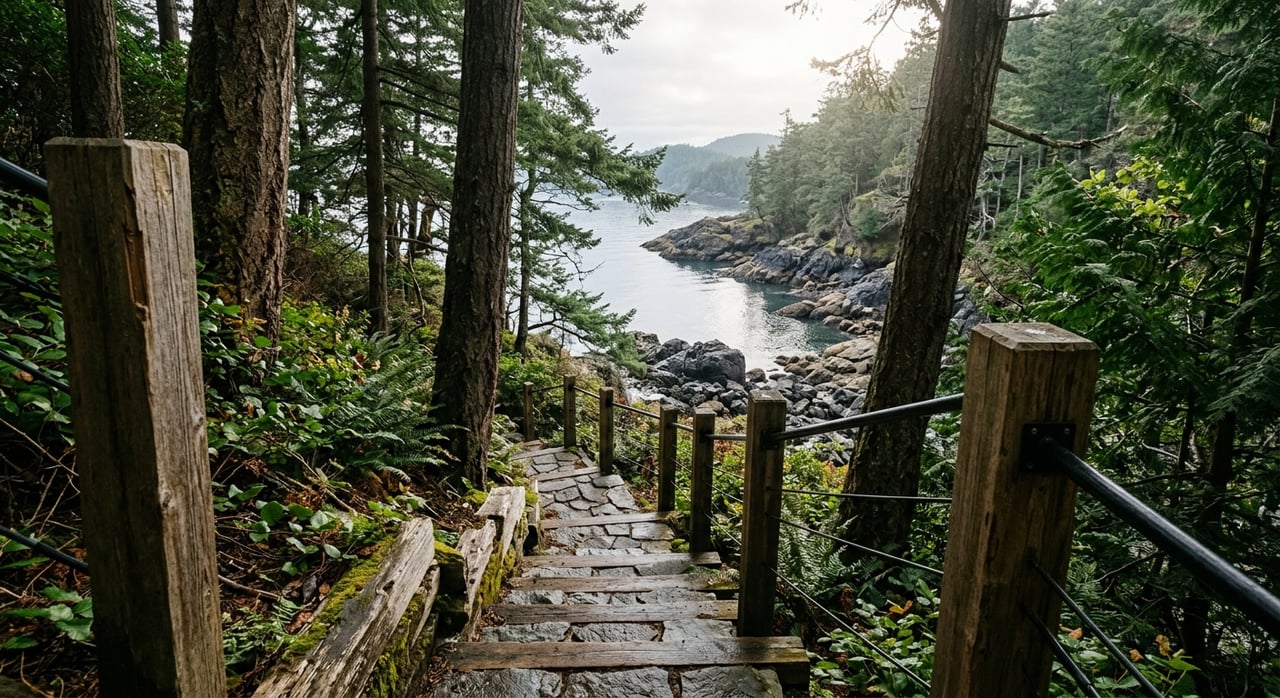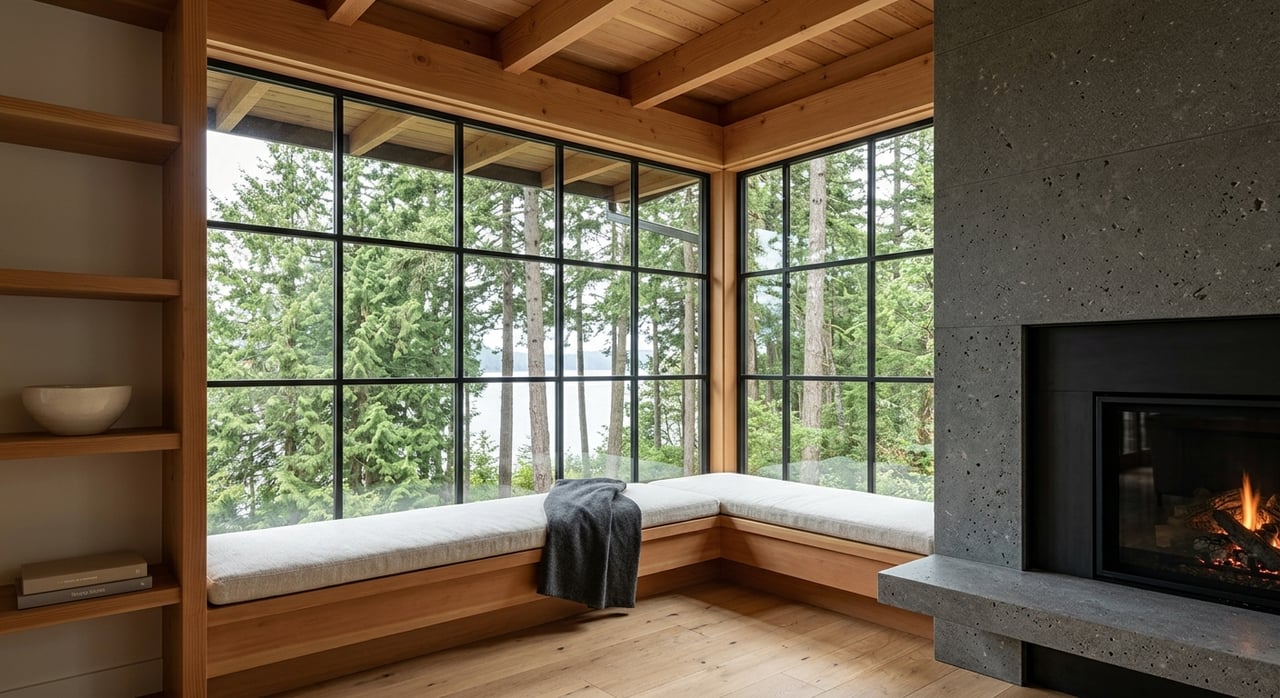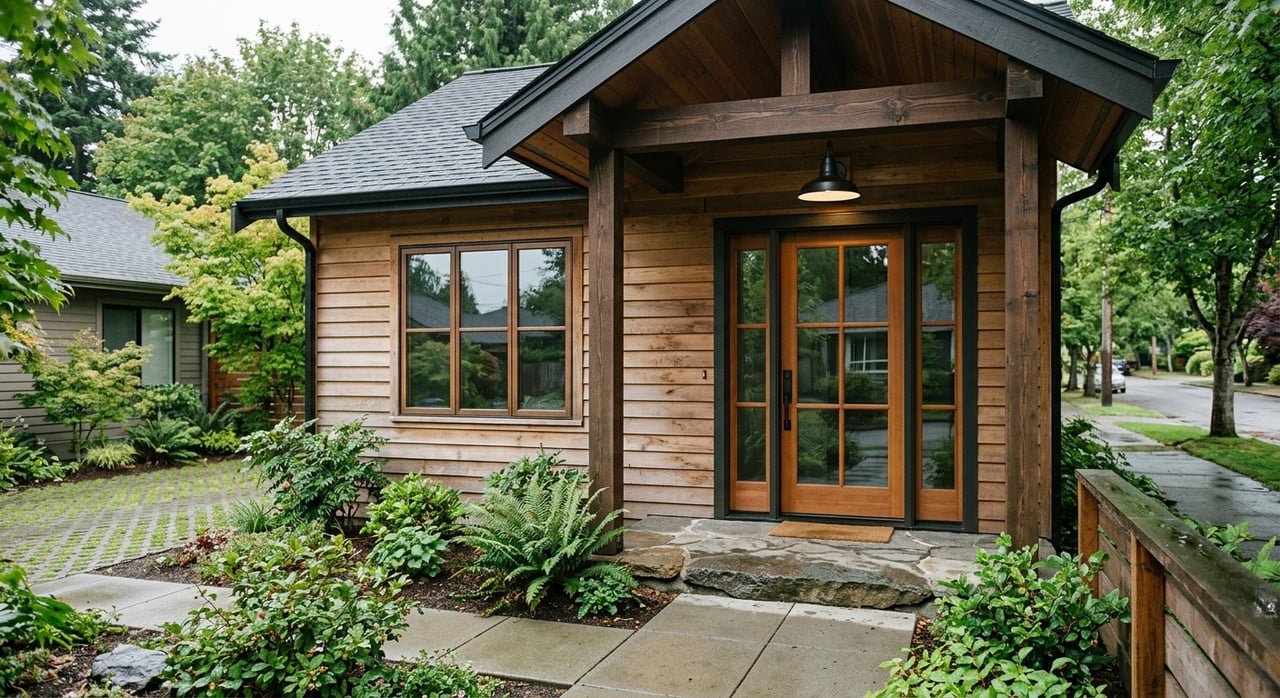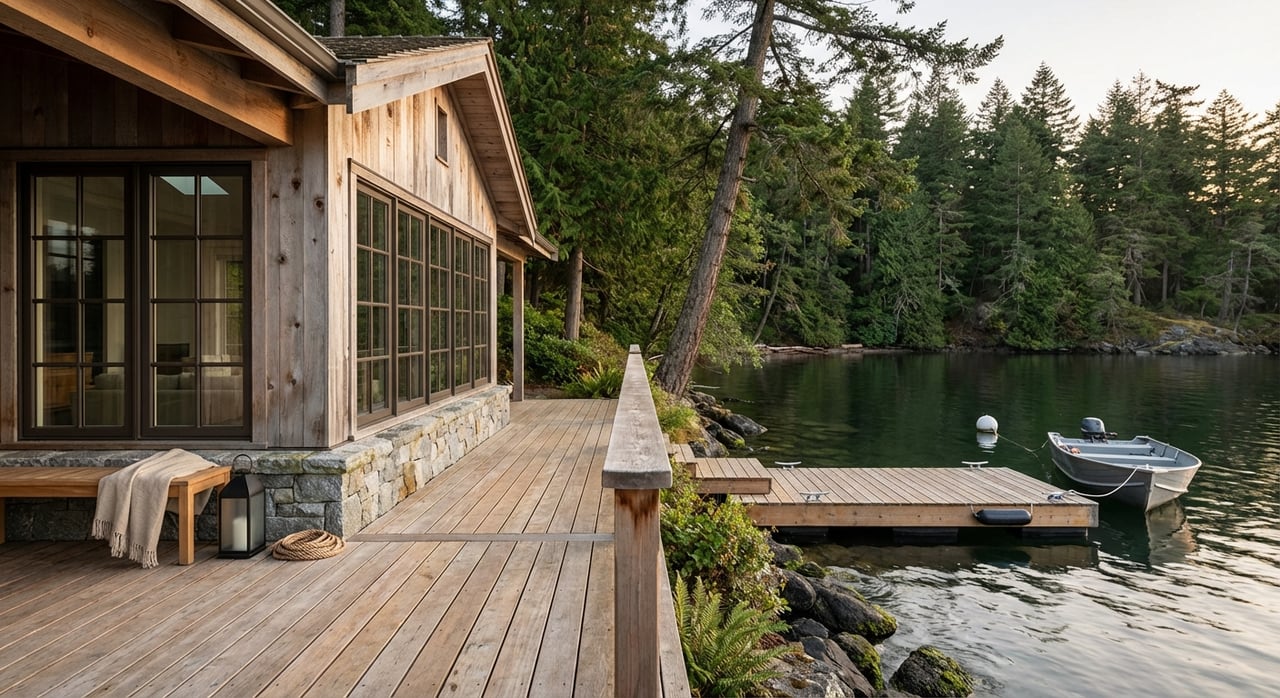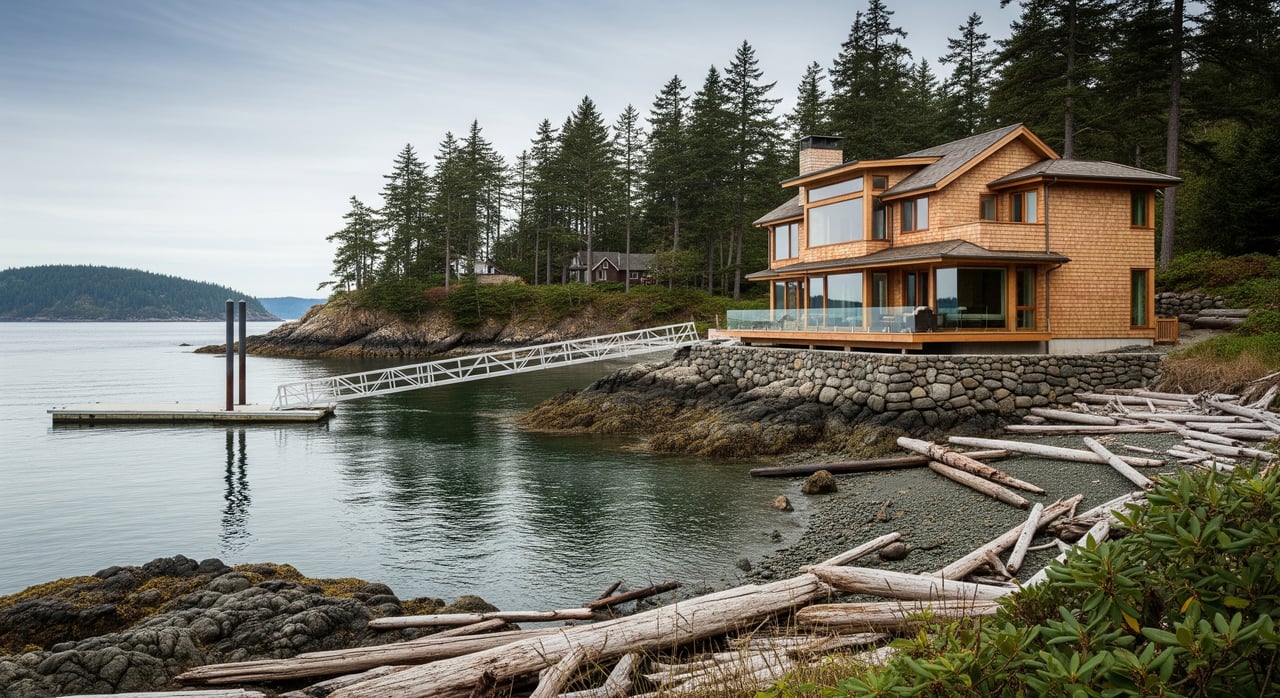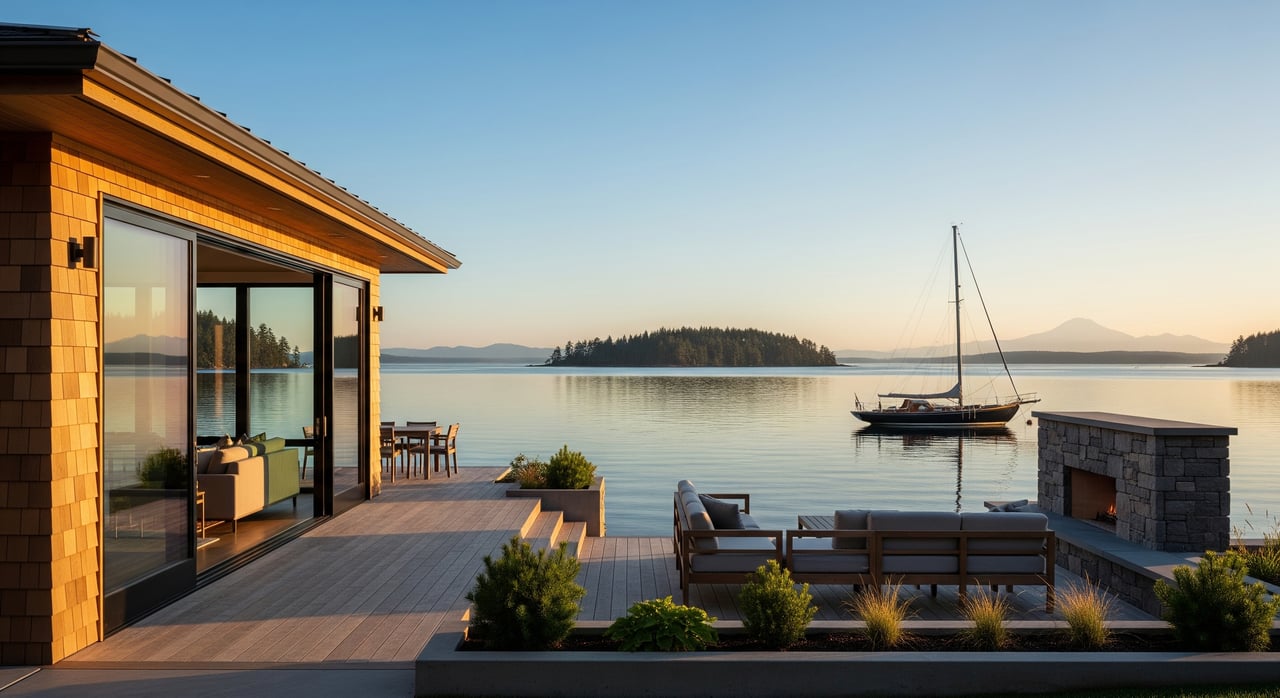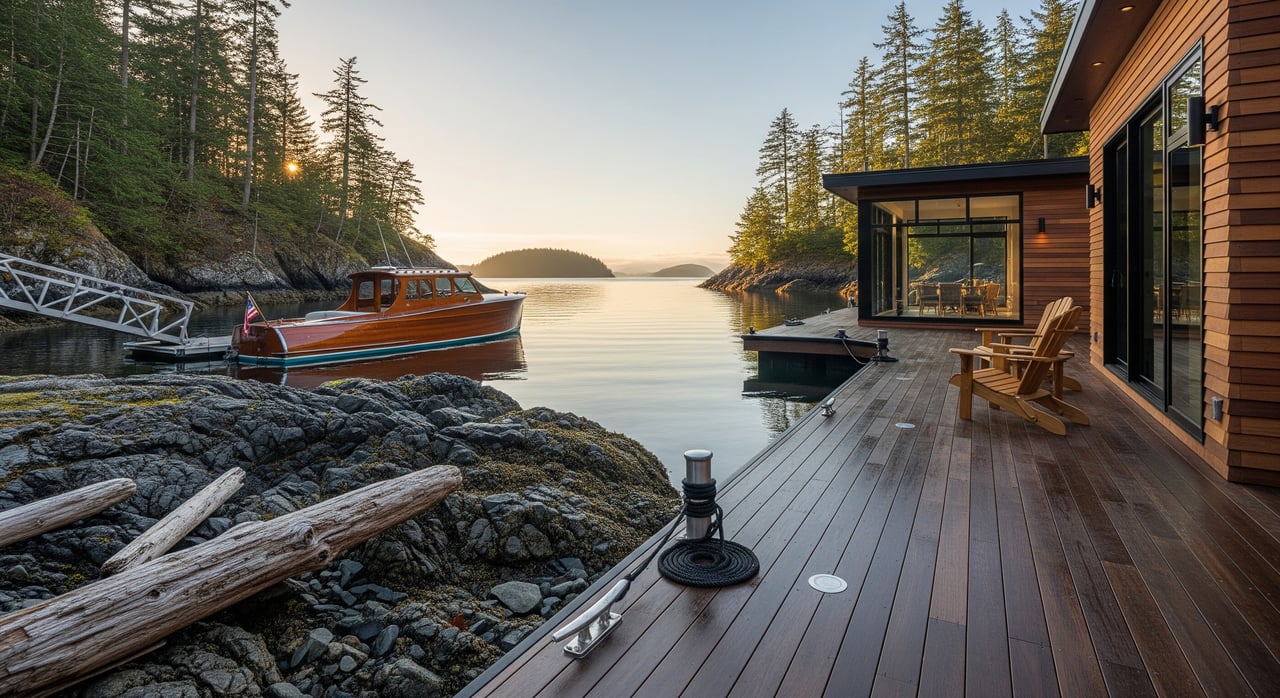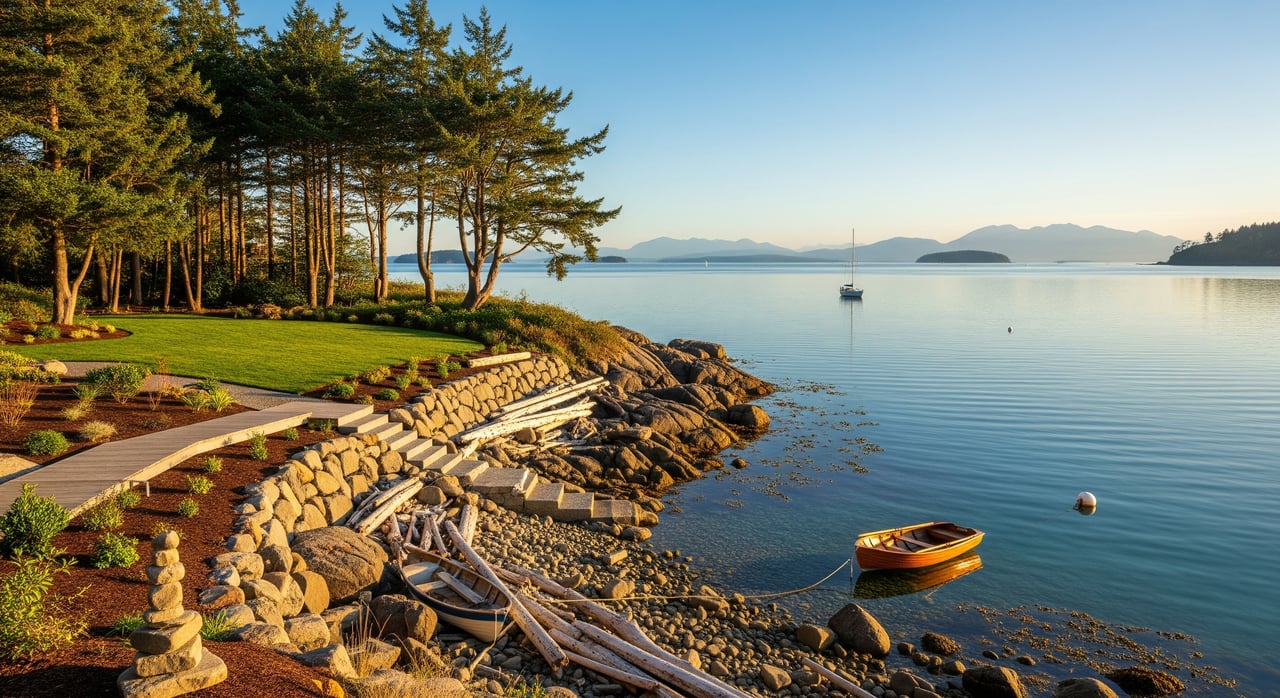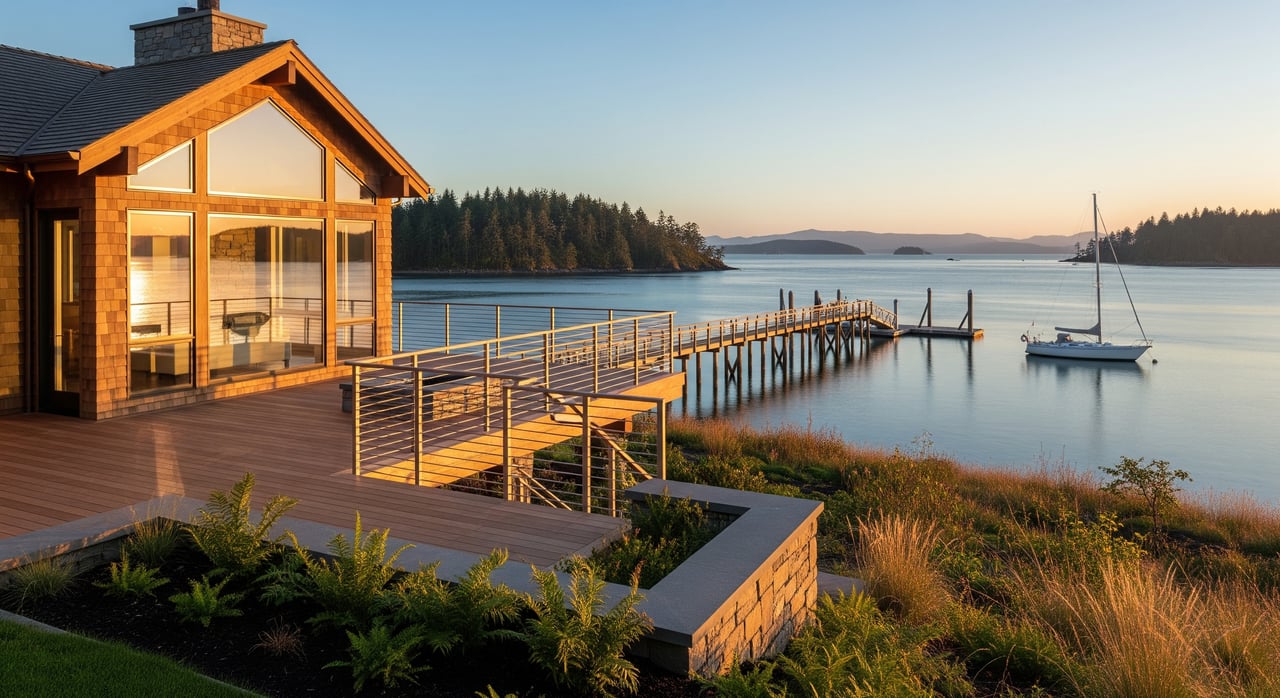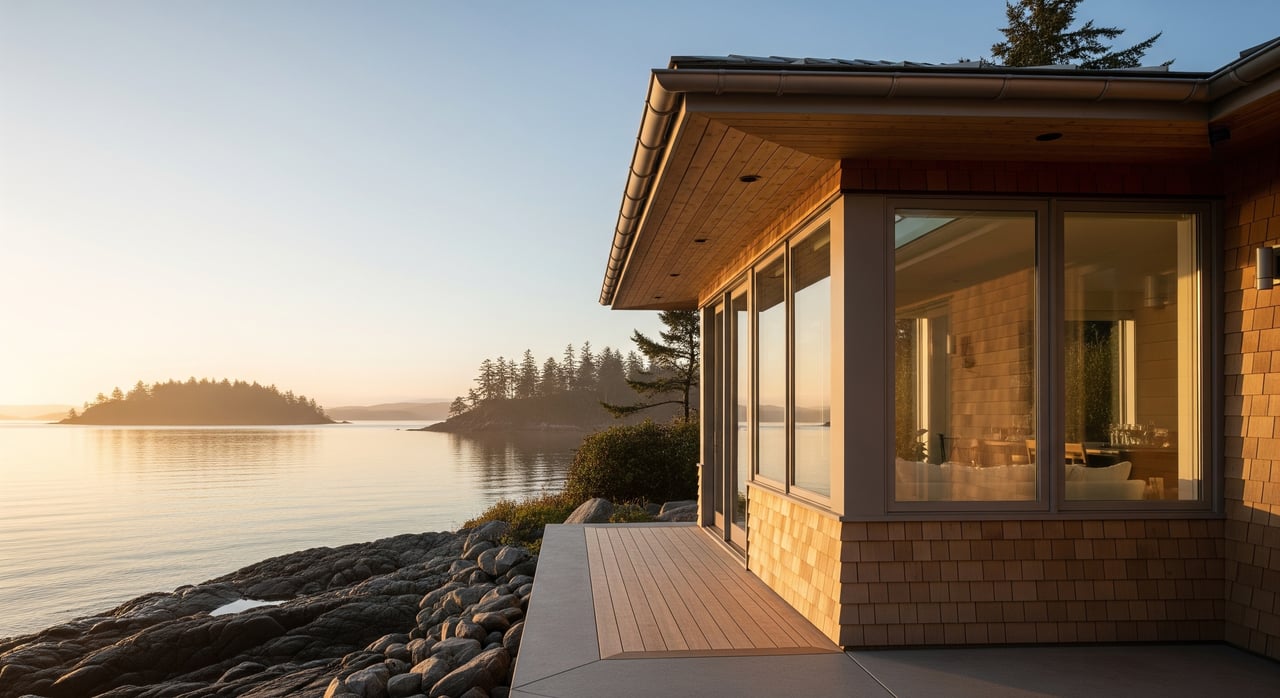
Wondering how to make your Olga acreage or farmstead stand out to the right buyer? Selling rural property on Orcas Island is different from selling an in-town home because buyers look closely at access, land use, water, septic, and how the property actually functions day to day. If you prepare those details before you list, you can reduce buyer questions, present the property more clearly, and create a stronger first impression. Let’s dive in.
Start With Land Use Facts
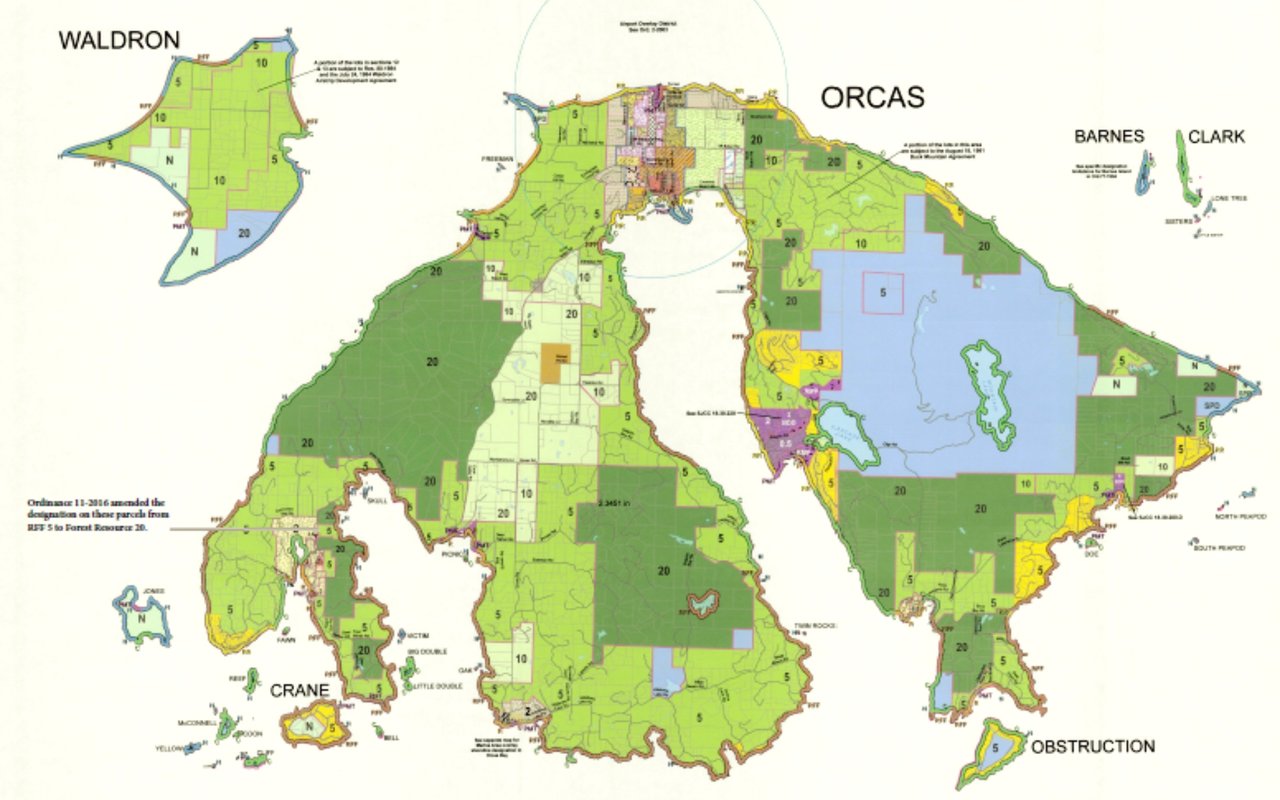
Before you market an Olga property, make sure you know exactly how the parcel is designated. San Juan County’s Orcas land-use map includes Olga Hamlet, Olga Hamlet Commercial, Olga Community Center, and nearby Rural Farm Forest and Rural Residential areas, and those distinctions matter when describing how a property is used.
That means you should avoid broad claims like “fully buildable,” “dividable,” or “ideal for farming” unless the county records and permit history support them. San Juan County adopted its 2025 Comprehensive Plan update, effective March 13, 2026, so current land-use language and maps should guide how your property is presented.
For acreage listings, county map tools are helpful, but they are not survey-accurate. If your sale depends on clear boundary, easement, or access information, it helps to gather a survey, recorded plat, or easement documents before going to market.
Make Access Easy To Understand
One of the first things buyers notice on rural property is how they enter, drive through, and turn around on the land. If a buyer cannot quickly understand the access, they may hesitate, even if the acreage itself is appealing.
Walk your driveway and access points with fresh eyes. Clear brush back from the drive, trim limbs where needed, and make sure the route to the home, barn, pasture, or outbuildings is obvious. If the access is shared, narrow, or steep, it is better to disclose that early and present it clearly.
In San Juan County, a Right of Way permit is required for certain work in the county road right-of-way, including roads, driveways, field access, temporary driveway access, and utility work. If you made access improvements, confirm whether permits were required and gather any site plan or supporting records tied to that work.
Focus Cleanup On Function
Olga buyers are often drawn to privacy, land, and a more hands-on island lifestyle. They usually do not expect acreage to look suburban, but they do want to understand how the land is being used.
Your goal is to make the property readable. Mow or trim obvious walking paths, open sightlines to field edges and fences, and remove dead equipment or materials that distract from the setting. If you have pasture, gardens, orchards, woodland, or storage areas, make each area easy to identify.
This kind of prep helps buyers picture the property as usable from day one. It also helps photography tell a more complete story, which matters on Orcas Island where many serious buyers begin their search from off-island.
Stage Outbuildings As Assets
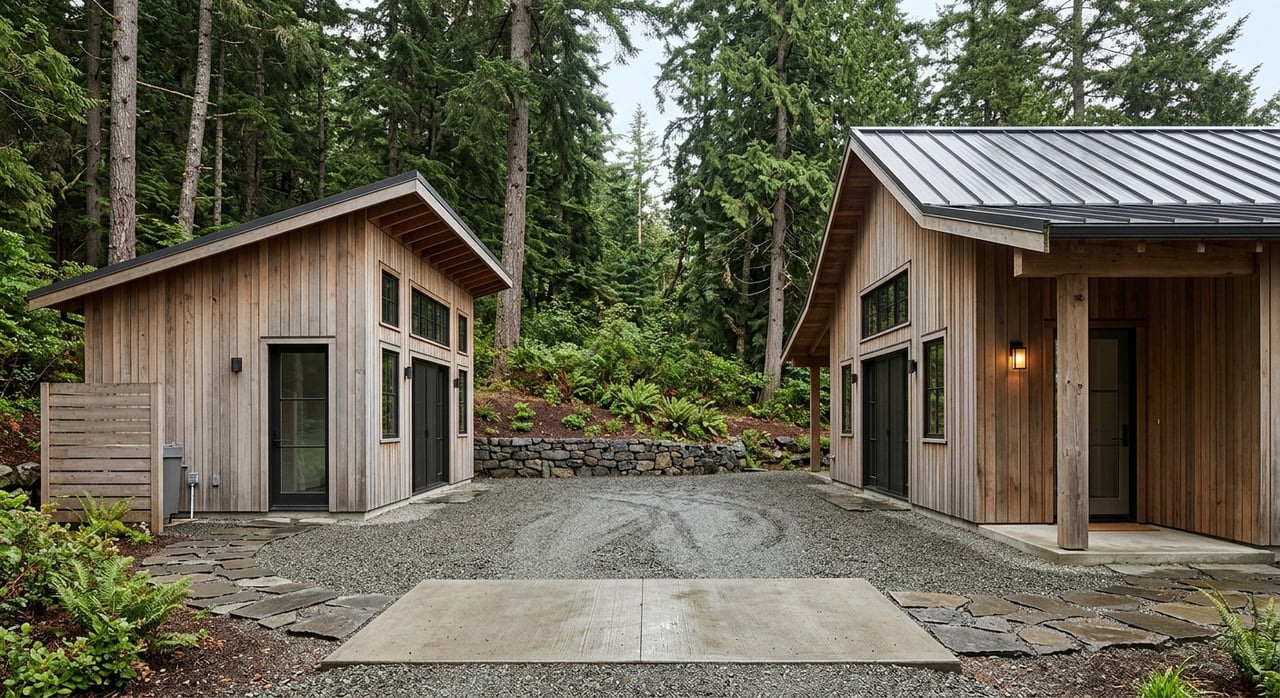
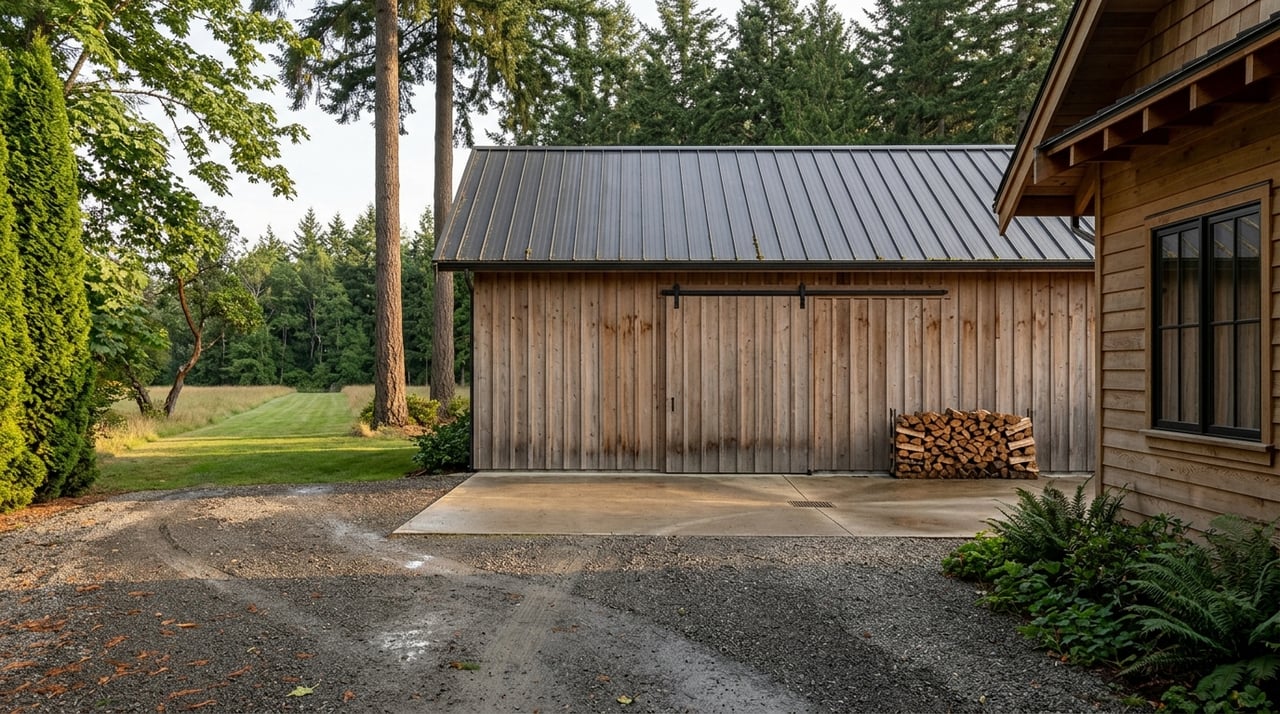
On a farmstead or acreage property, barns, sheds, greenhouses, and shops can add major value, but only if buyers can understand their purpose. A cluttered outbuilding tends to look like deferred maintenance, while a cleared and labeled one feels useful.
Clean floors, remove excess storage, and group remaining tools or materials by function. If a structure has power, water, or specialized use, make that easy to identify during showings. Buyers comparing island properties often weigh the difference between a simple retreat and a property with working land features, so clarity matters.
If you have a greenhouse, tack room, equipment shed, or fenced storage space, present each one as part of a larger land-use story. That helps buyers see how the property supports gardening, hobby farming, animal care, or general rural living without overpromising future possibilities.
Gather Documents Before Listing
For Olga acreage, good documentation often makes the difference between strong interest and stalled negotiations. Buyers will usually want key property records early, especially when the land, systems, and improvements are more complex than a standard residential lot.
Try to gather these items before your home goes live:
- Parcel number
- Survey or recorded plat
- Easement documents
- Site plan
- Permit history
- Septic records
- Well or water records
- Any farm or forest classification documents
San Juan County’s permit guidance notes that applicants should prepare recent water availability and sewage system records, along with a site plan or construction drawings. Even if a buyer is not planning immediate improvements, having these records ready can help them evaluate the property with more confidence.
Address Septic Early
Septic status is one of the biggest issues buyers ask about in San Juan County. If your records are incomplete or your system has not been recently reviewed, it can create avoidable delays later.
The county requires periodic on-site sewage inspections. Gravity systems are generally inspected every three years unless they are in a designated sensitive area, while other residential system types are typically inspected annually. The county’s sale FAQ says that before a property sale, sellers need a satisfactory inspection, required maintenance components, and a record drawing on file.
If you are unsure what is on file for your property, it is smart to find out early. A clean septic file helps buyers move forward with less uncertainty.
Clarify Water Supply
Water is just as important as septic on rural property. Buyers want to know how water reaches the home and land, and whether the supply supports everyday living plus uses like gardens, livestock, or future improvements.
San Juan County’s drinking-water program oversees individual and shared wells as well as Group B systems. If your property relies on a well or shared source, current records can help answer buyer questions before they turn into concerns.
A simple, organized summary is useful here. If you can show what serves the property and pair that with any available water records, you make the property easier to evaluate and easier to trust.
Check Critical Areas And Shoreline Issues
Aerial photos and seller memory are not enough when acreage is involved. San Juan County offers parcel-level Critical Area and Archaeology Review results by 12-digit parcel number, and the county notes that actual field conditions control compliance determinations.
Critical-area mapping may include wetlands, geologically hazardous areas, steep slopes, fish and wildlife habitat conservation areas, and FEMA flood layers. If your property has unusual terrain, shoreline, seasonal wet areas, or large undeveloped sections, this is worth reviewing before you describe future use potential.
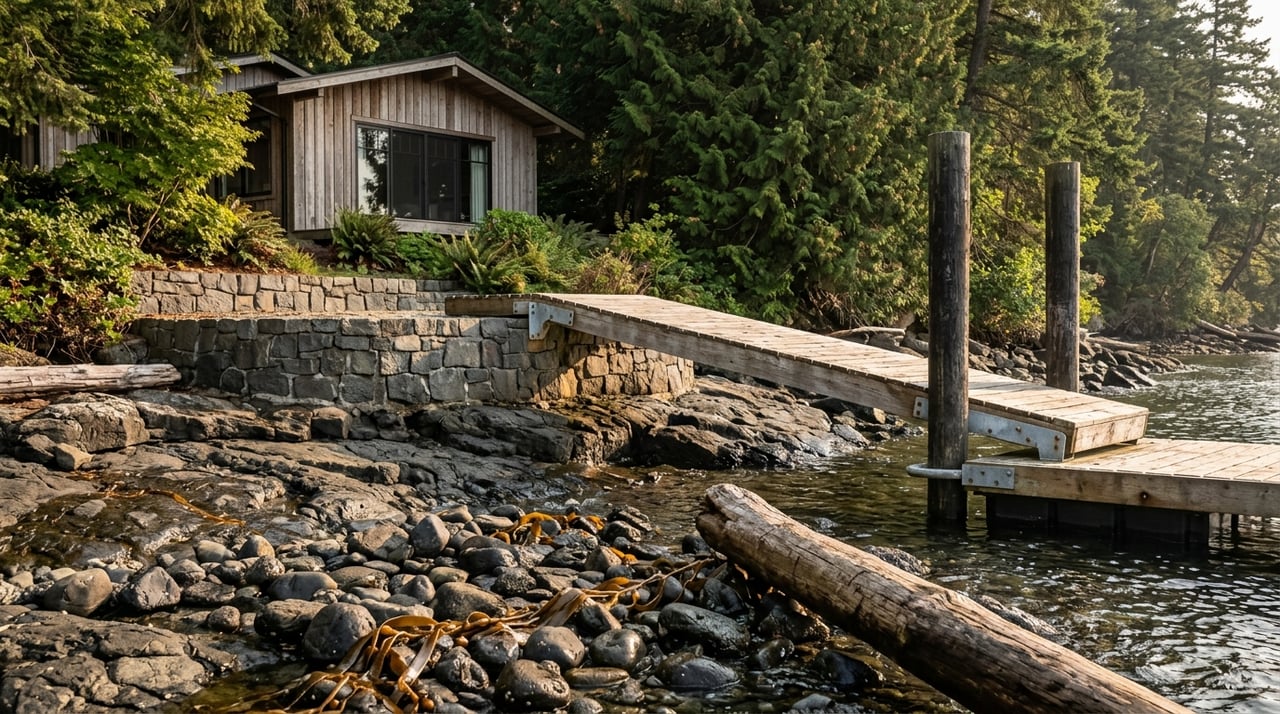
If the property touches shoreline, be especially careful. The Orcas land-use map states that shoreline rules apply 200 feet landward of the ordinary high water mark and seaward of it, so any statements about expansion or new uses should match the parcel’s exact shoreline designation and permit history.
Highlight What The Land Already Does
The best acreage listings do not rely on vague possibilities. They show buyers what the property already offers today.
San Juan County code defines rural lands broadly, including rural general use, rural farm-forest, rural residential, rural industrial, rural commercial, conservancy, and natural designations. Because of that, your marketing should focus on existing strengths such as usable fields, established garden areas, fenced pasture, permitted structures, documented water, and working access.
That approach builds credibility and helps buyers make informed decisions. It also keeps the conversation grounded in facts instead of guesswork.
Use Farm Classification Carefully
If your property is enrolled in San Juan County’s current-use farm and agricultural program, that may be a meaningful selling point. The program values land at current use rather than highest and best use, which can lower assessed value and taxes.
At the same time, buyers need accurate context. The county notes that removal from the program can trigger additional tax, interest, and penalty, so this is not something to mention casually without documentation.
If your property is in the program, it helps to prepare a simple one-page package that includes:
- A map showing improvements and areas maintained as farm land
- A list of labeled outbuildings and their uses
- A basic summary of crop, pasture, or agricultural use
- Any available documentation of present farm income if relevant to the classification
That kind of information helps buyers understand the property’s current operation and can reduce confusion around tax status and land use.
Market The Olga Lifestyle Honestly
Olga appeals to buyers who want a quieter Orcas Island setting with room to spread out. It also benefits from its location near Moran State Park, which Washington State Parks describes as offering lakes, scenic views, trails for biking, hiking, and horseback riding, historic structures, forested campgrounds, and a nature preserve.
That nearby recreation can be part of the property story, especially for buyers looking for privacy paired with outdoor access. The key is to keep the lifestyle narrative grounded in real location advantages, not assumptions.
Island logistics also shape buyer behavior. Washington State Ferries says vehicle reservations are available and recommended on the Anacortes/San Juan Islands route, and a ticket does not guarantee a ferry spot. For showings, inspections, and launch timing, that practical detail matters more than many sellers expect.
Why Preparation Pays Off
When you prepare an Olga acreage or farmstead well, you do more than improve appearance. You make the property easier to understand, easier to market, and easier for a buyer to say yes to.
That means clear access, visible land use, organized records, and factual property descriptions. On Orcas Island, where many buyers are weighing lifestyle goals alongside rural systems and island logistics, that level of preparation can set your listing apart.
If you are thinking about selling and want practical guidance on how to position your property, connect with True North Realty / Orcas Island, LLC. for local insight and thoughtful listing support.
FAQs
What should I do first before selling Olga acreage?
- Start by confirming the parcel’s land-use designation, gathering core documents, and making sure access and usable areas of the property are easy to understand.
What documents matter most for an Olga farmstead sale?
- The most helpful documents usually include the parcel number, survey or plat, easements, septic records, well or water records, permit history, site plan, and any farm or forest classification paperwork.
Does a septic inspection matter when selling rural property in Olga?
- Yes. San Juan County says sellers need a satisfactory inspection, required maintenance components, and a record drawing on file before a property sale.
How should I prepare outbuildings on an Olga farmstead?
- Clear floor space, organize items by use, label utilities where possible, and make each structure’s purpose obvious so buyers can see it as a useful asset.
Should I market future building or expansion potential for Olga acreage?
- Only if county records, land-use designation, shoreline rules, permit history, and site conditions support those statements. It is better to describe what the property already does today.
What local features help market an Olga acreage property?
- Buyers often respond to the Olga hamlet setting, nearby Moran State Park, and the broader appeal of Orcas Island living, especially when those details are paired with clear facts about the land and property systems.