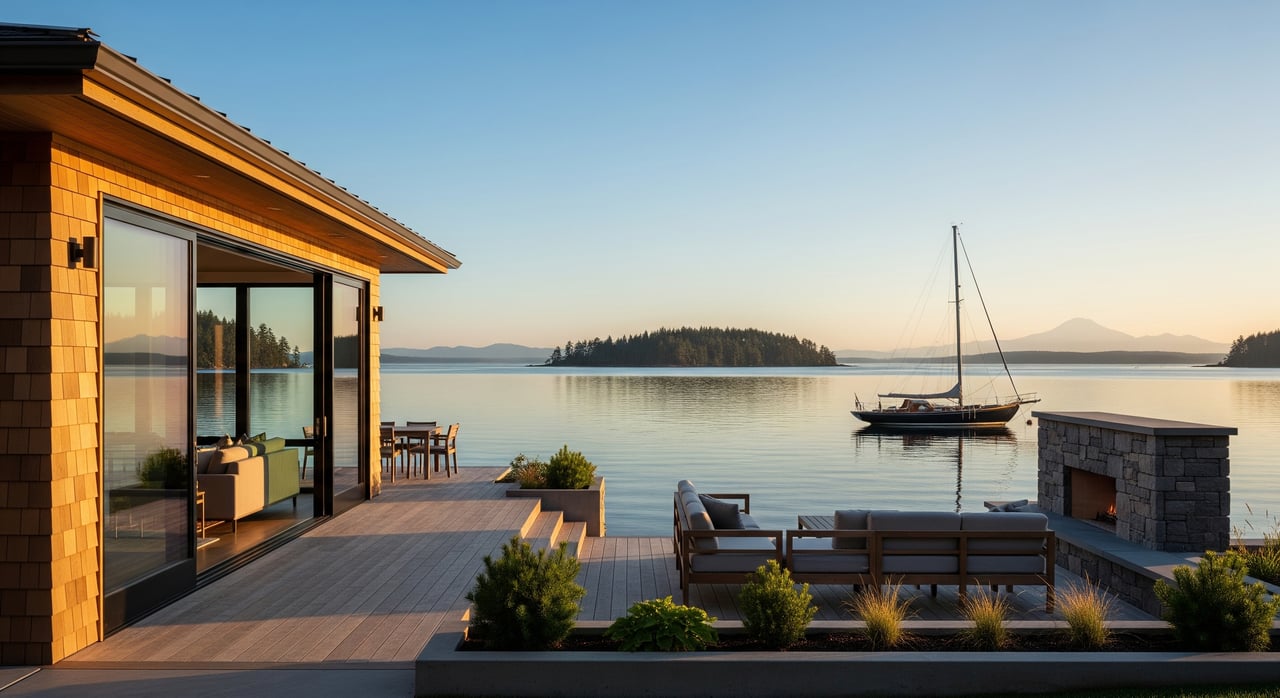
The pot pulled up at Deer Harbor Marina this morning was the last legal one of the summer. Washington's Department of Fish and Wildlife lists the season for Marine Area 7 South, the water that wraps Orcas and the rest of the San Juans, as open July 16 through today, September 28, on a Thursday-through-Monday schedule. After today, setting a trap from a boat anywhere in these waters is against the rules until further notice.
Most islanders who crab already know that much. What fewer track is the second clock running underneath it: the online reporting window for this year's catch cards closes October 1, just three days from now. That gap between the last day on the water and the last day to report it is where the actual decision about next season gets made, and it has nothing to do with the tide.
The season that ends on a schedule, not a shortage
It's worth separating two things that get conflated every fall: the season closing and the crab disappearing. They're not the same event. WDFW sets these dates using test fisheries run with tribal co-managers, checking whether Dungeness crab in a given area have molted into hard shell and reached legal size, not whether the population is running low. The Thursday-Monday cadence itself exists to spread out harvest pressure over the summer rather than to signal decline.
That distinction matters this week because the September 28 close date is a function of the calendar, not a sign of a weak season. With a Thursday-through-Monday cadence running from a mid-July start, the exact date the last window falls on shifts from year to year depending on how the weeks stack up, the same way a fixed work schedule can land its last shift on a different date each cycle even when nothing else about the job has changed.
The clock nobody's watching
Here's the part that catches people off guard. Washington runs a two-card system for Puget Sound crabbing: a summer catch record card and a separate winter one, each with its own reporting window. The summer card can only be filed online during a narrow stretch, from the day after Labor Day through October 1. Miss that window and you're assessed a $10 penalty the next time you buy a license, whether or not you caught a single crab all summer.
That means the real deadline for anyone who set a pot this season isn't the day the water closed. It's Thursday, three days out, when the reporting portal itself shuts down. For a household that's been dropping traps off a dock all summer, that's the difference between a clean record and a small fine showing up on next year's fishing license without warning.
The reporting isn't just bureaucratic housekeeping either. WDFW uses that catch data, area by area, to decide whether a given marine area qualifies for a winter reopening once the calendar turns to October. Some parts of Puget Sound get a second season running through the end of December. Others stay closed because the harvest numbers from the previous season didn't support it. Whether Marine Area 7 South sees a winter opener this year depends on how complete and how strong the reporting turns out to be over these next three days, not on anything visible from a dock.
Where the season actually played out
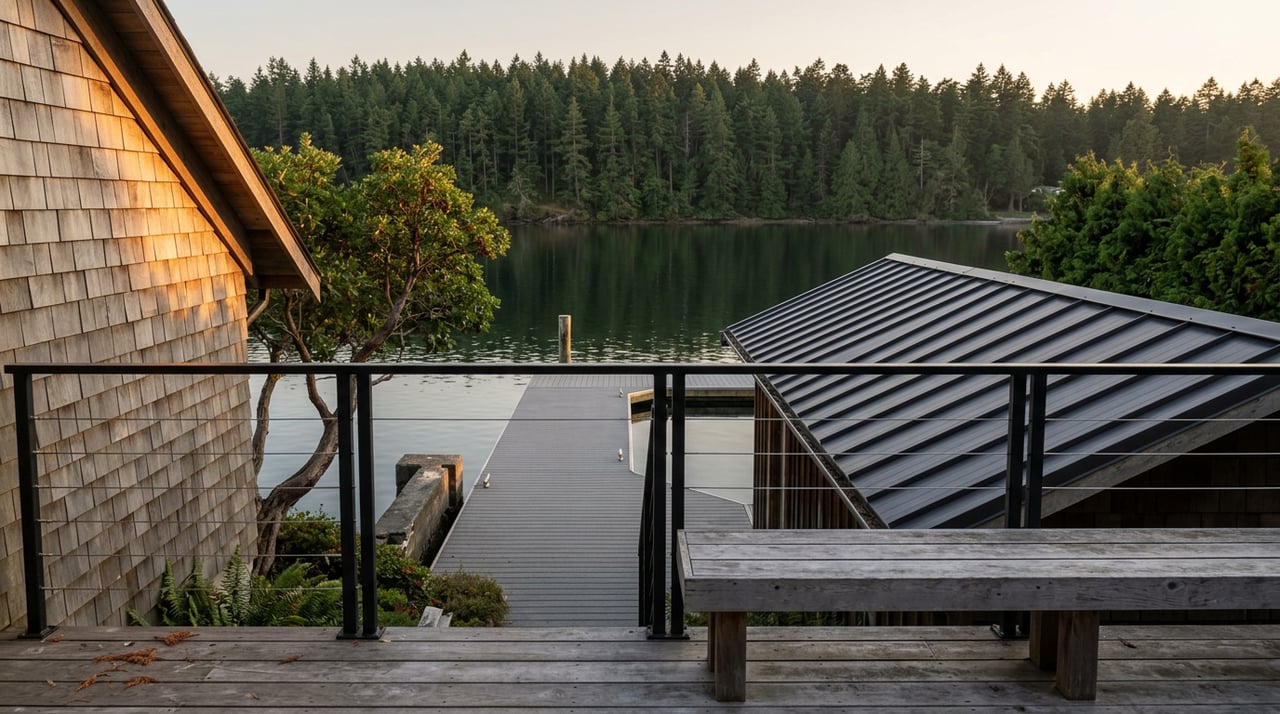
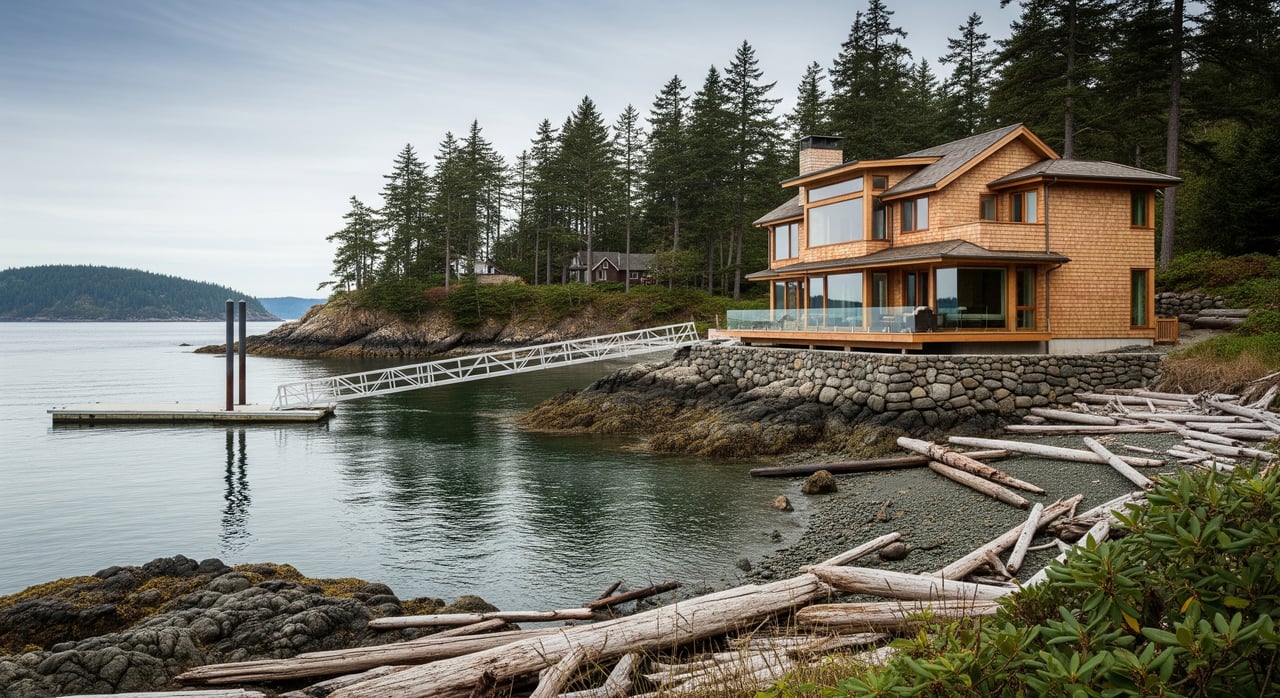
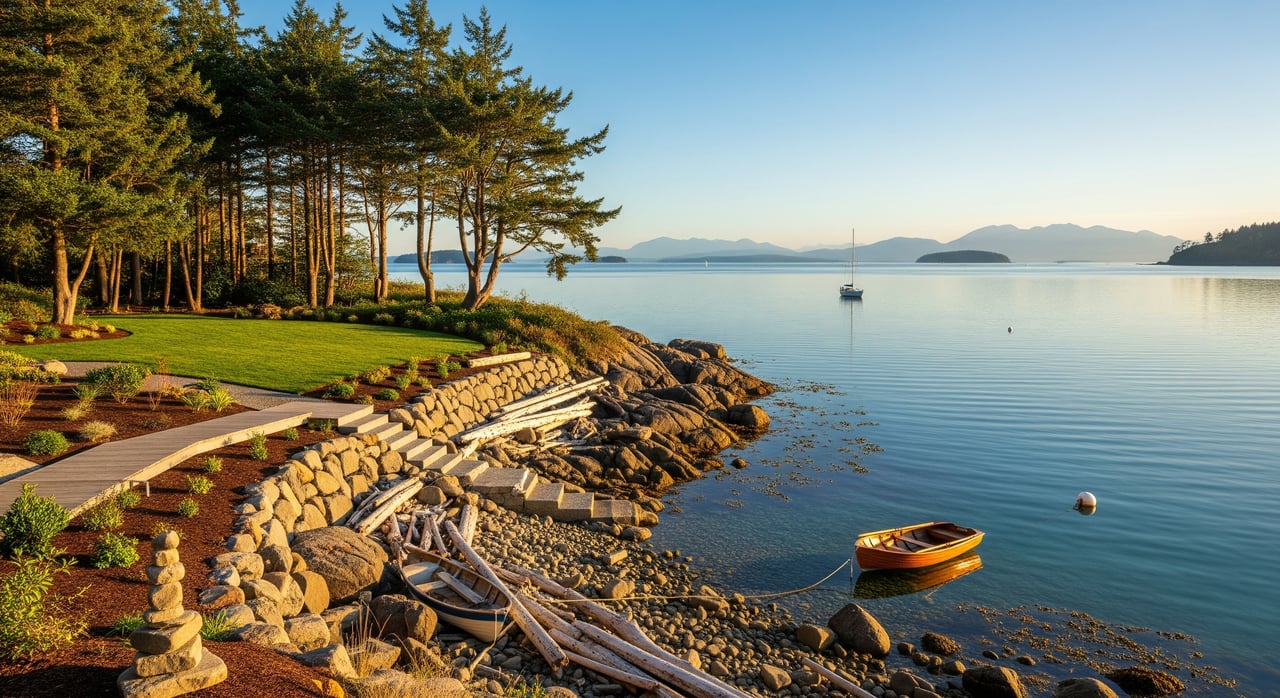
Orcas Island doesn't have one crabbing spot so much as a handful of very different ones, each with its own summer rhythm. The Orcas Island Chamber of Commerce's boating page lays out the island's public docking options: Madrona Point, the Olga hamlet dock, Obstruction Pass, and Orcas Landing, alongside the private marinas that fill in the gaps.
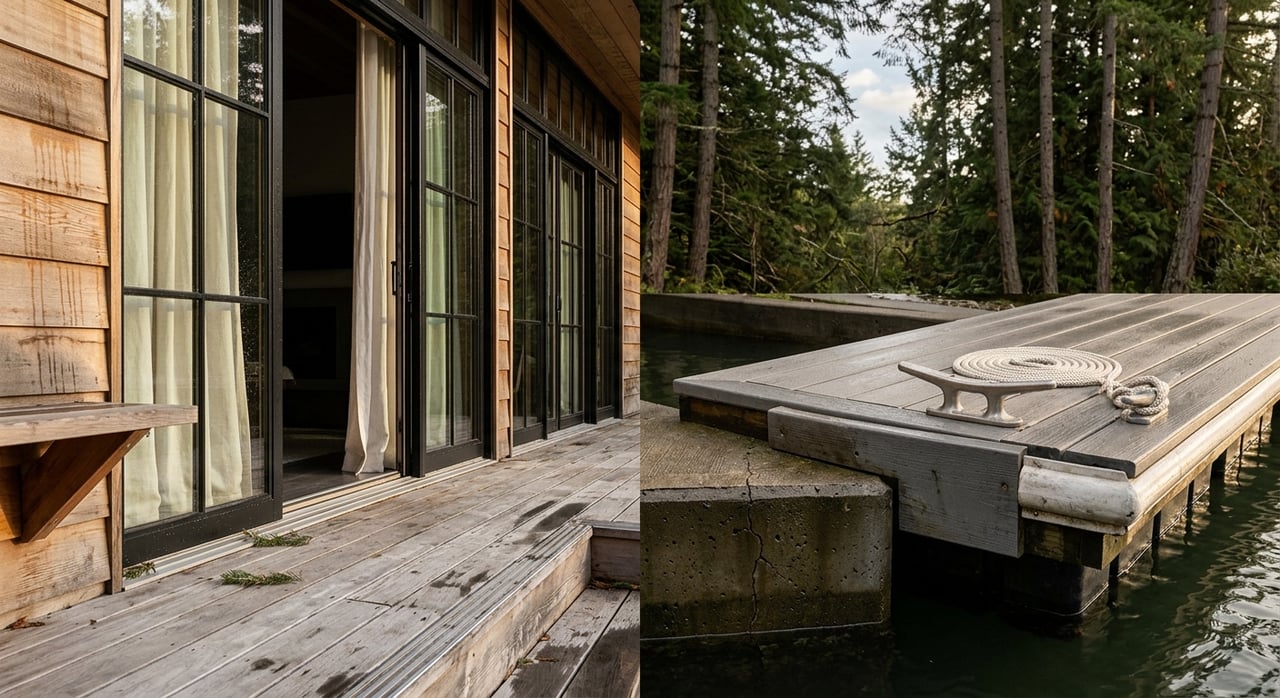
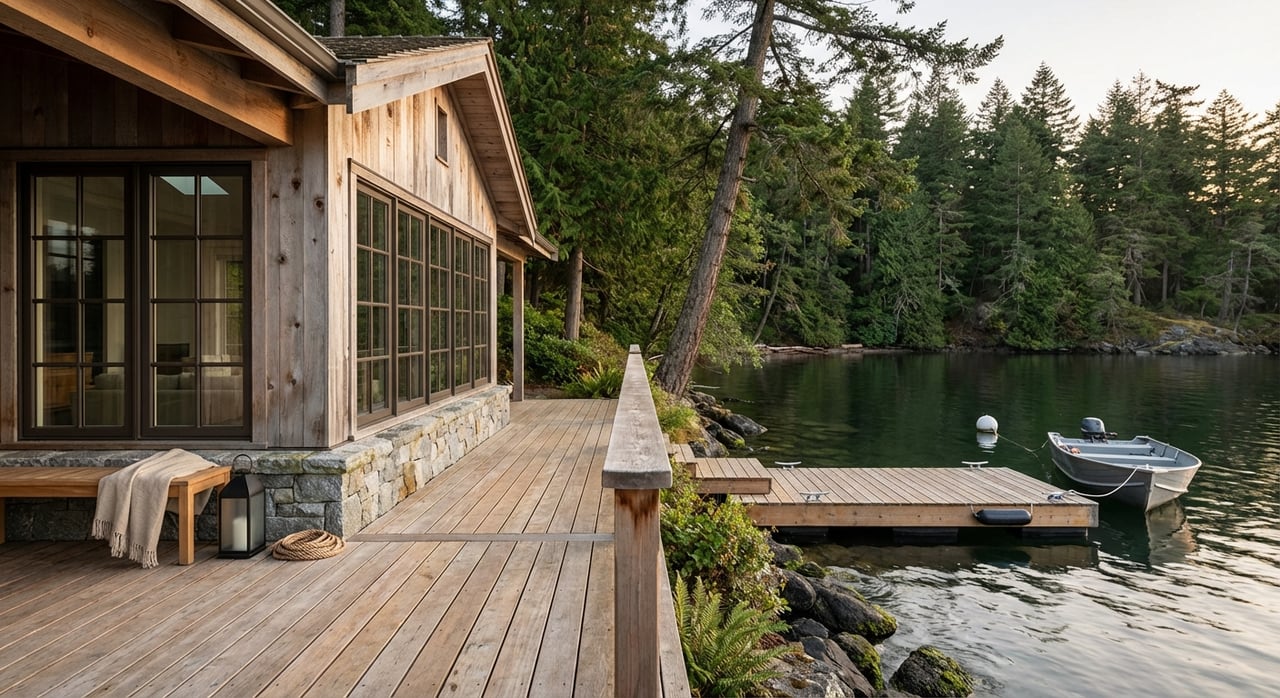
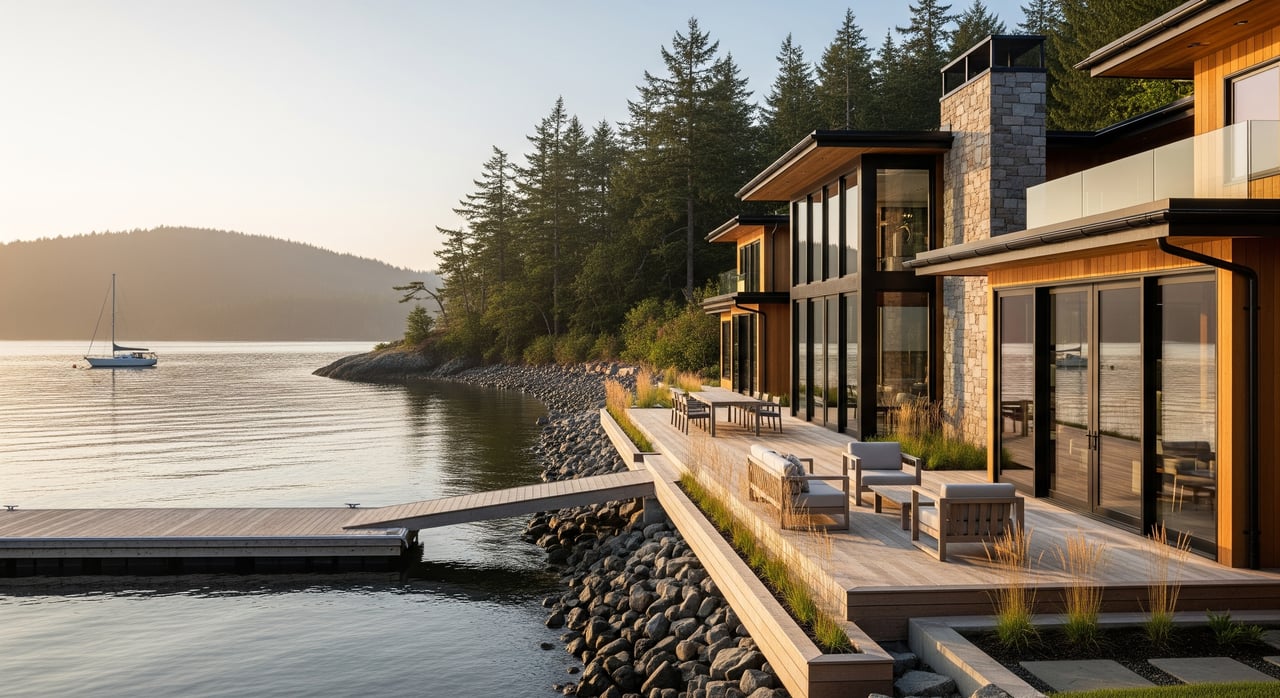
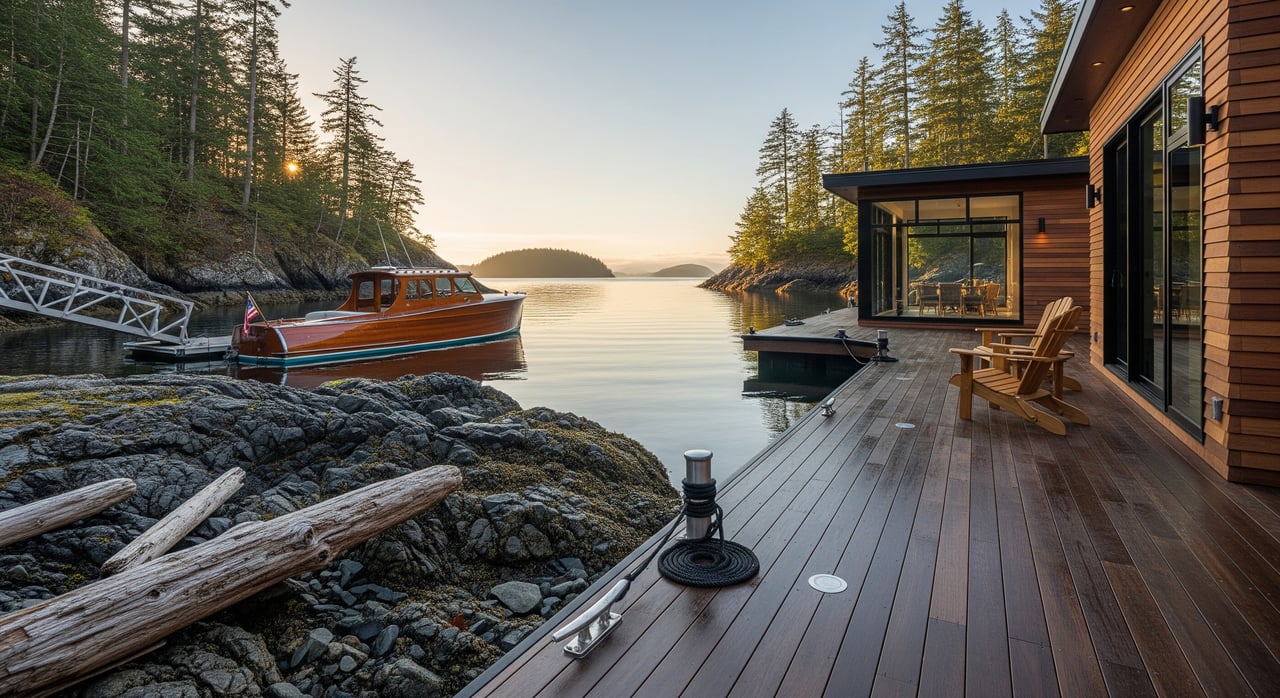
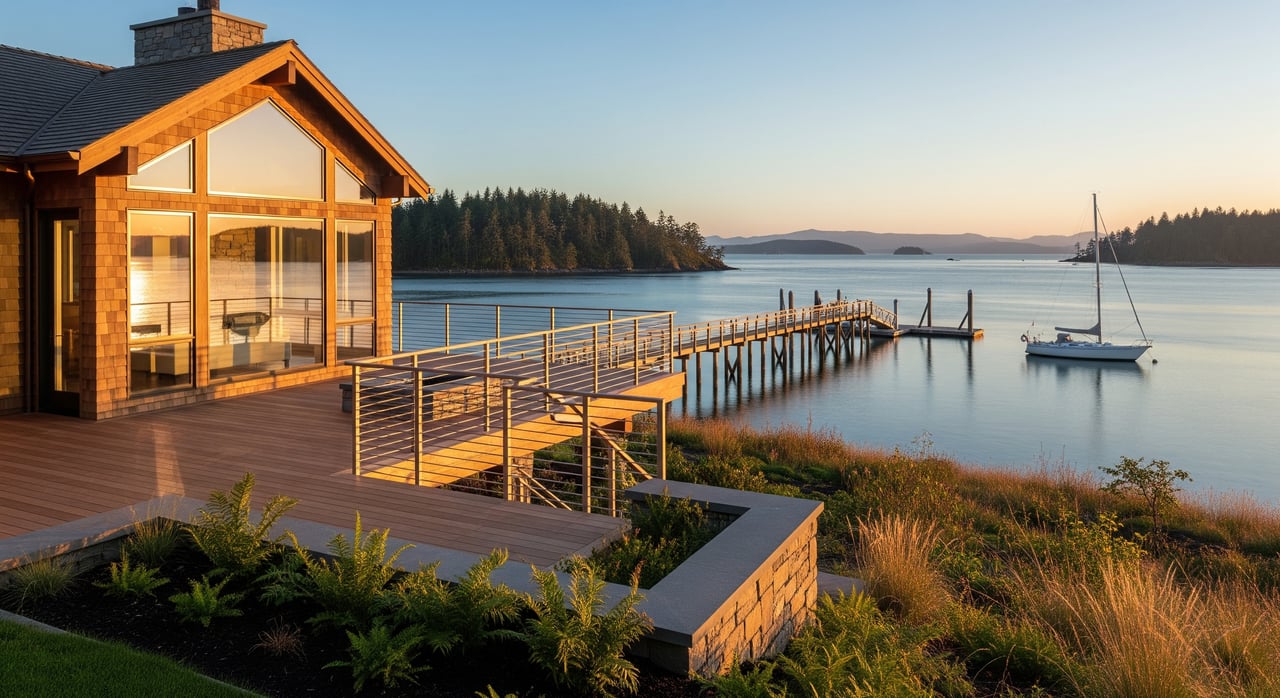
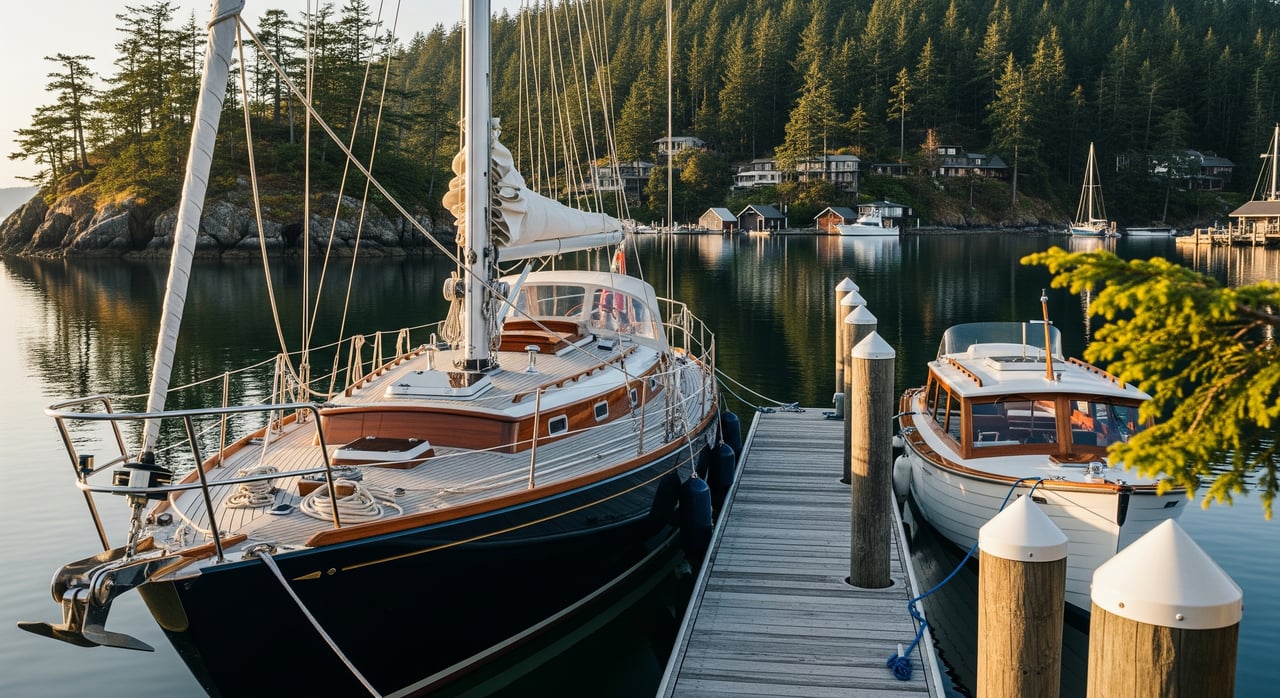
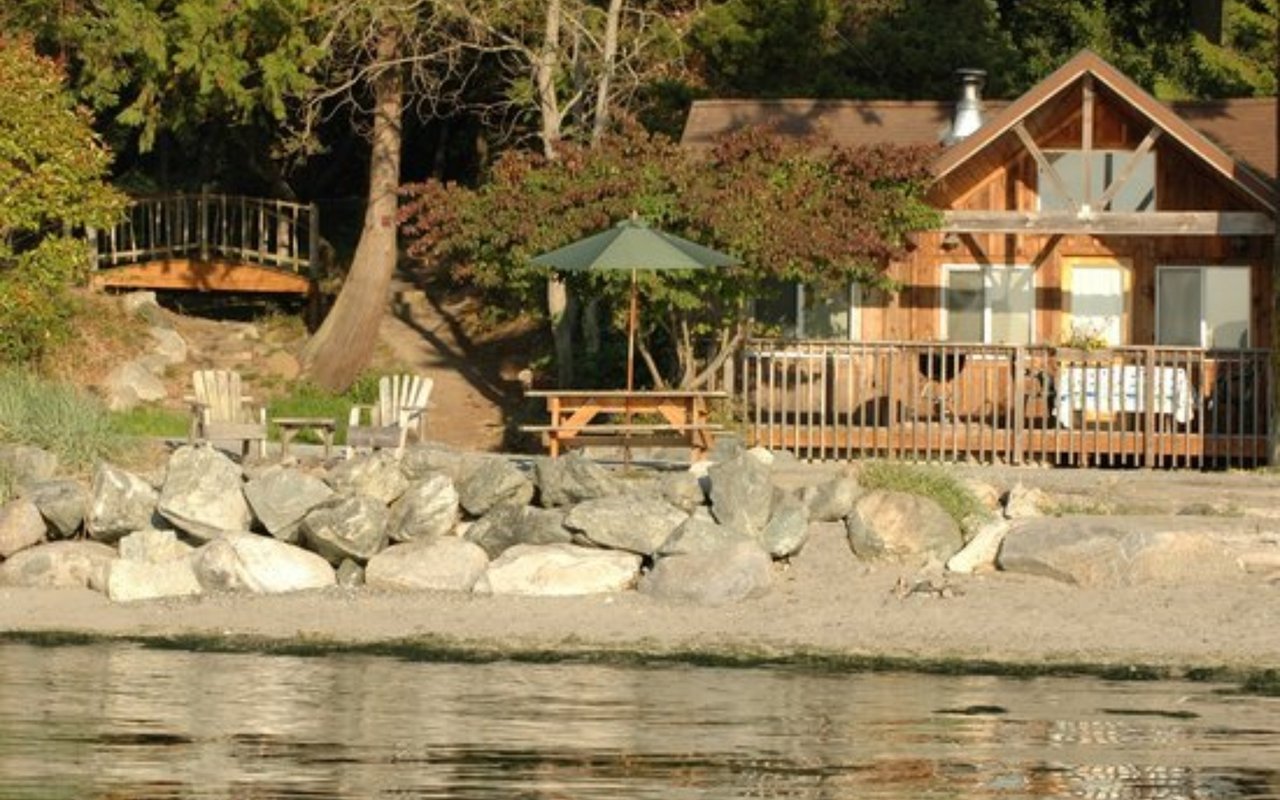
Deer Harbor Marina, on what locals call the island's Sunny Side, runs a full-service operation with new docks, showers, and a fuel system that stays open year-round, which is part of why it's historically been one of the busiest crabbing hubs on the island. West Beach Resort, on the more undeveloped west side, rents pots and traps directly from its tackle shop and kiosk, making it an easy on-ramp for anyone without their own gear. Brandt's Landing, on the north side, sits closest to Eastsound and gets used by boaters who want quick access to town between trap checks. Rosario Harbor, tied to the historic Moran estate, adds a working marina to a part of the island most people associate with the mansion and the organ concerts rather than crab pots.
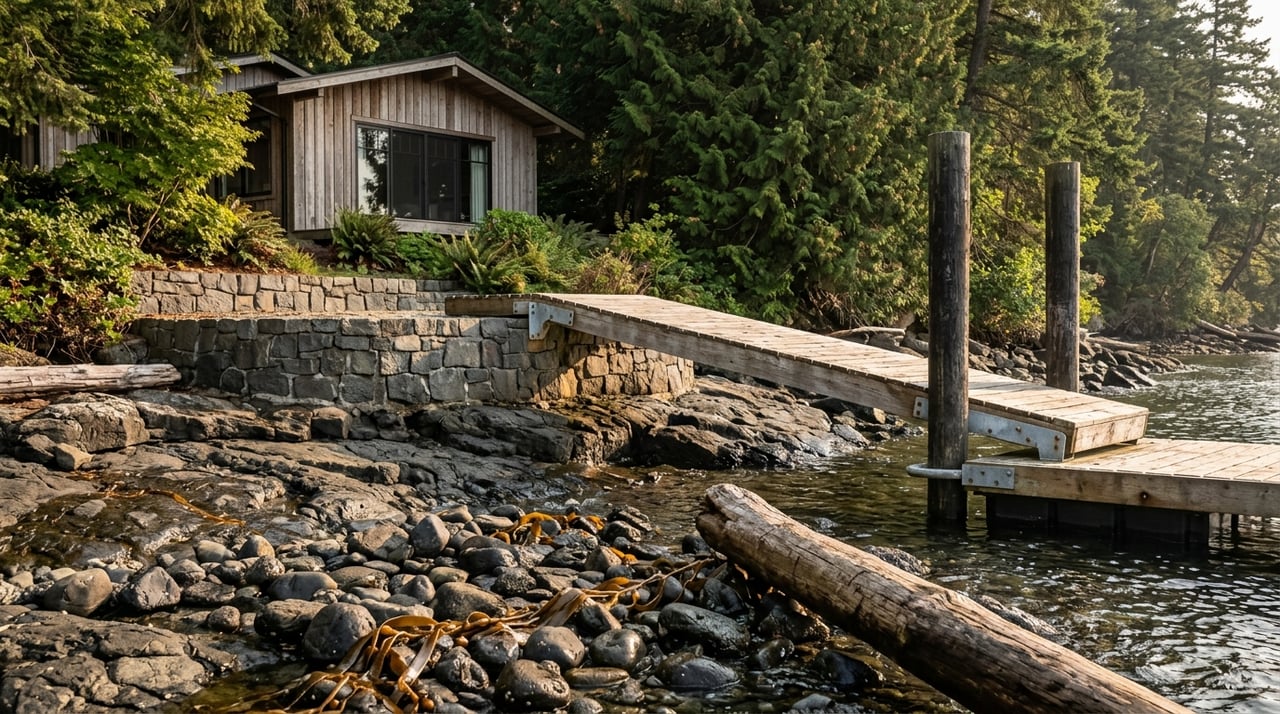
The Eastsound dock at Madrona Point is a different animal entirely. It's day moorage only, and only in summer, which means it was never built for the kind of all-season crabbing routine that Deer Harbor or West Beach can support. A fuller rundown of how these marinas differ in depth, services, and seasonal availability lives in our own guide to Orcas Island moorage, which is worth a look if you're trying to figure out which dock actually fits your boat and your habits, not just which one is closest.
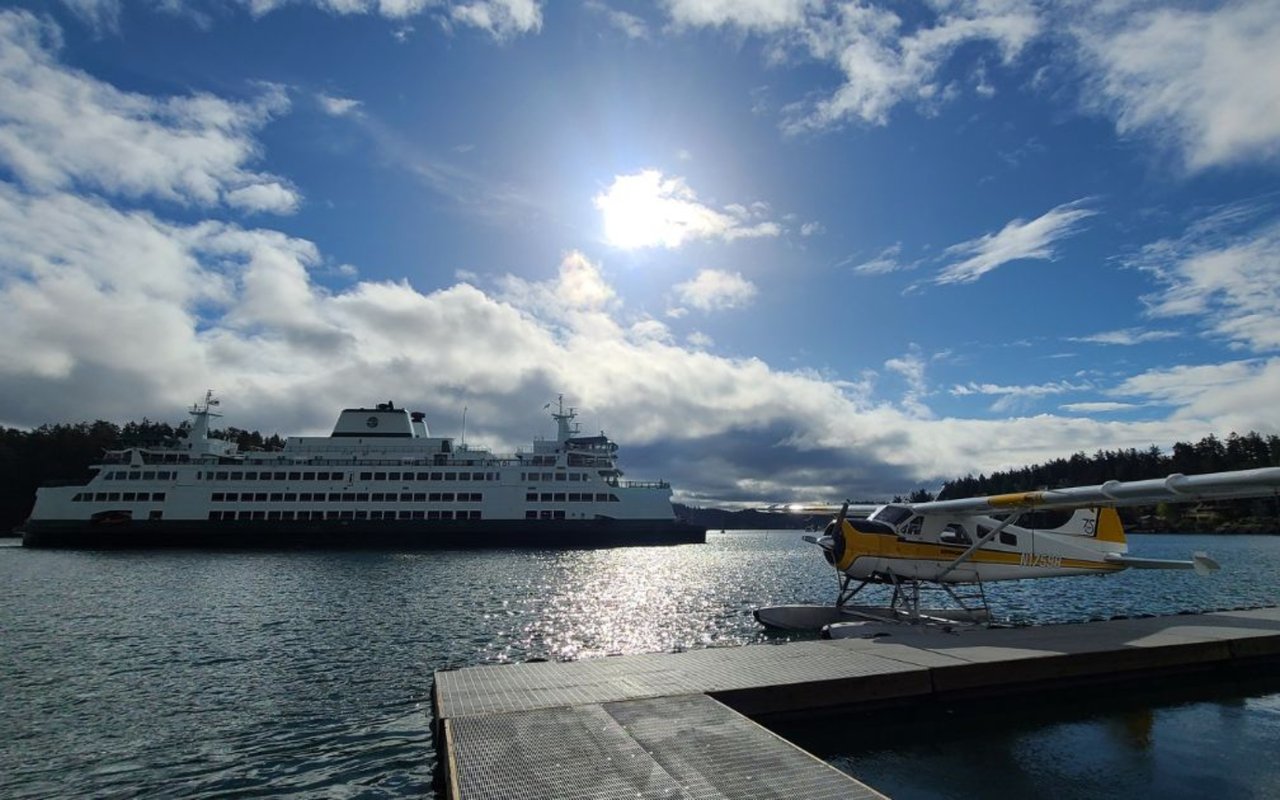
One detail that trips up newer boaters specifically involves the ferry terminal at Orcas Landing. A rule adopted in 2025 prohibits setting crab or shrimp gear from a vessel near any of 19 designated state ferry terminals across Puget Sound and the San Juans, and Marine Area 7 is on that list. It's an easy mistake for someone drawn to the deep water near the landing without realizing the terminal itself carries a no-gear buffer, and the rule exists because lost gear near a terminal can do real damage to a ferry.
What the ritual actually looks like from a boat
The mechanics are one thing. The season has its own private rhythm for the people who live it every summer. One islander who blogs about relocating from Seattle to Orcas keeps a public count each year of what his family pulls in. In one recent season he documented, the tally came to 86 keepers and a few dozen red rock crab, twenty more keepers than the year before, all hauled from four pots weighted with rebar and dropped by GPS mark a short run from his dock. He describes the smell of the bait bucket filling the car on the drive down, the trial-and-error of finding eelgrass beds away from the well-known spots where everyone else already fishes, and the ritual of pulling the boat out of the water once the season winds down, a marker as much as a maintenance task.
That's the texture that doesn't show up in a WDFW season table. For a lot of households on Orcas, the last week of Thursday-Monday openings isn't really about squeezing in one more limit. It's the point where the boat comes out of the water, the traps get hosed off and stacked in the garage, and the summer's crab supply either gets shared with neighbors or goes into the freezer for winter.
What actually changes this week
Nothing about the water itself changes overnight. What changes is what's legal and what's owed. Setting a trap from a boat in these waters is off the table until WDFW announces otherwise. Anyone who crabbed this summer has until October 1 to file that summer catch card online, whether the season was a good one or came up empty. And whether these waters see any kind of winter reopening depends on how that reporting adds up over the next few days, a decision that gets made area by area rather than as a single Puget Sound-wide call.
For islanders whose summer includes a boat, a few pots, and a favorite spot off Deer Harbor or West Beach, that's the actual news this week. Not that the season closed, which everyone with a crab endorsement already knew was coming. It's that the clock they need to watch now runs on paperwork, not tides.
If you're the kind of Orcas Island household that plans a summer around a dock, a boat, and a crab pot, you already know these details matter as much as the view from the porch. Windermere Real Estate/Orcas Island works with families across the island every day who care exactly this much about the water they live near, and we're always glad to talk through what a particular stretch of shoreline or a specific dock actually offers before you make any decision about it.