Every septic inspector on Orcas asks the same question before they schedule a visit: is this routine, or is it for a sale. The answer changes the paperwork, the timeline, and sometimes the invoice. Most sellers near the ferry landing never get asked that question at all, because they assume they know which kind of property they own. A surprising number of them are wrong.
That's the piece of local knowledge worth more than any square footage figure when you're preparing to list near Orcas Village. The hamlet around the ferry terminal sits inside one of the smallest municipal sewer systems in the San Juan Islands, a pocket so narrow that stepping a few minutes down the road puts you back on septic and private water. Sellers who don't know which side of that line their parcel falls on tend to find out at the worst possible moment: mid-escrow, with a buyer's inspection contingency clock running.
A Sewer Pocket the Size of a Neighborhood
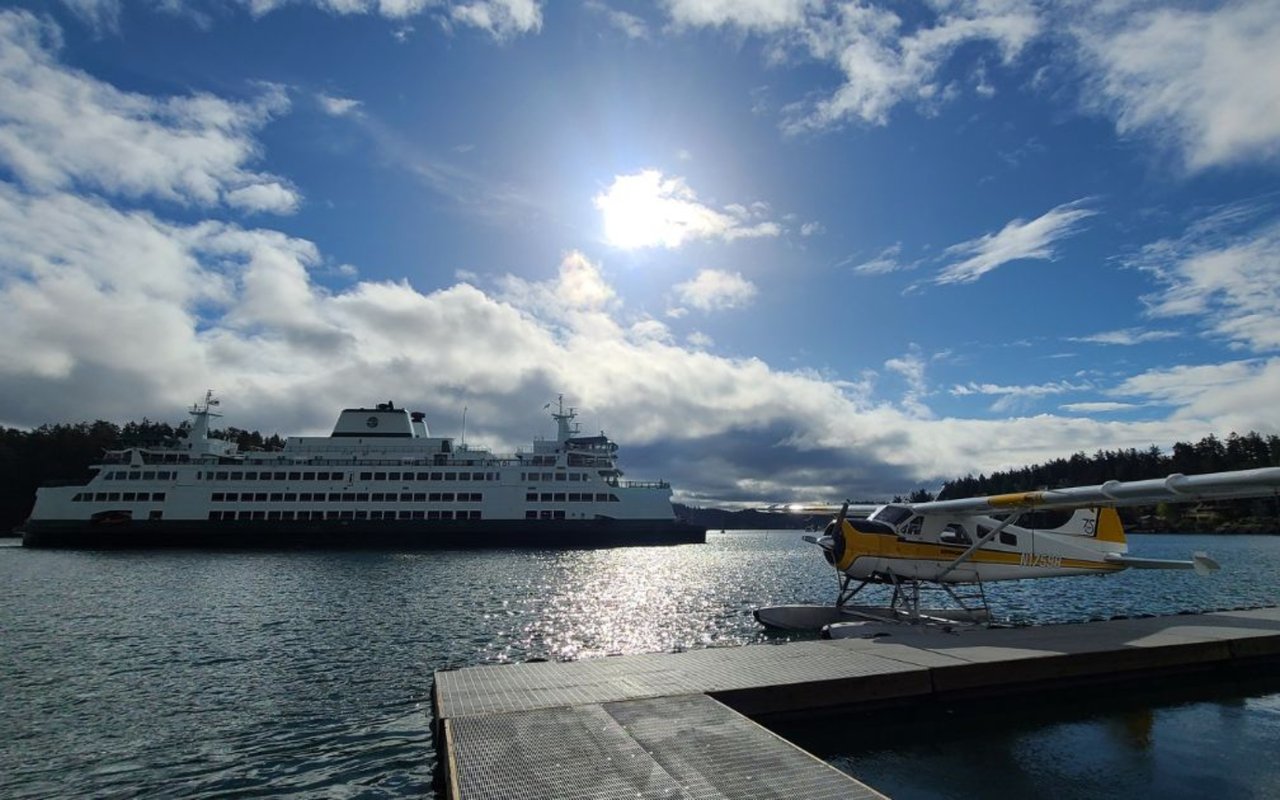
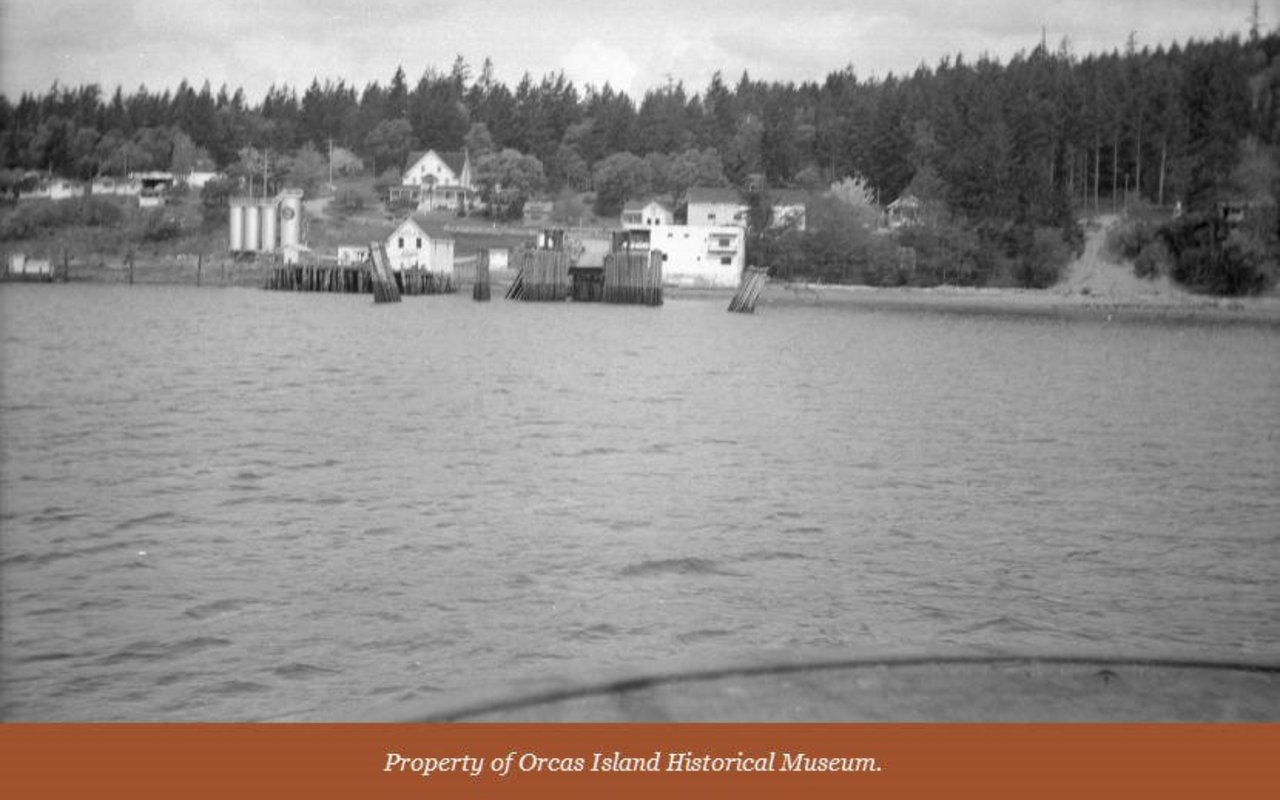
The Eastsound Sewer & Water District is best known for serving Eastsound village, but its service area also extends to a second, much smaller area: the Hamlet of Orcas Village, the cluster of homes and businesses around the Washington State Ferries terminal. The district built and activated the Orcas Village treatment plant and collection system in 1989, with funding help from the Washington Department of Ecology and the Department of Transportation after a mid-1980s feasibility study focused specifically on the ferry terminal area.
The scale tells you how contained this pocket really is. The Orcas Village system currently serves about 47 customers representing 80 equivalent residential units, and the plant still runs at roughly a third of its design capacity. That is a small, specific footprint, not a general utility blanket over the south end of the island. If your listing sits inside it, you skip an entire category of pre-sale requirements. If it sits just outside, you don't.
One Mile Away, a Different Set of Rules
Move southwest toward West Sound and the picture changes completely. That area is served by the West Sound Water Association, a membership-owned utility established in 1988 that supplies water to about 38 members, including full and part-time residents along with the Kingfish Inn, West Sound Marina, the SeaDoc Society, and the Orcas Island Yacht Club. Notice what that association does and doesn't do: it delivers water. It has nothing to do with wastewater. Homes in that service area, and across most of unincorporated Orcas Island outside the two urban growth boundaries, handle sewage through an on-site septic system regulated directly by San Juan County.
That distinction matters because a buyer or seller can hear "West Sound has its own water association" and assume the sewer question is settled too. It isn't. Water and wastewater are two separate systems here, with two separate sets of obligations, and conflating them is exactly how sellers end up missing a requirement until an inspector or a title company flags it.
Two Properties, Two Very Different Pre-Listing Checklists
Inside the Orcas Village sewer line | Outside it, on septic | |
|---|---|---|
Wastewater system | Connected to ESWD's Orcas Village sewer | Private on-site septic system |
Pre-sale inspection required | No septic inspection needed | Inspection ordered specifically "for a sale," not routine |
Form 17 disclosure line | Sewer connection confirmed, no septic history to report | Must disclose septic condition, inspection date, and any past failures |
Typical added cost | None | Roughly $350 for inspection, plus $1,000 to $1,200 if a pump-out is required |
Owner-builder wrinkle | Not applicable | San Juan County requires a Life Safety inspection when an owner-builder home is sold or rented |
What the Septic Side Actually Requires
San Juan County has regulated on-site sewage systems on a periodic inspection schedule since 2009. Gravity systems need inspection every three years unless the property sits in a designated sensitive area, usually near commercial shellfish operations, in which case it's annual. Pressure systems, sand filters, mound systems, and aerobic treatment units all fall under annual inspection requirements regardless of location.
Selling triggers inspection requirements. The septic tank's observation ports and risers have to already be in place and reachable, and the resulting system must be sized correctly for the number of bedrooms in the house, a figure the county defines by specific room dimensions and features rather than what a floor plan happens to label a room.
Then there's the requirement almost nobody expects. San Juan County is one of the few counties in Washington that allows owner-builder permits, distinct from an owner-contractor arrangement. If a home near the ferry landing or out toward West Sound was built under that program, the county requires a Life Safety inspection when it is sold or rented. On an island with a long history of owner-built cabins and additions, this single line item has derailed more than one closing timeline that nobody budgeted for.
The Disclosure Form Doesn't Let You Guess
Once the inspection question is settled, sellers still have to answer for it on paper. Washington requires a Seller Disclosure Statement, commonly called Form 17, on most residential sales under state law. The standard the form is built around, as LegalClarity explains, is actual knowledge, not investigation. A seller isn't required to hire an inspector before listing just to answer the form.
Why the Timing Math Is Different Right Now
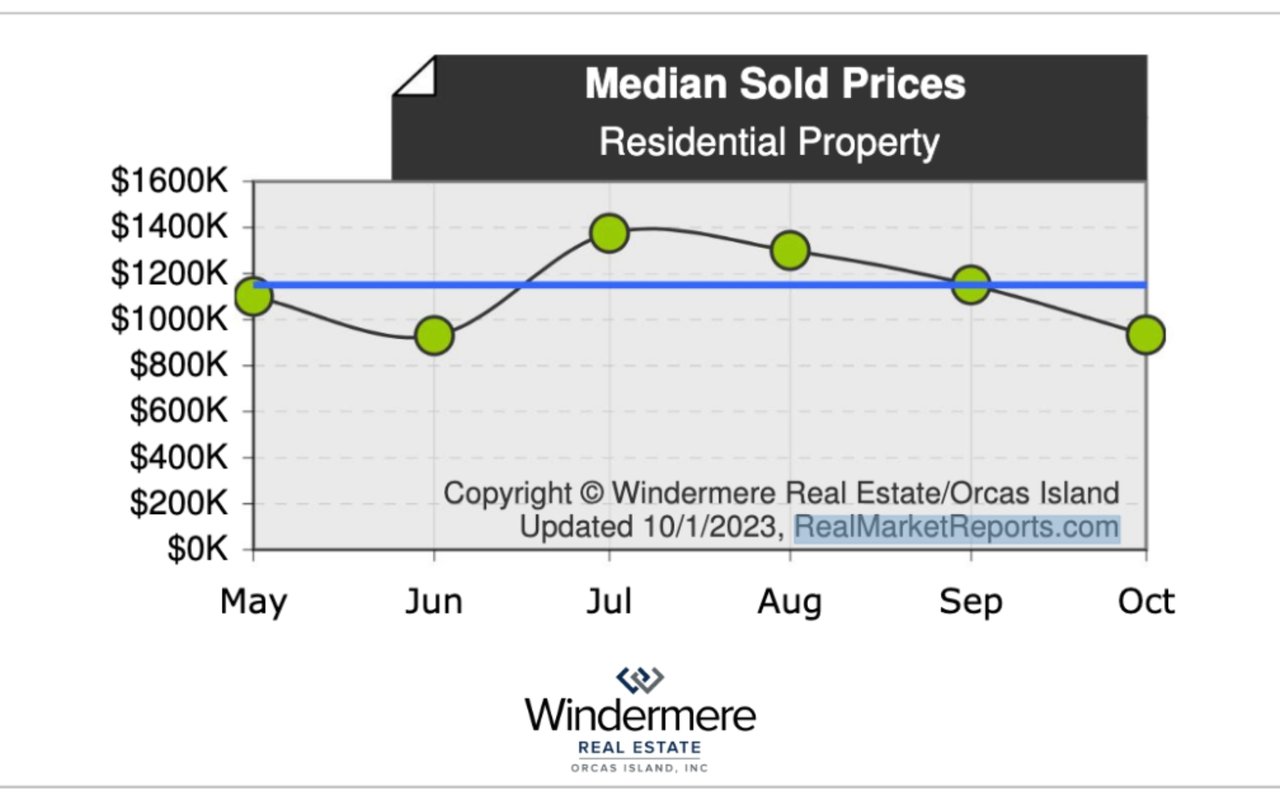
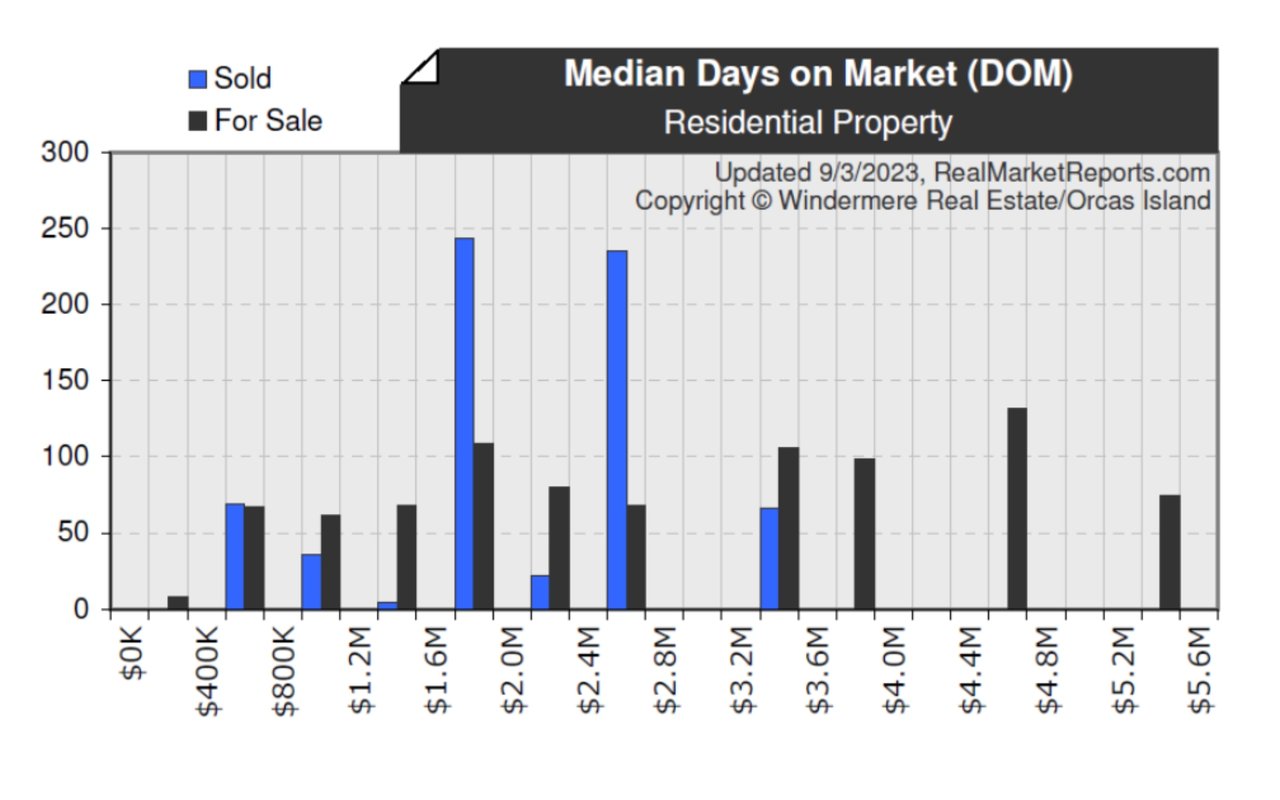
None of this was as costly to get wrong when Orcas Island real estate moved faster. Over the three months ending May 2026, the median sale price on Orcas Island was $1.2 million, up 28.3 percent from the same period a year earlier, but homes were also taking longer to sell: an average of 35 days to go pending, compared with 27 days the year before. Only 18 homes sold in May 2026, down slightly from 20 the year prior. As of mid-August 2026, 17 homes were pending at a median list price of $1.45 million, with typical time on market stretching to 77 days.
A slower, pickier market changes what a scheduling delay costs a seller. When buyers were competing hard for limited inventory, a late septic report or an unexpected Life Safety inspection might have been absorbed without much friction. In a market where days on market have climbed and buyers have more room to walk, the same delay now sits inside a financing contingency window that a lender or a buyer may not extend. Knowing your utility status before you sign a listing agreement isn't paperwork for its own sake. It's the difference between a clean 30-day close and a renegotiated one.
A Practical Order of Operations
- Confirm which system serves your parcel. Check with the Eastsound Sewer & Water District directly if you're anywhere near Orcas Village, rather than assuming based on neighbors or general area reputation.
- If you're on septic, schedule a sale-specific inspection early, not after you've accepted an offer, so the observation port and riser requirements don't surprise you mid-transaction.
- Pull your septic system's permit and as-built record if you have it, so the inspector can confirm the drain field matches your home's bedroom count.
- Ask whether your home was built under San Juan County's owner-builder program. If it was, and the work happened after 1988, budget the 30-day Life Safety inspection into your timeline now.
- Prepare your Form 17 answers around documented facts, not memory, and keep any inspection reports, repair receipts, or permits ready to hand a buyer's agent.
Frequently Asked Questions
Does being inside the Orcas Village sewer service area make a listing worth more? It removes a category of seller obligations and buyer uncertainty, which can make a transaction move faster, but it isn't the only factor buyers weigh against price.
What if I know I have a septic system but can't find the original permit? Start with the county's septic system inspection search tool and be prepared to work with a licensed designer if the system was installed before digital records existed.
Do buyers in the West Sound Water Association's territory also need to worry about septic separately from their water source? Yes. Water supply and wastewater treatment are handled by entirely different systems there, so a functioning water membership says nothing about the condition of the septic system on a specific parcel.
If you're weighing a sale near the ferry landing, in West Sound, or anywhere else on Orcas Island where the utility map isn't obvious from the road, our team at True North Realty / Orcas Island can tell you which side of the line your property sits on before you sign anything. Reach out through our sellers page or contact Mariah Dunning directly to talk through your specific parcel and timeline.
This article is general information, not legal, tax or financial advice. Consult a qualified professional about your situation.